
Student Life
What Does a Yoga Ball Do for Pregnancy? Labour, Posture & Pain Relief Explained

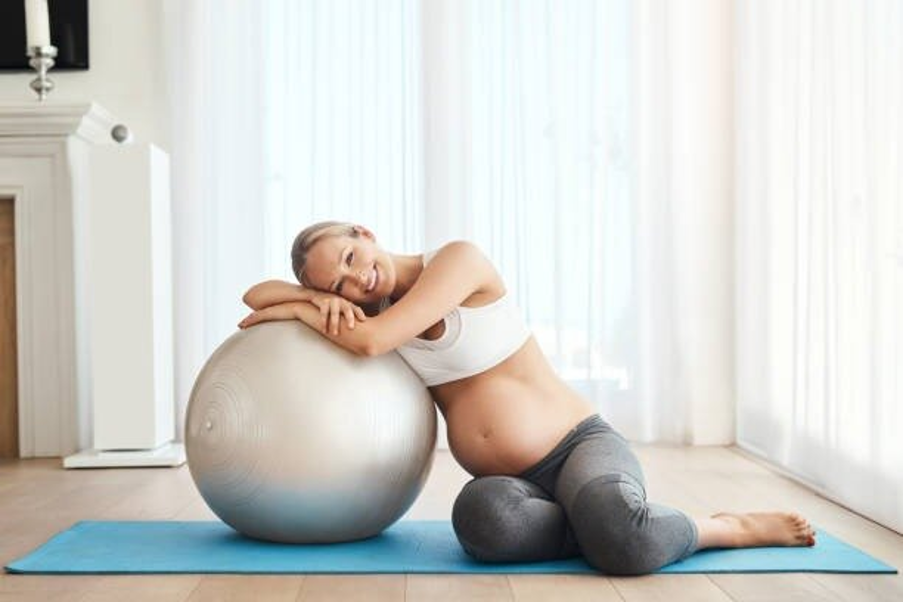
One of the common questions that pregnant mothers, who are seeking natural solutions to maintain their comfort, activity, and readiness to give birth, ask is what a yoga ball does for pregnancy. It is a simple but useful tool, often referred to as a birth ball, that can help reduce back and hip pain, improve posture, reduce pelvic pressure, and help the baby to be positioned optimally. You will have a slightly active core as you sit and move on a yoga ball, which will keep you in balance and circulate your body with adaptation. A yoga ball is low-impact and safe to support you through back pain, or you can prepare to give birth in any trimester, which makes pregnancy more comfortable, and the labour process may be easier.
What Does a Yoga Ball Do for Pregnancy?
A yoga ball, also known as a birth ball, has been among the most prescribed natural aids in helping have a healthy and comfortable pregnancy and smooth labour. Designed with simplicity and effectually, this inflatable ball is known to relieve common pregnancy symptoms, improve both posture and balance, encourage an adequate position of babies, and train the body to give birth.
Most mothers are opting to use supportive products such as the Momcozy pregnancy ball that is marketed as specifically designed to be used during pregnancy by its 65 cm ergonomic size, safety measures including anti-burst, as well as its soft and anti-slip material that suggests a stable and safe support of the prenatal movement, labour preparation and postpartum recovery. Regardless of whether you are in your first trimester or you are almost at your due date, you can consider using a yoga ball as they are soft, efficient and supportive to your changing body and keep you active and comfortable.
Benefits of Using a Yoga Ball During Pregnancy
- Relieves Back, Hip, and Pelvic Pain: As your belly grows, your centre of gravity shifts forward, putting extra pressure on your lower back and pelvis. Sitting on a yoga ball inherently stimulates correct spinal position and engages stabilising muscles. This alleviates pressure in the lower back, hips and tailbone areas in which discomforts during pregnancy usually arise.
- Improves Posture and Balance: Poor posture may aggravate pain, fatigue and muscle strain during pregnancy. A yoga ball will help to train your body to sit straight with your shoulders loose and your belly button straight. This will enhance balance and posture awareness over time that will make you move more comfortably during the day.
- Encourages Optimal Baby Positioning: Gentle motions such as hip circles, bouncing and tilts on the pelvis help your baby to take a position which is favourable to labor and delivery, that is, the anterior position (head-down). Improved baby positioning can result in an easier labour process.
- Keeps You Gently Active: A yoga ball is significant in low-impact movement when you are pregnant because it can ensure that you remain on the move without putting too much strain on your joints. It promotes circulation, decreases swelling, and helps avoid stiffness- particularly in moms who sit or stand a lot.
- Prepares the Pelvis for Birth: The effect of sitting on a ball makes the pelvic floor flexible, making your body prepped to labour. This can help to have some more efficient contractions and a reduced pushing phase.
How a Yoga Ball Improves Pregnancy Comfort
The discomfort in pregnancy is usually caused by the pressure, muscle disproportion, and mobility limitations.
When sitting on a ball rather than a chair, the pelvis is tilted slightly forward. When you sit on a ball instead of a chair and take a little less weight off the tailbone, you sit in a better position and improve the position of the column of the spine. When blood circulates, tight muscles are relaxed and perform soft rocking movements that eliminate pelvic pains, sciatica and stiffness.
Spending time in front of a TV, sitting in an office, and lying between the activities with the assistance of a yoga ball could really help to leave the working day without the feeling of soreness. Light bouncing on the ball is also a popular method of relaxing restless legs and a heavy pelvis, especially during the third trimester, for moms.
Its relaxing movement can even help in relaxing the nervous system, tension and stress, and sleep better.
Yoga Ball Exercises to Support Pregnancy Health
The following are safe and easy yoga ball workouts that can be performed during pregnancy, provided your medical practitioner approves them:
- Pelvic Tilts: Sit upright on the ball, with feet on the floor. Tuck your tailbone in and out against your pelvis by gently tilting forward and back. This relieves the back and increases the flexibility of the pelvis.
- Hip Circles: Rotate your hips slowly in big circles on the ball after several rotations, and then change the direction. This enhances blood flow and decreases the stiffness of the hips.
- Gentle Bouncing: Light bouncing assists in relaxing the pelvic floor and relieving pelvic pressure, as well as the posture of the baby. It also enhances blood circulation, and swelling is minimised.
- Cat-Cow Stretch: Get on the floor and put your hands on the ball. Bend the back (cow) and round it (cat). This is a stretch of the spine, lessens tension in the back and aids in flexibility.
- Supported Squats: Keep the ball in between the lower back and a wall. Bend slowly on your knees and get back. This makes the legs stronger and prepares the body for labour postures by opening the pelvis.
Using a Yoga Ball for Labour Preparation
The yoga ball is an effective labour-prep tool as your due date approaches.
- Encourages Cervical Engagement: When sitting upright on the ball, your baby has his head assisted to move in the pelvis by gravity, which can help in cervical dilation.
- Reduces Labour Discomfort: When women are engaged in early labor, they realise that sitting, rocking, and bending over the ball decreases the intensity and pressure of contraction in the lower back.
- Supports Active Labour Positions: Forward bends, kneeling, and squatting are also practiced on a yoga ball, as these positions are known to make them more comfortable and aid in the progression of labour.
- Helps with Breathing and Relaxation: Light rocking movements and deep breathing lead to relaxation of the nervous system and contribute to more effective contraction patterns.
- May Shorten Labour: The use of yoga balls on a regular basis can also lead to a shorter period of labour and enhance the efficiency of pushing, as it promotes more effective positioning, relaxation, and opening of the pelvis.
Conclusion
One of the most effective and simple tools that can help to support the pregnancy in terms of comfort, mobility, and labour preparation is a yoga ball. It can alleviate daily pains and tension, enhance posture and position the baby in the most preferred manner or even prepare your pelvis to deliver a child; its values are felt throughout the trimester and even during labour. Non-violent, painless, and convenient in the home, a yoga ball gives moms the power to be active, relaxed and at ease as their bodies prepare to take their next biggest step in life, welcoming the baby to the world.
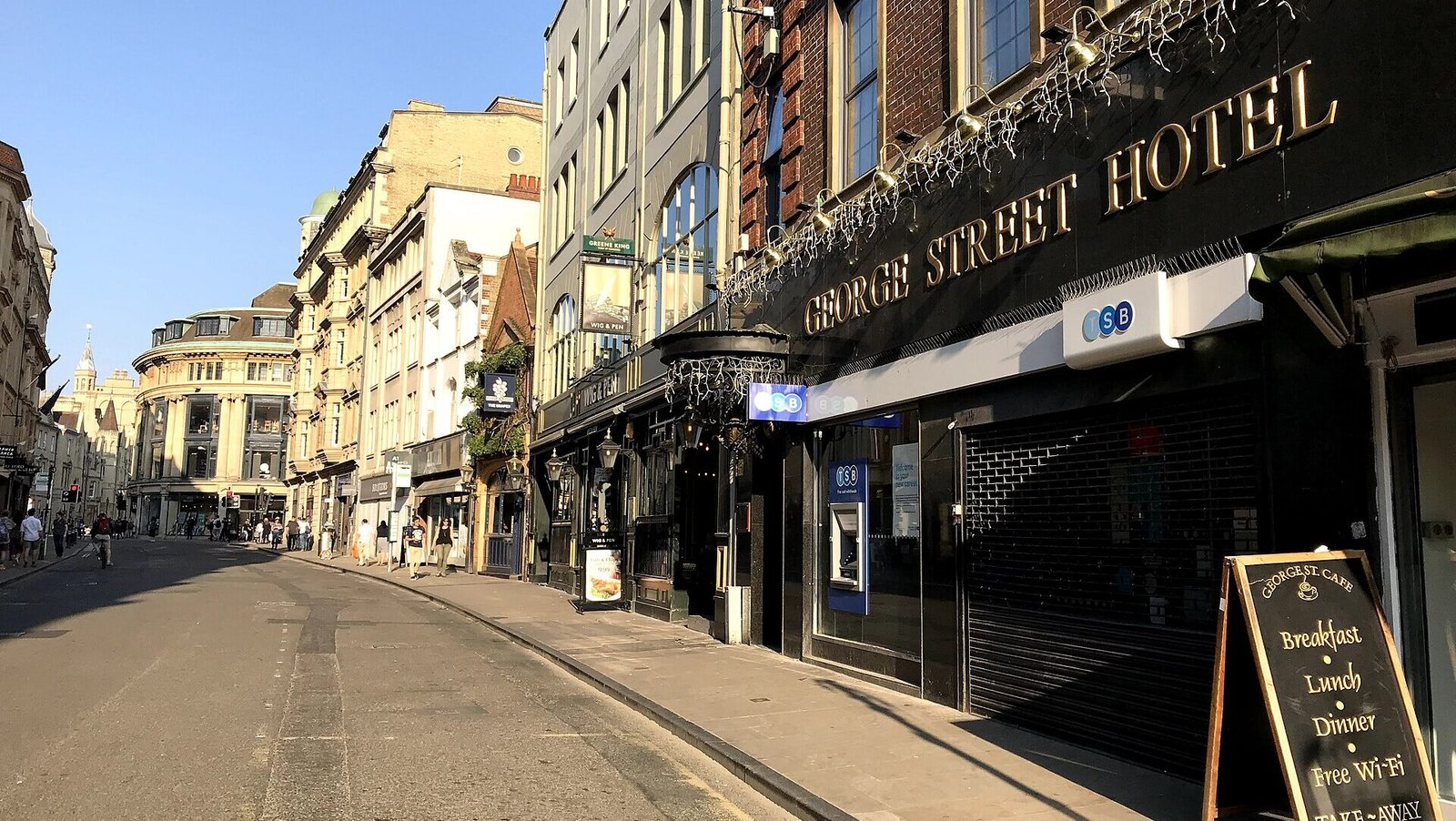
Oxford City Council have announced plans for a new face-to-face centre on George Street to tackle homelessness.
In a press release, the council said the new site would “strengthen the focus on homelessness prevention” and “enhance support for residents, particularly those experiencing homelessness, while delivering projected savings of £150,000 a year”.
Currently, most homelessness assessments are conducted over the phone, but the new centre will aim to provide more in-person services. Face-to-face homelessness services will be scaled from two days a week to five days a week to “enable more tailored support” and “better identification of health and wellbeing needs.”
The centre will relocate homelessness services from Westgate Library to “improve service accessibility.” In a press release, Cllr Nigel Chapman, Cabinet Member for Citizen Focused Services and Council Companies at Oxford City Council, described the development as “real value for money” and “a positive step forward for both residents and staff”.
Data from the UK Government’s latest ‘snapshot’ survey of homelessness in UK local authorities, taken in Autumn 2025, shows a 30% drop in those thought to be rough sleeping on the surveyed night in Oxford, from 46 in 2023 to 32 in 2025. The fall comes after a 140% increase in rough sleeping in Oxford recorded by snapshot surveys from 2020 to 2023.
Cllr Linda Smith, Cabinet Member for Housing and Communities, told Cherwell: “The number of individuals rough sleeping in the city has remained stable for the last few years and is credit to continued good partnerships.” Snapshot surveys record “only those seen, or thought to be, sleeping rough on a single ‘typical’ night”, and do not incorporate local authority data for those in temporary or insecure accommodation.
In their 2023-2028 Housing, Homelessness and Rough Sleeping Strategy, Oxford City Council pledged to develop “services and partnerships that are focused on preventing people losing their homes, [that] rapidly rehouse who become homeless, and end the need to sleep rough”. The council has also launched a public consultation on an updated countywide Oxfordshire homelessness and rough sleeping strategy for 2026-2028.
The Boat Race’s recent history has proved to be a morbid affair for Oxonians. Cambridge, boasting triumphant form, has returned year after year to defend a long streak of dominance on the Thames. Oxford’s Women’s Blue Boat have not won a Boat Race since 2016. Oxford’s men also suffer this streak of defeat – the last time they returned with a trophy was in 2022. None of Oxford’s four major crews have tasted victory since 2024, when the men’s reserve boat Isis won a narrow victory over Cambridge’s second boat, Goldie, on the Championship Course.
The Lightweight Races on Friday, 3rd April, did not forecast any change of fortune for Oxford, either. Cambridge’s men and women romped home to double-victory, whilst the light blues secured a narrow victory in the Veterans’ Races to top it all off.
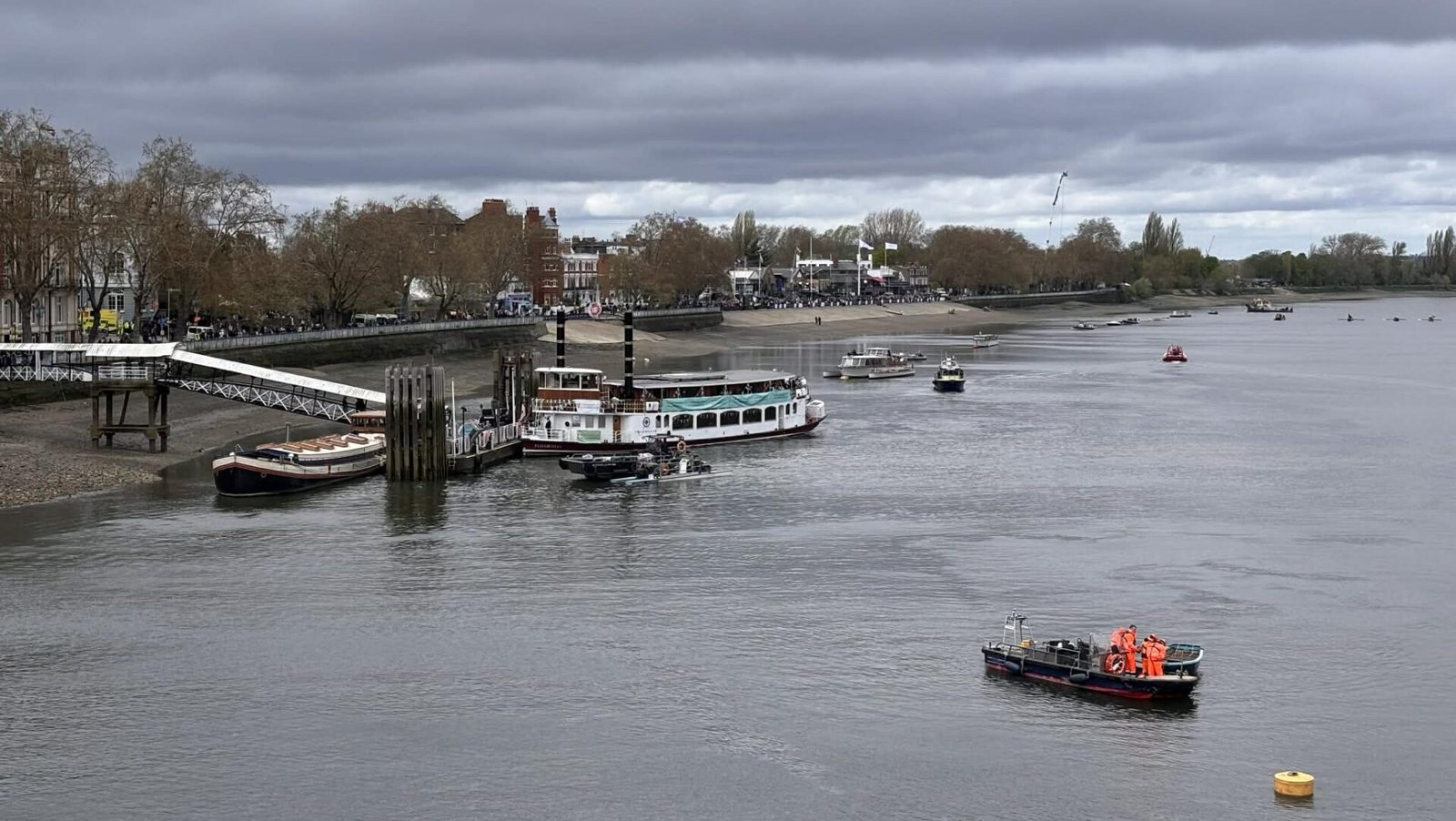
Conditions on race day were worse than last year, with high winds on the river producing the same choppy conditions the lightweight and veteran’s crews had battled the day prior. Intermittent breaks in sunlight did little to dissuade the heaving crowds who packed out the banks of the Thames to watch England’s two oldest universities battle it out. From Putney to Chiswick, the Tideway was roaring.
The south and north sides of this stretch of the Thames are respectively referred to as Surrey and Middlesex, reflecting the historic county borders on either side of the river. Important when it comes to racing, free speed can be picked up by a boat that holds its stream well through the river corners, particularly around Hammersmith.
The first crews to take to the water were the women’s boats at 2.15pm. Off the bat, Oxford established a two-three lengths lead – one they would hold until they came across the finish line. Cambridge put in a valiant effort, but Oxford’s steady progress meant they were able to pull in front of the Cambridge boat and hold the ideal line, leaving Cambridge’s cox with no choice but to take what several watching Oxonians termed a ‘rogue’ line if they were to have any chance at all of closing the distance between themselves and their competitors.
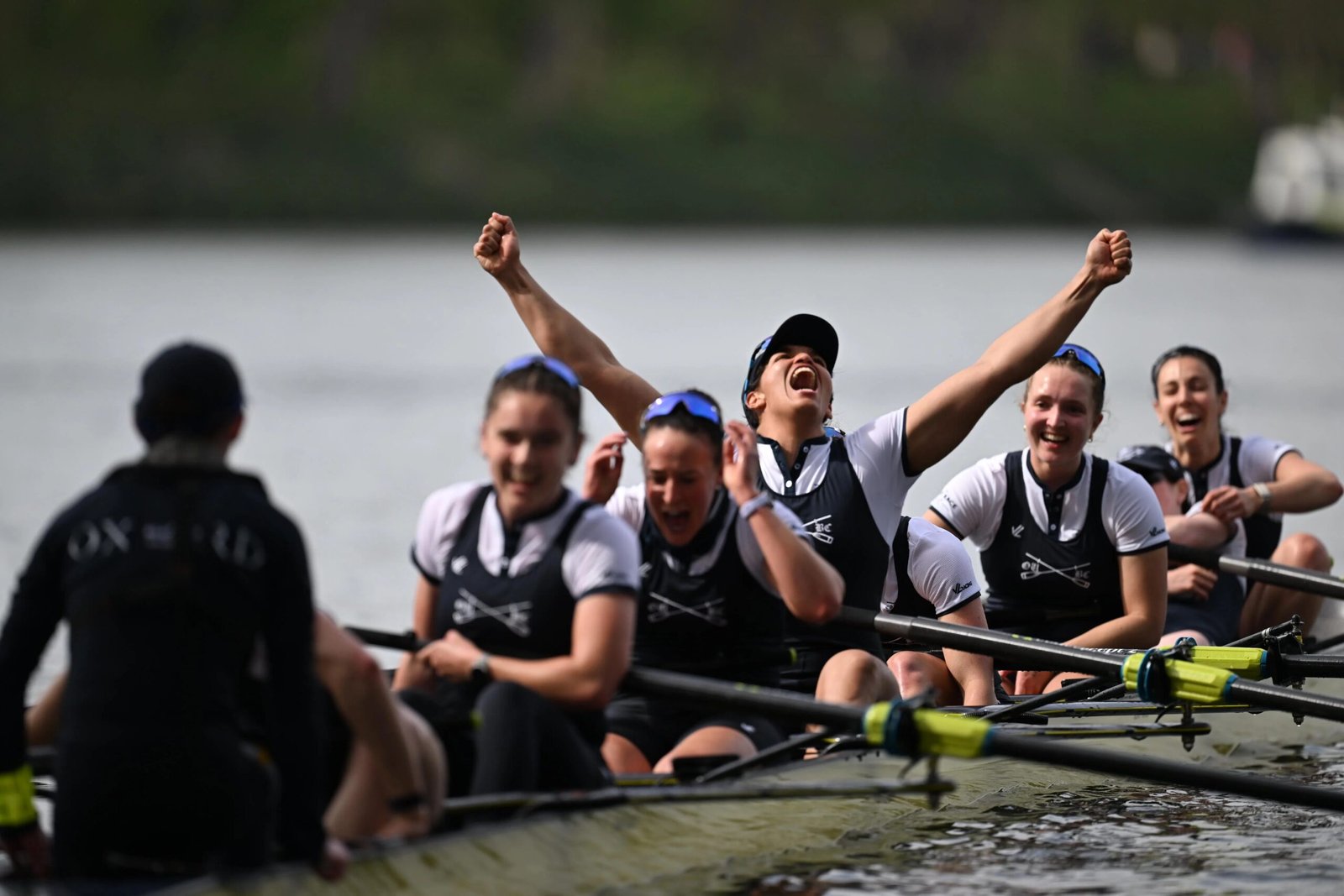
Nevertheless, Oxford’s women finished roughly ten seconds clear of Cambridge, marking the first time an Oxford blue boat has returned from the Thames with silverware in four years. Oxford thrashed the Thames with dominance as commentators proclaimed their victory, avenging last year’s defeat. For crew members Sarah Marshall and Annie Anezakis, the statistics accompanying this victory must have been particularly felt: this was the first time they had sat in a winning boat in their four years of Boat Race competition.
Between the Women’s and Men’s first boat races, the Reserve crews – Osiris and Isis from Oxford, Blondie and Goldie for Cambridge – took to the water. These crews stand out for the number of their rowers who began rowing within the Oxbridge collegiate system, a testament to the importance of intercollegiate competition, the strength of both towns’ rowing traditions, and the depth of talent rowing for each university.
Despite spirited efforts from both Oxford crews, Blondie came across the finish a full nine lengths clear of Osiris, whilst Goldie walked away with the Men’s Reserve cup, putting a full 19 lengths on Isis. All crews confronted tricky conditions, with the tide turning over the course of the day and the wind whipping up waves that hammered at the sides of all the shells.
Finally, the Men’s Blue’s boat’s took to the water. From the start, this was clearly a different affair from last year, when Cambridge took an early lead and never showed any sign of losing it. Spectators were treated to brilliant side-by-side racing, with marshals repeatedly warning both crews to leave space for the other, or risk a clash.
Cambridge maintained a narrow lead, but for the first half of the race, Oxford refused to let their rivals put clear water between them, sitting squarely on Cambridge’s stern. This contest was possible due to Oxford maintaining a higher rate – taking more strokes per minute – than Cambridge. The light blues appeared instead to focus on clean, powerful rowing. At last, Oxford’s high rate saw the men befall the same fate as Cambridge’s women had just an hour earlier, tiring after the first half of the race and allowing the gap they had established between their opponents to stretch away from them: with a three and a half lengths lead, Cambridge crossed the line to secure a fourth straight victory in the men’s race.
Cantabridgians in the crowd were understandably jubilant at the victories their crews continue to walk away with. Yet, Oxonians did not leave the banks of the Thames crestfallen. Instead, the air was full of respect as the rivals acknowledged the results as an accurate reflection of the current capabilities of both clubs. A mixture of joy and relief was felt, for Oxford had walked away with at least one of the main trophies.
Cambridge University Boat Club continues to boast strong form, certainly. Oxford University Boat Club showed up on the Thames Saturday last to remind Cambridge that it can never be counted out of contention.
An historic sporting challenge
The stakes were high for Oxford going into this year’s annual boat race against Cambridge, who have proved dominant over much of the past decade.
A truly memorable and spirited contest on the river today. I could not be prouder of all our crews and coaches.
The University of Oxford’s Vice-Chancellor, Professor Irene Tracey CBE FRS FMedSci
An event harking back to 1829, this year marked the 171st men’s boat race, and the 80th women’s race. Since 2015, both races have been held on the same day and the same Championship Course. The 4.25-mile stretch of the river Thames is more than three times the distance of a standard Olympic rowing course, running through west London between Putney and Mortlake.
Oxford dominate the 80th women’s boat race
Olympic bronze medallist Heidi Long led the Oxford women’s crew as stroke, joined by fellow veteran rowers Annie Anezakis and Sarah Marshall who have rowed as Oxford blues three times previously. For the first time since 2004 the race featured a sibling rivalry, with Oxford rower Lilli Freischem going head-to-head against her sister Mia representing Cambridge.
Cambridge’s women won the coin toss and, in a departure from their previous year’s strategy, chose Surrey station, seeking the strategic advantage it would confer of being on the inside bend at Hammersmith Bridge.
But Oxford’s seasoned cox, Louis Corrigan, together with stroke Heidi Long, knew exactly how to respond. Seizing the opportunity of the calmest waters at the start of the course, they erupted from Middlesex station at great pace, stealing an early lead from Cambridge, and swiftly putting their rivals on the backfoot.
Both teams battled to take advantage of the fast-flowing central tidal waters, but three minutes into the race, Oxford were clear of the Cambridge boat, clocking 36 strokes per minute, with Long keeping up the ambitious pace for her crew.
Going into the first mile point, Cambridge trailed Oxford by 4.5 seconds. They raised their stroke rate to 38 per minute going under Hammersmith Bridge, determined to regain a leadership position going into the Hammersmith bend, but Oxford pulled clear and held the most efficient line.
Coming out of Surrey bend, strong winds clashed with the incoming tide, creating white-capped waves. Going into the eleventh minute, Cambridge’s cox set a bold route for his crew, using his local knowledge of the Thames to seek a more wind-sheltered route, sacrificing the faster-flowing tidal current in pursuit of flatter surface water. But Oxford responded defiantly, with cox Corrigan steering in front of the Cambridge boat and taking control of the inner path.
Oxford held the advantage approaching the three-quarter mark at Barnes Bridge. The rowers’ faces showed the tenacity required to keep Cambridge at bay. Turning into the final stretch, both crews faced a long slog against strong headwinds.
Having reduced Oxford’s lead to eight seconds, Cambridge launched another attack, crossing the river once again to take a tight inside line. But Oxford held their nerve, and sustained their unrelenting pace. Pulling three boat lengths clear of Cambridge they secured a decisive victory, ending a nine-year dry spell and reclaiming the trophy.
Cambridge claim victory in the men’s race
Cambridge were regarded as the favourites going into this year’s men’s race, having recently beaten the British and Dutch national eights in development team fixtures.
Oxford’s men chase Cambridge in the 2026 Boat Race. Image credit: The Boat Race
Winning the coin toss, Cambridge’s men similarly chose to start from Surrey station, forcing Oxford once again onto the less-favoured Middlesex launch.
With expectations high, Cambridge fired out of the blocks at 47 strokes per minute. But Oxford’s men responded in kind, defying expectations and keeping pace with their rivals.
The umpire called on both crews to hold their lines and avoid oar clashes as both crews chased the fast water. Oxford’s men held on tightly, trailing by just two seconds at the five-minute mark, and still in close pursuit of their rivals crossing the half-way point.
Going into the eleventh minute, the Cambridge crew successfully manoeuvred ahead of Oxford, consolidating their lead and going on to claim victory. Oxford’s crew kept Cambridge under pressure throughout, finishing less than four boat lengths behind. This marks the seventh win for Cambridge’s men out of the past eight Boat Races.
A globally-watched tradition
With an estimated 200,000 spectators watching from the banks of the river Thames, and millions of people viewing broadcasts around the world, the Oxford and Cambridge Boat Race is one of the most renowned and historic amateur sporting events.
The University of Oxford’s Vice-Chancellor, Professor Irene Tracey CBE FRS FMedSci, said, ‘A truly memorable and spirited contest on the river today. I could not be prouder of all our crews and coaches. It’s been a long time coming but how thrilling to see Oxford’s women securing an historic victory today – huge congratulations to one and all. The physical and mental grit on display today was so inspiring alongside the technical skill they showed in the face of ever-challenging river conditions. Thanks to all the supporters, and my warmest congratulations go also to the winning Cambridge crews and coaches.’
The records now stand as 89-81 in the favour of Cambridge Men and 49-31 in the favour of Cambridge Women.
Find out more about The Boat Race 2026.
See also: Men’s Boat Race results and Women’s Boat Race results.



-

 Oxford Events4 weeks ago
Michelin Guide Oxfordshire Restaurants – The Oxford Magazine
-

 Crime & Safety3 weeks ago
Oxford: ‘Next generation’ LimeBikes in city from today
-
 Jobs & Careers3 weeks ago
Explore our Careers
-

 Jobs & Careers3 weeks ago
Why Join Oxford | Oxford University Jobs
-
 Oxford Events3 weeks ago
Oxford News and Events, What’s on in Oxford, Exhibitions
-
 Jobs & Careers3 weeks ago
Internal Job Board for University vacancies
-

 Student Life3 weeks ago
The independent cinema battling Oriel College to stay open
-

 Oxford Events4 weeks ago
Pancake day recipes – Pancake day 2024