
Student Life
The Schwarzman Centre is a commercial venture, not a place of learning


The House of Medici, an Italian banking family, donated an enormous amount of their wealth to support the arts in the 15th century, from funding the construction of Saint Peter’s Basilica and Florence Cathedral to patronising some of the most famous Renaissance painters, like Botticelli and da Vinci. Their money indelibly shaped not just their contemporaries, but the groundwork of much of Western canonical art.
This might seem a rather lofty bar with which to judge the contribution of Stephen A Schwarzman. But, with Oxford University describing his donation as their single biggest “since the Renaissance”, it’s hard not to harken back to the civilisation-defining benevolence of the Medicis. Indeed, the CEO of the private equity firm Blackstone is estimated to have a net wealth of over $42bn, making him one of the 50 richest people on the planet – not a bad place from which to start a new era of Gilded Age-inspired philanthropy.
His donations to Oxford come to £185mn and have produced a new Centre for the Humanities – a single building in which seven faculties and two institutes come together, decked out with state-of-the-art music and theatre venues, a cinema, and exhibition spaces. The two-pronged vision is bold and enticing: an upgraded student experience and a way for the cloistered University to reach out to the public. The ‘Cultural Program’, launching in April 2026, offers an enormous range of exciting shows, giving Oxford a new artistic centre and locals a pleasant benefit from the University with which they (sometimes uneasily) co-inhabit the city.
The neat concept, however, has in practice led to conflict. Rather than the student and public elements exhibiting a complementary relationship, the commercial side of the venture has dominated, sidelining students and moving the Centre uncomfortably away from the core operations of the University.
Firstly, whilst the Centre is a substantial building (much of which operates at a subterranean level), its size fails to do justice to the huge number of faculties, students, and academics that it represents. This is evident in a number of ways: the faculties themselves, which circle the RadCam-inspired and proportioned Great Hall, are fairly small in size, and homogenous in design. Whilst a coloured kitchenette is a nice touch, the move for my own department (Philosophy) from the spacious and historic Georgian building on Woodstock Road to a few rooms on the second floor is quite hard to sell as an upgrade.
Similarly, the Humanities Library, though bigger than it perhaps first appears, fails to adequately compensate for the libraries it supersedes. Books have had to be moved offsite to fit, and the number of dedicated seats in the library itself is less than the previous capacity. There are more if you count the other available seats in the building – but with no sound regulations, they are hardly a substitute when you need to hammer out an essay. Losing books and study space, whilst not quite the fire of Alexandria, is still disappointing for what promises to be an exultation of the Humanities in an age of their belittlement.
It’s not just the library that is rammed: fewer large lecture rooms means that bookings are more competitive, introducing frictions into already-bureaucratised academic schedules. Indeed, many lectures remain in their old locations, and feel all-the-less pleasant for it. Making the bottom floor open to the public, whilst a charming way to potentially break down the town-gown divide, also necessarily means fewer seats for the students paying (at least) £9.5k a year for access.
The worst issue, though, is financial. Schwarzman’s historical donation was enough to construct the largest Passivhaus university building in Europe – but as a one-time gift, not enough to keep it maintained. This has made the finances shaky, to say the least. Faculties have been squeezed as they are forced to pay higher rents; money is taken away from students and used to fund a truncated space. Far from being a boon for neglected studies, the Centre looks to be urging the cold free-market logic along.
Even students lucky enough to be in the University are losing out. Prior to the Centre’s construction, a society of which I am a committee member could use our faculty’s multiple lecture rooms for free, with very little competition. Now, the task to get a room is Kafkaesque. After over 20 emails and multiple booking form requests, I was told that the society would be charged £200 an hour for use of the cinema to do a private film screening for our members. The attempt to charge an academic student society eye-watering amounts to use a room in their own faculty building exemplifies how the commercial imperative has vitiated student experience.
In an almost paradoxical way, what should have been a desperately-needed and generous contribution to the Humanities, and the wider University, has actually reinforced the sense that Humanities students are unwanted money-suckers. Not long after the opening of the Centre, the Life and Mind Building, which hosts the Departments of Experimental Psychology and Biology, also opened its doors. If you looked at both buildings without any context, you’d be hard-pressed to tell, based on size alone, which was the home of two departments, which the home of more than three times as many. Rather than facilitating interdisciplinary study, locking all the Humanities students into a cramped part of OX2 and charging them more for it looks like another act in the long history of shunning artists and thinkers. It might be time for the music students to start busking outside.
Student Life
Oxford University’s Nuffield Department of Primary Care launches International Advisory Board
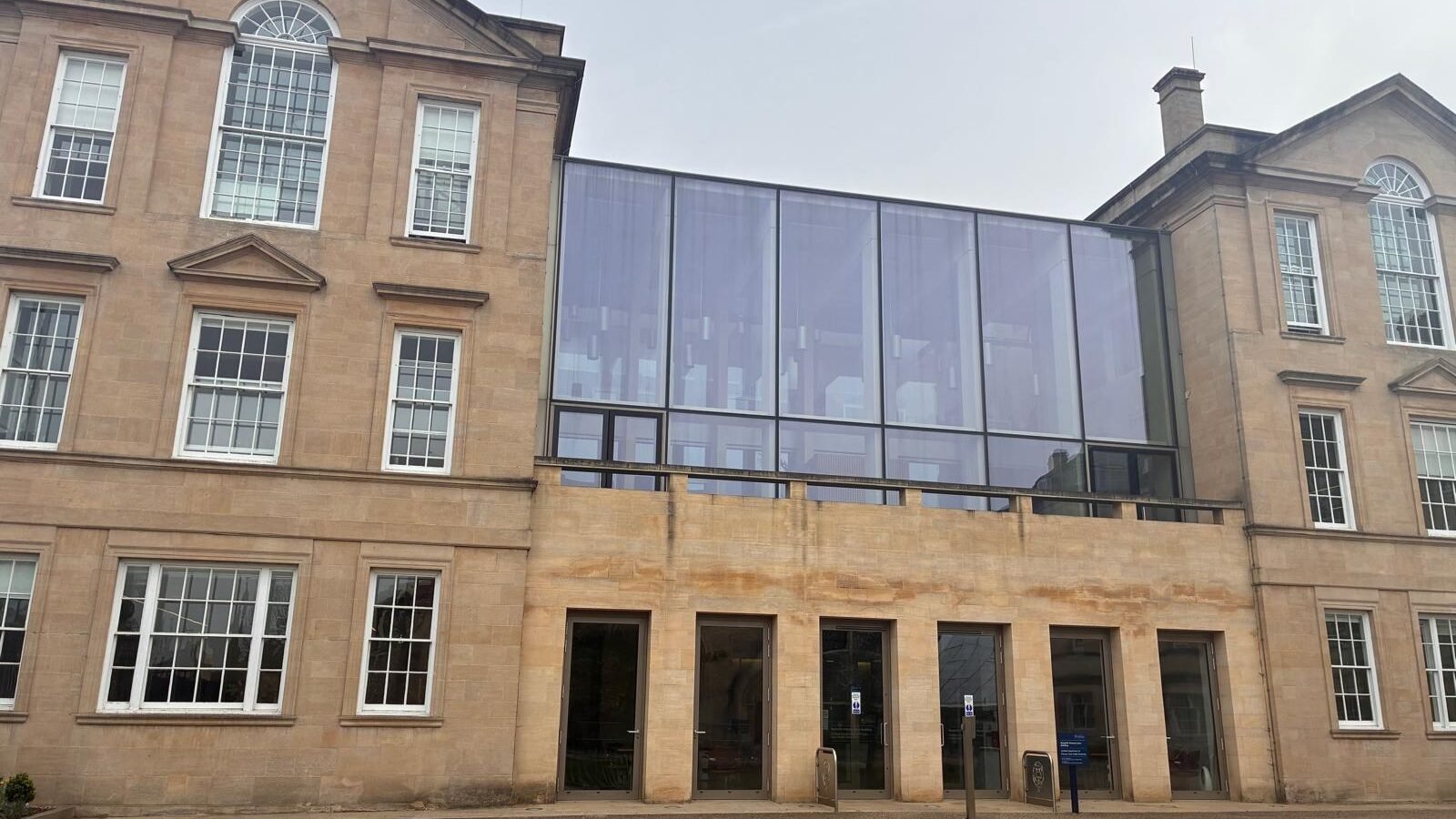
The Nuffield Department of Primary Care Health Sciences has recently announced a new International Advisory Board (IAB) to provide independent advice and international perspectives to support the Department’s Strategy 2025-2030.
The Nuffield Department of Primary Care Health Sciences is responsible for developments in academic primary care, with an emphasis on research and education. Established in 1997 with the appointment of Professor Godfrey Fowler OBE to a Personal Chair in General Practice, the department has since grown to contain more than 500 members of staff. It aims to deliver innovative approaches to primary health care both within the UK and internationally.
The IAB has been established to support the overarching goal of extending the Department’s innovation. Professor Sir Aziz Sheikh, Head of the Nuffield Department of Primary Care Health Sciences, told Cherwell: “Primary care and global health are changing rapidly, and we believe an independent, international perspective strengthens our ability to respond responsibly and effectively. Our International Advisory Board (IAB) has been established to operate as a ‘critical friend’ offering a constructive challenge at a key stage in our development.”
The Department’s Strategy 2025-2030 aims to shift health policy towards a community-based primary care approach, particularly for those living with long-term conditions such as diabetes, chronic respiratory problems, and mental health disorders. Personalised care in the form of personal health management is key to the Strategy’s goal of reducing health inequalities. An environmentally-friendly and sustainable model of care is equally important in the department’s strategy, with an emphasis on support from AI capabilities and digital infrastructure.
Professor Sheikh told Cherwell: “The world is transitioning to primary care-based models of healthcare as governments strive to achieve equitable universal health coverage. From parts of the world with more developed national health systems, it is now clear that primary care is often where pressures on health systems first appear. Drawing on experience across different countries and systems will help us anticipate trends earlier and align our research and education accordingly.
“The IAB’s role is advisory rather than operational, but it will help ensure our work remains relevant to practice and policy – globally. By providing independent scrutiny, we hope that they will support our aims of translating research into real improvements in care quality, equity, and health outcomes. We also hope that they will help provide important insights into key opportunities to enhance our educational offerings to our undergraduate and postgraduate students.”
The board of the IAB is chaired by Victor J. Dzau, President of the National Academy of Medicine. Members of the board include David Bates and Ajay Singh of Harvard Medical School; Jenny Harries, former Chief Executive of the UK Health Security Agency; Paul Little of the University of Southampton; and Mairi Gibbs, the CEO of Oxford University Innovation. The board will hold its first meeting in April 2026 and will meet regularly to provide strategic advice to the Department’s leadership.

The French-American actor Timothée Chalamet has been appointed Visiting Professor of the Arts for 2026-2027 at the University of Oxford. The Oscar-snubbed star of Marty Supreme (2025) and Call Me By Your Name (2017) was selected for the honour on the basis of his extensive patronage of the arts, most notably in the opera and ballet sectors.
Previous appointments to the honour of Visiting Professor at the University include Oscar-winning playwright and screenwriter Sir Tom Stoppard, acclaimed international human rights lawyer Amal Clooney, and children’s author Stephen Fry.
Chalamet is set to take up the position at the beginning of the next academic year. The actor, best known for his role in Christopher Nolan’s Interstellar (2014) and for his current status as Kylie Jenner’s boyfriend, is expected to deliver a lecture series during Michaelmas term 2026 titled ‘What is this earth without art? Just a rock’.
The appointment forms part of a larger move by the University to diversify the recipients of honorary positions. According to a representative of the appointing committee, Chalamet is not only the youngest person to be appointed Visiting Professor in the history of the University, but also the most unqualified yet. Similarly, the Faculty of English is currently in talks to award Jacob Elordi an honorary degree for his contribution to the understanding of feminist literature.
In preparation for his professorship, Chalamet had intended to spray paint the Radcliffe Camera “corroded orange” in the style of his iconic Marty Supreme marketing campaign. He has since abandoned these plans after discovering that the same feat has been attempted before.
Chalamet will return to Oxford this summer, having previously visited the city during the filming of the BAFTA-nominated musical fantasy film Wonka (2023). Cherwell understands that he plans to begin working on the film’s sequel during his tenure at Oxford.
The appointment has provoked mixed reactions across the University. One student told Cherwell: “I’ve lost count of the number of times I’ve watched him declare his love to Jo [in Little Women] or that one edit we’ve all seen of the dancing scene in Call Me by Your Name. It will be interesting to see whether he has anything worthwhile to say.”
The University has expressed hope that Chalamet will bring his breadth of artistic expertise to the position, including but not limited to his fluency in the French language, his lauded rapping career as ‘Lil Timmy Tim’, and his seven years of ping-pong playing experience.
Chalamet, Kylie Jenner, and EsDeeKid were all approached for comment.
Reporting by Beatrix Arnold.
April Fools!
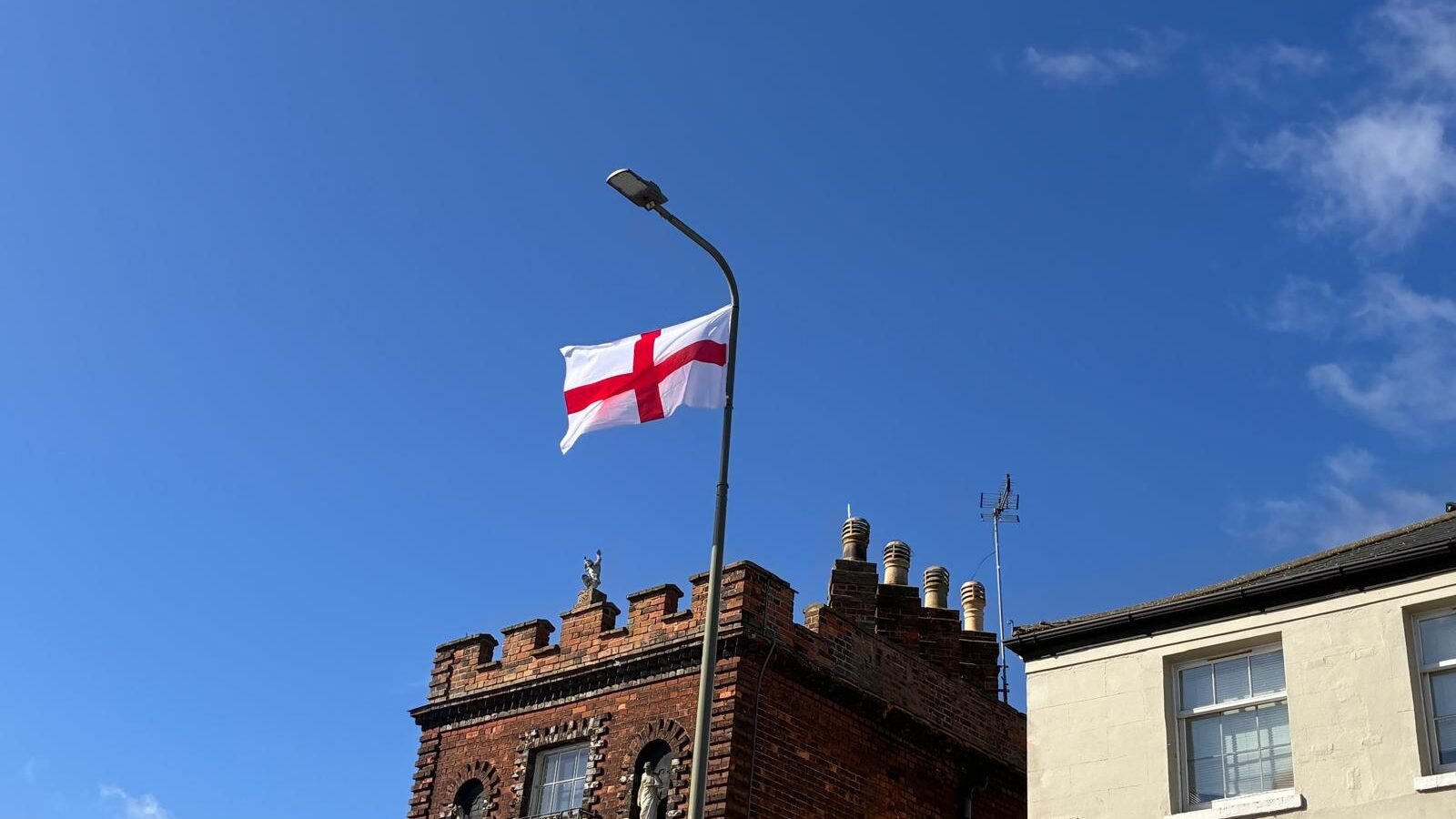
A group hanging St George’s Cross and Union Jack flags along Abingdon Road has prompted a police investigation, following reports of disruption and alleged intimidation.
The incident, which took place during rush hour, saw a group in high-vis jackets using a cherry picker to attach flags to light posts along the road. Residents reported concerns about obstruction, as well as what some described as confrontational or abusive behaviour.
Thames Valley Police has confirmed that it is investigating. In a statement issued on Saturday, the force said it was “aware of an incident that took place on the Abingdon Road… in relation to people raising flags on street furniture” and that enquiries are ongoing. Police added that “where criminal offences are identified, we will take appropriate and proportionate action”.
The group involved is understood to be part of the national movement, Raise the Colours, which has been responsible for similar activity elsewhere in Oxfordshire.
Oxfordshire County Council told Cherwell that it “recognise[s] the strength of feeling locally around this issue and the impact it’s having on our communities”. The council added that it supports the “residents’ right to display flags on their own property,” but warned that placing flags on or near highways can create “serious safety hazards”, including reduced visibility and increased risk of distraction for road users.
The council confirmed that its teams remove unauthorised flags “during routine maintenance or where they pose an immediate risk”. However, the council said staff carrying out this work had experienced “intimidating and threatening behaviour”, which it described as “completely unacceptable”. It added that it is working with the police to share evidence so that appropriate action can be taken.
The County Council has since issued a formal legal notice requiring the group to stop placing flags on or near highways without permission. The council warned that failure to comply could result in civil or criminal proceedings.
In a statement, Councillor Liz Leffman, Leader of the Council, said the “scale and persistence of this activity is affecting communities across Oxfordshire”. Whilst emphasising that the England and UK flags are “visible symbols of democracy and unity”, she described the group’s actions as “an act of intimidation and division that is having a real and damaging impact on our communities”.
Anneliese Dodds, MP for Oxford East, also criticised the incident. In a statement, she said that while individuals have the right to display flags at their own homes, “that is not what has happened here”, adding that those involved appeared to have “imposed themselves on the residents… and disrupted traffic in the rush hour”.
Dodds said reports of abusive behaviour “must obviously be investigated” and described the incident as “the opposite of activity to bring our community together”.
Raise the Colours was approached for comment.



-

 Crime & Safety2 weeks ago
Oxford: ‘Next generation’ LimeBikes in city from today
-

 Jobs & Careers2 weeks ago
Why Join Oxford | Oxford University Jobs
-
 Jobs & Careers2 weeks ago
Explore our Careers
-
 Oxford Events2 weeks ago
Oxford News and Events, What’s on in Oxford, Exhibitions
-

 Jobs & Careers2 weeks ago
Internal Job Board for University vacancies
-

 Student Life2 weeks ago
The independent cinema battling Oriel College to stay open
-

 Oxford Events3 weeks ago
Michelin Guide Oxfordshire Restaurants – The Oxford Magazine
-

 Crime & Safety2 weeks ago
Crash partially blocks A40 and causes severe Oxfordshire traffic