
UK News
Starmer says he is ‘fed up’ with Trump and Putin’s impact on UK energy costs | Politics


Keir Starmer has said he is “fed up” with the effect that Donald Trump’s actions in the Middle East are having on the British public, while appearing to draw a comparison between the US president to Vladimir Putin.
Speaking to ITV’s Robert Peston on Thursday, the prime minister said: “I’m fed up with the fact that families across the country see their bills go up and down on energy, businesses’ bills go up and down on energy because of the actions of Putin or Trump across the world.”
Starmer, who has been heavily criticised, and at times even mocked, by Trump for not committing British forces to the war on Iran, also appeared to condemn Benjamin Netanyahu for Israel’s continued strikes on Lebanon, despite Iran calling for Lebanon to be included in the ceasefire that was agreed on 7 April.
“That should stop – that’s my strong view – and therefore, the question isn’t a technical one of whether it’s a breach of the agreement or not,” Starmer said.
It came as Starmer and Trump spoke on Thursday about the need for a “practical plan” to get shipping going through the strait of Hormuz after the Middle East ceasefire.
A Downing Street spokesperson said: “The prime minister spoke to President Trump from Qatar this evening. “The prime minister set out his discussions with Gulf leaders and military planners in the region on the need to restore freedom of navigation in the strait of Hormuz, as well as the UK’s efforts to convene partners to agree a viable plan.
“They agreed that now there is a ceasefire in place and agreement to open the strait, we are at the next stage of finding a resolution. The leaders discussed the need for a practical plan to get shipping moving again as quickly as possible.”
Starmer also said that, while Britain did not have “access to all the details of the ceasefire”, he disagreed with the attacks on Lebanon, stating “let me be really clear about it – they’re wrong.”
Writing in the Guardian on Thursday, Starmer said he did not want Britain to be “a country where people are not at the mercy of events abroad”. He added that while the responses of previous governments to world events were to simply “manage the crisis, find a sticking plaster and then desperately try to reassert the status quo”, he promised that his government would do better, stating: “This time, it will be different. The war in Iran must now become a line in the sand, because how we emerge from this crisis will define all of us for a generation.”
The prime minister’s relationship with Britain’s allies has been noticeably strained since the US and Israel’s war with Iran began in late February, with Starmer and other European leaders being repeatedly chastised and belittled by Trump and other prominent members of his administration.
These have included sharing a video from the sketch show SNL UK in which Starmer is portrayed as being scared of Trump and trying to avoid his call, and stating that he is “no Winston Churchill” due to his perceived inaction in aiding the US.
Others on the receiving end of Trump’s ire include the French president, Emmanual Macron. Trump claimed Macron’s “wife treats him extremely badly” and even suggested that she hits him, claiming that Macron was “still recovering from the right to the jaw” when he spoke to him earlier in the month.
The Spanish prime minister, Pedro Sánchez, who has been outspoken in his disapproval of the war in Iran and the conflict in Gaza, has been one of Trump’s most vocal detractors. In response, the president has threatened to cut off all trade and suggested that if the US wanted to use Spain’s bases in the region, they would take them by force, stating: “If we want, we can just fly in and use it. Nobody is going to tell us not to use it.”
UK News
Hungary election campaigns enter final stretch as Orbán fights to remain in power – Europe live | Hungary
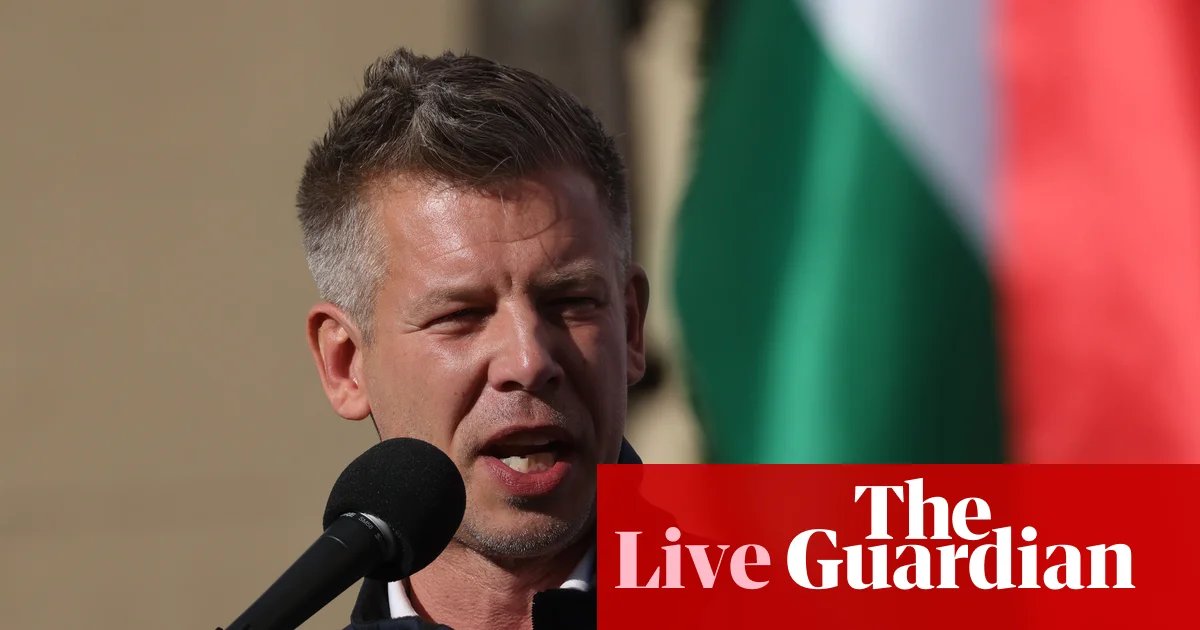
Morning opening: Helló Budapestről!

Jakub Krupa
in Budapest
Helló Budapestről!
Or, to those of you inexplicably less fluent in Hungarian: hello from Budapest!

It’s a beautiful if slightly chilly morning here in the Hungarian capital as we enter the final hours of the campaign before this Sunday’s parliamentary vote that could see the end of Viktor Orbán’s 16 years in power.
When you look at the polls, they are a bit all over the place – particularly depending on their, erm, affiliation and proximity to the ruling party – but all independent pollsters appear to suggest that Péter Magyar’s Tisza party is on course for victory on Sunday.
But there is plenty time before then, with a number of voters still undecided or not sure if they are even going to vote, despite the expected record turnout.
In his last rallies, Magyar warned his supporters against complacency, stressing the need to fight for every single vote and to get everyone to come out on Sunday.

Meanwhile, Orbán argued that “no election is decided until the people decide it,” and insisted he still expected a victory on Sunday.
Let’s see how it goes.
We will be bringing you updates from Budapest and beyond to get you a sense of what is the feeling on the ground in Hungary.
It’s Friday, 10 April 2026, it’s Jakub Krupa here, and this is Europe Live.
Good morning.
Key events
Orbán seeks to mobilise voters as he warns against change
Meanwhile, Viktor Orbán also issued a rallying cry to his supporters, lauding the achievements of his government over the last 16 years and warning them that a change of government would “threaten all we built together.”
In a Facebook video – which he trailed last night as particularly important – he repeated his usual allegations of interference and collusion with some foreign security services, claiming there was “an organised attempt to question the decision of the Hungarian people.”
“This is not the time for division, anger or hatred. Hungary needs cooperation, unity and security,” he argued.
But in perhaps a hint of vulnerability, he also directly asked voters to speak with “families, friends, and acquaintances” to tell them that “the stakes are high and change is dangerous.”
Fidesz’s attack posters with Zelenskyy are everywhere
Jakub Krupa
moving on Intercity 564 Tokaj train
One of the striking features of this campaign is how much Ukraine’s Volodymyr Zelenskyy features on Fidesz’s attack posters, alleging his association with the opposition’s Magyar and urging voters to “stop them”.
Okay, that picture isn’t great, so here’s a better shot:
They are plastered all over Budapest, and even en route to Hatvan now, I have seen just as many of them as those showing Viktor Orbán.
Ukraine has been a massive talking point throughout the campaign, with Orbán repeatedly using it to position himself as “the peace candidate,” ready to stop some alleged EU-Ukraine conspiracy to draw Hungary into conflict with Russia.
My colleague Ashifa Kassam, who is also in Budapest for the election, explained it well here – and this rhetoric has only got stronger since then.
Magyar’s campaign moves east of Budapest
Jakub Krupa
moving on Intercity 564 Tokaj train
Meanwhile, I have jumped on the Intercity Tokaj train to Hatvan, where the opposition leader Péter Magyar is expected around 1pm local time.
In 2022, Zsolt Szabó, the candidate from Viktor Orbán’s Fidesz party won here decisively with over 50% of the vote, so it’s not exactly a naturally friendly ground for the opposition forces.
But in recent days, his rallies gathered some impressive numbers, so it will be interesting what sort of reception he gets today.
As we get closer to the vote, his campaign moves eastwards towards Debrecen, Hungary’s second largest city, where he is due to finish campaign tomorrow evening.
MEPs raise alarm about possible Russian meddling in Hungary elections

Jennifer Rankin
in Brussels
The European Commission is being urged to investigate whether Hungary’s elections are being undermined by Russian manipulation, intimidation of journalists and voter coercion by the ruling party.
Three days before decisive parliamentary elections that threaten the 16-year grip on power of the prime minister, Viktor Orbán, a group of MEPs have written to the European Commission president, Ursula von der Leyen, and the commissioner responsible for the rule of law, Michael McGrath, calling for action.
The cross-party group want an urgent assessment “before and immediately after” polling day on whether the conditions for free and fair competition are being undermined by disinformation, foreign manipulation, state-resource misuse, intimidation of journalists and unlawful interference with opposition actors.
The appeal came as the European Commission demanded an urgent explanation from Budapest over a leaked recording that appeared to show a further instance of the Hungarian foreign minister covertly helping his Russian counterpart.
Jakub Krupa
in Budapest
As you’re reading this Trump post, it’s probably worth keeping in mind that his VP, JD Vance, spent most of his time in Budapest fuming about the unacceptable foreign interference in the election and declaring it absolutely outrageous.
So, yeah. Make of that what you will.
‘Get out and vote for Viktor Orbán,’ Trump tells Hungarians
Overnight, the US president, Donald Trump, repeated his endorsement of Viktor Orbán ahead of the vote on Sunday, urging Hungarians to “get out and vote” for him and stressing he will be “with him all the way.”
Obviously, it’s not the first time Trump intervenes in this campaign, with the pair going back over a decade.
Earlier this week, the US vice-president JD Vance called him on his mobile while on stage speaking at a “day of Hungarian-American friendship” pre-election rally in Budapest, and Trump earlier also recorded a video endorsing the embattled Hungarian prime minister.
In today’s post on Truth Social, he said:
“Highly Respected Prime Minister of Hungary, Viktor Orbán, is a truly strong and powerful Leader, with a proven track record of delivering phenomenal results. He fights tirelessly for, and loves, his Great Country and People, just like I do for the United States of America. Viktor works hard to Protect Hungary, Grow the Economy, Create Jobs, Promote Trade, Stop Illegal Immigration, and Ensure LAW AND ORDER! Relations between Hungary and the United States have reached new heights of cooperation and spectacular achievement under my Administration, thanks largely to Prime Minister Orbán. I look forward to continuing working closely with him so that both of our Countries can further advance this tremendous path to SUCCESS and cooperation. I was proud to ENDORSE Viktor for Re-Election in 2022, and am honored to do so again.
Election Day is Sunday, April 12, 2026. Hungary: GET OUT AND VOTE FOR VIKTOR ORBÁN. He is a true friend, fighter, and WINNER, and has my Complete and Total Endorsement for Re-Election as Prime Minister of Hungary — VIKTOR ORBÁN WILL NEVER LET THE GREAT PEOPLE OF HUNGARY DOWN. I AM WITH HIM ALL THE WAY! President DONALD J. TRUMP”
Magyar voters are hopeful for change, but despite optimism he is seen as far from perfect candidate
Flora Garamvolgyi
in Budapest
We talked to a few Budapest residents this morning in the city centre at Jászai Mari Square.
Most of them were rushing to work, but still stopped to chat with us about the upcoming vote on Sunday, which seems to creep into every single conversation here lately – as they say, even at family dinners.
Some of them were not that keen on sharing the exact party they are going to vote for but every single one of them had strong opinions about the two main candidates: Hungary’s far-right prime minister Viktor Orbán, who has been in power for 16 years and Péter Magyar, a young(ish) centre-right figure who emerged from Fidesz circles and turned against the party a year ago.
Talking to people, we got the sense that despite Magyar leading the polls, he is not necessarily seen as the “perfect candidate,” but rather a protest vote against Orbán.
People who are planning to vote for him are hopeful about the vote on Sunday and predict a clear win for Magyar, who has the highest chance so far to put an end to Orbán’s reign.
But we also met a surprisingly high number of Fidesz supporters in the capital who resonated with the ruling party’s message: Sunday is about choosing “between war and peace”. One Fidesz voter called the opposition candidate a “narcissist”; others said they are satisfied with how Orbán supports ethnic Hungarians in the neighbouring countries.
Morning opening: Helló Budapestről!
Jakub Krupa
in Budapest
Helló Budapestről!
Or, to those of you inexplicably less fluent in Hungarian: hello from Budapest!
It’s a beautiful if slightly chilly morning here in the Hungarian capital as we enter the final hours of the campaign before this Sunday’s parliamentary vote that could see the end of Viktor Orbán’s 16 years in power.
When you look at the polls, they are a bit all over the place – particularly depending on their, erm, affiliation and proximity to the ruling party – but all independent pollsters appear to suggest that Péter Magyar’s Tisza party is on course for victory on Sunday.
But there is plenty time before then, with a number of voters still undecided or not sure if they are even going to vote, despite the expected record turnout.
In his last rallies, Magyar warned his supporters against complacency, stressing the need to fight for every single vote and to get everyone to come out on Sunday.
Meanwhile, Orbán argued that “no election is decided until the people decide it,” and insisted he still expected a victory on Sunday.
Let’s see how it goes.
We will be bringing you updates from Budapest and beyond to get you a sense of what is the feeling on the ground in Hungary.
It’s Friday, 10 April 2026, it’s Jakub Krupa here, and this is Europe Live.
Good morning.
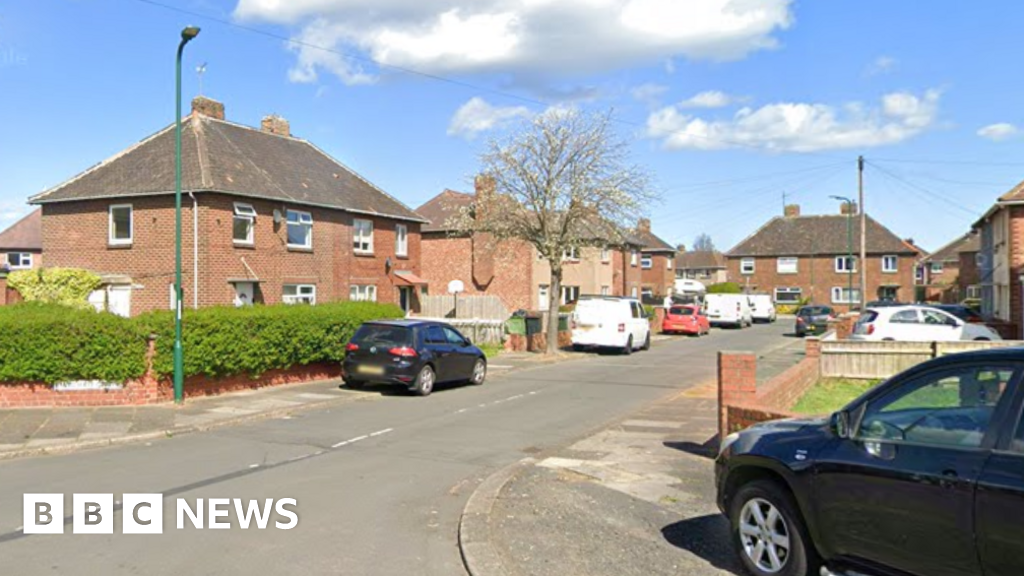
Police are at the scene in Dormanstown, where a child died and a dog was destroyed.
Source link
Official rating
Every horse in training is giving an official rating by the handicapper based on the level that they run to. Fourteen of the past 16 winners have been rated 146+, with 13 of those between 146 and 160. I Am Maximus and Nick Rockett were rated 159 and 163 going into the past two editions so a higher mark may be a positive.
Runs since September
In the first seven runnings this decade, five winners had run six times since September, with the others having five and three outings.
That trend has settled down in the past 10 years, with the average being four runs. Noble Yeats had seven before his 2022 run, while five had been in three races.
No winner in the past 25 editions has run fewer than three times that season.
Trainer location
An English trainer last won the race in 2015, with an Irish trainer winning seven of the nine since. Scot Lucinda Russell has had two winners, though she has no runners this year.
Breeding
Of the 24 hours to win the race this century, 18 were Irish-bred, four were French-bred and two British-bred.
Finish last time out
Of the past 25 winners, 11 have finished in the top two of their previous run.
Six of the past eight winners also won their previous race, though Noble Yeats was ninth and Minella Times pulled up.
Four of the six winners before that had finished in the top four too, so the trends suggest form is a factor.
Career falls
Every winner this century except Auroras Encore had two or fewer falls in their career prior to the race.
In the past decade, Minella Times is the only horse to have fallen in their career and won the Grand National.
Won over three miles or more
Twenty one of the 24 different horses to have won this century have all registered at least one career win over three or more miles before winning the National.
Eighteen of them have won more than two races over that trip, though two of the past five aren’t included in that group.
Days since last run
The average break between runs for the past 10 winners is just over 41 days, with a range of 24-84 days.
If you take out the two highest and lowest, you’re left with a gap of 36 days.


Hungary election campaigns enter final stretch as Orbán fights to remain in power – Europe live | Hungary

Oxfordshire car boot sale cancelled ‘until further notice’

Hammer launches AI Works programme for channel partners
-

 Oxford Events4 weeks ago
Michelin Guide Oxfordshire Restaurants – The Oxford Magazine
-
 Oxford News3 weeks ago
Gary Lineker’s nephew-in-law death inquest to be next week
-
 Oxford News4 weeks ago
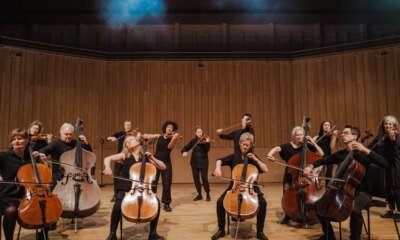
Schwarzman Centre to open doors to public with major celebration
-

 Crime & Safety3 weeks ago
Oxford: ‘Next generation’ LimeBikes in city from today
-
 Jobs & Careers3 weeks ago
Explore our Careers
-
 Student Life3 weeks ago
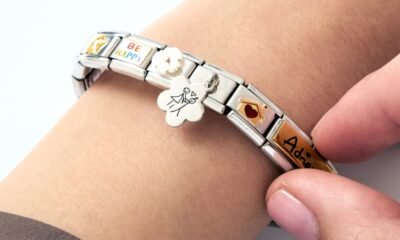
The Art of Personalised Jewellery: Why Engraved Bracelets Are the Ultimate Keepsake
-

 Crime & Safety3 weeks ago
Wiltshire 12-year-old girl with Oxfordshire links missing
-

 Jobs & Careers3 weeks ago
Why Join Oxford | Oxford University Jobs