
Student Life
Shedding selves, one term at a time

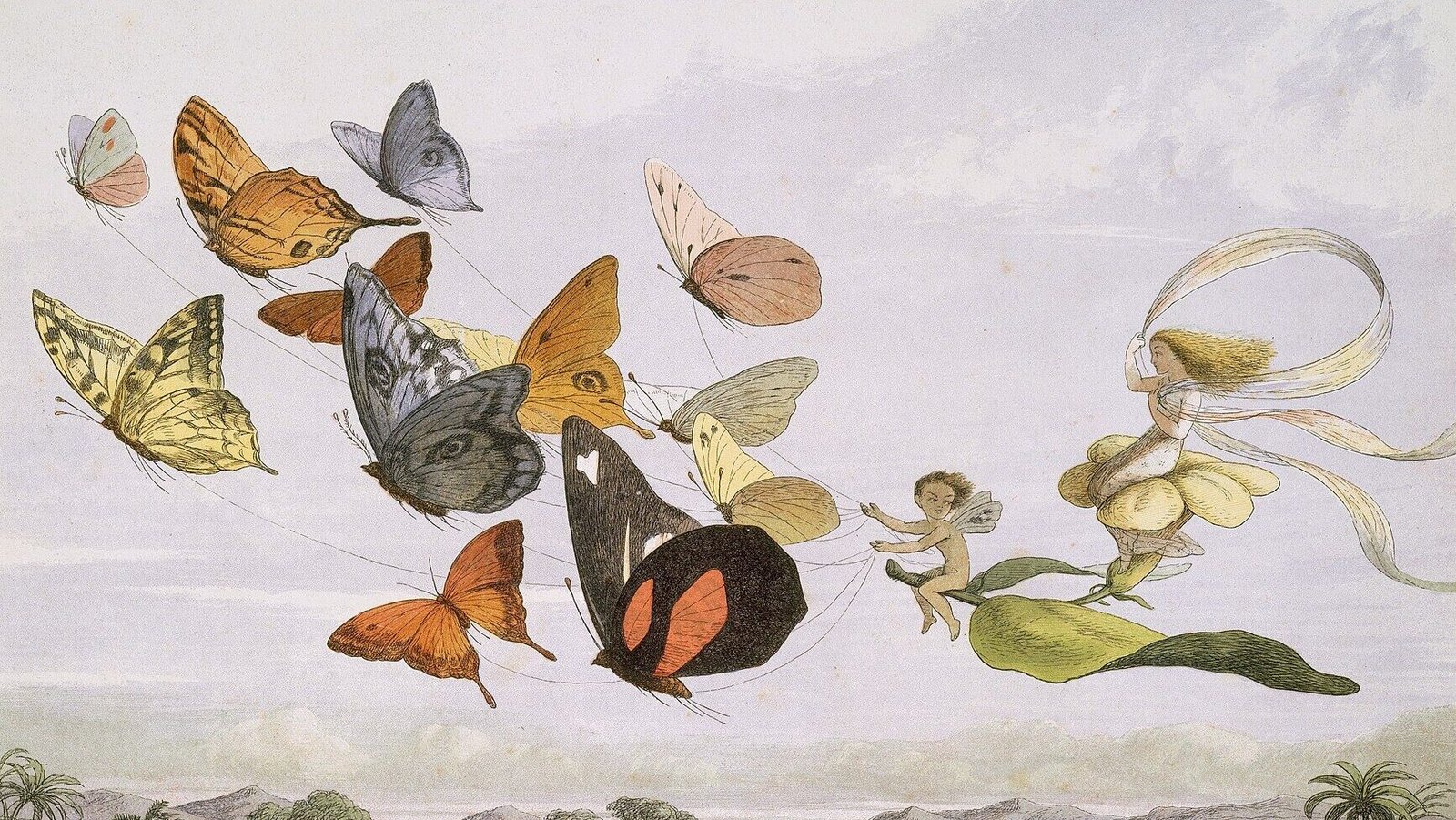
A week after returning from visiting my friend studying in Reims, a charming city in the Champagne region of France, I sent her a text: “I miss your friends.” I had known them for three days, an embarrassingly short time to claim such an attachment. And yet, there I was, staring at a reading list with an inexplicable nostalgia for people I barely knew. I missed a flat I’d visited a handful of times and the Thursday tradition at Saint Maurice bar I’d borrowed for one evening. Stranger still, I missed a person: a slightly louder, more spontaneous, French-phrase-attempting version of myself who stayed behind in France, and neglected to board the Eurostar home.
My friend was amused by my sentimentality for a city she had lately associated with mid-term preparation. Seeing Reims through my eyes, she told me, had reminded her to appreciate it. For three days, I inhabited the most romanticised version of her ordinary life. No deadlines, laundry, or the type of mundane grievances that inevitably accumulate, even in the loveliest of places. But I realised that, just as my visit had briefly changed her relationship with the city, it had changed mine with myself. I missed being me there as much as I missed being there.
I think William James would have understood my text. In Principles of Psychology, he argued that a person has “as many social selves as there are individuals who recognise him”. This, he suggested, is just how selfhood works: we step into a different version of ourselves with each group that knows us, each a partial expression of who we are. Susan M. Andersen and Serena Chen’s concept of the ‘relational self’ suggests we carry mental models of the people close to us that shift how we behave when they’re around. This isn’t necessarily dishonesty or performance. Some people make you funnier, others more thoughtful, others capable of talking to strangers in broken French. It might take leaving their company to notice how much of ourselves they brought out, for better or for worse.
University, it turns out, is an extraordinarily efficient machine for manufacturing these selves, and Oxford seems particularly fertile ground for it. There is the college self, who you become when you queue for the dining hall, do your laundry, and collect parcels from the porter’s lodge. There is the tutorial self, who says things like “encapsulates” with an ease that is rarely demonstrated outside oak-pannelled rooms lined with books. There is the rowing self, the library self, the Spoons self, and, in due course, the home self.
Each belongs to a slightly different world, sustained by the company in which it exists. People often talk about Oxford’s sense of identity as a single, unified, aesthetic experience: bookish students moving through spires and candlelit libraries. In reality, however, the selves we occupy come from the many intense, smaller components of our lives. We belong to so many different places and people that leaving any one of them behind can feel like leaving something of ourselves behind too.
I find this most apparent in Michaelmas. I’m sure I’m not alone in wanting it to promise a fresh beginning: a better work ethic, a more packed social calendar, a newfound commitment to attending lectures, and maybe, just maybe, a sustainable sleep schedule. Social media only adds to the feeling. As I scroll, the instructions to begin a ‘winter arc’ seep into my subconscious. Reinvention in October is a trend as old as TikTok, and it feels almost compulsory. New wardrobes, timetables, and fresh seasonal coffee options offer us every opportunity, and every pressure, to become a slightly improved version of ourselves.
This year, the transition felt even more abrupt. I had only just returned from France when noughth week demanded an entirely different version of me. Suddenly, I was no longer babbling rusty GCSE French over drinks, but a second-year student, expected to have acquired some wisdom, academic discipline, and general competence over summer. I was caught between affection for the self I’d left behind, and anticipation of the one I might become.
Yet, what might offer some comfort is how quickly this new self begins to feel ordinary. By fifth week, some novelty has worn off, and your routines may have settled. You know when Michaelmas-you wakes up, where they like to study, and which newly familiar faces they’ll encounter on the way there. We develop our own small geography each term, and soon enough it’ll become second nature for a short time.
This can make Michaelmas bittersweet. Autumn is conventionally associated with endings, retreating indoors, hibernating. Yet at university, it is the season in which so much begins. New friendships form under trees already shedding their golden leaves, and new routes back from the library will become familiar as the daylight disappears and tries to draw you home. We spend October becoming people that we get to know only in November, before December arrives to take them away.
Because then it all reverses. Eight weeks on, even more weeks off, and the communities we’ve assembled scatter across the country and the world.
So, somewhere between college Christmas dinner and packing a suitcase in a freezing room, the person you’ve spent Michaelmas becoming begins to slip into the past. Perhaps it’s only in January, scrolling through your carefully curated end-of-term Instagram dump, that you realise how attached you’d become to October-to-December-you.
We have plenty of language for missing people and places, but less for missing the person we were in their company.
The odd thing is that, come Hilary, I’ll probably return to many of the same people and places, and become a slightly different person all over again. For all my attempts to make a fresh start, I was equally determined to mourn my last self. Maybe that’s the real Michaelmas tradition: spending eight weeks reinventing ourselves, then the vacation looking back at who we became.
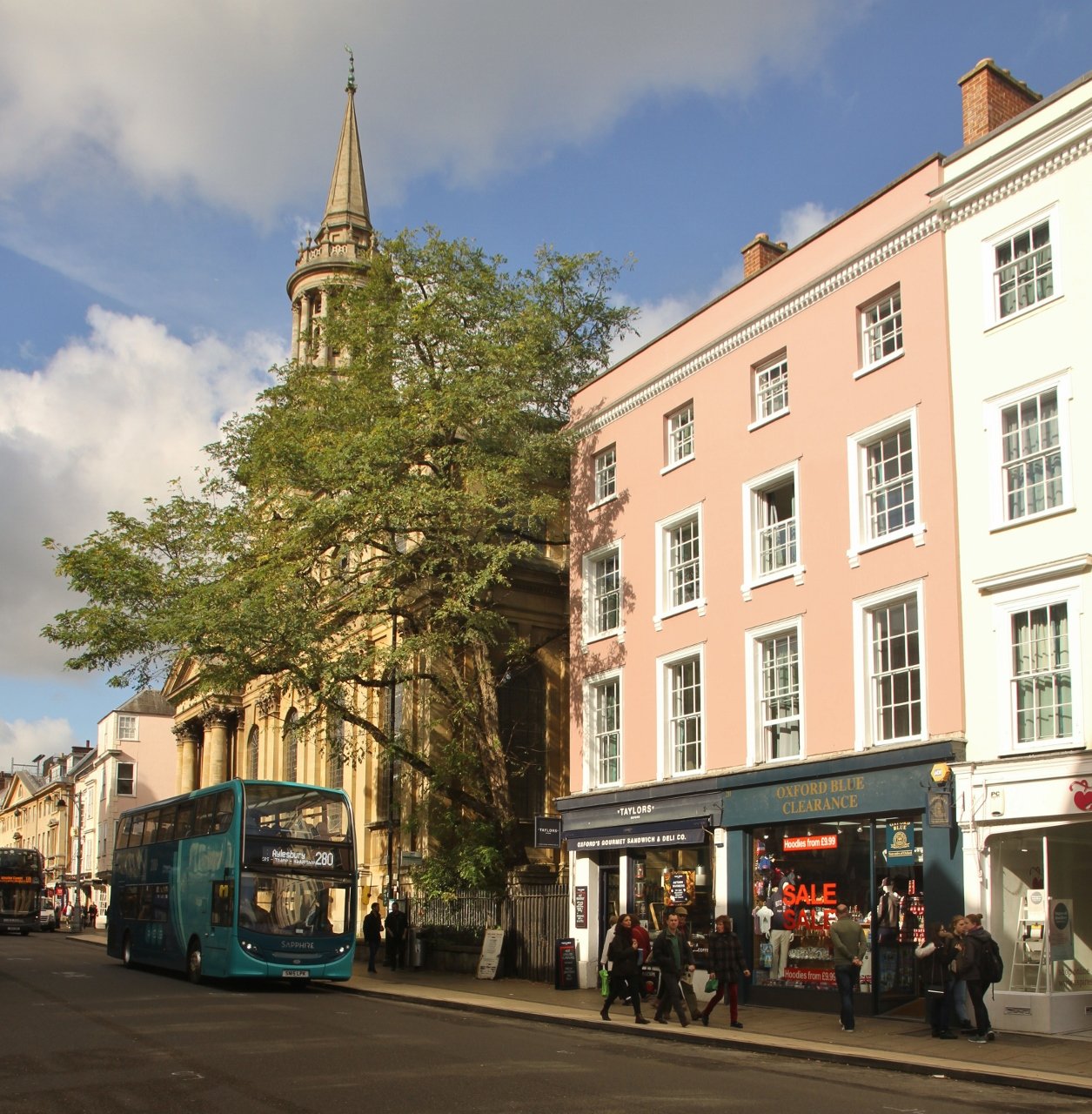
All Souls, Brasenose, Lincoln, and Oriel are working together to revitalise Oxford’s historic Market Quarter, with a particular focus on encouraging independent businesses.
The quarter makes up much of the city’s centre, including Turl Street, High Street, and King Edward Street. All four colleges own properties in the area, many of which are occupied by small businesses. Alongside restoring and redeveloping specific properties, the project is also designed to promote greater collaboration between businesses and the colleges. The colleges have launched a website to boost footfall, and also plan to hold events in the future. Lincoln is already paying for extra cleaning on Turl Street and working on improving lighting.
Many of the colleges have historic connections to businesses in the area. Lincoln, for example, has owned the Mitre Inn, now occupied by Gusto Italian, since 1475. Today, more than 40 cafés, shops, and restaurants sit on property owned by the four colleges. The colleges hope that their long-term approach to managing their properties will help give independent retailers the confidence to settle in the area.
In a joint statement to Cherwell, the colleges said that they plan to work with existing businesses to “build on what makes this part of Oxford distinctive”. They hope the investment will improve the experience of students, residents, and tourists who use the streets by encouraging “a strong mix of independent and specialist retailers, alongside interesting places to eat and drink”. The colleges have decided to work together on this project so they can “develop a particular feel to the area” and provide “a distinctive and attractive shopping and leisure experience”, compared with destinations like Westgate, which focuses on national brands.
Shepherd and Woodward on Turl Street agreed, telling Cherwell: “Whilst we recognise that there is a demand for T-shirts and memorabilia, Oxford would be a less attractive area if every shop sold tourist goods or Harry Potter goods.”
Students also stand to benefit from the income generated by this investment. The rent businesses pay helps subsidise student accommodation – often in the flats above – as well as tuition and financial support, which at Lincoln amounts to £1.8 million annually.
Cherwell spoke to several local businesses, many of whom expressed gratitude for the support offered by the colleges. This includes Vaults and Garden, a cafe now located on King Edward Street, which faced a prolonged legal battle over their previous location in Radcliffe Square. The cafe owner, William Pouget, told Cherwell that Oriel’s support has “really mattered” when the businesses faced “unprecedented difficulties”. “In my experience,” he added, “Oxford colleges are understanding, compassionate and responsible landlords who take their ethical obligations seriously”.
Missing Bean, a cafe on Turl Street, also emphasised the “good relationship” they have with Lincoln. Ori Halup, Co-Founder and Director of Missing Bean, told Cherwell: “The colleges can play a big part through their investment and the businesses they bring into their properties.” The business hopes the college’s investment will lead to expanded outdoor seating and a curation of “a thoughtful mix” of shops, restaurants, and cafés.
For some local businesses, this town-and-gown partnership is relatively recent. All Souls only purchased its High Street properties in 2020. The College plans to restore the historic shopfronts and create space above for seminar rooms and offices. A spokesperson for All Souls told Cherwell: “We believe that the project will be very much to the benefit of the Market and city centre generally, as well as to the academic mission of the College.”
According to plans displayed on their website, the project is also designed to help preserve the “historic features of the buildings… wherever possible, including early stonework, roof timbers and historic ceilings.”
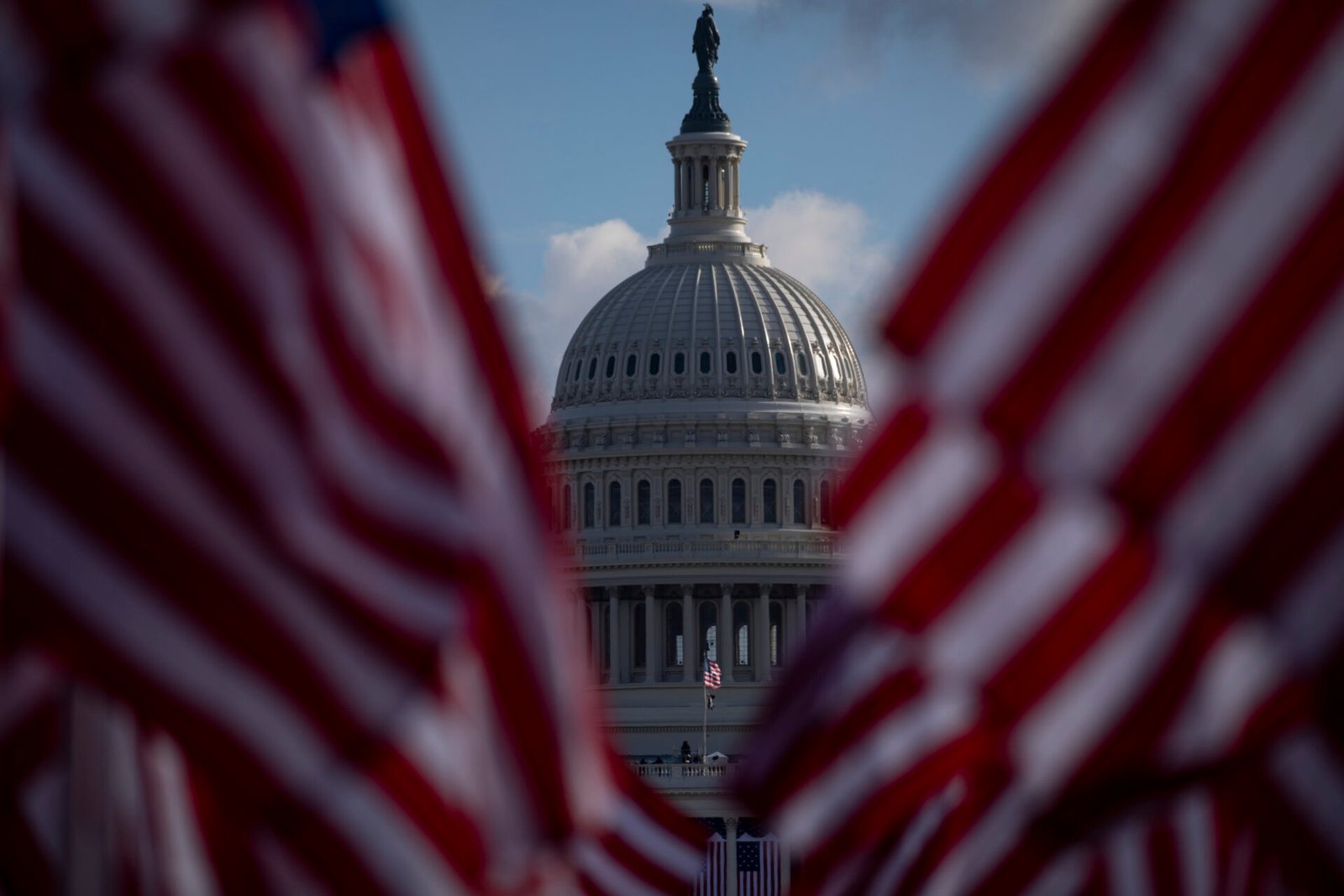
Given its intense media coverage and everything that seems to be on the line, I feel as though I have been anxiously awaiting the results of the 2026 US midterm elections for weeks, months – maybe years. Having lived in Central America in the lead-up to the 2024 presidential elections, I had become utterly disillusioned with the idea that shared identity could ever guarantee political solidarity. I had watched people around me sport MAGA hats and post AI-enhanced pictures of Donald Trump as Jesus on their Instagram stories; people with skin like mine, who spoke English with an accent (or not at all), people who joined me in holding up the passport queue at the Houston border. It made my stomach turn to think that the win had been secured with the help of people I considered my kin and, no matter what they had been led to believe, people I knew Washington would quickly alienate if they were to ever step out of line. The horrific acceleration of ICE activities across the country, but particularly around the Mexican border, had been a predictable, but nonetheless more upsetting development under the current administration. So, despite Zohran Mamdani’s landmark win in New York (which I saw announced in an A&E waiting room in Oxford at 2am, heart beating out of my chest unrelated to any medical issues), I did not have high hopes coming into the midterms.
My political pessimism, however, has not extended to my taste in literature. I don’t know how many of my coursemates would admit this, but my decision to study English was partly propelled by my love of young adult (YA) literature. If I ever find the time in between reading lists, I am most likely to be found with my nose buried in some trashy Harry Potter fanfiction with the names changed for copyright purposes. I enjoy unadulterated fluff. I yearn for inconceivable happy endings. I don’t want realism in my YA – I want happiness against all odds, and refractory periods that bend the rules of biology. As such, Casey McQuiston’s 2019 novel Red, White & Royal Blue, with its queer romance and almost aggressively optimistic vision of American politics, has been my comfort read for many years.
For the uninitiated, Red, White, & Royal Blue tells the story of Alex Claremont-Diaz, son of the US president, and Prince Henry George Edward James Fox-Mountchristen-Windsor (average Oxonian number of middle names), fourth in line to the British throne. Despite long-standing animosity, after an incident that could threaten the president’s re-election campaign, Alex and Henry are forced into a PR friendship that soon unravels into something more. The enemies-to-lovers façade is shattered, as the two come to realise they have loved each other all along. The fictitious stakes for their relationship are very high – Alex doesn’t want to put his mother’s career at risk, and Henry fears being estranged from his family. However, the story is sold on its lack of realism: though it’s impossible not to invest in Alex and Henry’s relationship, just a quick scan of the list of characters tells you that something like this could never happen, so it’s easy to infer that everything will work out in the end. Alex is half-Latino, and his mother Ellen is the first female president in US history. She is a divorced, middle-aged woman, and the Democratic candidate from Texas. She has one trans and one pansexual Secret Service agent on her security detail. One of her closest allies is Rafael Luna, an openly gay, Latino senator from Colorado. Henry’s older sister is a recovering cocaine addict. McQuiston imagines a true woke-gone-wild, blue-hair-and-pronouns takeover. In the book’s final chapter, Ellen wins her re-election. Her home state, Texas, is the last to be called: “Texas is grey for five more seconds, before flooding beautiful, beautiful, unmistakable, Lake LBJ blue.” It is utter nonsense, and the only conceivable end to a narrative filled with things going right at the last second for the most unexpected people.
The Venn diagram for literary scholars and queer activists overlaps when it comes to tangible prejudice against gay pop-lit. It’s not entirely uncalled for; there is a concern that people write about a community they aren’t part of in ways that don’t adequately depict queer lived experiences or aren’t conducive to relatability for those peering in from outside the bubble. The medium seems too flat to convey the varied lives of people within the community without making caricatures out of them. I sympathise – it is difficult not to perceive stories like Red, White, & Royal Blue as indulgent and mocking, particularly at a time when it feels like stereotypes are being used to demonise and legislate against us. But I also think there is value in shameless positivity and, much like mainstream music, I charge the elites to approach the corny YA novel poptimistically. To turn a blind eye to the suffering we have long endured would be a disservice to the progress we have made in being unashamed of who we are and of the people we love, but part of that progress is also learning to be comfortable in the idea that we can be happy, in the same cheesy, tooth-rotting way as anyone else. We are not doing ourselves any favours by self-flagellating, and just as we shouldn’t be expected to justify our identities to anyone else, we also shouldn’t have to justify any fantastical romances we revel in to ourselves.
The Democratic platform for the midterms was built almost entirely in reaction to the decreasing quality of life under the Republican administration. Candidates emphasised the cost of living and claimed unaffordability to be a direct result of corruption in the White House. For once, it was almost impossible to claim what the right always does, which is that liberal candidates sideline economic issues in favour of trivial social problems that affect only a small minority of people. Still, the character list for Democratic wins in the midterms rivals the diversity of Red, White, & Royal Blue. Chris Pappas became the first openly gay man elected to the US Senate in New Hampshire; Abdul El-Sayed is the first Muslim man to win a seat in the US Senate in Michigan; Keisha Lance Bottoms, in Georgia, is the first Black woman governor of any US state. Hakeem Jeffries remains the frontrunner for Speaker of the House of Representatives, a position that is second in the presidential line of succession. And of course, as the prophecy of Red, White, & Royal Blue foretold, James Talarico won the Senate seat in Texas, flipping the state blue for the first time since 1988. We now live in a world where deep-South, Bible-belt Texas is being led by a man who five years ago claimed that God is nonbinary. “The Lometa Longshot and a long-awaited blue Texas.” Who would’ve thunk it.
So, despite her cartoonish faith that the good guys will always win, McQuiston has won this particular battle in the culture war. The ideological optimism that Red, White & Royal Blue upholds has been reaffirmed by real changes in the American political climate, and though there is still a long way to go and now is certainly not the time to relax our hold, I think that we have at least reminded ourselves that hope and solidarity go a long way. I’m embarrassed to say that I had forgotten. And if the next time you see me I’m reading a book with a bright pink cover, maybe you’ll hold off the ridicule for a couple of seconds longer.
Given its intense media coverage and everything that seems to be on the line, I feel as though I have been anxiously awaiting the results of the 2026 US midterm elections for weeks, months – maybe years. Having lived in Central America in the lead-up to the 2024 presidential elections, I had become utterly disillusioned with the idea that shared identity could ever guarantee political solidarity. I had watched people around me sport MAGA hats and post AI-enhanced pictures of Donald Trump as Jesus on their Instagram stories; people with skin like mine, who spoke English with an accent (or not at all), people who joined me in holding up the passport queue at the Houston border. It made my stomach turn to think that the win had been secured with the help of people I considered my kin and, no matter what they had been led to believe, people I knew would be quickly alienated by Washington if they were to ever step out of line. The horrific acceleration of ICE activities across the country, but particularly around the Mexican border, had been a predictable, but nonetheless more upsetting development under the current administration, knowing what I knew. So, despite Zohran Mamdani’s landmark win in New York (which I saw announced in an A&E waiting room in Oxford at 2 am, heart beating out of my chest unrelated to any medical issues), I did not have high hopes coming into the midterms.
My political pessimism, however, has not extended to my taste in literature. I don’t know how many of my coursemates would admit this, but my decision to study English was partly propelled by my love of Young Adult literature. If I ever find the time in between reading lists, I am most likely to be found with my nose buried in some trashy Harry Potter fanfiction with the names changed for copyright purposes. I enjoy unadulterated fluff. I yearn for inconceivable happy endings. I don’t want realism in my YA – I want happiness against all odds, and refractory periods that bend the rules of biology. As such, Casey McQuiston’s 2019 novel Red, White & Royal Blue, with its queer romance and almost aggressively optimistic vision of American politics, has been my comfort read for many years.
For the uninitiated, RW&RB tells the story of Alex Claremont-Diaz, son of the US President, and Prince Henry George Edward James Fox-Mountchristen-Windsor (average Oxonian number of middle names), fourth in line to the British throne. Despite long-standing animosity, after an incident that could threaten the president’s re-election campaign, Alex and Henry are forced into a PR friendship that soon unravels into something more. The enemies-to-lovers façade is shattered, as the two come to realise they have loved each other all along. The fictitious stakes for their relationship are very high – Alex doesn’t want to put his mother’s career at risk, and Henry fears being estranged from his family. However, the story is sold on its lack of realism: though it’s impossible not to invest in Alex and Henry’s relationship, just a quick scan of the list of characters tells you that something like this could never happen, so it’s easy to infer that everything will work out in the end. Alex is half-Latino, and his mother Ellen is the first female President in US history. She is a divorced, middle-aged woman, and the Democratic candidate from Texas. She has one trans and one pansexual Secret Service agent on her security detail. One of her closest allies is Rafael Luna, an openly gay, Latino senator from Colorado. Henry’s older sister is a recovering cocaine addict. McQuiston imagines a true woke-gone-wild, blue-hair-and-pronouns takeover. In the final chapter of the book, Ellen wins her re-election. Her home state, Texas, is the last to be called: “Texas is gray for five more seconds, before flooding beautiful, beautiful, unmistakable, Lake LBJ blue.” It is utter nonsense, and the only conceivable end to a narrative filled with things going right at the last second for the most unexpected people.
The Venn diagram for literary scholars and queer activists overlaps when it comes to tangible prejudice against gay pop-lit. It’s not entirely uncalled for; there is a concern that people are writing about a community they aren’t a part of, in a manner that doesn’t provide an adequate depiction of queer lived experiences or isn’t conducive to relatability for those peering in from outside the bubble. The medium seems too flat to convey the varied lives of people within the community without making caricatures out of them. I sympathise – it is difficult not to perceive stories like RW&RB as indulgent and mocking, particularly at a time when it feels like stereotypes are being used to demonise and legislate against us. But I also think there is value in shameless positivity and, much like mainstream music, I charge the elites to approach the corny YA novel poptimistically. To turn a blind eye to the suffering we have long endured would be a disservice to the progress we have made in being unashamed of who we are and of the people we love, but part of that progress is also learning to be comfortable in the idea that we can be happy, in the same cheesy, tooth-rotting way as anyone else. We are not doing ourselves any favours by self-flagellating, and in the same way that we shouldn’t be expected to justify our identities to anyone else, we also shouldn’t have to justify any fantastical romances we revel in to ourselves.
The Democratic platform for the midterms was built almost entirely in reaction to the decreasing quality of life under the Republican administration. Candidates emphasised the cost of living and claimed unaffordability to be a direct result of corruption in the White House. For once, it was almost impossible to claim what the right always does, which is that liberal candidates sideline economic issues in favour of trivial social problems that affect only a small minority of people. Despite this, the character list for Democratic wins in the midterms rivals the diversity of RW&RB. Chris Pappas became the first openly gay man elected to the US Senate in New Hampshire; Abdul El-Sayed is the first Muslim man to win a seat in the US Senate in Michigan; Keisha Bottoms, in Georgia, is the first Black female governor of any US state. Hakeem Jeffries remains the frontrunner for Speaker of the House of Representatives, a position that is second in the presidential line of succession. And of course, as the prophecy of RW&RB foretold, James Talarico won the Senate seat in Texas, flipping the state blue for the first time since 1988. We now live in a world where deep-South, Bible-belt Texas is being led by a man who five years ago claimed that God is nonbinary. “The Lometa Longshot and a long-awaited blue Texas.” Who would’ve thunk it.
So, despite her cartoonish faith that the good guys will always win, Casey McQuiston has won this particular battle in the culture war this time. The ideological optimism that Red, White & Royal Blue upholds has been reaffirmed by real changes in the American political climate, and though there is still a long way to go and now is certainly not the time to relax our hold, I think that we have at least reminded ourselves that hope and solidarity go a long way. I’m embarrassed to say that I had forgotten. And if the next time you see me I’m reading a book with a bright pink cover, maybe you’ll hold off the ridicule for a couple of seconds longer.



-

 Student Life4 weeks ago
From Oxford to Cambridge: The 204-mile punt for Alzheimer’s
-

 Oxford united FC4 weeks ago
Oxford United win 2-1 at Notts County in League One return
-
 Student Life4 weeks ago
Hidden in plain sight: the bakery behind Oxford’s café counters
-

 Property & Housing4 weeks ago
Plans developed for 12 affordable Blackbird Leys homes
-

 Property & Housing4 weeks ago
Blenheim displays new Oxfordshire scheme with show home
-

 Traffic & Transport4 weeks ago
Uber begins self-driving robotaxi trial in Manchester | Uber
-

 Oxford united FC3 weeks ago
Oxford United beat Wigan Athletic 2-1 in League One victory
-

 Oxford united FC3 weeks ago
Aaron Ramsey blasts Oxford United red card decisions in Mansfield draw