
Business & Technology
Why plain white radiators are disappearing from UK living rooms

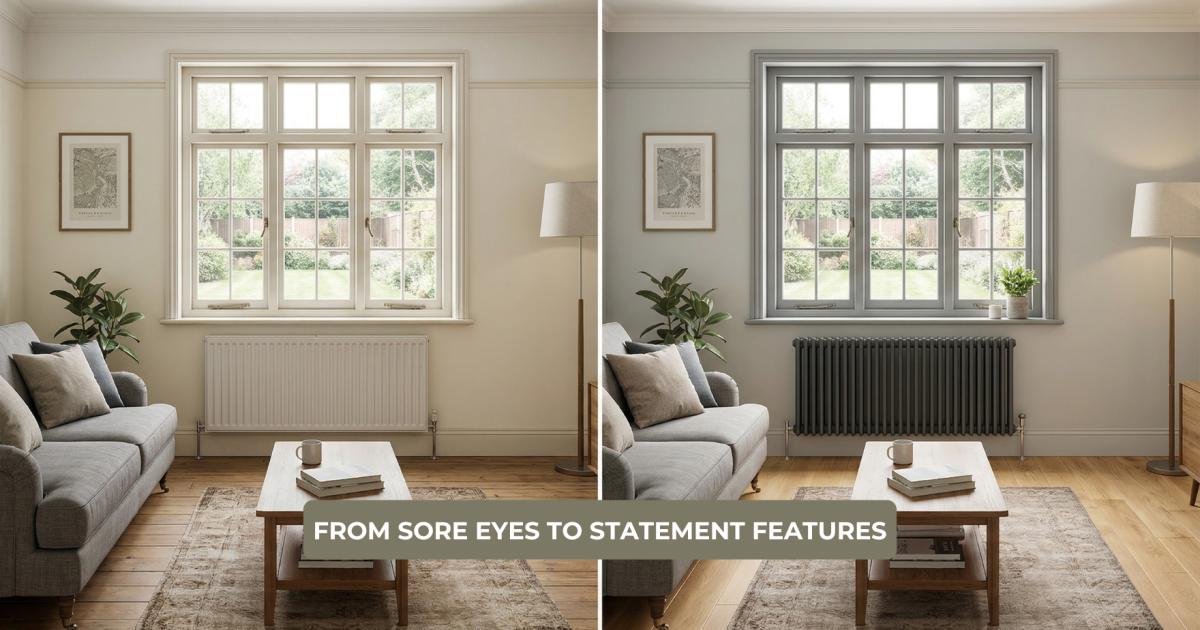
Across the UK, homeowners renovating their living spaces are increasingly choosing designer radiators that combine heating performance with visual appeal. With home improvement spending continuing to rise and interior design becoming more influential than ever, radiators are no longer something to hide. Instead, they are becoming a deliberate design feature.
From sleek vertical models to heritage-inspired column radiators, the modern heating market has evolved dramatically. In 2026, homeowners no longer need to choose between efficiency and aesthetics.
Why Designer Radiators Are Growing in Popularity
Several trends have contributed to the rise of designer radiators in UK homes.
One key factor is the growing number of homeowners renovating their properties rather than moving house. Living rooms often become the centrepiece of these renovations, which means every element of the room receives greater attention.
Open-plan living spaces have also played a role. When kitchens, dining areas and living rooms merge into one large room, radiators become far more visible. This has encouraged homeowners to choose models that complement their interior style.
Interior design trends have also had a major influence. Social media platforms, home renovation programmes and interior magazines regularly showcase stylish heating solutions, helping change the perception of radiators from purely practical objects into design features.
At the same time, modern radiator technology has improved significantly. Contemporary steel radiators heat up faster and work efficiently with modern heating systems, including heat pumps and smart thermostats.
Vertical Radiators: The Modern Statement Piece
Vertical designer radiators have become one of the most popular choices for living rooms.
Their tall, slim design allows them to fit neatly on narrow wall sections that would otherwise be unused. This makes them ideal for modern homes where wall space may be limited by large windows or furniture layouts.
Vertical column radiators are particularly popular because they combine modern efficiency with classic design. In contemporary interiors, finishes such as anthracite grey or matt black create a bold visual feature. In period homes, traditional column styles echo the appearance of original cast iron radiators while offering faster heat response.
For homeowners who prefer a cleaner, more understated aesthetic, flat panel designer radiators offer an elegant solution.
These radiators typically feature smooth front panels with slim profiles that sit close to the wall. Their simple lines work particularly well in modern apartments and Scandinavian-inspired interiors.
Many models are now available in textured finishes such as anthracite grey or raw metal, which add visual interest while maintaining a minimalist look.
Horizontal Radiators Remain a Practical Choice
Although vertical radiators are becoming more popular, horizontal radiators remain a practical option for many living rooms.
Positioning a radiator beneath a window helps counteract cold air entering through glazing. This layout continues to work well in homes with bay windows or traditional living room designs.
Today’s horizontal designer radiators are also far more visually appealing than older models. Smooth front panels, slim profiles and contemporary finishes mean they can contribute to the overall design of the room rather than simply serving a functional role.
Traditional Style Radiators for Period Properties
In older properties, traditional column radiators remain a natural fit.
Victorian terraces, Edwardian homes and stone cottages often benefit from heritage-style radiators that complement original architectural features. Modern versions replicate the classic cast iron appearance but use steel construction, which allows them to heat up more quickly and reduces installation weight.
These radiators pair well with fireplaces, wooden floors and traditional colour schemes, helping maintain the character of period living rooms.
Choosing the Right Finish
The finish of a radiator can have a significant impact on the overall appearance of a living room.
Among UK homeowners in 2026, some of the most popular finishes include:
- Anthracite grey, which works well with most interior styles
- Matt black for bold, contemporary spaces
- Gloss white for traditional or neutral interiors
- Metallic finishes such as raw metal, which are becoming more common in decorative interiors.
Choosing a finish that complements other elements in the room can help integrate the radiator into the overall design.
Performance Still Matters
While style has become more important, heating performance remains essential.
Designer radiators can heat a room just as effectively as traditional models when correctly sized. The most important factor is the BTU output, which indicates how much heat a radiator can produce.
Homeowners should calculate the heating requirement of their living room before selecting a radiator. Factors such as room size, insulation levels and ceiling height all influence the amount of heat required.
A Shift in How We View Home Heating
Radiators were once treated as purely functional household items. Today they are increasingly considered part of the interior design of a home.
Whether through bold vertical styles, heritage-inspired columns or sleek minimalist panels, designer radiators are helping transform living rooms across the UK.
As renovation trends continue and homeowners place greater emphasis on aesthetics, radiators are likely to play an even larger role in shaping the character of modern living spaces.
About The Radiator Hub
The Radiator Hub supplies modern and traditional designer radiators to homeowners and trade customers across the UK.

Blossom Pottery Cafe opened on Friday, August 14 at 18 South Bar, bringing a new artistic opportunity to coffee, tea and cake lovers in the town.
Opening the cafe was a long-standing dream of owner Wendy, who began pottery as a personal hobby and gradually developed the idea of creating a space where people of all ages can enjoy the peaceful pass time.

With every table full on opening weekend and dozens of beautiful pieces newly painted by guests, the owner said her ‘heart is so full’ to see the dream realised.
“So grateful to see so many of you coming to support us on our opening day,” she shared. “Thank you so much.”

Wendy earlier said: “We’re incredibly excited to be opening Blossom Pottery Studio & Café and bringing something new to Banbury.
“We hope it becomes a place where people can take a break from their busy lives, enjoy being creative, and make lasting memories with family and friends.

“The support we’ve received from the local community has been amazing, and we can’t wait to welcome everyone through our doors.”
As part of the grand opening, all customers who visited during the opening weekend or made a pottery painting booking within the next three months received a free cupcake from the cafe.
Blossom Pottery Cafe hosts family-friendly pottery painting sessions from 10am each day, with normal cafe opening hours 8am to 5pm.

Atos highlighted the views of three apprentices entering the technology industry, focusing on apprenticeships as a route into tech as artificial intelligence reshapes workplace skills.
All three work as First Line Service Desk Apprentices and described a jobs market in which technical knowledge alone is not enough. Alongside coding and troubleshooting, they said communication, customer service, problem-solving and adaptability have become central to early careers in IT.
Kyle Brady said he moved into an apprenticeship after studying physics, maths and computer science at A level, then spending time in temporary work, including as a forklift driver, while building his technical skills independently. The apprenticeship, he said, offered a way to gain workplace experience while continuing to learn.
His account points to a common hurdle for new entrants: gaining practical experience before securing a first role. Brady said that challenge shaped his view of what employers value in technology jobs.
“After completing my A levels in physics, maths and computer science, I knew I wanted a career in technology. I’ve always enjoyed solving problems and understanding how things work, but I found it difficult to get my foot in the door. I spent some time in temporary jobs, including as a forklift driver, while building my technical skills in my own time. When the opportunity to start an apprenticeship came along, it felt like the perfect way to gain real workplace experience while continuing to learn.
“One of the biggest things my apprenticeship has taught me is that a career in tech is about much more than technical knowledge. Working on the helpdesk has shown me how important communication, customer service and problem-solving are. Being the first point of contact for users has completely changed how I see the industry and helped me develop skills I never realised I’d need. The experience has also shown me how quickly technology is evolving, especially with AI becoming part of more workplaces. That means the ability to keep learning and adapting is becoming just as important as technical skills. My apprenticeship has helped me build that mindset while giving me hands-on experience with the realities of working in IT.
“It’s also opened up opportunities I wouldn’t have had otherwise. Learning about career paths in cybersecurity and data engineering has shown me the range of opportunities available and given me confidence about where my career could go next. I’d encourage anyone thinking about a career in technology to keep an open mind and not feel like university is the only route. Apprenticeships give you the chance to earn while you learn, develop practical skills from day one and build the confidence to adapt as technology continues to change. In an industry being transformed by AI, that real-world experience is invaluable,” Brady said.
Ryan Cresswell said he studied IT at college and games design at university before working in sales to strengthen his people skills. He later returned to technology, but said employers often wanted practical IT experience as well as qualifications.
His experience reflects a wider issue for people seeking entry-level technology roles. Employers often ask for evidence of workplace readiness even for junior positions, making apprenticeships one way to bridge the gap between education and employment.
“After studying IT at college and games design at university, I began working in sales to hone my people skills before returning to technology. One of the biggest challenges I faced while applying for jobs in tech was that employers liked my qualifications but wanted candidates with hands-on IT experience. That made it difficult to get my foot in the door.
“My apprenticeship has given me the opportunity to earn, learn and gain practical experience at the same time. It’s allowed me to develop my technical troubleshooting skills, but I’ve also learned a lot about communication, problem-solving and handling different types of people. My advice to anyone considering a career in tech is to explore the different paths available. In the past it felt like university was the only choice, but that’s no longer the case. Also, speak to people already working in the industry and stay curious. Apprenticeships are a great way to build skills, confidence and hands-on experience, whether working individually or in a team, while discovering what’s right for you. The most important thing is to keep learning and not be afraid to take a different path if the first one doesn’t work out,” Cresswell said.
Skills shift
Zainab Hussain said she chose an apprenticeship because it offered immediate workplace experience and a path into more senior roles without student debt. She said the role had helped her develop both technical and interpersonal skills, including troubleshooting problems and explaining complex concepts clearly.
Her comments underscore how apprenticeships are being framed by employers and trainees as an alternative to university for some digital roles. In this case, the appeal lies in earning while learning, building professional networks and gaining direct exposure to the daily demands of IT support.
“I’m naturally drawn to tech and have always been IT literate, so I knew it was the right path for me. It’s an industry that’s constantly evolving, and I wanted to be part of that. I chose an apprenticeship because it felt like the best way to gain real experience from day one, and it sets you up to move into higher roles faster than if you go to university. I also wanted to build a career in the industry without taking on student debt.
“My time at Atos so far has helped me develop both my soft and technical skills, such as how to troubleshoot problems and communicate complex concepts clearly. I’ve also had the chance to earn, learn and build my experience, all of which are helping prepare me for the next stage of my career. The apprenticeship path has given me valuable opportunities to network with co-workers from different career backgrounds and skill sets, which you wouldn’t get at uni. The workplace experience has been incredibly valuable, so if you’re interested in tech, I’d encourage you to go for an apprenticeship, explore every opportunity available and keep an open mind,” Hussain said.
Taken together, the three accounts point to a shift in the skills mix associated with junior technology roles. As AI tools become more common in workplaces, the apprentices said the ability to keep learning, work with users and adapt to changing systems is becoming as important as formal technical training.
All three also described apprenticeships as a practical answer to the experience barrier that can prevent candidates entering the sector. They framed the route as a way to gain income, training and exposure to real workplace problems at the same time, while opening paths into areas such as cybersecurity, data engineering and wider IT support.

Liquidators have been instructed to wind down Go Fly Oxford, which provided lessons for commercial and private pilots licences.
Colin Wilson and Emma Mifsud, of Opus Restructuring & Insolvency, have been appointed as joint liquidators for Go Fly Oxford Ltd back in May 2025.
But new records filed by the liquidators have revealed an HMRC secondary preferential claim of £118,132.
Ten unsecured claims have been received by the liquidators totalling £60,314.
Further unsecured creditor claims estimated in the statement of affairs total £88,955, the published documents say.

Over the past year, liquidators say they investigated whether any recoveries could be made from directors or other parties, but concluded there were no further viable assets or claims.
Aircraft shown in the 2024 accounts at a book value of £238,181 had been sold before liquidation. The liquidators found the sales appeared to be at fair value and saw no basis for a claim over the transactions.
The aircraft sales happened about seven months before liquidation, outside the relevant period for a preference claim.
The aircraft were reportedly transferred to creditors and leased back so the company could continue trading.
A purchaser of a PA34-200 aircraft was said to owe £6,000. The liquidators received £4,980; the remaining £1,020 was treated as settled because the purchaser had paid a company liability instead.
Two employees were made redundant on 31 March 2025 and were given information to submit claims to the Redundancy Payments Service.
READ MORE: MOT centre and car shop collapses into administration
The flying school was based at Oxford Airport when it collapsed.
Its website, which has since been shut down, described the business: “At Go Fly Oxford we pride ourselves on offering a personal and tailored approach to pilot training.
“We know that people learn at different paces and in different ways, this makes catering for individual needs our main target.”
Oxford Airport’s main trade is pilot training. Flight schools at Oxford train pilots who go on to fly for more than 100 airlines in the UK and globally, including for British Airways.
Historically, the airport has been Europe’s foremost centre for professional pilot training with well over 40,000 students having started their careers there.
At one point, the airport’s runway was the busiest in the world with more than 235,000 movements a year (a take-off or landing) and up to 1,100 flights in a single day, its website says.
The business’ report says: “Over the course of 2025, the company will be complementing its Diamond DA40 fleet with a new fleet of Elixir aircraft, a safer and more efficient type of aircraft, which will provide a much reduced cost per flight hour.
“This, along with growth in enrolments and full utilisation of the European base will ensure the profitability of the business in the coming years.”


Tell us: have you been assaulted on Great Britain’s railways? | Rail transport

Oxford United new EA Sports FC 27 ratings revealed

Reported assaults on Britain’s railways rise to nearly 25,000 a year | Rail transport
-

 Oxford News4 weeks ago
Probe launched as multiple fire crews fight Oxford blaze
-

 Oxford united FC3 days ago
Chris Gunter steps away Wales role to focus on Oxford United
-

 Oxford Events4 weeks ago
What’s on in Oxfordshire this September
-

 Oxford News3 weeks ago
UK private school’s ‘outstanding’ headteacher is to retire
-

 Oxford News4 weeks ago
King Charles applauded as Dragons’ Den star among 26 to lose MBE
-
 Oxford Events3 weeks ago
Oxford Open Doors: nine properties to explore without booking
-

 Oxford united FC1 week ago
Oxford United transfer chief explains EFL embargo and contract dilemma
-

 Oxford Events4 weeks ago
13 remarkable cars to look out for at this year’s Salon Privé Concours