
Business & Technology
Sainsbury’s to stop selling brown eggs in major eco shake-up

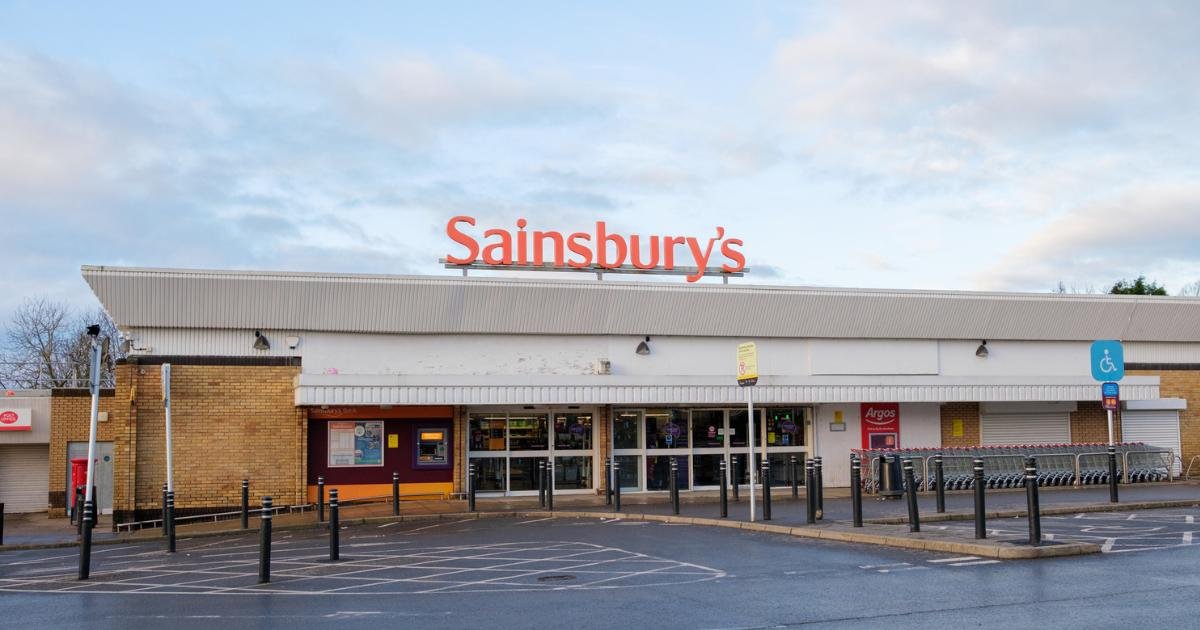
Whether you take notice of the colour of your eggs or not, the supermarket is making the shift to help the environment.
The retailer will phase out brown eggs across all its own-brand lines after finding that white eggs have a 12.7% lower carbon footprint.

Sainsbury’s to cut sales of brown eggs
It said white eggs support more sustainable customer choices “while still maintaining the excellent taste, quality and nutrition they expect.”
Sainsbury’s said this is largely due to better feeding efficiency and the longer productive lifespan of white hens.
White hens are also less prone to feather pecking, leading to better animal welfare.
A Sainsbury’s spokeswoman said: “White eggs have the same delicious taste and nutritional benefits as their brown counterparts but result in lower carbon emissions and better welfare outcomes for the hens that lay them.
“White feathered hens typically live longer, eat less feed and lay eggs for longer, cutting carbon emissions by over 12% compared with hens that lay brown eggs.
“We know Brits love their eggs and, as we work with suppliers to transition all of our own brand to white shells, they can now enjoy them knowing they are better for the environment and the hens.”
What’s the difference between best before and use-by?
The supermarket said the move reflects its long-term UK food system goals and is an example of close supplier collaboration on sustainability.
Although white eggs are rarely seen on supermarket shelves, they are commonly used by restaurants.
Most white-shelled eggs are laid by breeds such as the white leghorn, which originated in Italy.
Recommended reading:
In recent years, UK supermarkets have begun exploring consumer demand for white eggs.
During the Covid-19 pandemic, Tesco stocked white eggs when panic buying led to a shortage of brown eggs.
Do you buy white or brown eggs? Tell us in the comments below.
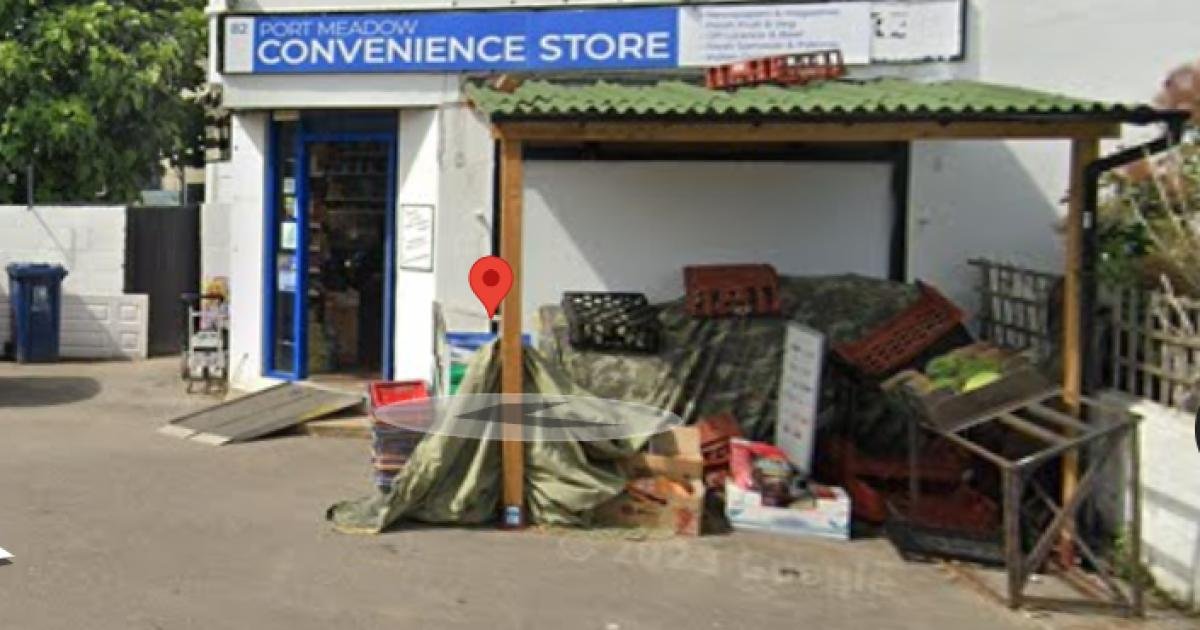
Port Meadow Convenience Store, in Godstow Road, Wolvercote, was closed in 2024 after Oxford City Council officers found rats there.
The officers immediately issued a Hygiene Emergency Prohibition Notice which said the shop “poses an imminent risk of injury to health” as “there is evidence of a serious rat infestation throughout the premises”.
But now, Wolvercote residents have said they have already noticed a vast difference in the shop sayings its great the new owners are “cleaning up and getting rid of the old stock”, and calling the only shop in the area a “great opportunity”.
The new owners took over the shop earlier this week and plan a complete revamp of the premises.
Rajmeet Singh, the new owner of the shop, said: “We wanted to introduce ourselves properly as the new owners of the shop.
READ MORE: Thames Water fixing more than ‘1,000 leaks weekly’ amid strict hosepipe ban
“We are excited to start making improvements for our local community.
“We know there may have been things in the past that could have been better, and we want you to know we are listening.
“We have already started making changes, including improving cleanliness, removing old and expired stock, and bringing in new products and new ideas.”
The new owner said they have lots of plans to improve the shop and will work hard to make it better everyone.
Reviews of the convenience store under the previous owners note that “many items are past their sell by date”, “fridges are left open and temperature is not maintained to keep food fresh”, and “they make up their own prices”.
Other reviews also called the place a “disgrace”.

Tackle Club in Kidlington (OX5 1JD) is having its opening party tomorrow (Saturday, August 8) between 10am to 5pm.
The event will include a barbeque, some free beer and live music, with the owners hoping anglers and others from the around the county attend.
READ MORE: Leading Oxford cocktail bar ‘will return’ after company’s liquidation
Born out of their shared love of fishing, the owners of Tackle Club hope that the shop will inspire a love for the sport in younger generations.
Sam Harris, 37, said: “We are all trying to get more youngsters involved and get them off their TVs and catching some fish.”
Stocking all fishing equipment – apart from for sea fishing – the shop will be open from 8.30am to 6pm from Monday to Friday, and 10am until 5pm on weekends.
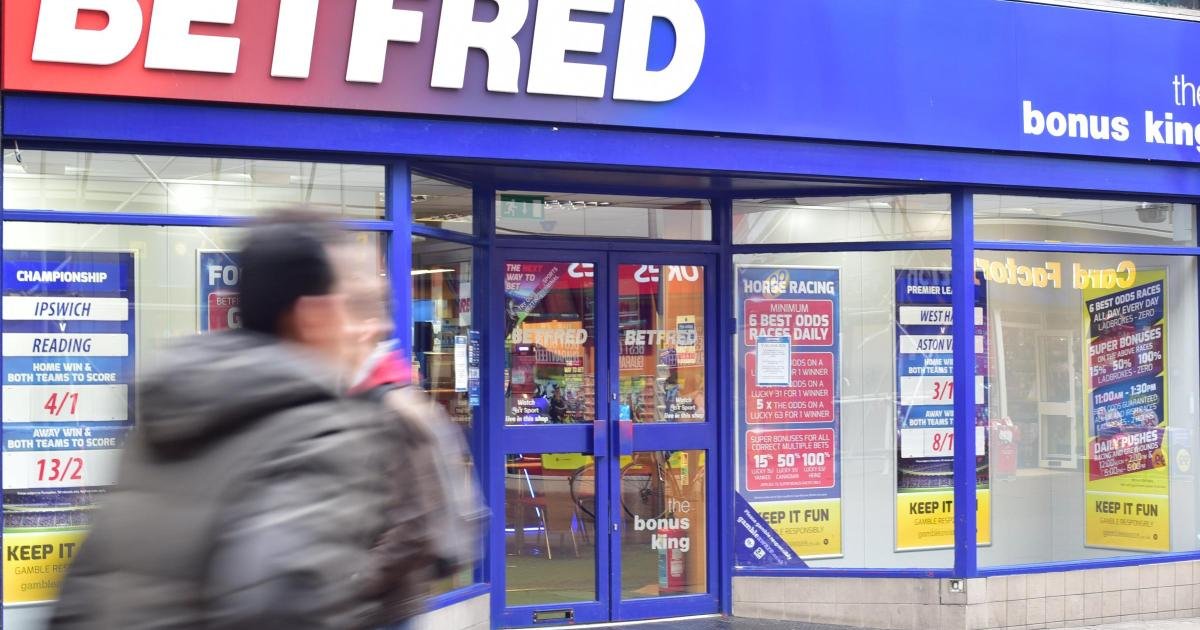
Betfred has confirmed plans to shut 132 betting shops from September, blaming higher taxes and wider economic uncertainty for the move.
The Warrington‑based bookmaker said the closures would affect just over a tenth of its UK estate and leave it with around 1,100 branches nationwide.
Betfred, founded by brothers Fred and Peter Done in 1967, has grown into one of the country’s biggest betting shop operators, with the pair’s combined wealth recently estimated at £3.61 billion.
READ MORE: EastEnders icon Shane Richie due in court next month
Chief executive Jo Whittaker said the company had “worked hard” to protect high street outlets and jobs, but rising employer National Insurance contributions, wage pressures and increased gambling duties had made that more difficult.
“We have tried hard to protect all our sites and the colleagues who work in them, but the combined impact of higher employer national insurance contributions, wage inflation, increases in gambling taxes and wider economic uncertainty has left us with no choice,” she said.
“These are well-run shops, staffed by dedicated colleagues, and it is incredibly hard to see any of them close, but the current fiscal and regulatory environment has made it impossible to keep trading all our shops.
READ MORE: 80s singing legend asked about ‘difficult return’ to iconic band after split
“Our priority now is to support the colleagues affected, and to continue serving customers and communities across the rest of our estate.”
Betfred has not published a full list of locations earmarked for closure, and it is not yet clear whether any Oxfordshire branches will be affected.
The company currently operates several betting shops in and around Oxford, including sites on Cornmarket Street, Cowley Road, Barns Road, in Templars Square and in Headington, as well as other outlets elsewhere in the county.
This newspaper enquired directly with Betfred as to whether any stores in Oxfordshire would be closing as part of the plans and, if so, which ones.
A spokesperson for Betfred responded: “We cannot comment on individual shops as there is a consultation process underway for the staff concerned.”



-

 Business & Technology3 weeks ago
HSBC UK & Visa test AI shopping with live payments
-

 Business & Technology4 weeks ago
Mouser warns against viral hacks to cool overheating phones
-

 Business & Technology3 weeks ago
Valarian lands USD $50 million backing for sovereign AI
-

 Oxford News4 weeks ago
DWP now checking bank accounts for Universal Credit and Pension Credit
-

 Oxford Events4 weeks ago
Henley Festival 2026 highlights: Five nights of unforgettable performances and festival moments
-

 Business & Technology4 weeks ago
Ode launches free AI voice service for poem recommendations
-

 Oxford united FC3 weeks ago
Oxford United three players who be kept after transfer ban
-

 Oxford united FC4 weeks ago
Aaron Ramsey’s Oxford United hit with transfer ban until January