
Student Life
Oxford historian named 2026 Holberg Prize Laureate

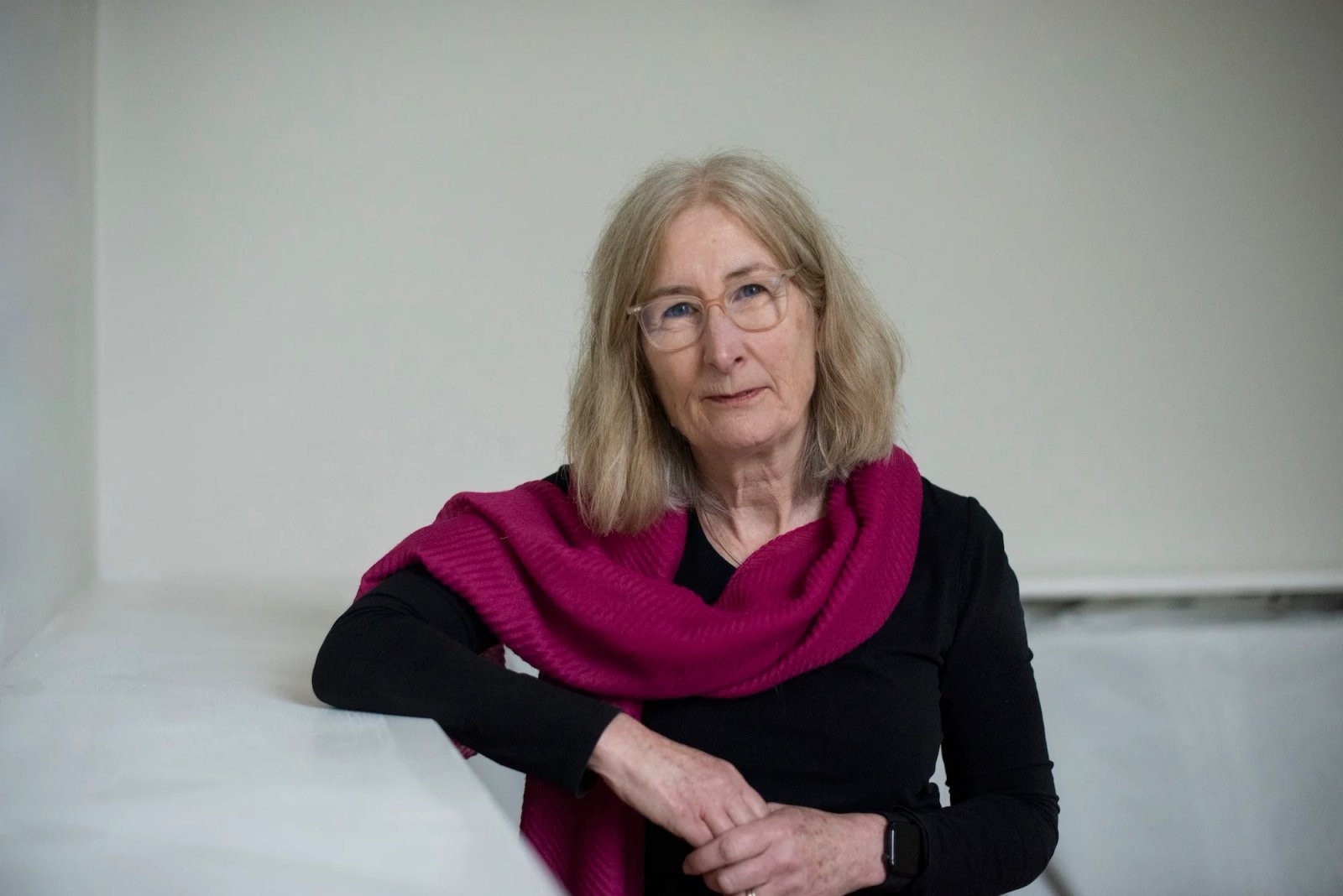
Established by the Norwegian Parliament in 2003, the Holberg Prize is one of the largest annual international research prizes awarded for outstanding contributions to research in the humanities, social science, law or theology. Professor Roper will receive the award of NOK 6,000,000 (approx. £466,00) during a ceremony at the University of Bergen on 4 June.
Professor Roper is internationally recognised as one of the leading scholars of early modern European history. Her pioneering studies have reshaped understandings of both witch persecutions, the German Peasants’ War (1524–1525), and the life and thought of Martin Luther, illuminating how gender, the body, psyche and power operated in social and religious conflicts of the sixteenth century. Professor Roper’s work is widely renowned for its methodological innovativeness and capacity to cut across disciplinary boundaries.
Professor Lyndal Roper, Emeritus Regius Professor of History at Oxford University said: ‘Over the course of my career, I’ve been trying to do history from below, that is, I wanted a history that would include the voices of ordinary people, of all kinds, colours and classes, and of women in particular. I wanted new historical narratives that were not about great men and giant events.
‘Here I think my experience of being a mother made me realise how important what can’t be put into words is, and how communication doesn’t always need language, and I wanted gender to be front and centre of the kind of history we write. I wanted to bring people’s bodily experiences into history, and I wanted to think about people’s unconscious motivations too.’
Sigrun Aasland, Norway’s Minister of Research and Higher Education, said: ‘On behalf of the Norwegian Government, I would like to congratulate Professor Lyndal Roper on receiving the 2026 Holberg Prize. Her research offers new perspectives on European history and shows how ideas and beliefs from the past continue to shape us today. Roper’s work demonstrates why the humanities are essential for understanding the society we live in.’
Professor Dan Grimley, Head of the Humanities Division at the University of Oxford, said: ‘I am delighted that our Emeritus Regius Chair of History, Professor Lyndal Roper, has been awarded the prestigious Holberg Prize. The Prize is awarded to someone who has made a ‘decisive influence on international research’, and I cannot imagine a more deserving recipient than Professor Roper. Her research and publications have made a major contribution to our understanding of Martin Luther; the history of witchcraft; 16th-century German art; gender history; and more. Students and early career researchers in our History Faculty have benefited from her teaching and support over the years, and we are thrilled by the recognition that this award bestows.’
Professor Roper also reflected on the prize’s recognition of the value of the humanities, saying: ‘I think that the study of the humanities is crucial, and now more than ever in the age of AI. Above all the study of the humanities makes you interrogate the relationship between evidence and argument. If we don’t have this skill, we can’t critically question the answers AI seems to produce. We need people who can think critically, philosophers and thinkers who can point out logical flaws, who can see how far the evidence does support a claim, or how our conceptualisations shape our thinking, who can ask the meta questions.’
Professor Roper was the first woman, and the first Australian, appointed to the Regius Chair of History at the University of Oxford, a position she has held since 2011. She has held a professorship at Royal Holloway, University of London and has also taught at King’s College London, where she earned her PhD in 1985. Professor Roper co-founded the Bedford Centre for the History of Women and Gender in 1999. She is a Fellow of the British Academy, a Fellow of the Australian Academy of the Humanities, and a Fellow of the Berlin‑Brandenburg Academy of Sciences and Humanities. She was awarded the Gerda Henkel Prize for lifetime achievement in history in 2016.
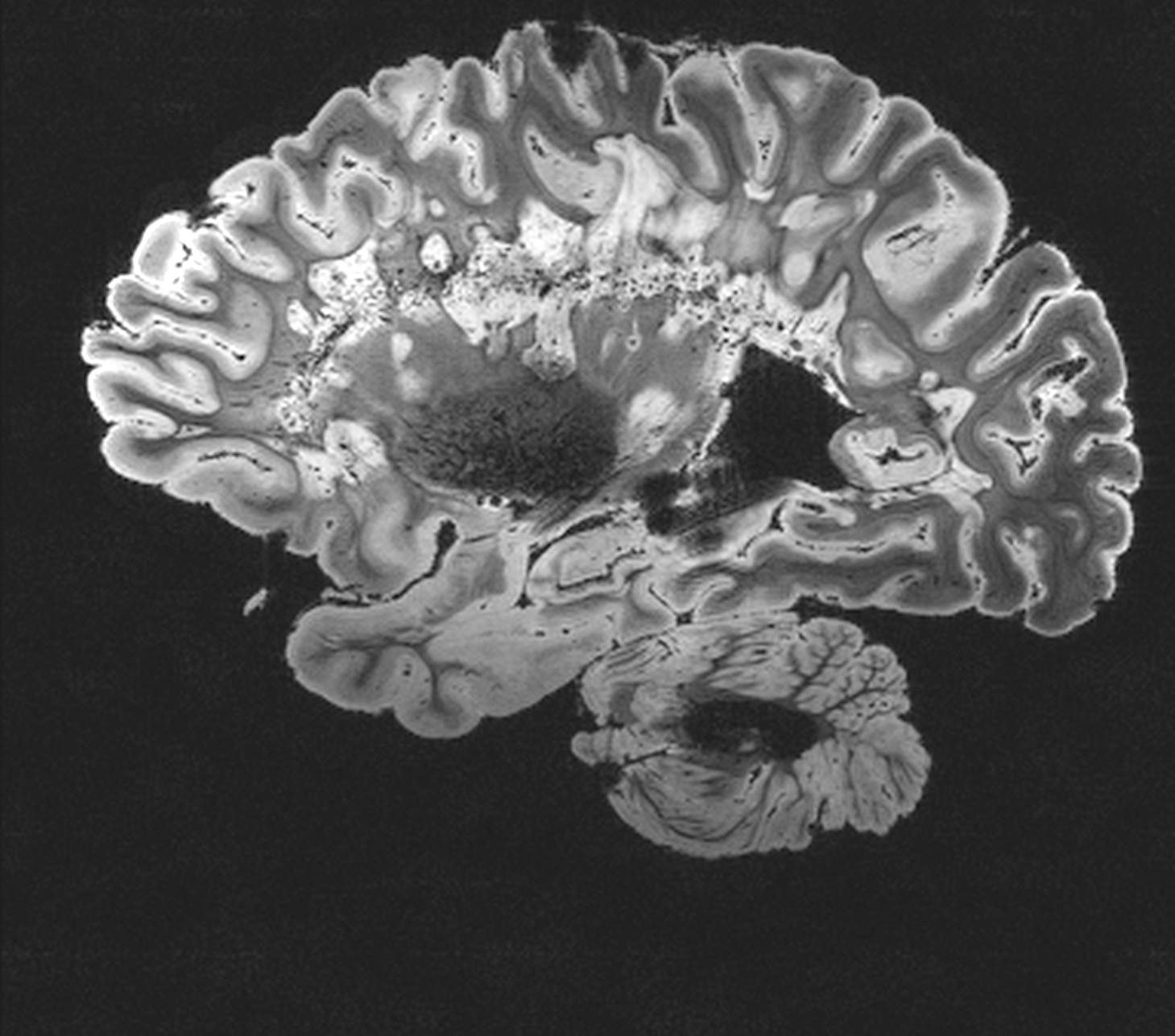
A new predictive tool has been developed by a team of researchers to help clinicians identify which stroke patients are most likely to experience long-term cognitive difficulties. The ‘Cognition Calculator’, introduced in a study published in The Lancet: Healthy Longevity, uses information routinely recorded during hospital care to estimate the likelihood of problems with thinking, memory and communication six months after a stroke.
The study, conducted by researchers at the University of Oxford and the University of Birmingham, developed and tested a statistical model using clinical data collected from stroke patients during the early stages of hospital care. The model draws on data, including results from cognitive screening tests alongside information such as age and stroke severity. Researchers found that early cognitive performance was one of the strongest indicators of longer-term outcomes.
Cognitive impairment is common following a stroke, but can be difficult to anticipate. Whilst post-stroke care has traditionally focused on physical recovery and preventing future strokes, researchers say thinking and communication difficulties are a major factor in patients’ long-term quality of life.
Professor Nele Demeyere, who led the research team, told Cherwell: “Many colleagues recognise the challenge of discussing cognitive outcomes with patients when there is so much uncertainty, so there is interest in tools that could help structure those conversations more clearly.”
Demeyere emphasised to Cherwell that the calculator is not yet intended to be used as a finished clinical product. Instead, she described the research as providing “rigorous groundwork” for future research to refine and test the model in wider clinical settings.
The research comes as the NHS is increasingly using digital tools and artificial intelligence to improve stroke care, including software now deployed across stroke centres in England to help clinicians analyse brain scans and make faster treatment decisions. Updated national stroke guidelines have also placed greater emphasis on early cognitive screening and long-term rehabilitation.
Dr Andrea Kusec, another Oxford researcher involved in the project, told Cherwell: “The response has been very positive, with many recognising the value of developing tools that can support conversations about what ‘life after stroke’ will be like.”
She added: “Clinicians often are key in providing messages of hope and allay some of this uncertainty – this tool can become a way to support those tough conversations.”
The study also highlights the wide range of cognitive recovery after stroke. According to Kusec, one of the most surprising findings was how differently prediction models performed depending on the type of cognitive impairment involved, such as language, memory, or executive function. “This really speaks to the individual nature of post-stroke cognitive outcomes”, she said.
Researchers hope the model will now be tested in larger patient groups and across different healthcare settings. If validated further, it could help clinicians identify patients who may benefit from closer monitoring, targeted rehabilitation, or additional support.
Demeyere told Cherwell that the broader aim is to ensure cognitive health is recognised as a central part of stroke recovery. “Post-stroke care has historically focused, understandably, on survival and preventing recurrent strokes. Increasingly, we recognise that cognitive and communication difficulties are central to long-term quality of life… This study represents one step in that direction. It reflects a broader shift towards viewing cognitive health as a core component of stroke care.”
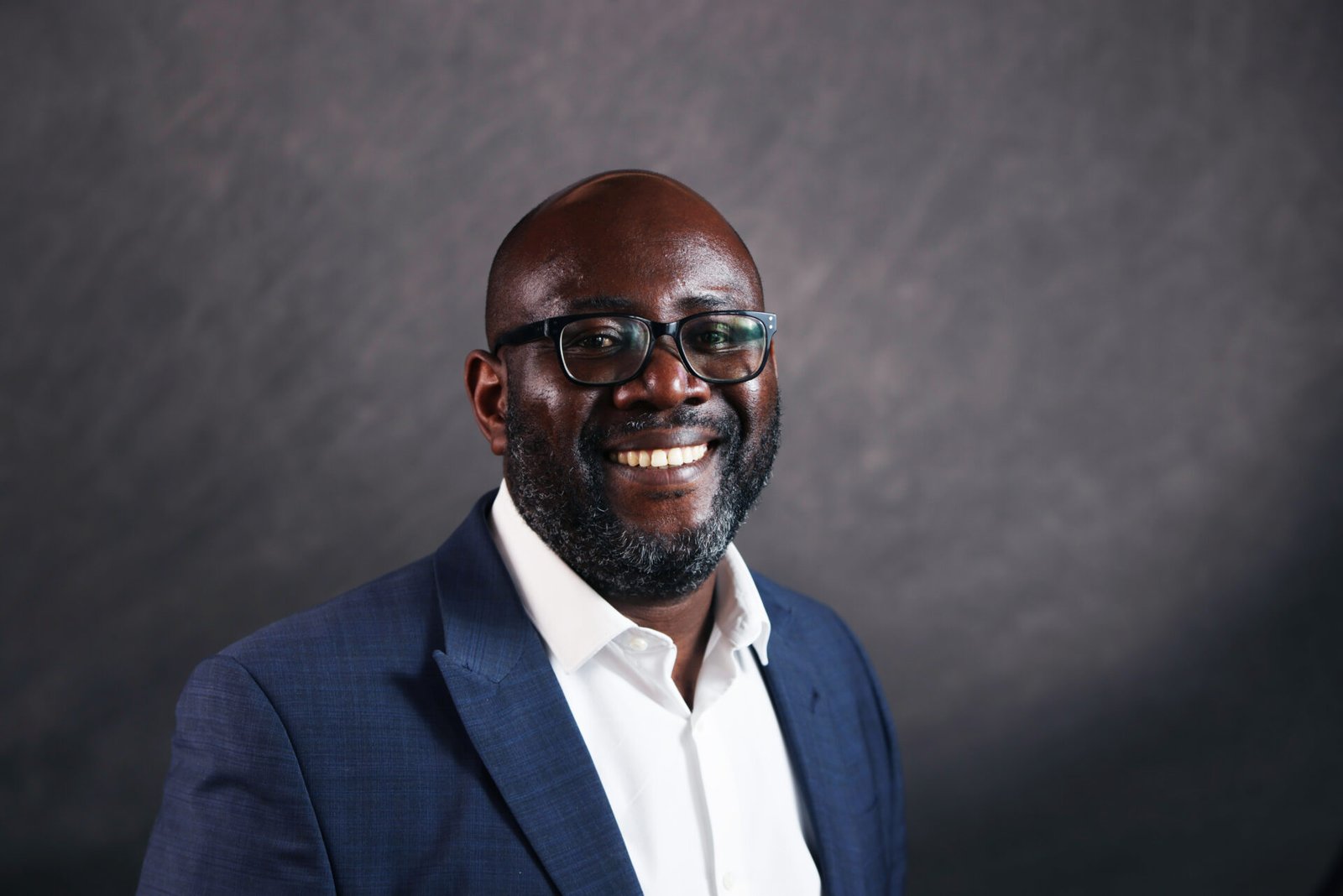
Councillor Chewe Munkonge has been announced as Oxford’s next Lord Mayor, becoming the first Black person to hold the city’s highest civic office. The nomination was confirmed at a meeting of Oxford City Council on 23rd March by council leader Sudan Brown. Mukonge is expected to take up the largely ceremonial role for the 2026/2027 civic year, subject to his re-election in May.
Munkonge, who represents Quarry and Risinghurst ward, was first elected to the council in 2014 and currently serves as Cabinet Member for a Healthy, Fairer Oxford, as well as the council’s Small Business Champion. He also serves as the Central Administration Officer of the Oxford Trust, where he supports “all the operations of The Oxford Trust and Science Oxford’s events and education activities”. Outside politics, Munkonge works as a Central Admin Officer for a local charity and previously served as a governor at The Swan School between 2019 and 2025.
The Lord Mayor of Oxford typically undertakes over 300 engagements annually, including leading the city’s Remembrance Sunday service and attending royal visits, and supporting organisations. During his term, Munkonge has chosen Sobell House and St Theresa as his official charities. Sobell House Hospice is a local charity that provides specialist support for people with life-limiting illnesses and their families.
The Lord Mayor role is a politically neutral position appointed annually by Oxford City Council, typically at its Annual Meeting in May. By convention, it is offered to the longest-serving councillor who has not previously held the office.
Alongside Munkonge’s appointment, Councillor Louise Upton, the outgoing Lord Mayor, has been named Deputy Lord Mayor, while Councillor Linda Smith will serve as Sheriff of Oxford.
In a press release statement, Munkonge said: “I am deeply humbled and truly honoured to be chosen as the next Lord Mayor of Oxford… As the first Black Lord Mayor of our city, I stand on the shoulders of those who paved the way, and I hope to be a source of inspiration for future generations.”

Sperm tagged with green fluorescent protein in the sperm storage organ of a female Drosophila fruit fly. Credit: Krish Sanghvi.
The findings are based on a major, cross-species analysis which revealed a shared pattern across many animals, from insects to mammals. Sperm that is stored (whether in males or females) deteriorates rapidly – resulting in reduced sperm performance, fertilisation success, and embryo quality. Crucially, the new study also offers insights into why this happens.
The researchers carried out a meta-analysis of 115 human studies (involving 54,889 men) and 56 studies across 30 non-human species. This confirmed that mature sperm in storage generally deteriorates in quality independently of the age of the male – a process called post-meiotic sperm senescence.
In humans, longer periods of sexual abstinence were associated with increased sperm DNA damage and oxidative stress, along with reduced sperm motility and viability.
Co-lead author Dr Rebecca Dean (Department of Biology, University of Oxford) said: ‘Because sperm are highly mobile and have minimal cytoplasm, they quickly exhaust their stored energy reserves and have limited capacity for repair. This makes storage particularly damaging compared to other types of cells. Our study highlights how regular ejaculation can provide a small but meaningful boost to male fertility.’
Differences between males and females
Sperm quickly exhaust their stored energy reserves and have limited capacity for repair. Our study highlights how regular ejaculation can provide a small but meaningful boost to male fertility.
Co-lead author Dr Rebecca Dean (Department of Biology)
Both male and female animals can store sperm as a reproductive strategy (in humans, sperm can last for several days in females but the effects of such storage are unknown). In males this ensures enough sperm are present for mating, and in females this can enable reproduction even when males are scarce. However, the study found a striking difference in the rate of sperm deterioration in males versus females. In the species studied, females are generally better than males at preserving sperm quality long-term.
‘This likely reflects the evolution of female-specific adaptations, such as specialised storage organs that provide antioxidants to extend sperm viability’, explained senior author Dr Irem Sepil (Department of Biology, University of Oxford). ‘These organs often secrete reproductive fluids to nourish sperm and could provide unexplored avenues for biomimicking technology to improve artificial sperm storage in the future.’
Lead author Dr Krish Sanghvi (Department of Biology, University of Oxford) added: ‘Ejaculates should be viewed as populations of individual sperm which undergo birth, death, ageing and selective mortality. The rates of these demographic processes can differ in males and females, mediating the “demographic” structure of sperm populations and sex-specific differences in sperm storage effects.’
Implications for human fertility
 Sperm in the testes and sperm storage organs of a male Drosophila fruit fly. Credit: Krish Sanghvi.
That sperm can age in both sexes independently of the organism’s age has been largely ignored in reproductive medicine. The findings therefore have immediate implications for clinical practice. For instance, the results suggest that the upper limit of seven days in the WHO guidelines may be too long. This aligns with recent evidence suggesting that ejaculating within 48 hours of providing a sample can significantly improve IVF outcomes.
By breaking down the barriers between biomedical and zoological research, this study provides a new lens for understanding reproduction. Besides influencing protocols in fertility clinics and assisted reproduction, the findings could also benefit captive breeding programmes for endangered species – as well as deepening our understanding of how species evolved mechanisms to reduce sperm damage during storage.
The study ‘Sperm storage causes sperm senescence in human and non-human animals’ has been published in Proceedings of the Royal Society B.
For more information about this story or republishing this content, please contact [email protected]



-

 Crime & Safety2 weeks ago
Oxford: ‘Next generation’ LimeBikes in city from today
-

 Jobs & Careers2 weeks ago
Why Join Oxford | Oxford University Jobs
-

 Jobs & Careers2 weeks ago
Explore our Careers
-

 Student Life2 weeks ago
The independent cinema battling Oriel College to stay open
-

 Oxford Events2 weeks ago
Michelin Guide Oxfordshire Restaurants – The Oxford Magazine
-

 Oxford Events2 weeks ago
Oxford News and Events, What’s on in Oxford, Exhibitions
-

 Jobs & Careers2 weeks ago
Internal Job Board for University vacancies
-

 Crime & Safety2 weeks ago
Crash partially blocks A40 and causes severe Oxfordshire traffic