
Student Life
How to Personalise Your Space with Analog Photo Prints

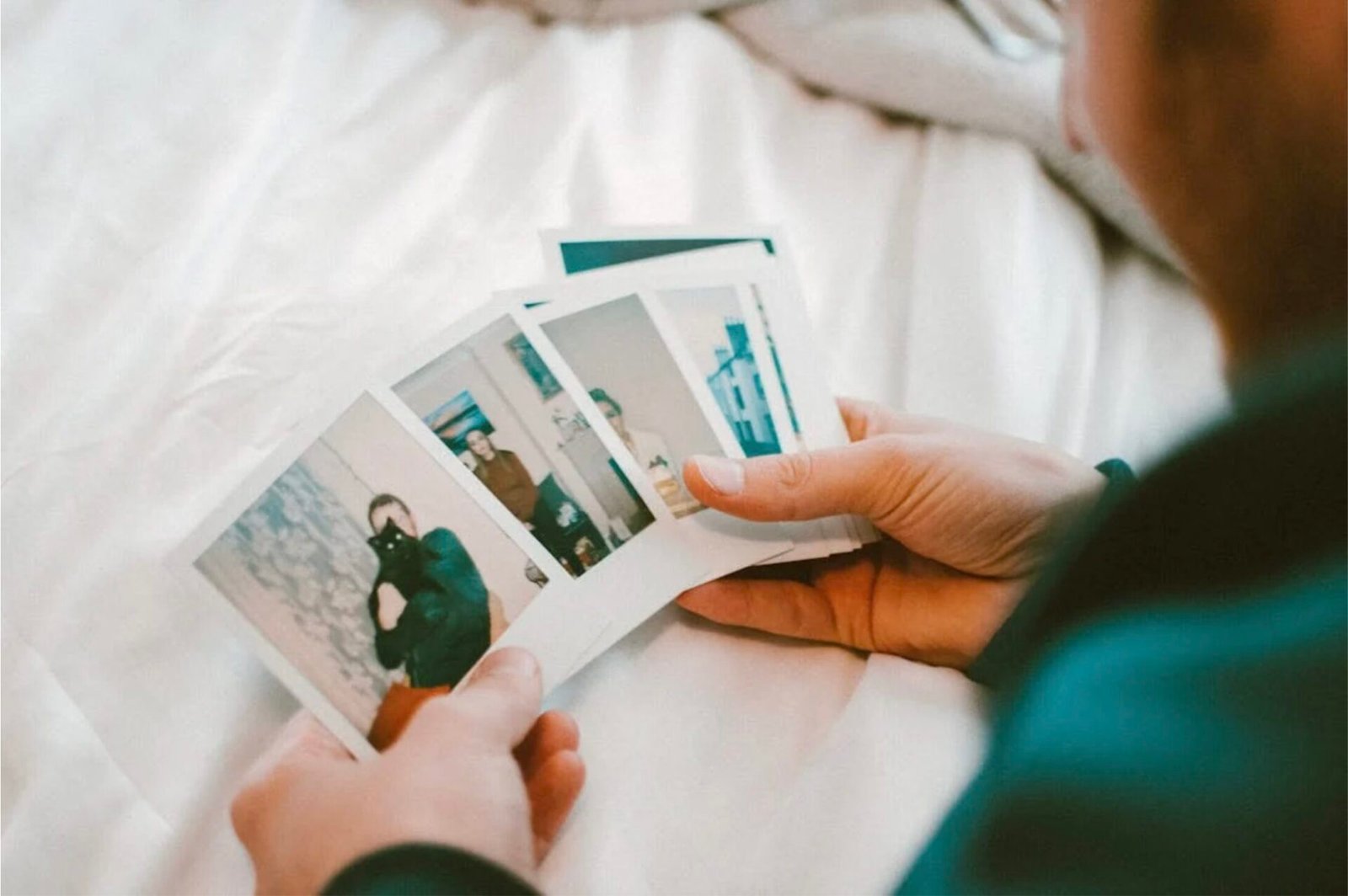
The Case for Analog: Why We Keep Coming Back to Printed Photos
Between high-res smartphone displays and the rise of AI-generated art, it feels like we’ve reached a point of digital saturation. We are constantly staring at images that feel a bit too polished yet somehow more hollow than ever. That is probably why there is such a massive push back toward the “real” lately.
It’s easy to assume that because we live so much of our lives through screens, the old ways would just die out. But the opposite is happening. Every few years, we see a massive resurgence in “outdated” tech. Disposable cameras have made a comeback nobody predicted, Polaroid stays profitable, and film photography has maintained a passionate, dedicated community. There is an irony to seeing film photos shared all over the internet, but the impulse behind it is real.
This Isn’t Actually New
We have been through versions of this cycle for decades. When photography first became affordable for the average family, it was common for people to print photos of almost everything. Photos from holidays, birthdays, and even the candid moments that seemed unremarkable at the time. They ended up being the photos everyone fought over years later. And when photo albums filled up, they got stored in shoeboxes and anywhere else you could fit them.
Then, digital changed our behaviour overnight. Suddenly, the albums disappeared, and thousands of memories migrated to cloud storage and folders that most of us haven’t opened in years.
What got lost in that trade-off wasn’t only the images themselves. It was the feeling that they mattered enough to actually do something with.
The Psychology of the Physical
It isn’t just about sentimentality; there’s some interesting psychology at play here. Research into how we relate to objects consistently finds that tangible things carry more emotional weight than digital ones. A printed photo on your wall is part of your environment in a way that a photo on your phone isn’t. You walk past it every day. It becomes part of how your space feels.
There is also something powerful in the act of choosing. You can’t print every single shot on your camera roll, so you have to decide what is worth the effort. That decision, small as it seems, is actually a pretty meaningful one. You are essentially saying: this one counts.
That is why photos have always been how we make a space feel personal. Not just decorated, but actually ours. A wall full of real, messy memories does more for a room than any generic print from a home décor shop.
Making a Space Actually Feel Like Yours
A house doesn’t start feeling like a home just because you bought a nice sofa or picked out the right paint colour. That shift happens when the walls finally start reflecting the people who live there.
The good news it that you no longer have to be a professional or spend an afternoon at a kiosk to get your photos into the real world. In the time it takes to send a text, you can order high-quality prints on sites like Photobox directly from your phone and have them show up at your front door a few days later.
By using these tools to pull your memories out of the digital ether, you’re doing more than just printing a file. You’re taking a special moment and giving it a permanent place in a space that’s designed just for you.
Student Life
Oxford University’s Nuffield Department of Primary Care launches International Advisory Board
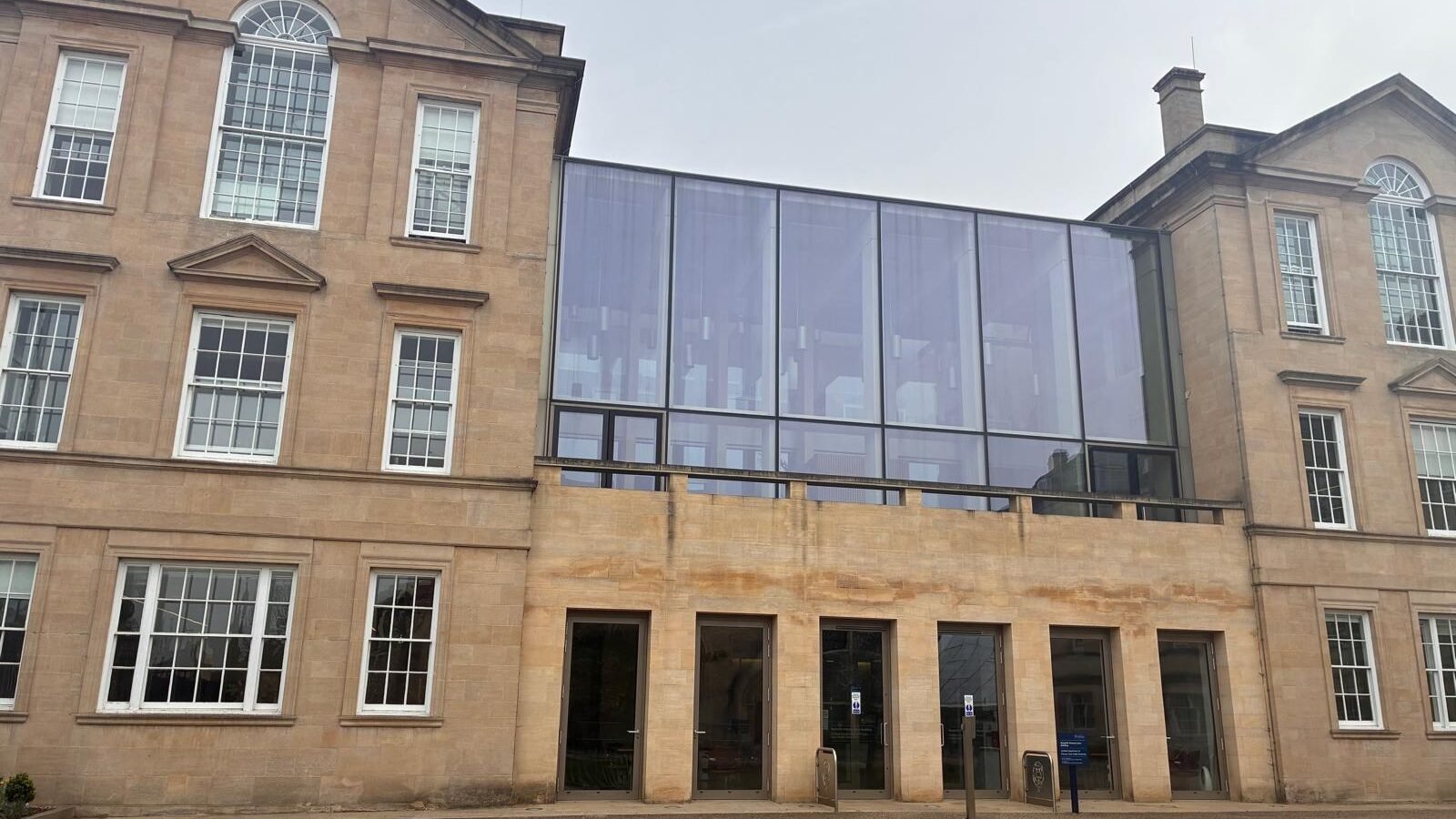
The Nuffield Department of Primary Care Health Sciences has recently announced a new International Advisory Board (IAB) to provide independent advice and international perspectives to support the Department’s Strategy 2025-2030.
The Nuffield Department of Primary Care Health Sciences is responsible for developments in academic primary care, with an emphasis on research and education. Established in 1997 with the appointment of Professor Godfrey Fowler OBE to a Personal Chair in General Practice, the department has since grown to contain more than 500 members of staff. It aims to deliver innovative approaches to primary health care both within the UK and internationally.
The IAB has been established to support the overarching goal of extending the Department’s innovation. Professor Sir Aziz Sheikh, Head of the Nuffield Department of Primary Care Health Sciences, told Cherwell: “Primary care and global health are changing rapidly, and we believe an independent, international perspective strengthens our ability to respond responsibly and effectively. Our International Advisory Board (IAB) has been established to operate as a ‘critical friend’ offering a constructive challenge at a key stage in our development.”
The Department’s Strategy 2025-2030 aims to shift health policy towards a community-based primary care approach, particularly for those living with long-term conditions such as diabetes, chronic respiratory problems, and mental health disorders. Personalised care in the form of personal health management is key to the Strategy’s goal of reducing health inequalities. An environmentally-friendly and sustainable model of care is equally important in the department’s strategy, with an emphasis on support from AI capabilities and digital infrastructure.
Professor Sheikh told Cherwell: “The world is transitioning to primary care-based models of healthcare as governments strive to achieve equitable universal health coverage. From parts of the world with more developed national health systems, it is now clear that primary care is often where pressures on health systems first appear. Drawing on experience across different countries and systems will help us anticipate trends earlier and align our research and education accordingly.
“The IAB’s role is advisory rather than operational, but it will help ensure our work remains relevant to practice and policy – globally. By providing independent scrutiny, we hope that they will support our aims of translating research into real improvements in care quality, equity, and health outcomes. We also hope that they will help provide important insights into key opportunities to enhance our educational offerings to our undergraduate and postgraduate students.”
The board of the IAB is chaired by Victor J. Dzau, President of the National Academy of Medicine. Members of the board include David Bates and Ajay Singh of Harvard Medical School; Jenny Harries, former Chief Executive of the UK Health Security Agency; Paul Little of the University of Southampton; and Mairi Gibbs, the CEO of Oxford University Innovation. The board will hold its first meeting in April 2026 and will meet regularly to provide strategic advice to the Department’s leadership.

The French-American actor Timothée Chalamet has been appointed Visiting Professor of the Arts for 2026-2027 at the University of Oxford. The Oscar-snubbed star of Marty Supreme (2025) and Call Me By Your Name (2017) was selected for the honour on the basis of his extensive patronage of the arts, most notably in the opera and ballet sectors.
Previous appointments to the honour of Visiting Professor at the University include Oscar-winning playwright and screenwriter Sir Tom Stoppard, acclaimed international human rights lawyer Amal Clooney, and children’s author Stephen Fry.
Chalamet is set to take up the position at the beginning of the next academic year. The actor, best known for his role in Christopher Nolan’s Interstellar (2014) and for his current status as Kylie Jenner’s boyfriend, is expected to deliver a lecture series during Michaelmas term 2026 titled ‘What is this earth without art? Just a rock’.
The appointment forms part of a larger move by the University to diversify the recipients of honorary positions. According to a representative of the appointing committee, Chalamet is not only the youngest person to be appointed Visiting Professor in the history of the University, but also the most unqualified yet. Similarly, the Faculty of English is currently in talks to award Jacob Elordi an honorary degree for his contribution to the understanding of feminist literature.
In preparation for his professorship, Chalamet had intended to spray paint the Radcliffe Camera “corroded orange” in the style of his iconic Marty Supreme marketing campaign. He has since abandoned these plans after discovering that the same feat has been attempted before.
Chalamet will return to Oxford this summer, having previously visited the city during the filming of the BAFTA-nominated musical fantasy film Wonka (2023). Cherwell understands that he plans to begin working on the film’s sequel during his tenure at Oxford.
The appointment has provoked mixed reactions across the University. One student told Cherwell: “I’ve lost count of the number of times I’ve watched him declare his love to Jo [in Little Women] or that one edit we’ve all seen of the dancing scene in Call Me by Your Name. It will be interesting to see whether he has anything worthwhile to say.”
The University has expressed hope that Chalamet will bring his breadth of artistic expertise to the position, including but not limited to his fluency in the French language, his lauded rapping career as ‘Lil Timmy Tim’, and his seven years of ping-pong playing experience.
Chalamet, Kylie Jenner, and EsDeeKid were all approached for comment.
Reporting by Beatrix Arnold.
April Fools!
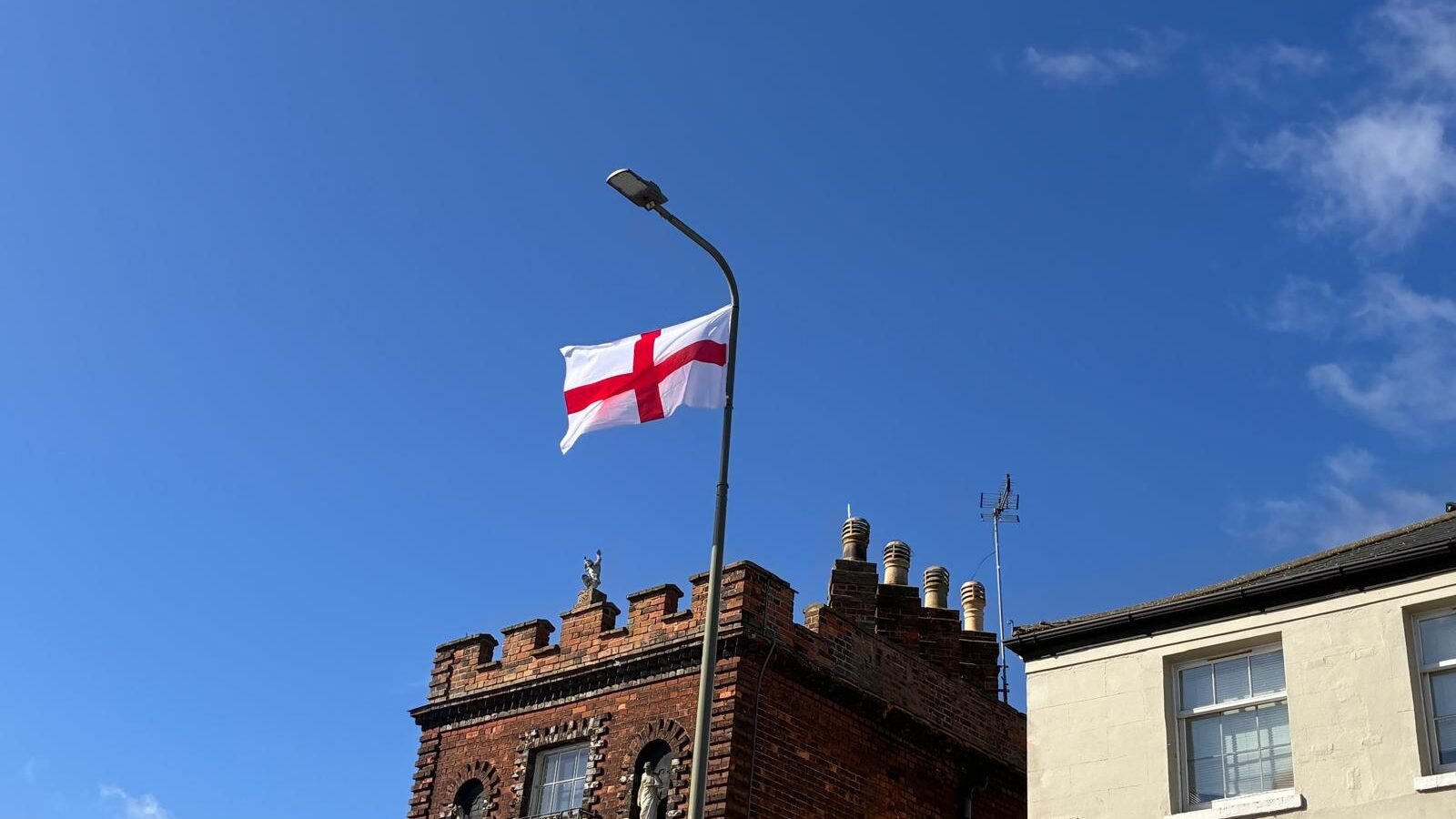
A group hanging St George’s Cross and Union Jack flags along Abingdon Road has prompted a police investigation, following reports of disruption and alleged intimidation.
The incident, which took place during rush hour, saw a group in high-vis jackets using a cherry picker to attach flags to light posts along the road. Residents reported concerns about obstruction, as well as what some described as confrontational or abusive behaviour.
Thames Valley Police has confirmed that it is investigating. In a statement issued on Saturday, the force said it was “aware of an incident that took place on the Abingdon Road… in relation to people raising flags on street furniture” and that enquiries are ongoing. Police added that “where criminal offences are identified, we will take appropriate and proportionate action”.
The group involved is understood to be part of the national movement, Raise the Colours, which has been responsible for similar activity elsewhere in Oxfordshire.
Oxfordshire County Council told Cherwell that it “recognise[s] the strength of feeling locally around this issue and the impact it’s having on our communities”. The council added that it supports the “residents’ right to display flags on their own property,” but warned that placing flags on or near highways can create “serious safety hazards”, including reduced visibility and increased risk of distraction for road users.
The council confirmed that its teams remove unauthorised flags “during routine maintenance or where they pose an immediate risk”. However, the council said staff carrying out this work had experienced “intimidating and threatening behaviour”, which it described as “completely unacceptable”. It added that it is working with the police to share evidence so that appropriate action can be taken.
The County Council has since issued a formal legal notice requiring the group to stop placing flags on or near highways without permission. The council warned that failure to comply could result in civil or criminal proceedings.
In a statement, Councillor Liz Leffman, Leader of the Council, said the “scale and persistence of this activity is affecting communities across Oxfordshire”. Whilst emphasising that the England and UK flags are “visible symbols of democracy and unity”, she described the group’s actions as “an act of intimidation and division that is having a real and damaging impact on our communities”.
Anneliese Dodds, MP for Oxford East, also criticised the incident. In a statement, she said that while individuals have the right to display flags at their own homes, “that is not what has happened here”, adding that those involved appeared to have “imposed themselves on the residents… and disrupted traffic in the rush hour”.
Dodds said reports of abusive behaviour “must obviously be investigated” and described the incident as “the opposite of activity to bring our community together”.
Raise the Colours was approached for comment.



-

 Crime & Safety2 weeks ago
Oxford: ‘Next generation’ LimeBikes in city from today
-

 Jobs & Careers2 weeks ago
Why Join Oxford | Oxford University Jobs
-
 Jobs & Careers2 weeks ago
Explore our Careers
-

 Oxford Events2 weeks ago
Oxford News and Events, What’s on in Oxford, Exhibitions
-

 Jobs & Careers2 weeks ago
Internal Job Board for University vacancies
-

 Student Life2 weeks ago
The independent cinema battling Oriel College to stay open
-

 Oxford Events3 weeks ago
Michelin Guide Oxfordshire Restaurants – The Oxford Magazine
-

 Crime & Safety2 weeks ago
Crash partially blocks A40 and causes severe Oxfordshire traffic