
Business & Technology
Blacksmiths behind several Oxford pieces in 700-year first


Melissa Cole and her dad Hector Cole MBE are to be the first father and daughter to be honoured with a medal from the Worshipful Company of Blacksmiths in its seven-century history.
The duo have a combined 100 years experience between them and Ms Cole has contributed to several Oxford pieces.
This includes two decorative screening panels based on brain neurons at Cherwell College student accommodation.
READ MORE: Private school head in staunch defence of Latin teaching amid decline
In addition, she created the ‘Driftway Imprint’ bronze and steel sculpture at The Slade and the Paradise Street sign in the city.
She also made a River Route wall mounted installation representing the River Cherwell, which is 24 metres long and wrapped around the exterior of the gatehouse building on Chapel Street.
She will be receiving a silver medal from the company with Mr Hector having been awarded a gold medal back in 2024 – one of only seven in its 700-year history.

Melissa, from Wiltshire, called it “a true honour”.
She said: “I was so delighted and surprised! To be assessed by people I respect within the craft is wonderful.
“I am chuffed for my dad too as he trained me in my traditional techniques and still goes up to his workshop everyday.
“It is really lovely to share this with him.”

The Worshipful Company of Blacksmiths is a charitable organisation dedicated to supporting the traditional craft of blacksmithing.
The City of London Livery company has a history which dates back to 1299 and was granted a Royal Charter in 1571.
Ms Cole, who has been designing and crafting contemporary ironwork for 30 years in her forge at Pewsey Vale in Wiltshire, said there are many different requirements for different medals awarded by the Worshipful Company of Blacksmiths.

She said: “There is a lot you have to achieve, from designing different types of projects, insuring there is access for the public to enjoy your work and then what you give back to the craft.”
Melissa said one of her proudest pieces to date was when she was commissioned by the WCB to make a gift for Her Majesty Queen Elizabeth II during her Platinum Jubilee.
She decided to design and create a stunning bird bath which is now sat in the Volerie garden in Hampton Court Palace.
READ MORE: Development at Raymond Blanc’s Le Manoir handed bat-related conditions
Her dad, who started blacksmithing at the age of seven, has a prestigious and worldwide reputation for the forging of high quality historic arrowheads and swords.
Ms Cole described her father as a “legend” in the field.
The contemporary art blacksmith and metal sculptor said: “I am truly grateful for my dad and for all the people that have commissioned me.
“I wouldn’t have been able to receive this award if people had not put their trust in me to make their commissions and buy my sculptures.
“The crafts wouldn’t survive without those people!”
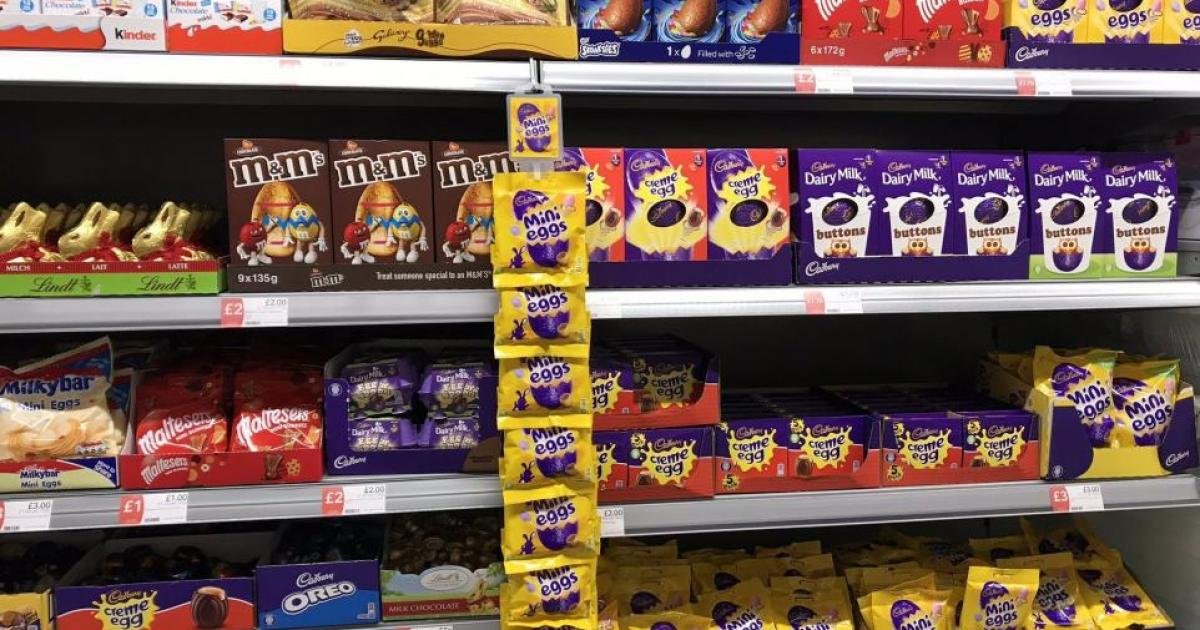
It comes down to new regulations from the government that came into force at the beginning of the year.
This prohibits products high in fat, sugar and salt from appearing in TV ads before 9pm.
The UK advertising industry voluntarily chose to start adhering to the new rules from October, which means that items such as chocolate eggs and hot cross buns can’t be shown before 9pm.
Why are Easter egg adverts now prohibited from appearing before 9pm?
This legislation is in place to tackle rising childhood obesity
The current regulations are based on a nutrient profiling model that was created in the early noughties to assess whether a product is a “junk” food.
In 2018, an updated model was developed, but it was not introduced.
However, on Wednesday (March 25), the government has said that it is likely to adopt the newer model, which would see a far wider range of products deemed to be too high in fat, salt and sugar banned from next year.
This could include Kellogg’s Bran Flakes, Ambrosia rice pudding pots, the Mr Kipling Delicious and Light range and Doritos.
Has the new legislation impacted advertising revenues?
Research conducted for The Guardian found that TV advertising spending by confectionery and snacks brands almost halved year-on-year between October and February.
An analysis covering the vast majority of firms that advertise all the products that fall under the government’s “less healthy foods” regulations shows that overall TV ad spend is down at least 15% year-on-year.
Industry bodies and broadcasters have argued that the ban is more political PR than an effective policy.
A spokesperson for ISBA, the Incorporated Society of British Advertisers, said: “The advertising and marketing of products is one consideration for helping tackle childhood obesity.
“But successive governments have treated bans or restrictions as a silver bullet … legislating on the basis of headlines, not evidence.”
However, health campaigners have said it doesn’t go far enough as brand advertising is allowed as long as adverts do not show an “identifiable” product that breaks the junk food rules.
Fran Bernhardt, of the campaign group Sustain, said: “The policy is riddled with loopholes which allow industry to continue to advertise branding for unhealthy products like Cadbury’s Dairy Milk Caramel or McDonald’s McFlurries.
“Aside from a few tweaks to adverts, this Easter will be much like Easters before.
“Industry will continue more or less as usual.”
Recommended reading :
Campaigners also argue that big food companies are compensating for the ban, which also extends to paid online advertising at any time of the day, by upping marketing budgets on other media.
Media agency sources say that outdoor media, such as billboards and poster sites, and radio have benefited from the TV and online ban.
Billboards are only subject to junk food ad bans if they are located within 100 metres of premises such as schools or leisure centres.
Have you seen fewer adverts for Easter eggs this year? Let us know in the comments.
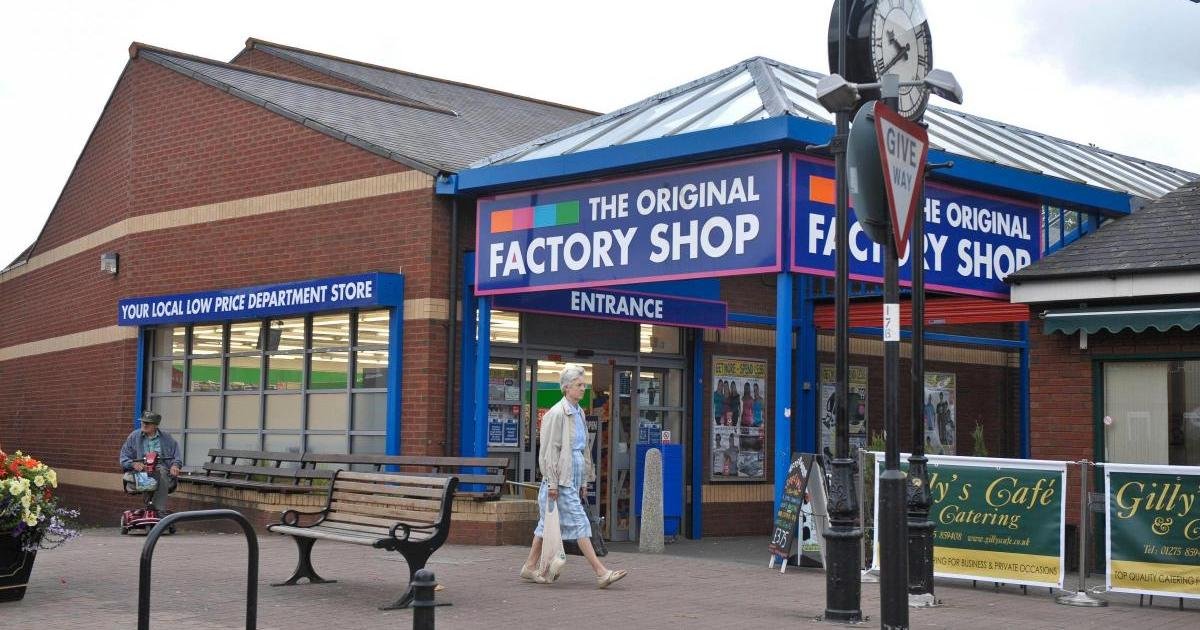
The Original Factory Shop which sells discounted homewares, furniture, electrical goods and toys, shut its store in Carterton yesterday (Saturday, March 28).
On the business’ Facebook page, last-minute discounts were being offered with clothing down to £2 an item.
READ MORE: Store closure fears as UK discount brand in administration
On Thursday, March 26, a spokesperson for the store said: “Everything in store is now up to 85 per cent off as we prepare to close our doors this weekend.
“This is your last chance to grab a bargain – once it’s gone, it’s gone.”

Following that announcement, prices were subsequently lowered and lowered.
Other branches around the UK also shut yesterday including in Cromer, Gorleston and Bungay in Norfolk and Suffolk with major sales also being implemented at other locations.
This comes after the business fell into administration in January, with further closures also expected imminently in Snettisham, according to The Sun, and around the country.
READ MORE: Geri Halliwell and Christian Horner score planning victory over neighbours
Administrators said The Original Factory Shop’s troubles have been driven by challenging trading conditions, linked to high-cost inflation, fragile consumer confidence and rising labour costs caused by government policies.
Problems were then exacerbated by issues linked to its third-party warehouse and logistics operator, weakening sales further.
It only has one store in Oxfordshire, its Carterton shop, although Claire’s – which is also owned by investment firm Modella Capital and is in administration – has one in the Oxford Westgate shopping centre.
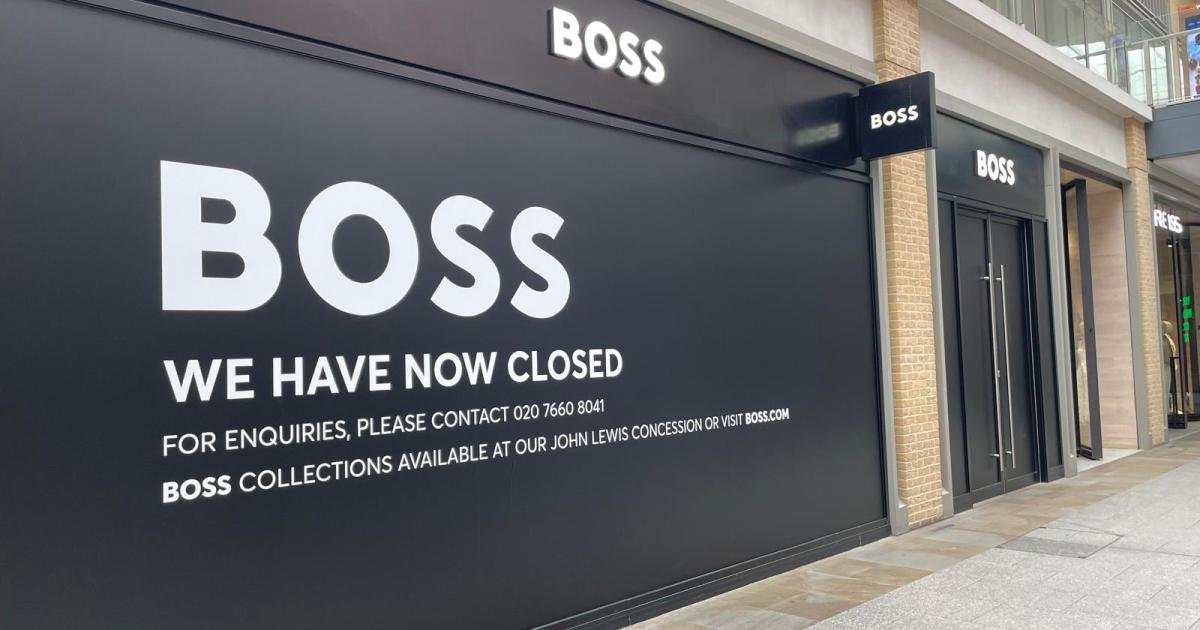
The fashion retailer this month closed down its store in the Oxford city centre shopping centre having opened in October 2017 as part of the £440m revamp.
It was one of the original retailers as part of the shopping centre’s new phase of life, along with John Lewis, Primark and Next.
A spokeswoman from Hugo Boss said: “Hugo Boss optimises its global store portfolio as part of its long-term strategy, which also affects the Boss Oxford Westgate Centre store.
“Hugo Boss will maintain a strong presence in the UK, and we will also continue to serve our customers via our online flagship store at hugoboss.com.”
READ MORE: Red Arrows will break record when it takes to skies over England
The company did not say whether any redundancies had been made from closing the store.
The spokeswoman said: “Wherever possible, we reallocate employees through transfers or other internal opportunities.”
There are indeed other branches not too far, including at Bicester Village, Swindon and Reading.
A spokeswoman for the Westgate said: “We remain committed to making Westgate Oxford a vibrant and varied retail destination for our guests, welcoming exciting new arrivals such as Sephora, The Beefy Boys, and the opening of Lego later this spring, as well as recently upsized stores for Oliver Bonas, Goldsmiths, and Superdrug.
“We look forward to sharing more details about new brands joining the centre soon.”



-

 Crime & Safety2 weeks ago
Oxford: ‘Next generation’ LimeBikes in city from today
-

 Jobs & Careers2 weeks ago
Why Join Oxford | Oxford University Jobs
-
 Jobs & Careers2 weeks ago
Explore our Careers
-

 Student Life2 weeks ago
The independent cinema battling Oriel College to stay open
-
 Oxford Events2 weeks ago
Michelin Guide Oxfordshire Restaurants – The Oxford Magazine
-

 Oxford Events2 weeks ago
Oxford News and Events, What’s on in Oxford, Exhibitions
-

 Jobs & Careers2 weeks ago
Internal Job Board for University vacancies
-

 Crime & Safety2 weeks ago
Crash partially blocks A40 and causes severe Oxfordshire traffic