
Traffic & Transport
Bosses of three firms that supply trains to UK railways made £3.5m last year | Rail industry

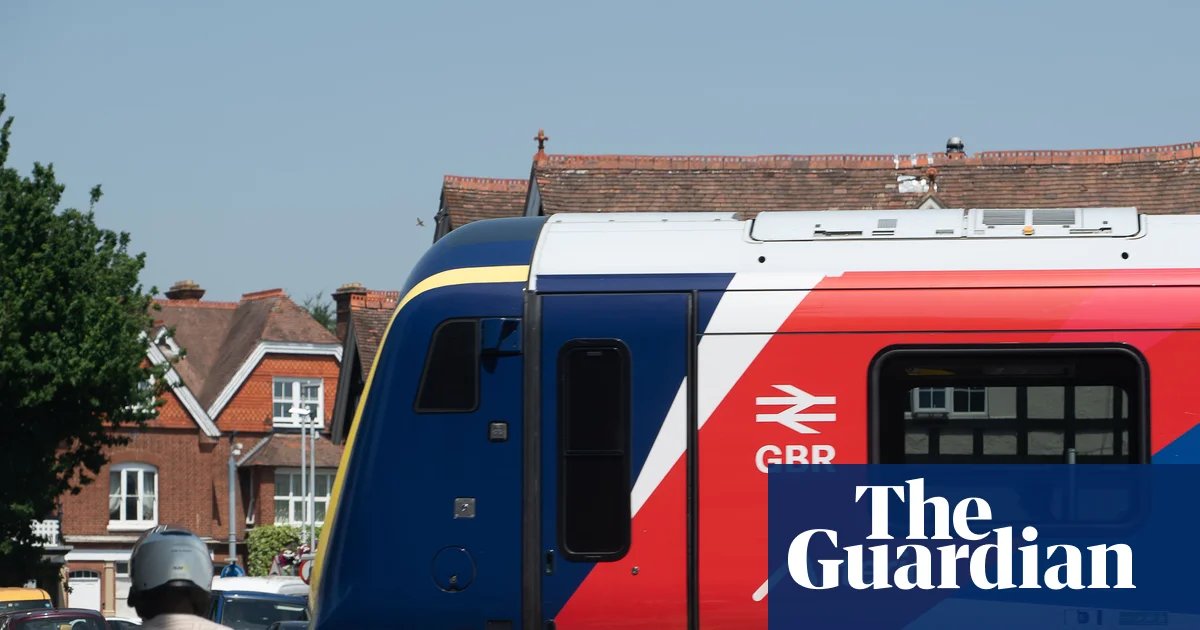
The chief executives of three firms that rent out trains to Britain’s railways were paid a combined £3.5m last year as they passed on almost £400m to shareholders in dividends.
Rail unions accused the rolling stock companies (Roscos) of raking in profits at passengers’ expense.
The figures emerged in accounts published this week after ministers announced a new rolling stock strategy for Britain’s railways.
The government is considering direct ownership of trains through the public body Great British Railways rather than leasing them from the private sector.
The latest figures show Porterbrook Holdings paid £80m in dividends and increased the pay of its chief executive, Mary Grant, by more than 10% to £1.44m.
Eversholt Rail paid out £200m in 2025 shortly before it was sold by CK Hutchison to Beacon Rail, with its departing CEO, Mary Kenny, paid £1.33m.
Angel Trains paid £111m in dividends and a relatively modest £700,000 to its boss, Malcolm Brown.
Their pay far outstrips the highest salaries elsewhere on the railway, including the bosses of Network Rail and HS2.
The RMT union called for a levy on Roscos after highlighting the dividend payments and salaries. It said the three biggest Roscos had paid out £2.4bn over the last 10 years in dividends.
The general secretary of the RMT, Eddie Dempsey, said: “The government’s commitment to explore publicly owned rolling stock for the new trains in the future is welcome but in a cost of living crisis we need action now.
“We are calling on the government to use this month’s budget to introduce a ‘cost of travel’ levy on profits to fund a 3.4% fare cut, rather than watching the cash being salted away.”
The transport secretary, Heidi Alexander, told the Labour conference on Monday that if Great British Railways owning trains would best serve taxpayers and passengers, then we should do it”.
after newsletter promotion
According to the rail regulator, operators last year spent more than £4bn leasing trains from the Roscos, whose net profit margin was 18.5%.
A spokesperson for Porterbrook said it had “deployed over £1bn of capital in new trains, fleet upgrades, traction innovation and rail infrastructure since 2020, and we are actively looking to invest a further £1bn in the years ahead”.
They said the group’s companies were UK tax resident, and had paid £82m in the past three years, adding: “It is because of the funding that our shareholders provide that we can make substantial investments in the railway.”
Angel Trains is incorporated in Jersey and within the realm of UK taxes. A spokesperson said: “We believe decisions on future fleets should be focused on securing the best outcomes for passengers, while maintaining the conditions and opportunities needed to attract future investment into the railway. We look forward to continuing to work constructively with government and Great British Railways.”
Eversholt and its new owner, Beacon Rail, were approached for comment.
Traffic & Transport
Why should I have to pay more for buses if I don’t use a smartphone? | Bus fares
I applaud Anna Tims for her article (Schoolchildren without smartphones penalised with higher bus fares, 26 September), raising the need for a unified approach on this issue to properly tackle the ill effects of such technology on children in the classroom and beyond.
I live in Scotland, where this issue is addressed by making bus travel free for children and young people under the age of 22 with a physical national entitlement card. I am, however, affected by the more general problem of cheaper bus pass options being hidden behind smartphone apps.
I use a non-standard operating system on my phone owing to the always-online models of Android and iOS, which I prefer to avoid.
When comparing the prices of First’s weekly bus pass in my area, which is available to purchase on the bus, and its monthly pass, which is exclusive to its app, I am spending £264 extra over the course of a year simply for not using a phone that this specific app is designed for.
This is unacceptable even without the issues I raised about the main two mobile operating systems, even more so in the context of the present cost of living generally. Accessible public transport should not depend on which computer software is used by the passenger.
First is far from the only offender in this regard – for instance, many supermarkets’ loyalty schemes are now only available as apps as well.
Owen Fraser
Aberdeen
Traffic & Transport
UK airlines to be banned from charging parents to sit with children | Airline industry
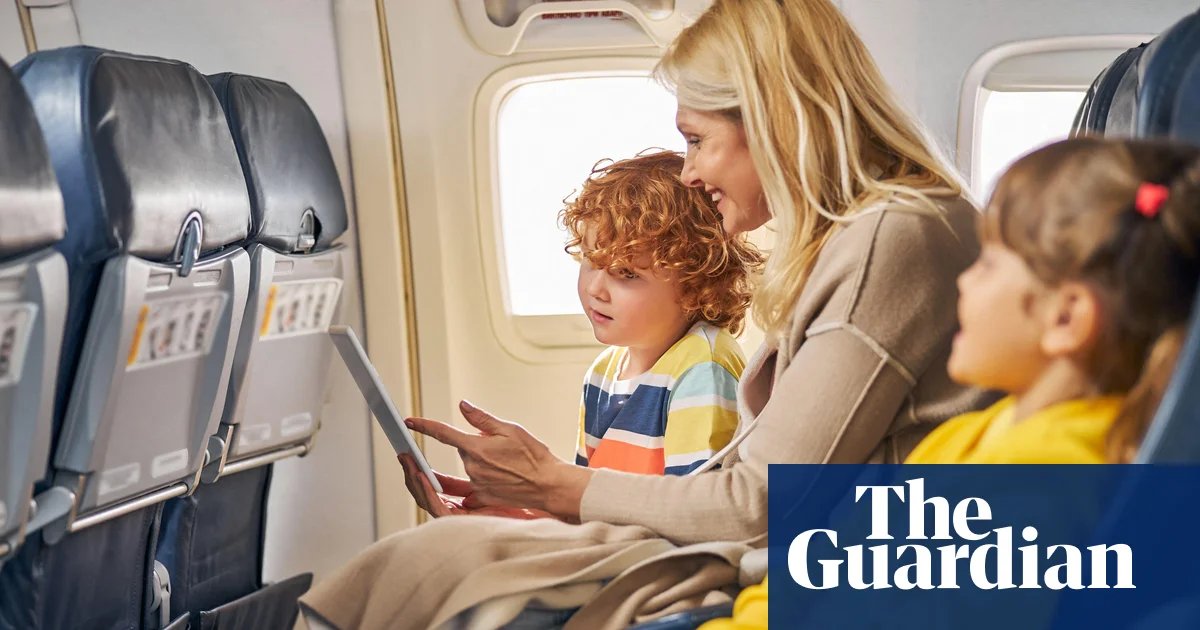
Airlines will be blocked from charging parents extra to sit with their children on planes, according to government plans.
The new rule would require airlines to seat passengers aged under 14 next to their parents or an accompanying adult free of charge. Passengers will also no longer need to pay to tweak the name on their flight booking if they need to correct a mistake.
It is understood that ministers will try to introduce the changes before the start of next year’s summer holidays. The prime minister, Andy Burnham, has said the rule changes are part of a crackdown on the “little charges that add up” when families plan their holidays.
MPs are in the process of debating a new set of rules for travel companies, as the civil aviation (consumer protection and regulatory reform) bill makes its way through parliament. The proposed law will give ministers flexible power to set out passenger rights and the duties of airlines and airports.
Burnham said: “Charging parents just to sit with their children is a rip-off, plain and simple. And being hit with a hefty fee for a simple spelling mistake on a booking form isn’t right either.
“People are fed up with these little charges that add up, so I’m putting a stop to them. This is what our everyday fixes are all about – giving people room to breathe by tackling the small irritations that catch people out, waste their time and cost them money.”
An arrangement to sit together can currently cost a parent and child up to £104 on a return journey, according to the Department for Transport.
Rory Boland, editor of consumer magazine Which? Travel, said: “It’s clearly unfair to force parents and children as young as three to pay an extra fee just to sit together. Airlines that have separated families are putting profit ahead of passenger peace of mind.”
Earlier this year, Ryanair adjusted its family seating policy after an investigation was launched into the company charging parents to sit with their children on flights. The Irish operator previously required parents travelling with children aged between two and 11 to pay to reserve what was referred to as a mandatory family seat.
Children were then allocated seats next to or near parents free of charge. The fee for a mandatory family seat was typically about £8 each way, the UK Competition and Markets Authority watchdog found.
after newsletter promotion
Under the new policy, parents will still have the option of paying to reserve a seat of their choosing and have their children alongside them free of charge.
The transport secretary, Heidi Alexander, has also announced a crackdown on bad behaviour by passengers on aircraft, with the government, airlines and trade unions working on a new system for sharing information about disruptive passengers.
Airlines logged more than 1,000 serious disruptive passenger incidents in 2025, government figures show, including what it described as a mid-air brawl that caused a flight to be diverted.
Using the new system, airlines could choose to ban persistently disruptive passengers from their aircraft.
Traffic & Transport
How poor public transport policy is putting the brake on cities | Road transport
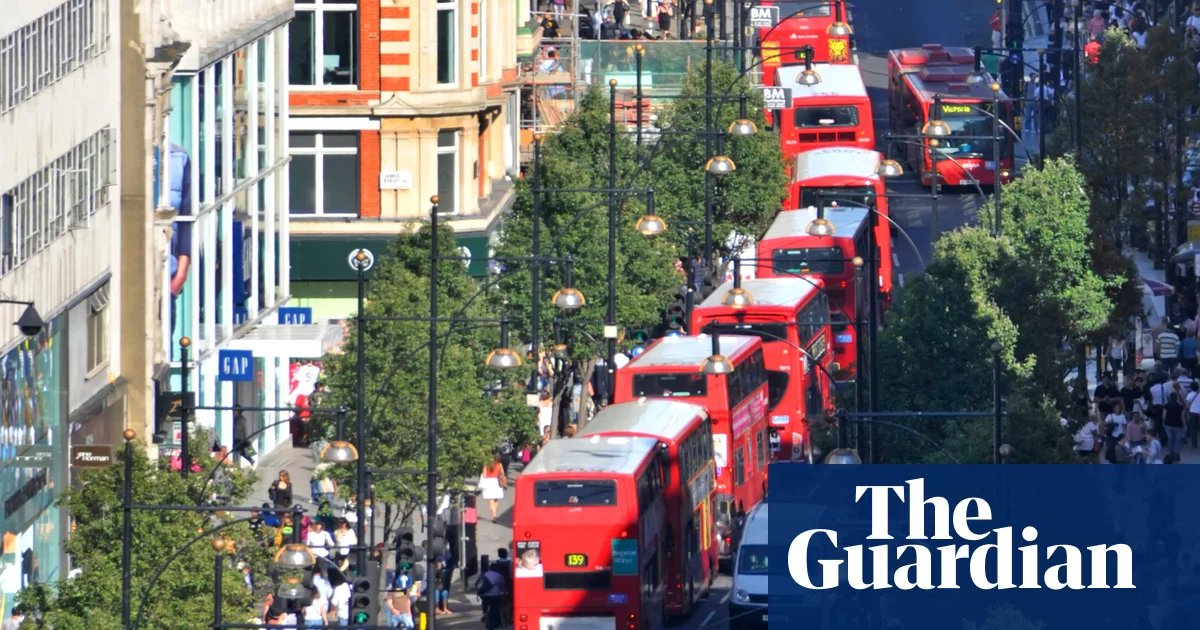
Your analysis of slowing buses in global cities sets out the mechanism exactly, and the remedy follows from it (London buses in decline? Why public transport in global cities is slowing to a crawl – visualised, 23 September).
Transport for London’s own calculation that a 10% fall in speed costs 6% of demand and Imperial College London’s finding of the same decline across 15 cities show what happens to buses as the traffic thickens around them. Retiming the lights will not reverse it, and London is already trying. The phrase to notice in the article is one used by TfL: signals will give more buses priority “where possible”.
There lies the difficulty. On a route running a bus every two minutes, the signals are asked to intervene 30 times an hour in each direction, and the junction cannot recover between calls before the next bus arrives.
Bristol city council’s engineers found precisely this when they reviewed their bus priority: in the most congested parts of the city, priority delivered no journey-time saving at all.
This is a bigger brake on the economy than it looks. What holds a city back is the plain difficulty of getting across it to work, to customers, to the shops. A firm can recruit from a smaller area, a worker can reach fewer jobs, and a high street can be reached by fewer people. Much of the decline of the high street is a decline in how easily people can get to it.
The cure is to carry the same people in fewer vehicles. One tram carries as many people as three or four buses, so it can be given priority junction after junction, and the crossing traffic still gets its turn.
About 30 French cities have put trams through their centres since Nantes started in 1985, and they rebuilt those centres around them. Their central streets are visibly busier for it. Sheffield’s trams share a shopping street with cars and vans, and run to the same timetable in the peak as at midday.
David Andrews
Chair, Light Rail Transit Association; lead author, Bristol Area Bus and Tram Business Case
Your article on London buses in decline highlights poor transport policy in London, which is guided by publicity rather than practicality.
Buses have slowed down as dedicated bus lanes have been largely replaced by a poor choice of cycle lanes. London is an old city with narrow lanes and, with individual cycle transport given priority over mass public transport, it’s no wonder that buses have slowed and become erratic in service.
One only needs to observe the utilisation of cycle lanes that are empty except during the peak hours of 7.30am-9am and 4pm-5pm on weekdays. That is a gross waste of valuable road space that could be used by buses.
Having a dedicated bus lane instead of a cycle lane would speed up buses and make them more reliable. The bus lane could be shared by cycles and during peak times be dedicated to them, while being free for buses rest of the day.
Sadly, politicians rarely look beyond elections, and fail to prioritise buses over bicycles. The authorities have wasted millions on cycle lanes while failing spectacularly to improve mass public transportation.
V Narayanan
London


Bosses of three firms that supply trains to UK railways made £3.5m last year | Rail industry

Why should I have to pay more for buses if I don’t use a smartphone? | Bus fares

Oxford United hero reveals ‘amazing’ shock Barcelona victory
-

 Oxford united FC2 weeks ago
Chris Gunter steps away Wales role to focus on Oxford United
-

 Oxford united FC2 weeks ago
Oxford United transfer chief explains EFL embargo and contract dilemma
-
 Oxford Events4 weeks ago
Oxford Open Doors: nine properties to explore without booking
-

 Oxford united FC3 weeks ago
Former Oxford United boss Matt Bloomfield drops Wycombe manager hint
-

 Student Life2 weeks ago
Oxford falls to lowest ever spot in The Times UK University Guide 2027
-

 Oxford News4 weeks ago
UK private school’s ‘outstanding’ headteacher is to retire
-

 Oxford united FC4 weeks ago
Leicester City confirm ‘serious’ injury before Oxford United clash
-

 Oxford News4 weeks ago
Salon Privé at Blenheim Palace 2026 – day one revs up