
Oxford Events
Ongoing coverage of the local government devolution proposals

#pt-cv-view-0422846aq7 .pt-cv-meta-fields,
#pt-cv-view-e0d121cgv4 .pt-cv-meta-fields,
#pt-cv-view-a7ff8bcoe3 .pt-cv-meta-fields,
#pt-cv-view-0422846aq7 .pt-cv-content,
#pt-cv-view-e0d121cgv4 .pt-cv-content,
#pt-cv-view-a7ff8bcoe3 .pt-cv-content {
border-bottom: 1px solid #d8d8d8;
padding-bottom: 1rem !important;
margin-bottom: 1rem !important;
}
a.pt-cv-readmore:hover {
text-decoration: underline !important;
text-decoration-thickness: 4px !important;
text-decoration-style: solid;
text-underline-offset: 0.6ch;
transition: .1s ease;
outline: none;
}
What we’re covering
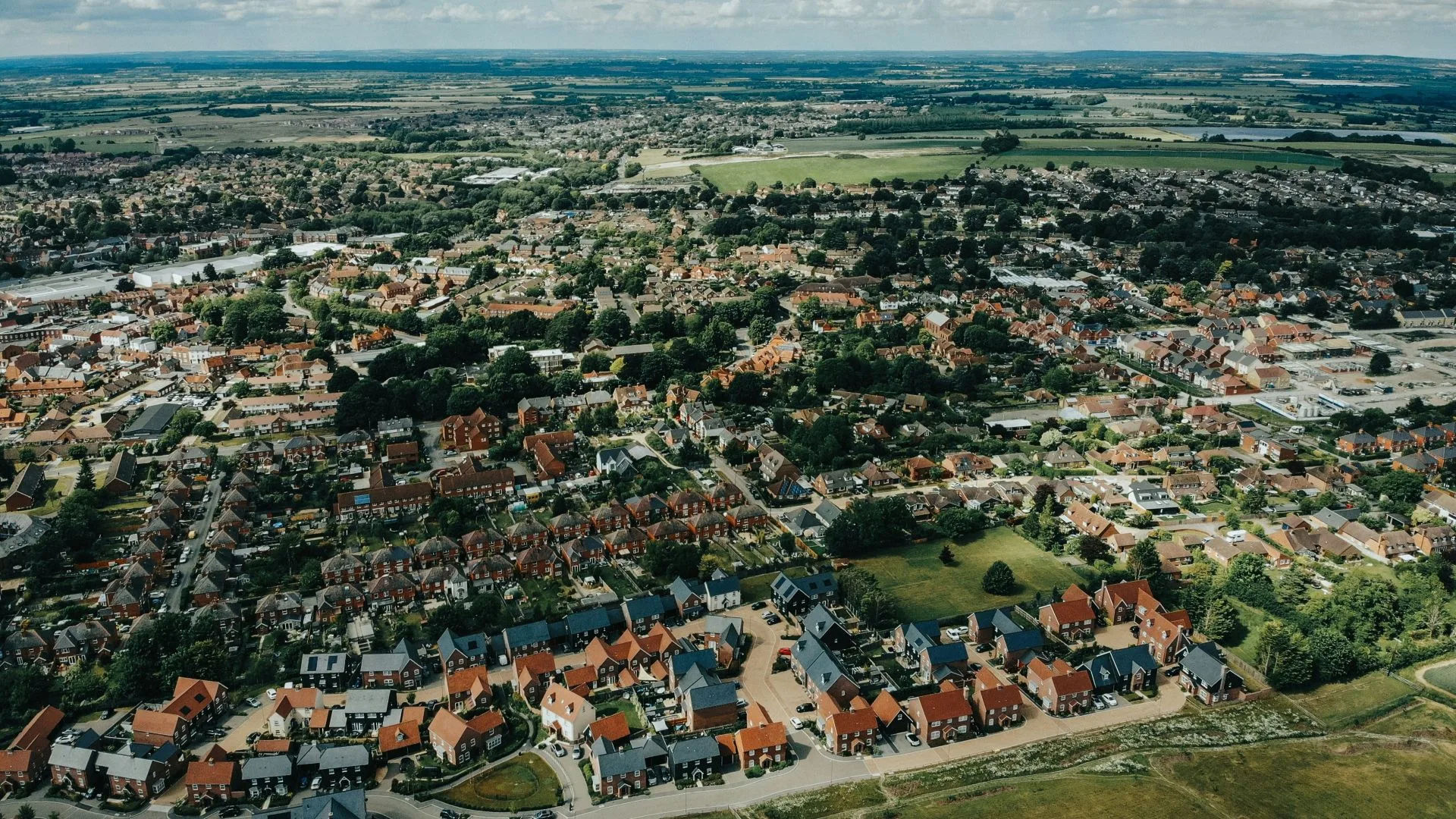
Welcome to our ongoing coverage of the latest developments surrounding the government’s proposed local government devolution plans and their potential impact on Oxfordshire.
In December 2024, the government published an English Devolution White Paper that proposed abolishing district councils and replacing them with new unitary authorities, and creating larger mayoral combined authorities to enable a shift of power away from Westminster.
Stay tuned as we bring you updates from key discussions, reactions from local leaders, and what these changes could mean for residents. Whether it’s concerns about democracy or the potential for streamlined services, we’ll cover all angles and keep you informed here.
Reporting by Ay Adeduro, Esme Keeney, Aled Thomas, James Aldridge and Olivia Churchill.
West Oxfordshire leader disappointed by Government decision on three-unitary model
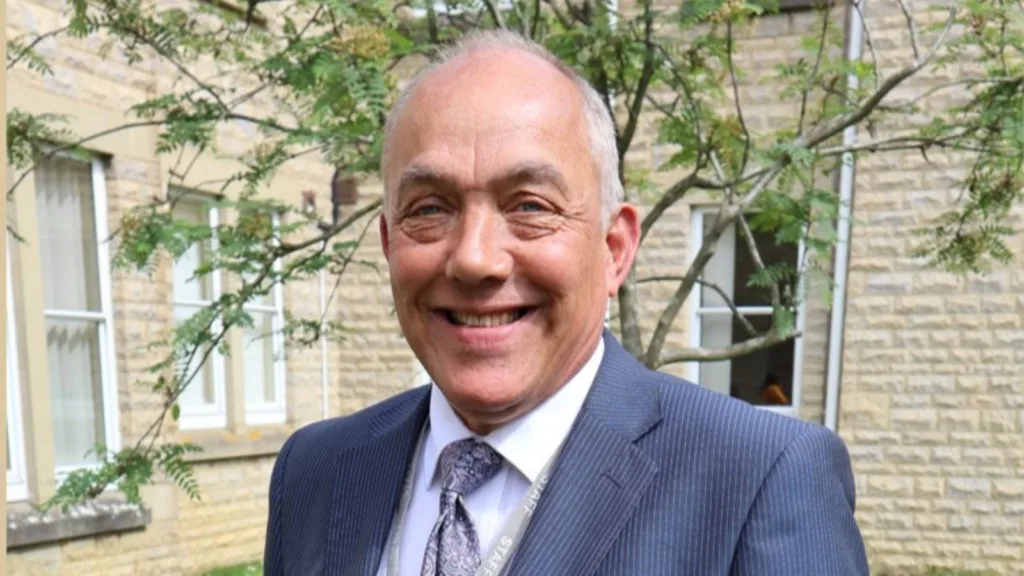
West Oxfordshire District Council leader Councillor Andy Graham has expressed disappointment after the Government confirmed plans to create three new unitary councils for Oxfordshire and West Berkshire from 01 April 2028.
The council had supported a two-unitary model, arguing it would provide simpler structures, reduce duplication and improve financial resilience. Councillor Graham said concerns remain over additional costs and complexity, but pledged to work constructively with partner councils to protect services and ensure West Oxfordshire communities remain represented during the transition.
Oxford City Council leader welcomes “historic” decision to create Greater Oxford authority

Oxford City Council leader Councillor Susan Brown has welcomed the Government’s decision to create three new unitary councils for Oxfordshire and West Berkshire, describing it as a “historic day”.
She said the new structure would simplify local government, keep decision-making local and help address Oxfordshire’s housing challenges. The approved model, led by Oxford City Council, will create Greater Oxford, Northern Oxfordshire and Ridgeway councils from April 2028, replacing the county, city and district council system.
Vale leader calls for rural communities to remain at heart of council reorganisation
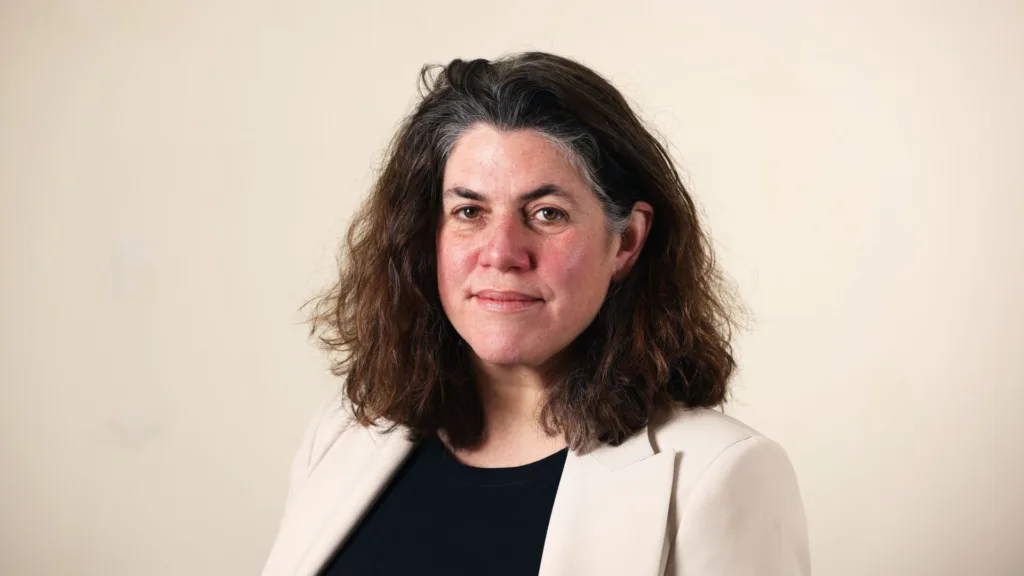
Vale of White Horse District Council leader Councillor Bethia Thomas has responded to the Government’s decision to create three new unitary councils for Oxfordshire and West Berkshire, saying she is disappointed the preferred two-authority model was not chosen.
She called for rural communities to remain central during the transition, highlighting concerns over local identity, countryside protection and representation. The Vale will work with other councils to support a smooth transition ahead of the new Ridgeway and Greater Oxford authorities launching in 2028.
South Oxfordshire leader voices disappointment over three-council reorganisation decision
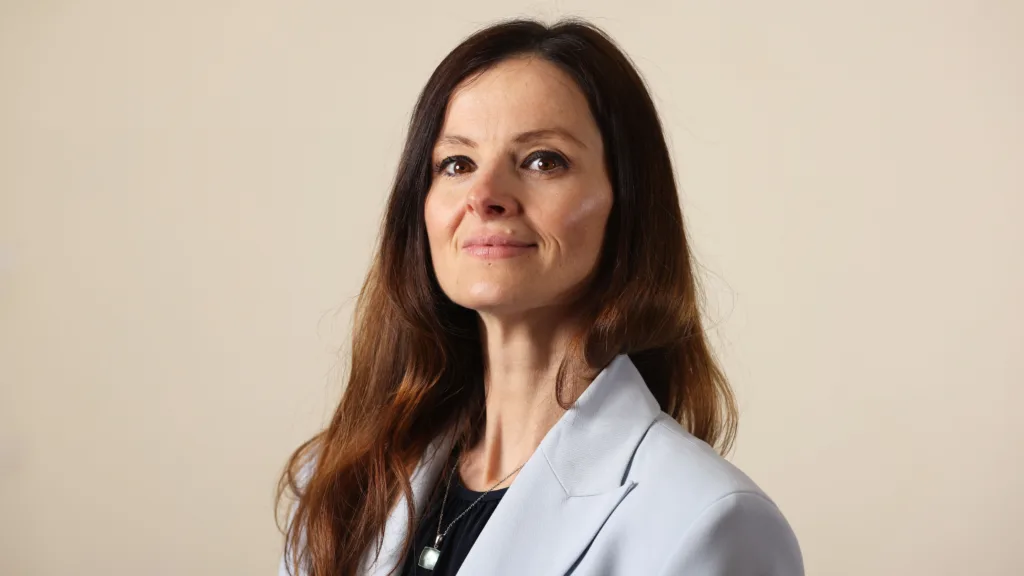
South Oxfordshire District Council leader Cllr Maggie Filipova-Rivers has criticised the Government’s decision to create three new unitary councils for Oxfordshire and West Berkshire, saying the chosen model is “deeply disappointing”.
She warned that the structure could increase complexity, duplicate costs and weaken rural representation. South Oxfordshire had backed a two-unitary model instead. The council said it will continue working with other authorities to support the transition ahead of the new councils launching in April 2028.
Local government devolution proposals: What is it and what will it mean for Oxfordshire?
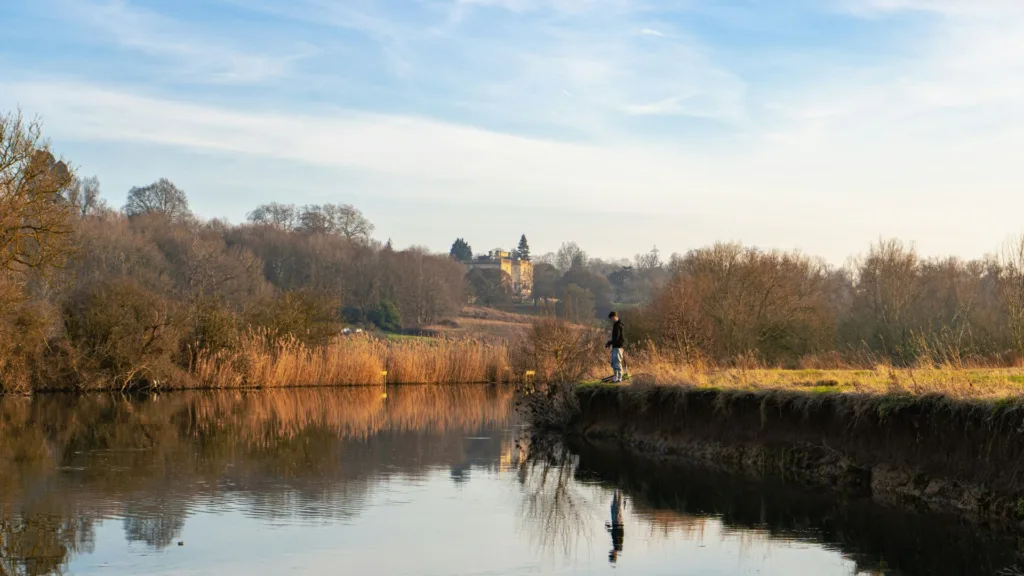
Oxfordshire councils to be abolished as Government approves three new authorities
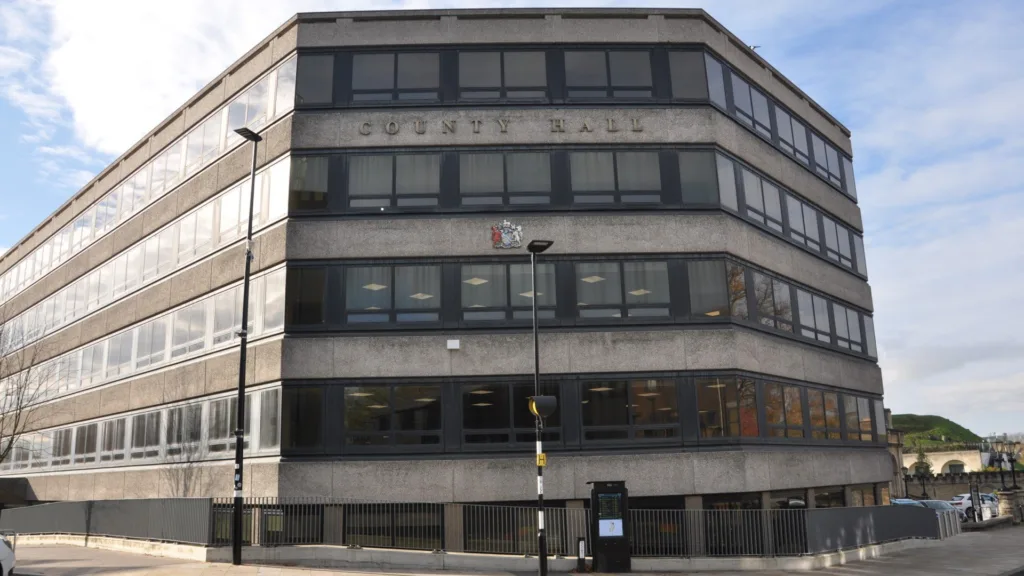
The Government has confirmed plans to abolish Oxfordshire County Council, Oxford City Council and the county’s district councils, replacing them with three new unitary authorities from April 2028.
The approved model will create Greater Oxford Council, North Oxfordshire Council and Ridgeway Council, following the proposal submitted by Oxford City Council.
The decision ends months of debate over the future governance of the county, with supporters highlighting housing and strategic planning benefits while critics raise concerns over boundaries and financial pressures.
Oxfordshire leaders seek fresh devolution deal after Thames Valley plan collapses
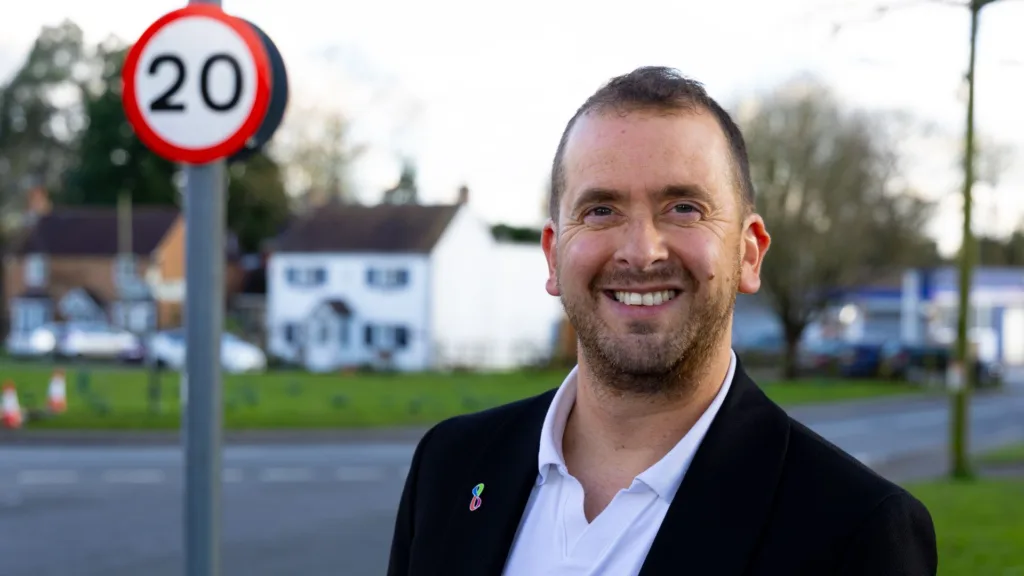
Oxfordshire leaders have renewed calls for a stronger devolution settlement after writing to Labour leadership contender Andy Burnham, following the collapse of plans for a Thames Valley Foundation Strategic Authority.
The proposed arrangement, covering Oxfordshire, Berkshire and Swindon, was rejected last month after Oxfordshire County Council raised concerns over its powers, funding and geography.
The decision has prompted criticism from regional leaders and business groups, while Oxford City Council is expected to reaffirm its support for a future devolution deal.
Thames Valley leaders furious after plans to create powerful regional Strategic Authority collapse

Thames Valley leaders are furious after plans to create a powerful regional Strategic Mayoral Authority collapsed, accusing Oxfordshire’s Liberal Democrat leadership of derailing a once-in-a-generation devolution deal after it withdrew support at a crucial stage.
Business leaders described the collapse as a serious setback for investment, skills and infrastructure planning across the region. However, the Council’s Liberal Democrat leadership defended its position, arguing that the Government had altered the terms of the deal during negotiations.
Thames Valley mayoral authority plans unravel as Oxfordshire’s Lib Dem leadership withdraws support
Plans to establish a powerful new Thames Valley-wide strategic authority have been thrown into disarray after political leaders from Oxfordshire abruptly withdrew support at a crucial meeting in Reading.
The gathering, which brought together representatives from across Berkshire, Swindon and neighbouring areas, was expected to sign off a shadow “Foundation Strategic Authority” (FSA) — the essential precursor to a future Thames Valley Mayoral Strategic Authority with elections pencilled in for May 2028.
Oxfordshire councils prepare for July decision on local government reorganisation
Oxfordshire and West Berkshire councils are preparing for a government ‘minded-to’ decision expected in July on local government reorganisation, which could reshape the area into one, two or three unitary authorities.
The statutory consultation closed in March and set out options for a single authority, two councils or three, with leaders working jointly to prepare for any outcome.
A structural changes order follows later in 2026, with shadow authorities in May 2027 and vesting in April 2028 ensuring continuity services.
Oxfordshire County Council urges residents to support One Oxfordshire proposal

Oxfordshire County Council is encouraging residents to support the One Oxfordshire proposal after the government announced local government reorganisation decisions for several English counties.
While Oxfordshire awaits its own decision in July, council leader Liz Leffman said a single unitary authority offers stronger financial resilience, simplified services and better long-term planning with potential to save £63m annually.
Oxfordshire local government shake-up risks being a “great distraction,” thinktank warns
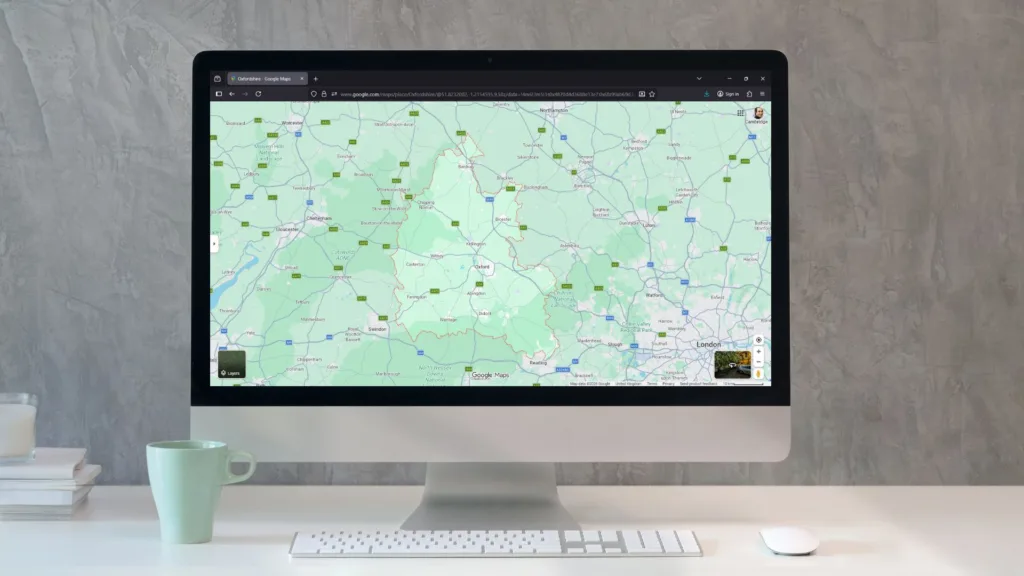
Plans to shake-up local government in Oxfordshire risk becoming a “great distraction” from the real issues facing councils if not handled properly, accprding to a local thinktank.
Chris Cousins, a member of POETS (Planning Oxfordshire’s Environment and Transport Sustainably), argued the Government risked replacing “one two-tier system with another”, despite its stated aim of simplification.
#pt-cv-view-0422846aq7 .pt-cv-ifield { padding-top: 16px !important; padding-right: 16px !important; padding-bottom: 16px !important; padding-left: 16px !important; }
#pt-cv-view-0422846aq7 .pt-cv-ifield { border-width: 1px 1px 1px 1px !important; border-style: solid !important; border-color: #d8d8d8 !important; border-radius: 8px 8px 8px 8px !important; }
#pt-cv-view-0422846aq7[class*=’cveffect’] .pt-cv-thumb-wrapper, #pt-cv-view-0422846aq7:not([class*=’cveffect’]) .pt-cv-thumbnail, #pt-cv-view-0422846aq7 .cvp-responsive-image[style*=background-image] { border-radius: 8px 8px 8px 8px }
#pt-cv-view-0422846aq7 .add_to_cart_inline .button { color: #ffffff !important; background-color: #00aeef !important; }
#pt-cv-view-0422846aq7 .woocommerce-onsale { color: #ffffff !important; background-color: #ff5a5f !important; }
#pt-cv-view-0422846aq7 .pt-cv-readmore { color: #00aded !important; border-style: none !important; border-color: #00aded !important; }
#pt-cv-view-0422846aq7 .pt-cv-readmore:hover { color: #00aded !important; border-style: none !important; border-color: #00aded !important; }
#pt-cv-view-0422846aq7 + .pt-cv-pagination-wrapper .pt-cv-more , #pt-cv-view-0422846aq7 + .pt-cv-pagination-wrapper .pagination .active a, .pt-cv-pagination[data-sid=’0422846aq7′] .active a { font-family: ‘Source Sans Pro’, Arial, serif !important; text-transform: uppercase !important; border-width: 1px 1px 1px 1px !important; border-style: solid !important; padding: 16px 36px 16px 36px !important; border-radius: 8px 8px 8px 8px !important; }
Got something to add to this story?
Share your thoughts, comments, or any additional insights with us using the form below – we’d love to hear from you!
Use this form
var gform;gform||(document.addEventListener(“gform_main_scripts_loaded”,function(){gform.scriptsLoaded=!0}),document.addEventListener(“gform/theme/scripts_loaded”,function(){gform.themeScriptsLoaded=!0}),window.addEventListener(“DOMContentLoaded”,function(){gform.domLoaded=!0}),gform={domLoaded:!1,scriptsLoaded:!1,themeScriptsLoaded:!1,isFormEditor:()=>”function”==typeof InitializeEditor,callIfLoaded:function(o){return!(!gform.domLoaded||!gform.scriptsLoaded||!gform.themeScriptsLoaded&&!gform.isFormEditor()||(gform.isFormEditor()&&console.warn(“The use of gform.initializeOnLoaded() is deprecated in the form editor context and will be removed in Gravity Forms 3.1.”),o(),0))},initializeOnLoaded:function(o){gform.callIfLoaded(o)||(document.addEventListener(“gform_main_scripts_loaded”,()=>{gform.scriptsLoaded=!0,gform.callIfLoaded(o)}),document.addEventListener(“gform/theme/scripts_loaded”,()=>{gform.themeScriptsLoaded=!0,gform.callIfLoaded(o)}),window.addEventListener(“DOMContentLoaded”,()=>{gform.domLoaded=!0,gform.callIfLoaded(o)}))},hooks:{action:{},filter:{}},addAction:function(o,r,e,t){gform.addHook(“action”,o,r,e,t)},addFilter:function(o,r,e,t){gform.addHook(“filter”,o,r,e,t)},doAction:function(o){gform.doHook(“action”,o,arguments)},applyFilters:function(o){return gform.doHook(“filter”,o,arguments)},removeAction:function(o,r){gform.removeHook(“action”,o,r)},removeFilter:function(o,r,e){gform.removeHook(“filter”,o,r,e)},addHook:function(o,r,e,t,n){null==gform.hooks[o][r]&&(gform.hooks[o][r]=[]);var d=gform.hooks[o][r];null==n&&(n=r+”_”+d.length),gform.hooks[o][r].push({tag:n,callable:e,priority:t=null==t?10:t})},doHook:function(r,o,e){var t;if(e=Array.prototype.slice.call(e,1),null!=gform.hooks[r][o]&&((o=gform.hooks[r][o]).sort(function(o,r){return o.priority-r.priority}),o.forEach(function(o){“function”!=typeof(t=o.callable)&&(t=window[t]),”action”==r?t.apply(null,e):e[0]=t.apply(null,e)})),”filter”==r)return e[0]},removeHook:function(o,r,t,n){var e;null!=gform.hooks[o][r]&&(e=(e=gform.hooks[o][r]).filter(function(o,r,e){return!!(null!=n&&n!=o.tag||null!=t&&t!=o.priority)}),gform.hooks[o][r]=e)}});
About you
Your message
Contact preference
gform.initializeOnLoaded( function() {gformInitSpinner( 22, ‘https://theoxfordmagazine.com/wp-content/plugins/gravityforms/images/spinner.svg’, true );jQuery(‘#gform_ajax_frame_22’).on(‘load’,function(){var contents = jQuery(this).contents().find(‘*’).html();var is_postback = contents.indexOf(‘GF_AJAX_POSTBACK’) >= 0;if(!is_postback){return;}var form_content = jQuery(this).contents().find(‘#gform_wrapper_22’);var is_confirmation = jQuery(this).contents().find(‘#gform_confirmation_wrapper_22’).length > 0;var is_redirect = contents.indexOf(‘gformRedirect(){‘) >= 0;var is_form = form_content.length > 0 && ! is_redirect && ! is_confirmation;var mt = parseInt(jQuery(‘html’).css(‘margin-top’), 10) + parseInt(jQuery(‘body’).css(‘margin-top’), 10) + 100;if(is_form){form_content.find(‘form’).css(‘opacity’, 0);jQuery(‘#gform_wrapper_22’).html(form_content.html());if(form_content.hasClass(‘gform_validation_error’)){jQuery(‘#gform_wrapper_22’).addClass(‘gform_validation_error’);} else {jQuery(‘#gform_wrapper_22’).removeClass(‘gform_validation_error’);}setTimeout( function() { /* delay the scroll by 50 milliseconds to fix a bug in chrome */ }, 50 );if(window[‘gformInitDatepicker’]) {gformInitDatepicker();}if(window[‘gformInitPriceFields’]) {gformInitPriceFields();}var current_page = jQuery(‘#gform_source_page_number_22’).val();gformInitSpinner( 22, ‘https://theoxfordmagazine.com/wp-content/plugins/gravityforms/images/spinner.svg’, true );jQuery(document).trigger(‘gform_page_loaded’, [22, current_page]);window[‘gf_submitting_22’] = false;}else if(!is_redirect){var confirmation_content = jQuery(this).contents().find(‘.GF_AJAX_POSTBACK’).html();if(!confirmation_content){confirmation_content = contents;}jQuery(‘#gform_wrapper_22’).replaceWith(confirmation_content);jQuery(document).trigger(‘gform_confirmation_loaded’, [22]);window[‘gf_submitting_22’] = false;wp.a11y.speak(jQuery(‘#gform_confirmation_message_22’).text());}else{jQuery(‘#gform_22’).append(contents);if(window[‘gformRedirect’]) {gformRedirect();}}jQuery(document).trigger(“gform_pre_post_render”, [{ formId: “22”, currentPage: “current_page”, abort: function() { this.preventDefault(); } }]); if (event && event.defaultPrevented) { return; } const gformWrapperDiv = document.getElementById( “gform_wrapper_22” ); if ( gformWrapperDiv ) { const visibilitySpan = document.createElement( “span” ); visibilitySpan.id = “gform_visibility_test_22”; gformWrapperDiv.insertAdjacentElement( “afterend”, visibilitySpan ); } const visibilityTestDiv = document.getElementById( “gform_visibility_test_22” ); let postRenderFired = false; function triggerPostRender() { if ( postRenderFired ) { return; } postRenderFired = true; gform.core.triggerPostRenderEvents( 22, current_page ); if ( visibilityTestDiv ) { visibilityTestDiv.parentNode.removeChild( visibilityTestDiv ); } } function debounce( func, wait, immediate ) { var timeout; return function() { var context = this, args = arguments; var later = function() { timeout = null; if ( !immediate ) func.apply( context, args ); }; var callNow = immediate && !timeout; clearTimeout( timeout ); timeout = setTimeout( later, wait ); if ( callNow ) func.apply( context, args ); }; } const debouncedTriggerPostRender = debounce( function() { triggerPostRender(); }, 200 ); if ( visibilityTestDiv && visibilityTestDiv.offsetParent === null ) { const observer = new MutationObserver( ( mutations ) => { mutations.forEach( ( mutation ) => { if ( mutation.type === ‘attributes’ && visibilityTestDiv.offsetParent !== null ) { debouncedTriggerPostRender(); observer.disconnect(); } }); }); observer.observe( document.body, { attributes: true, childList: false, subtree: true, attributeFilter: [ ‘style’, ‘class’ ], }); } else { triggerPostRender(); } } );} );
The post Ongoing coverage of the local government devolution proposals appeared first on The Oxford Magazine.

Literary festivals in Oxfordshire and beyond
From intimate gatherings celebrating local writers to major festivals attracting internationally acclaimed authors, journalists, historians and public figures, literary festivals offer a chance to step beyond the page and into the conversations shaping our culture.
Oxfordshire has a particularly rich literary calendar, with festivals and literary events taking place in historic towns and city venues throughout the year. And if you’re willing to travel a little further, there are plenty more within easy reach of Oxford. Here are some of the best-known literary festivals in Oxfordshire — plus a selection just beyond the county and further afield.
Founded in 2007, the Henley Literary Festival has firmly established itself as one of the UK’s most popular literary festivals, bringing together punters and pundits from far and wide in an annual meeting-of-minds set across its stunning riverside hometown.
Henley Literary Festival is established as one of the UK’s biggest book festivals. Previous speakers have included John Mortimer, Doreen Lawrence, John Major, Julia Donaldson, Richard E. Grant, Candace Bushnell, John Sentamu, Cressida Cowell and Graham Nash.

26 October to 07 November
The Beacon and other venues across Wantage
Wantage Literary Festival returns for its 16th year, bringing acclaimed authors, historians, journalists, artists and musicians to the Oxfordshire town. The packed programme explores literature, history, politics, art, science and the natural world.
Highlights include Victoria Hislop, Jasper Fforde, Stephen Sackur and Janina Ramirez, alongside family events, music, walking tours, sea shanties and the Big Town Read.

Sheldonian Theatre & other venues
The Oxford Literary Festival offers nine days of talks, debates and cultural events centred around some of Oxford’s most iconic venues. Celebrated for its world-class line-up, the festival nurtures open dialogue and welcomes thinkers, writers and performers from around the globe.
The Sheldonian Theatre serves as a central hub for the festival, with events also taking place across Oxford’s historic university quarter. Alongside its international programmes, the festival offers an accessible and wide-ranging celebration of literature, culture and ideas.
Literary festivals beyond Oxfordshire
For those happy to venture a little further, these literary festivals offer plenty of compelling reasons to explore beyond Oxfordshire.

Cliveden Literary Festival offers a distinctive setting for lively discussion, thought-provoking ideas and political debate, bringing together leading authors, thinkers and public figures at the National Trust’s historic Cliveden estate.
Beyond the programme of talks and conversations, visitors can explore the beautiful gardens and enjoy scenic walks through the estate towards the River Thames, making the festival as much an opportunity to soak up its surroundings as it is to engage with literature and ideas.

Marlborough Literature Festival 2026
24 to 27 September
The Marlborough Literature Festival brings together writers, readers and literary enthusiasts in the beautiful Wiltshire market town of Marlborough, around 45 miles from Oxford. Its programme offers an engaging mix of author conversations, storytelling, ideas and family-friendly events.
With a focus on celebrating writing in all its forms, the festival creates opportunities to hear from bestselling authors, discover new voices and share a love of books and reading in a welcoming setting.

Bath Children’s Literature Festival 2026
25 September to 04 October
Bath Children’s Literature Festival – Europe’s largest dedicated children’s literature festival bringing some of the biggest and best loved names in the world of children’s books to a family audience of thousands.
The festival takes place across various locations in Bath, around 80 miles from Oxford (just under a two-hour drive). There’s something for everyone at this autumn’s Bath Children’s Literature Festival, which brings a host of writers and illustrators to the city for live, interactive events for young people of all ages.

Birmingham Literature Festival 2026
08 to 12 October
The Birmingham Literature Festival is a leading festival in the Midlands, showcasing the very best writers, speakers, thinkers, activists and artists from the UK and across the world.
The festival brings together writers, artists, commentators, readers, and thinkers – to share, learn, connect and enjoy three days of great creative writing – creating unique opportunities for audiences to experience high-quality events via an annual festival programme and associated projects.

Cheltenham Literature Festival 2026
09 to 18 October
Established in 1949, Cheltenham Literature Festival is one of the oldest literary events in the world. For ten days every Autumn, Cheltenham is transformed into a literary lover’s dream as it welcomes over 600 of the world’s finest writers, actors, politicians, poets and opinion formers – to help celebrate the joy of the written word.
Cheltenham Literature Festival is part of Cheltenham Festivals – a charity delivering a pioneering year-round educational programme culminating in four internationally-acclaimed Jazz, Science, Music and Literature Festivals. Cheltenham Festivals creates experiences that bring joy, spark curiosity, connect communities and inspire change.
London Literature Festival 2026
20 October to 01 November
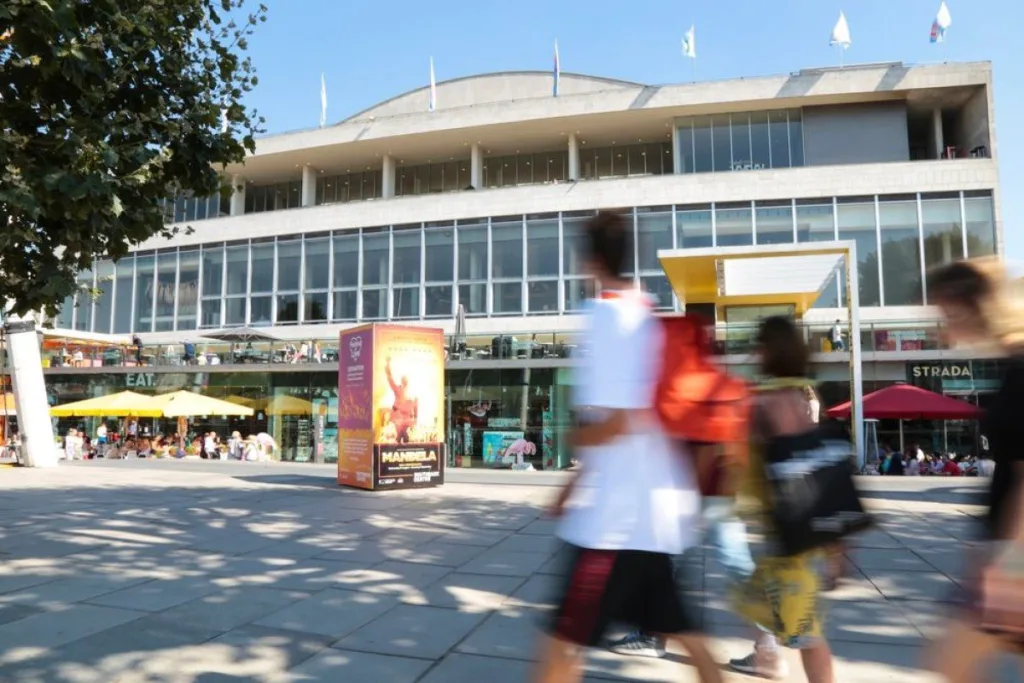
There’s always a heavyweight line-up of the biggest authors and speakers at the capital’s most talked-about literary festival of the year. Previous speakers have included Hillary Clinton, Philip Pullman, and Tom Hanks take to the stage for individually ticketed events. This year’s festival reflects on what it means to be friends today.
Taking place at the Southbank Centre – the largest arts centre in the UK and one of the country’s top five visitor attractions – London Literature Festival is always full of encounters with the writers shaping our cultural life and a line-up of eminent authors alongside rising literary stars.
Winchester Books Festival 2027
16 to 18 April 2027
Winchester Books Festival brings authors, readers and ideas together in one of England’s most historic cities. With a programme spanning fiction, history, politics, culture and current affairs, the festival offers a varied mix of author talks, conversations and literary events.
Winchester’s compact centre and rich literary heritage make it an appealing destination for Oxfordshire readers looking to venture further afield for a weekend of books and conversation.
Swindon Festival of Literature 2027
May 2027 (TBC)
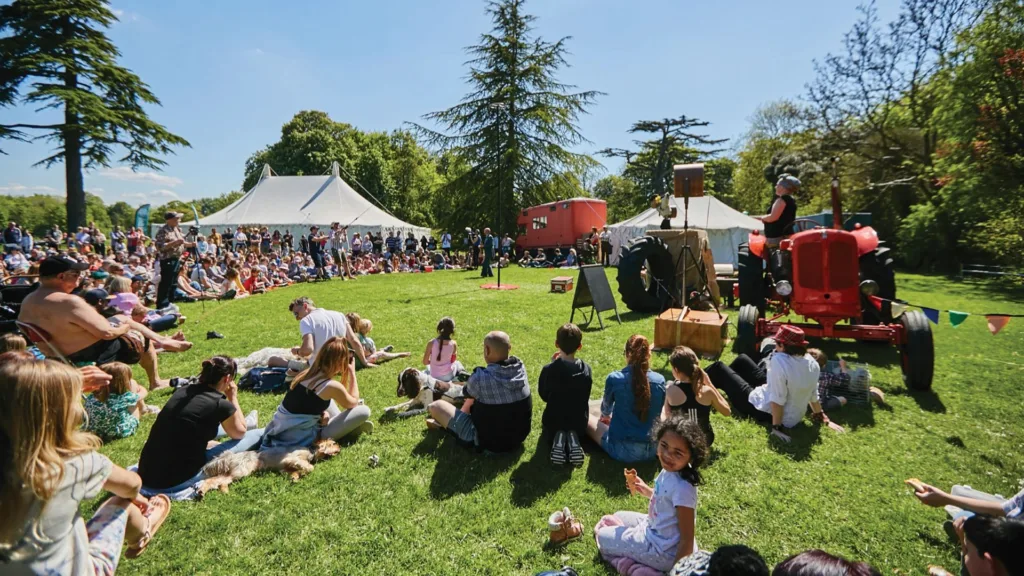
Swindon Festival of Literature brings together authors, readers and thinkers for a varied programme celebrating books, ideas and storytelling. Events take place at the Swindon Arts Centre and a host of other venues around town, with talks, discussions, workshops and family events spanning fiction, poetry, history, culture and current affairs.
Within easy reach of Oxfordshire, Swindon offers a straightforward literary day out for readers looking to explore events beyond the county. Its broad programme and welcoming atmosphere make it a useful addition to a wider regional literary festival round-up.
Buckingham Literary Festival 2027
June 2027 (TBC)
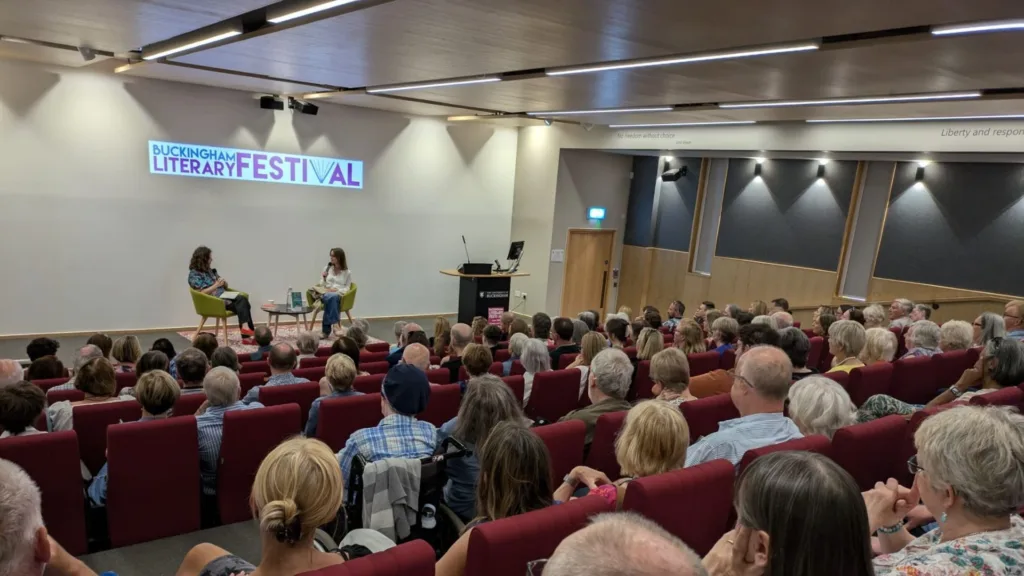
BuckLitFest brings writers, readers and literary enthusiasts together in the historic market town of Buckingham. Its programme features author talks, conversations and events spanning fiction, history, politics, culture and more, offering plenty for curious readers to discover.
Just beyond Oxfordshire, the festival makes an easy day trip for local readers seeking new voices, fresh ideas and lively discussion. Its welcoming community atmosphere makes it an appealing literary escape without travelling too far from home.
What’s on in Oxford and across Oxfordshire this September
Hello and welcome to your invaluable guide to the best events, exhibitions and things to do in Oxford and across Oxfordshire throughout September.
September in Oxfordshire may be ‘back to school’ time, but it’s also when the county comes alive with a lot of the cultural scene that goes into semi-hibernation mode over the summer, returning to life in the autumn.
From comedy to concerts, funfairs to country fairs, there’s something in stock for everyone in Oxfordshire this September. And if you fancy venturing further afield, consider a cultural day trip to London’s west end for a weekend matinee in one of London’s theatres (the capital city is relatively calmer then).
And while it may officially be the end of summer, the British Autumn may yet surprise us with some spectacular sunny spells. If that be the case, make the best of it with brunch at one of Oxfordshire’s best restaurants with outdoor seating or afternoon tea in a country house that’s within easy reach.
Needless to say, this is a curated list of things to do in Oxford and across Oxfordshire this September. Take a look at the “What’s on” section, where you’ll find a growing array of events in Oxford and across Oxfordshire, plus unmissable ones beyond the county that would make for a great day out.
Got an event that should be on the list? List your event on The Oxford Magazine website and reach our growing audience of people who live, work or play in Oxfordshire. Once again, welcome to your invaluable guide to what’s on in Oxford and across Oxfordshire this September.
Blenheim Palace is delighted to be hosting a series of exclusive watercolour workshops led by acclaimed Woodstock artist Rod Craig.

Aylesbury Waterside Theatre
Welcome to The Choir of Man, the best pub in the world. Come ready to drink in the excitement. Brimming with hits from artists such as Queen, Luther Vandross, Sia, Paul Simon, Adele, Guns & Roses, Avicii and Katy Perry and many more.

Salon Privé returns to Blenheim Palace with their most sensational line-up to date. For four days, the South Lawn will be overcome with the finest super and classic cars in the world, accompanied by luxury brands and exquisite hospitality to form the UK’s Most Exclusive Motor Show.

The North Wall Arts Centre
BAFTA-winning writer and recovering spoken-word artist Jack Rooke brings back his debut comedy-theatre show ‘Good Grief’ featuring the original show, some present day musings and a decade retrospective of Jack Rook capitalising on his dead dad to varied levels of failure and success.

Ruby Wax and Clive Tulloh review clips from Ruby’s extraordinary shows, tell scandalous stories never before heard, and take the audience along for the ride.

On the banks of the Thames in South Oxfordshire, Wallingford BunkFest is a free-access community festival providing a unique, family-friendly celebration with something for everyone. From a small marquee in a pub car park to filling the KineCroft and providing entertainment throughout Wallingford, on the River Thames and the Bunk Railway line.
Festival lineup includes: The Delicate Sound of Pink Floyd / Dr Feelgood / The Blue Water Giants
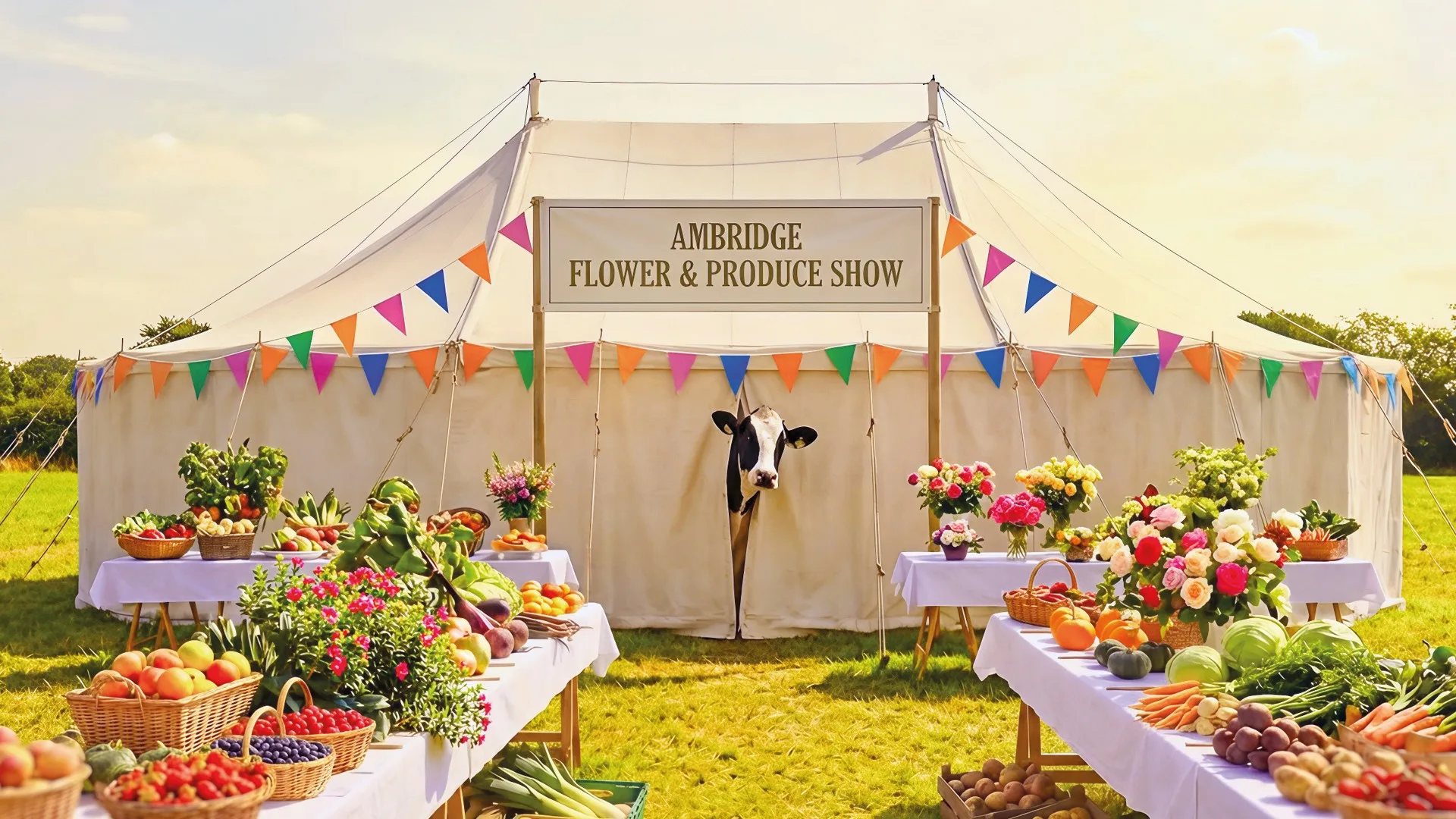
The Archers: Live at 75 tours the UK with cast performances, music and nostalgic moments celebrating the iconic BBC show. Experience Ambridge as you’ve never seen – or heard – it before!

Michael Spicer, the online sensation who brought you the award-winning viral hit The Room Next Door, brings another hilarious and brilliantly entertaining satirical stage show – Hope All’s Well.
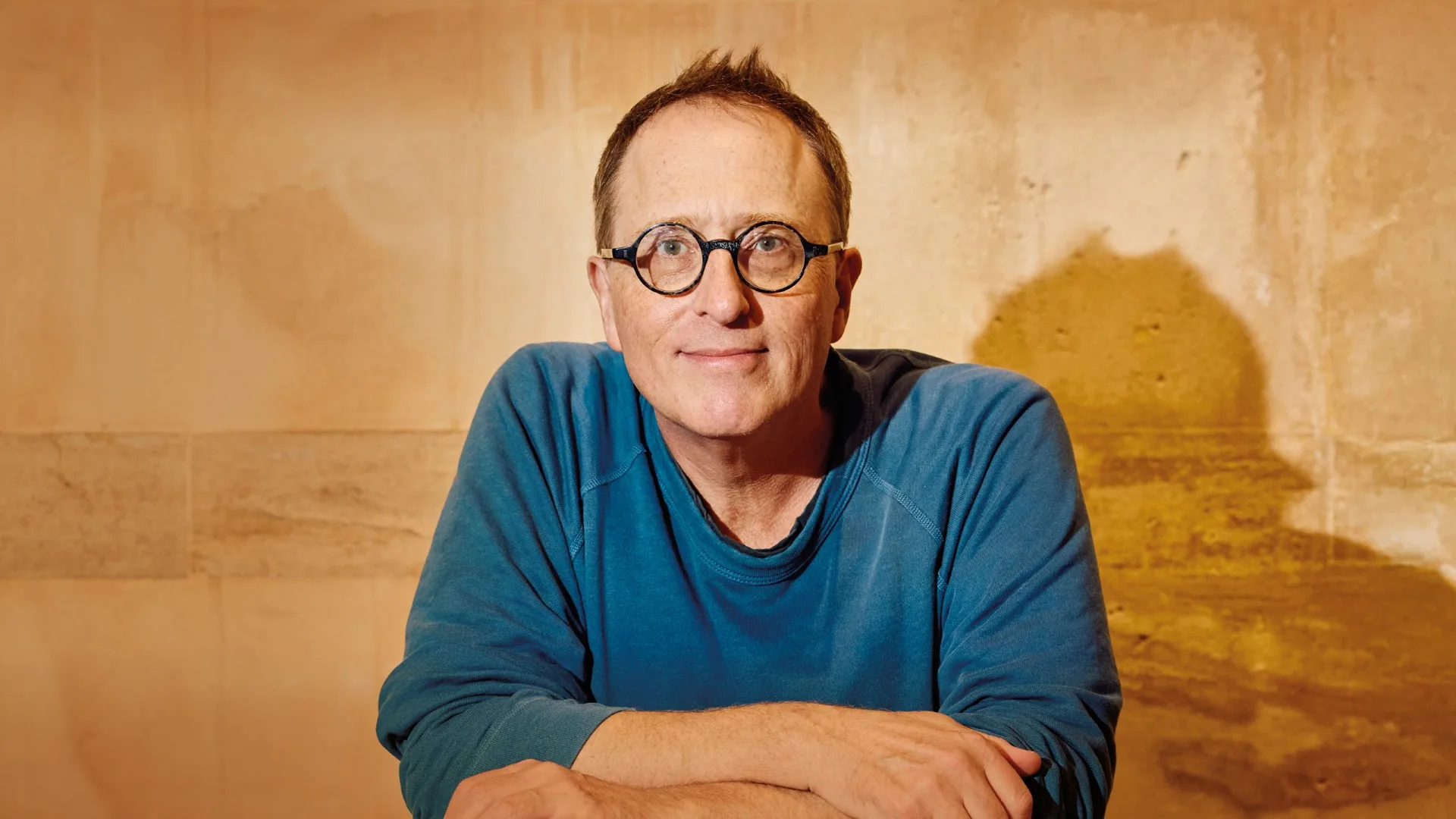
Jon Ronson brings his latest book to life on stage, exploring mystery, crime and human behaviour in a gripping live show. You’ll also get a first look at what’s coming in the next season of Things Fell Apart, and the chance to put your questions directly to Jon.
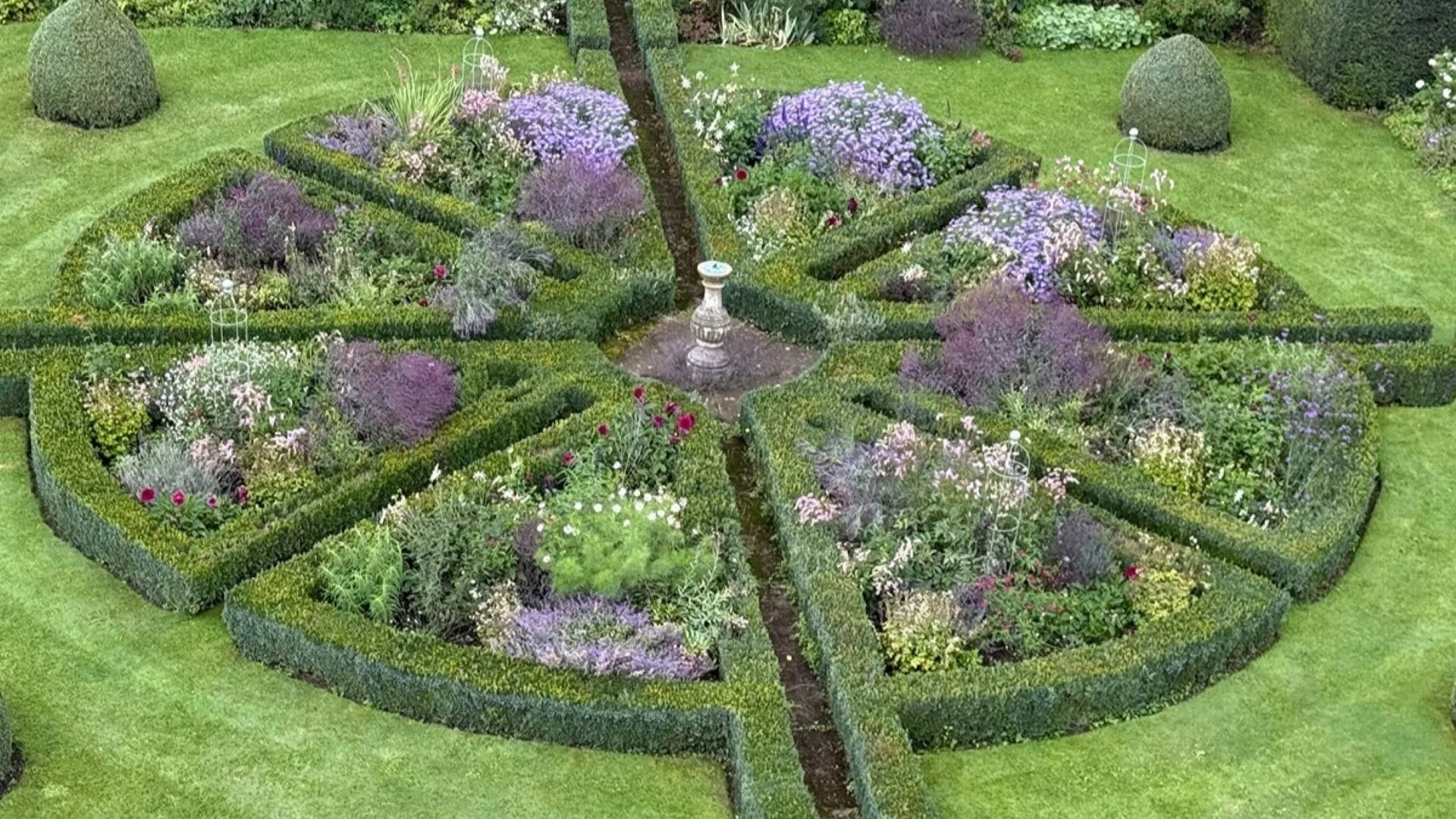
The Rare Plant Fair at Adwell House near Thame brings together specialist nurseries and plant enthusiasts in a historic Chilterns garden setting. Visitors can explore rare and unusual plants, enjoy food stalls, and experience the estate’s celebrated walled garden and water features.

St Giles’ Fair is one of the most prestigious and long-standing fairs in the country, dating back to 1625 as a parish festival celebrating the feast of St Giles – it is held on the Monday and Tuesday following the first Sunday after St Giles’ Day (01 September).
Over the centuries, it has evolved from a toy and children’s fair to a large-scale funfair, with rides and attractions expanding during the Victorian era. Today, the fair is run by Oxford City Council, drawing huge crowds for two days of traditional rides, games, and festivities each September.
Discover more: All the fun of the fairs

Holy Holy recreate the authentic sound of David Bowie with drummer Woody Woodmansey and producer Tony Visconti leading an all-star band through Bowie classics from the 1970s to Blackstar. Featuring Heaven 17’s Glenn Gregory on vocals, the acclaimed live show celebrates one of music’s most influential catalogues with stunning performances and musicianship.
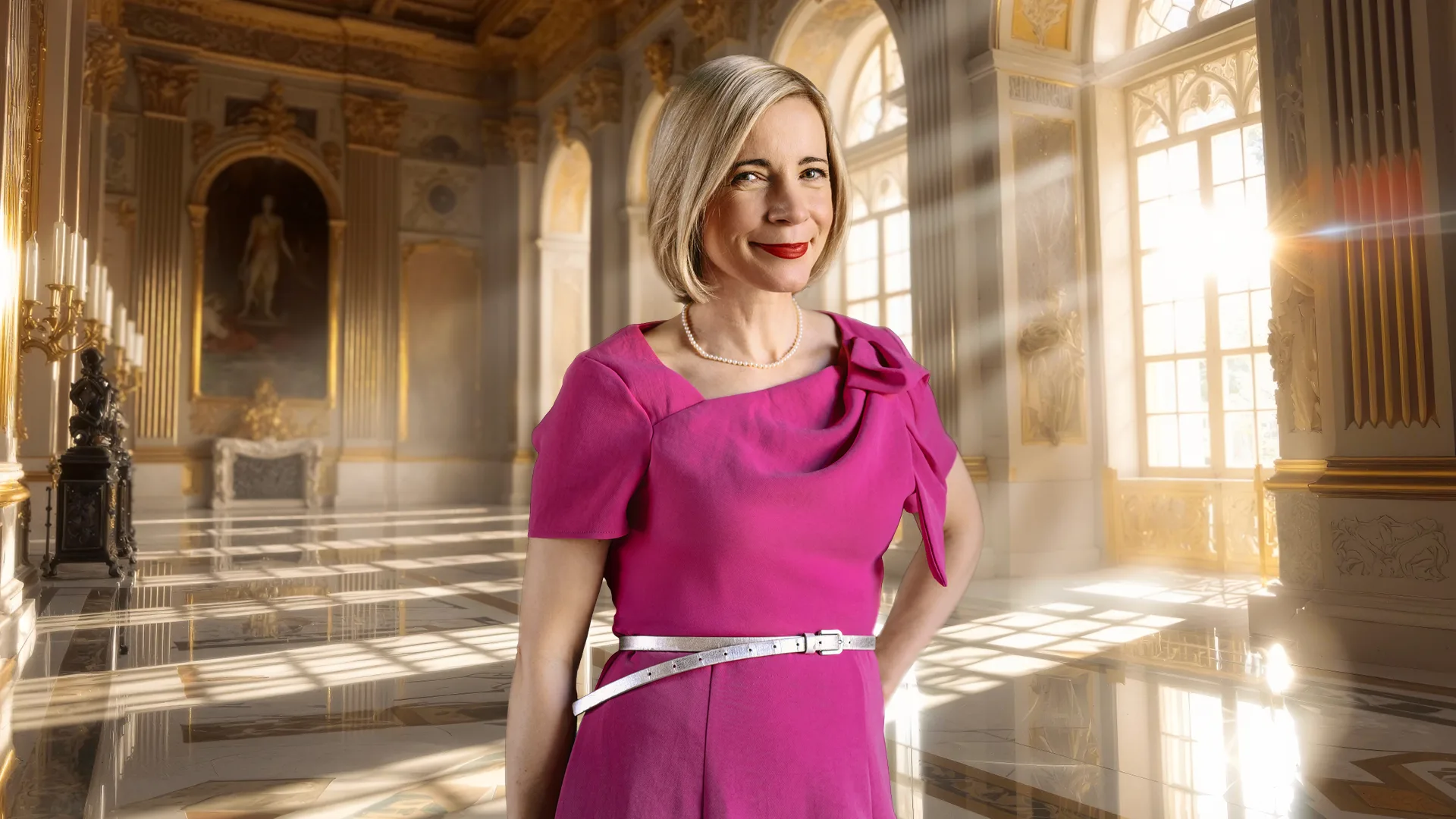
Lucy Worsley shares stories from Britain’s royal past in an engaging live event exploring palaces, monarchs and history. Prepare to be entertained, enlightened, and thoroughly charmed.
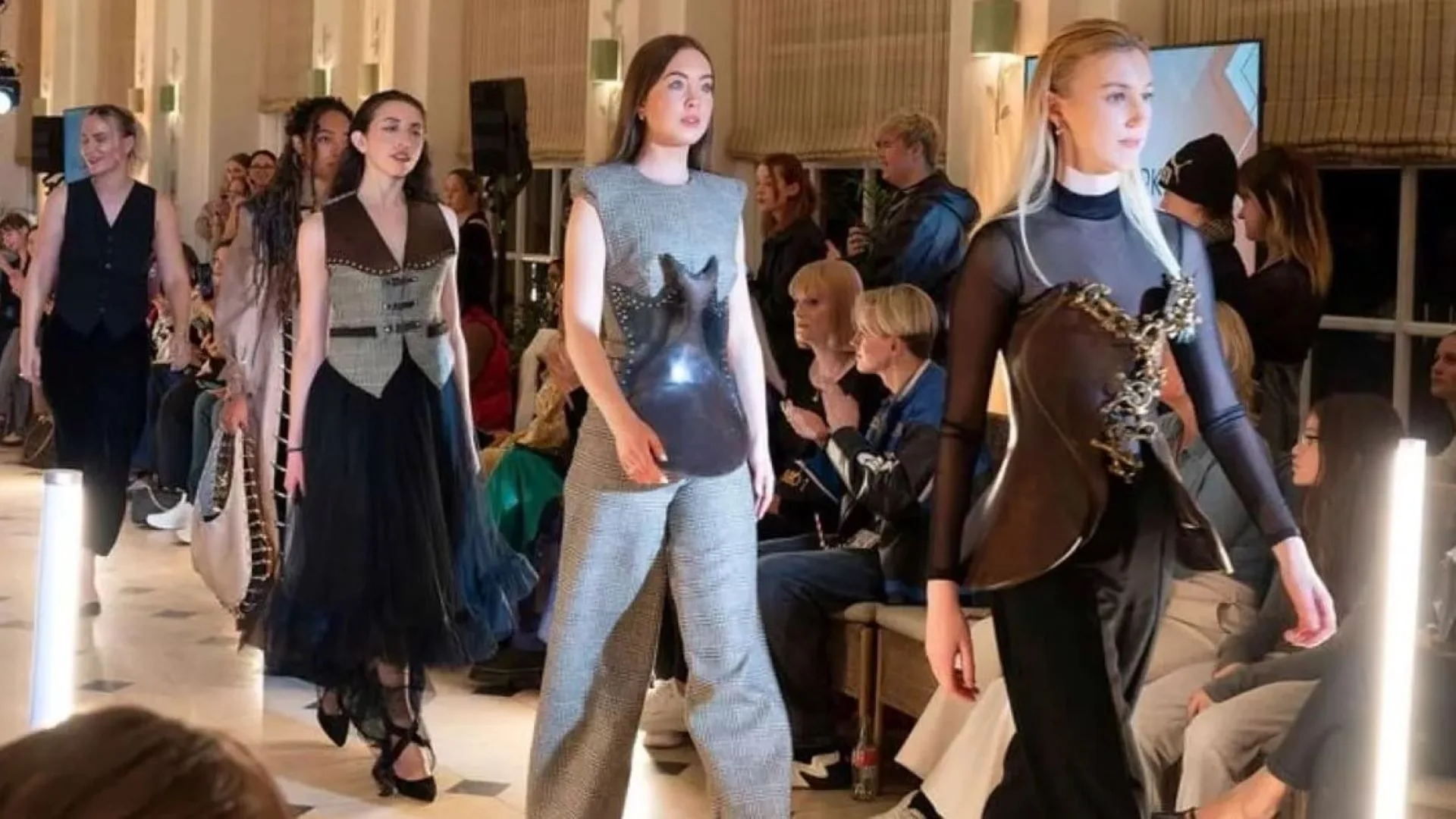
The Sustainable Fashion Show returns to Blenheim Palace as part of Sustainable Fashion Week 2026. Showcasing innovative local and emerging designers, the runway features more than 70 sustainable looks created from rescued, upcycled and pre-loved materials in the stunning Orangery setting.

Cornbury House Horse Trials is a new original eventing experience that promises to be a stylish, fun, and innovative experience for competitors and spectators from all around the world. Enjoy locally sourced and sustainable food and drink, retail with luxurious local brands, plus access to the otherwise private Deer Park and the wider historic parkland.

Experience an extraordinary piano recital from Grammy Award-winning Icelandic pianist Víkingur Ólafsson as he explores the timeless musical connections between Bach, Beethoven and Schubert. Featuring expressive performances and the introduction of the Schwarzman Centre’s new Steinway D grand piano, this captivating programme celebrates beauty, lyricism and emotional depth.

Paul Merton and Suki Webster’s Improv Show is an evening of sensational improvised comedy featuring fast, fabulously funny improvised games, scenes, stories and laugh out loud surrealism.

Join A Night of Laughs for a fantastic evening of comedy in aid of the Oxfordshire charity, Lawrence Nurses. Don’t miss Miles Jupp, Adam Kay, Lucy Porter, Arthur Smith, and Ria Lina for a night of sharp wit and big laughs – all for an incredible cause.

The team behind OxPHWOARd brings Toxic MasculiniTEASE, boylesque at its best – a racy romp of bodacious boys and satirical striptease, starring performers of all shapes, sizes, and genders, pushing boundaries and showing there’s more than one way to be sexy and masc!
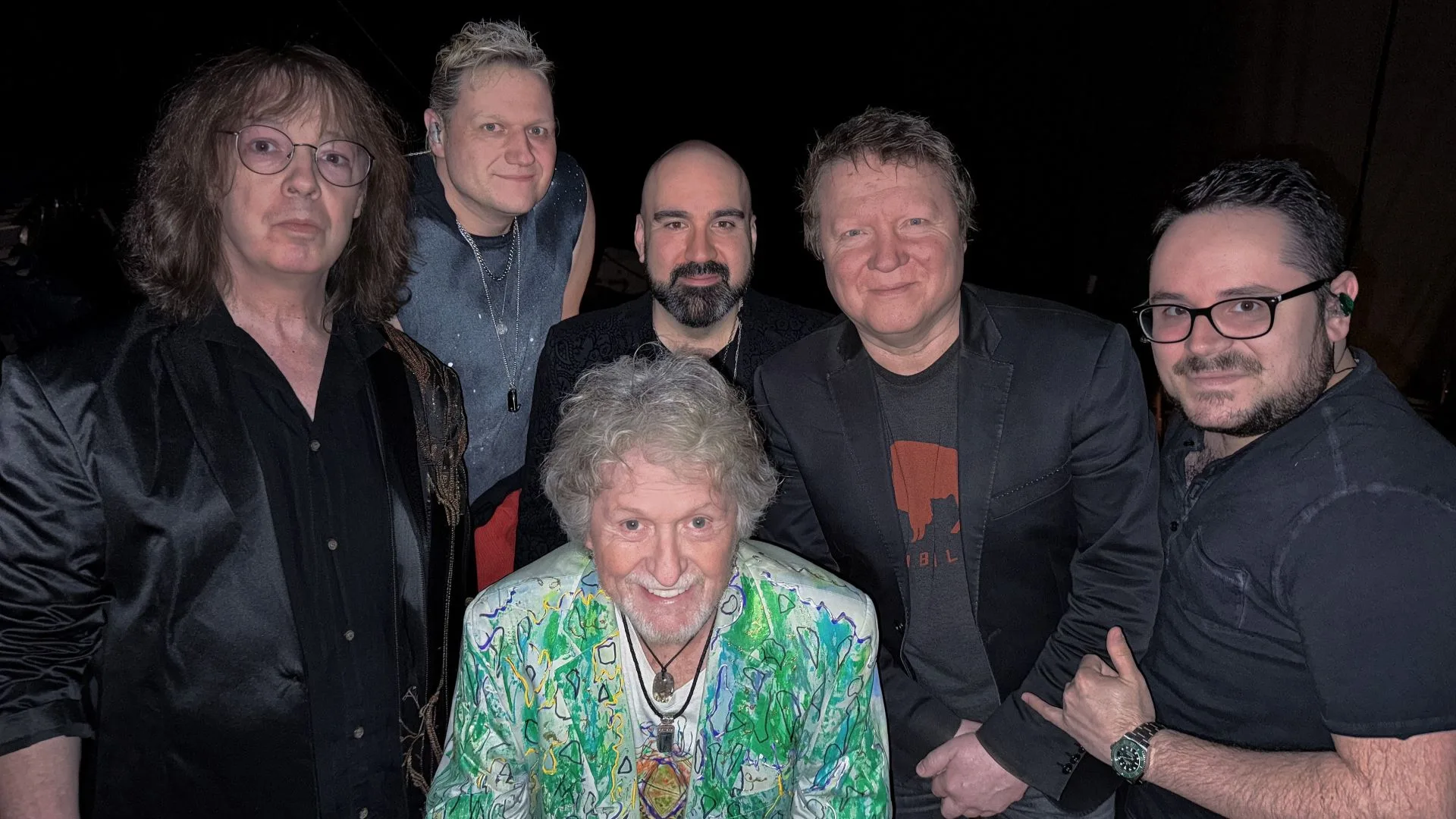
Jon Anderson performs YES classics live with The Band Geeks in a tour celebrating iconic progressive rock hits.

The Theatre Chipping Norton
Lucy Porter returns to Chippy with a brand new show about the power of letting yourself go – in every sense and using your midlife crisis to pursue new goals and reinvent yourself.

Aylesbury Waterside Theatre
Tom Bailey opens his 2026 UK tour with a Friars Aylesbury performance celebrating the biggest Thompson Twins hits, joined by special guests Blancmange for an evening of iconic Eighties synth-pop classics.
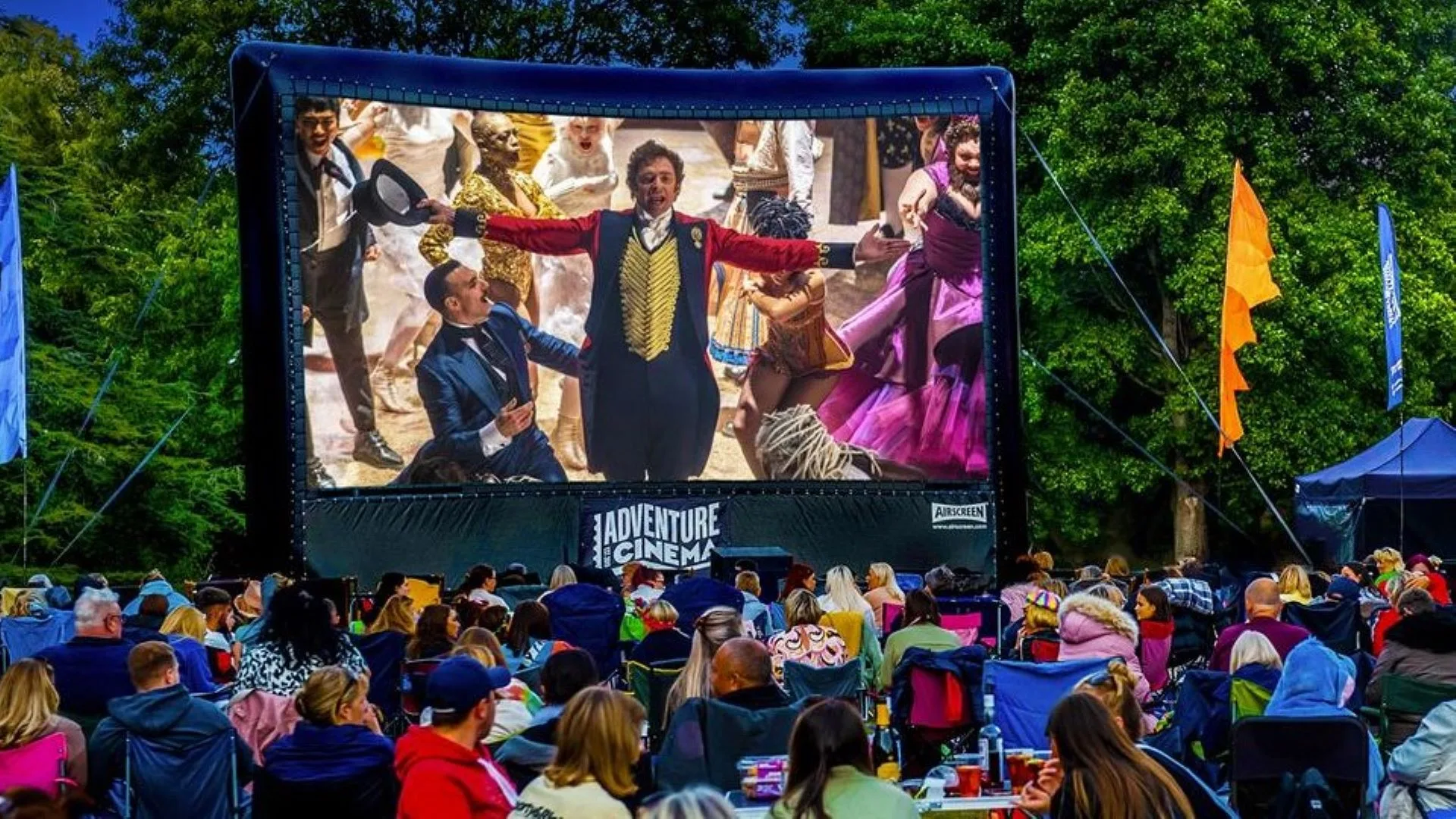
The UK’s No.1 outdoor cinema shows come to the beautiful Stonor Park & Gardens near Henley-on-Thames. Get ready for an experience like no other in this incredible setting.

Join Miriam in conversation for stories from the new book, naughty confessions, and a no-holds-barred Q&A where no question is off-limits. Expect memories & mammaries, Arsenal, politics, filth, and absolutely everything in between.

Oxford Open Doors is a weekend that celebrates Oxford’s heritage and culture by giving everyone the chance to explore the colleges, university buildings and green spaces together with a range of heritage sites across the city – many of which are not usually open to members of the public.
Read more: Oxford Open Doors: nine properties to see inside

Henley Farm & Country Show is a fun, family day visited by thousands every year and this year features the spectacular Bolddog Motorcycle Display Team, Shetland Pony Racing, Scurry Racing, Grand Parades of Animals, Heavy Horse Parade, Farm Machinery, Classic Cars and Vintage Tractors in the main ring.
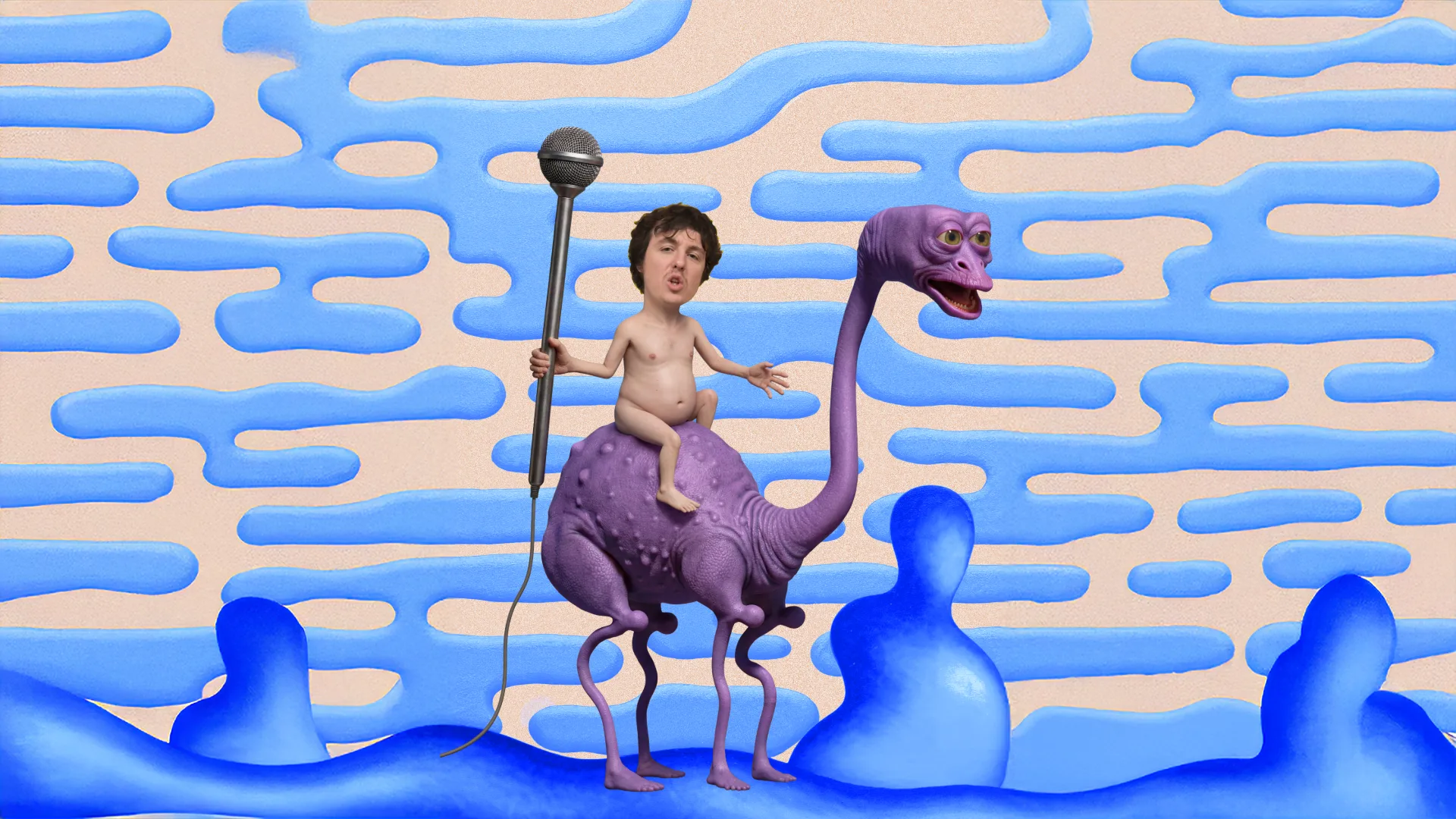
Sam Campbell brings his surreal comedy show Kid Giblet live, blending absurd humour with sharp observational wit.

Witney Feast 2026 brings the community together for a lively celebration of local food, drink, entertainment and family-friendly fun in the heart of Witney.

Aylesbury Waterside Theatre
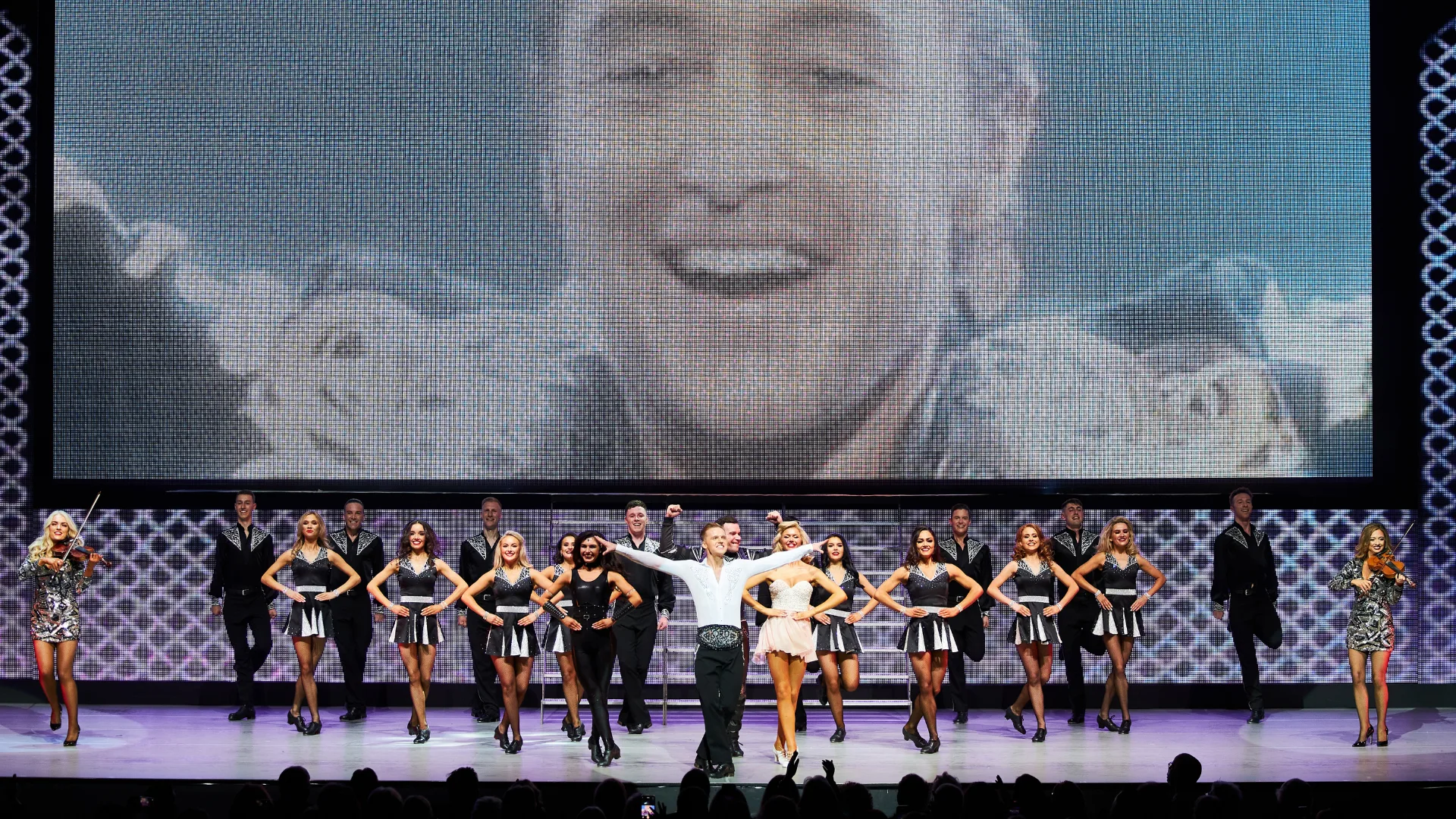
Lord of the Dance presents their 30th Anniversary, a combination of precision dance, powerful music, pyrotechnics, and emotional storytelling featuring over 150,000 taps per performance, with the dancers’ energy and passion promising an electrifying experience.

Transform Trauma Oxford 2026 by Masters Events presents Science, Spirit and the Body: The Synthesis of Healing, exploring how modern science, embodied practice and spiritual understanding come together to create a more integrated vision of healing. Join thousands of people from around the world who are advancing the future of trauma and mental health care.
Lineup of speakers includes: Gabor Maté / Bessel van der Kolk / Licia Sky / Tara Swart and many more.

Schwarzman Centre for the Humanities
MAN WOMAN, a visually striking dance performance by New York choreographer Vangeline that reimagines the world of Butoh for contemporary audiences. Inspired by Eikoh Hosoe’s iconic photographs, the production blends expressive movement, visionary costumes and an immersive electro-acoustic score to explore identity, transformation and female agency through a bold feminist lens.

The Blenheim Palace International Horse Trials is a must for any eventing enthusiast. It’s four days of eventing action, including Dressage, Cross Country and Showjumping, all taking place in the breathtaking grounds of one of Britain’s most beautiful and historic venues – Blenheim Palace, home of the Duke of Marlborough.

Get ready for three days of rides, thrills, treats and family fun as the annual Thame September Fair lands on the High Street. From dodgems and waltzers to hot dogs and candy floss, there’s something for everyone.
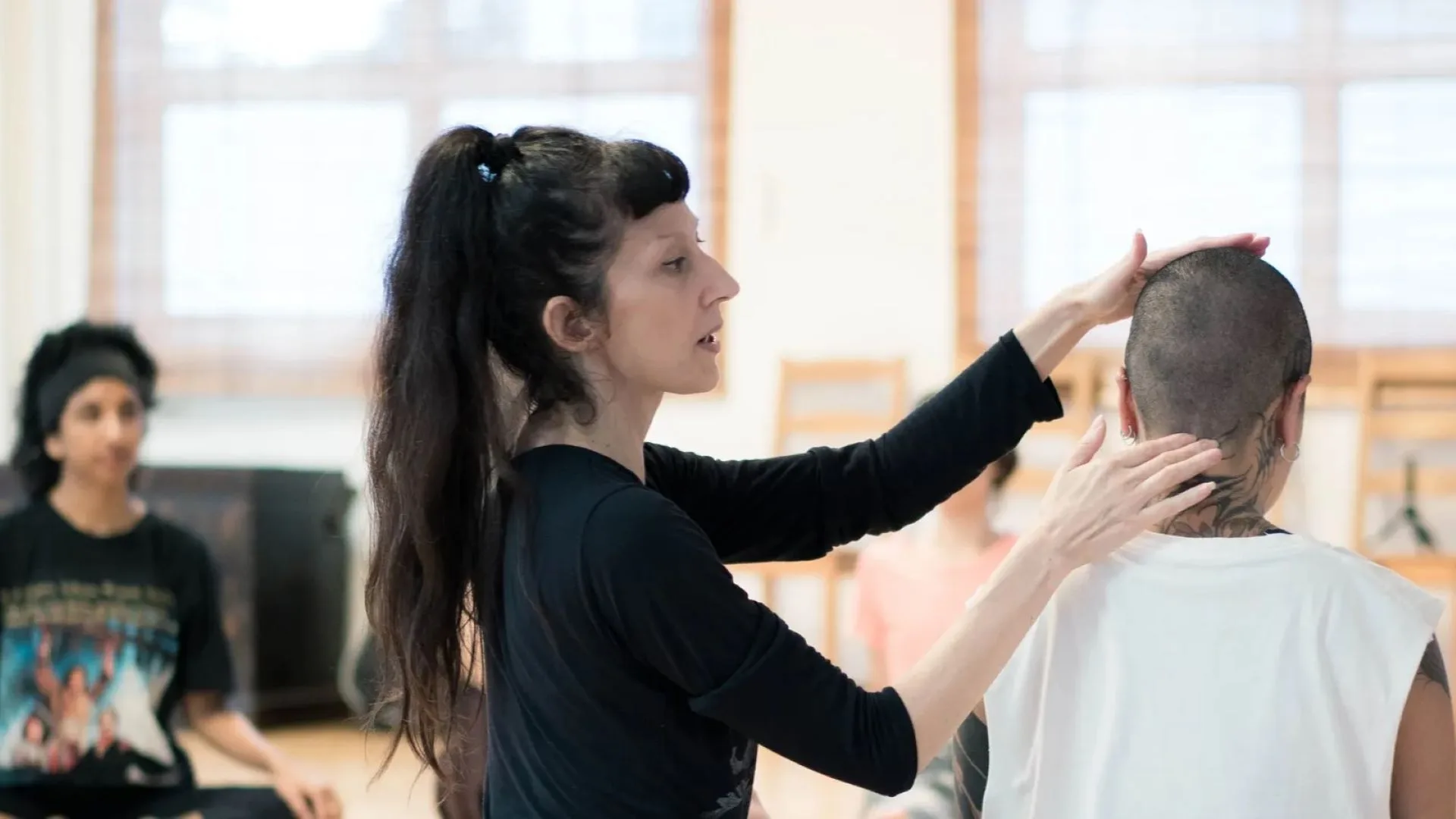
Learn to move with ease, fluidity and total control with internationally acclaimed choreographer, dancer and teacher Vangeline. Whether you’re a dancer, performer, or simply a complete beginner who is curious about movement and creativity, this workshop welcomes all.
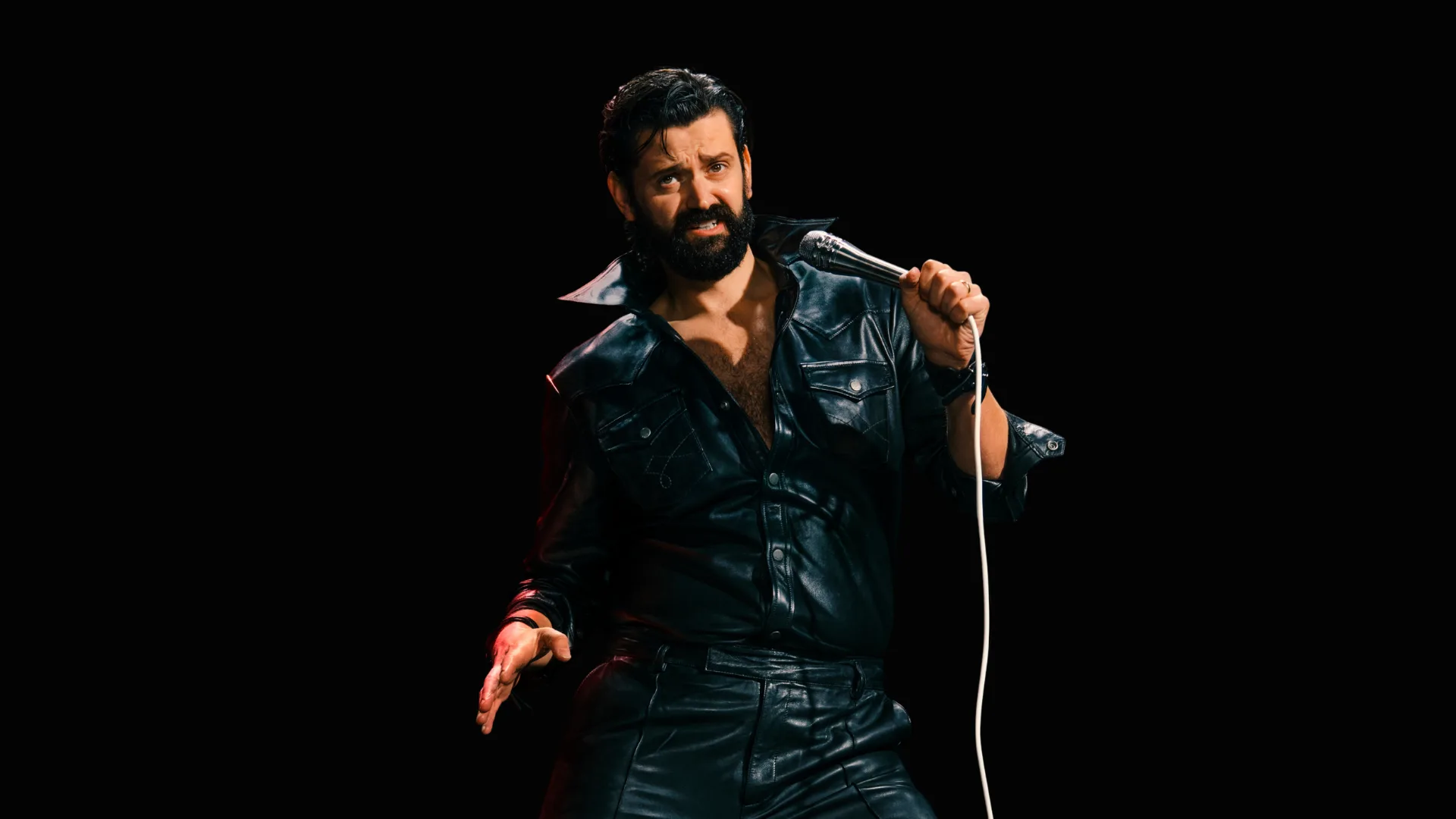
Fin Taylor, the King of the Internet Jungle, is back with his Pre-emptive Comeback Special live, delivering sharp, fearless stand-up on his biggest tour yet.

The Knights of Royal England return to Stonor Park for an action-packed weekend of medieval jousting, thrilling full-contact tournaments and family entertainment. Enjoy archery, falconry, axe throwing, street food and adventures at Tumblestone Hollow in a spectacular historic setting.

Experience the electrifying reunion of Formula One’s most captivating driver partnership, as former team-mates, fierce rivals and companions David Coulthard and Mika Häkkinen are back on the road for a live evening of stories, insight and humour.
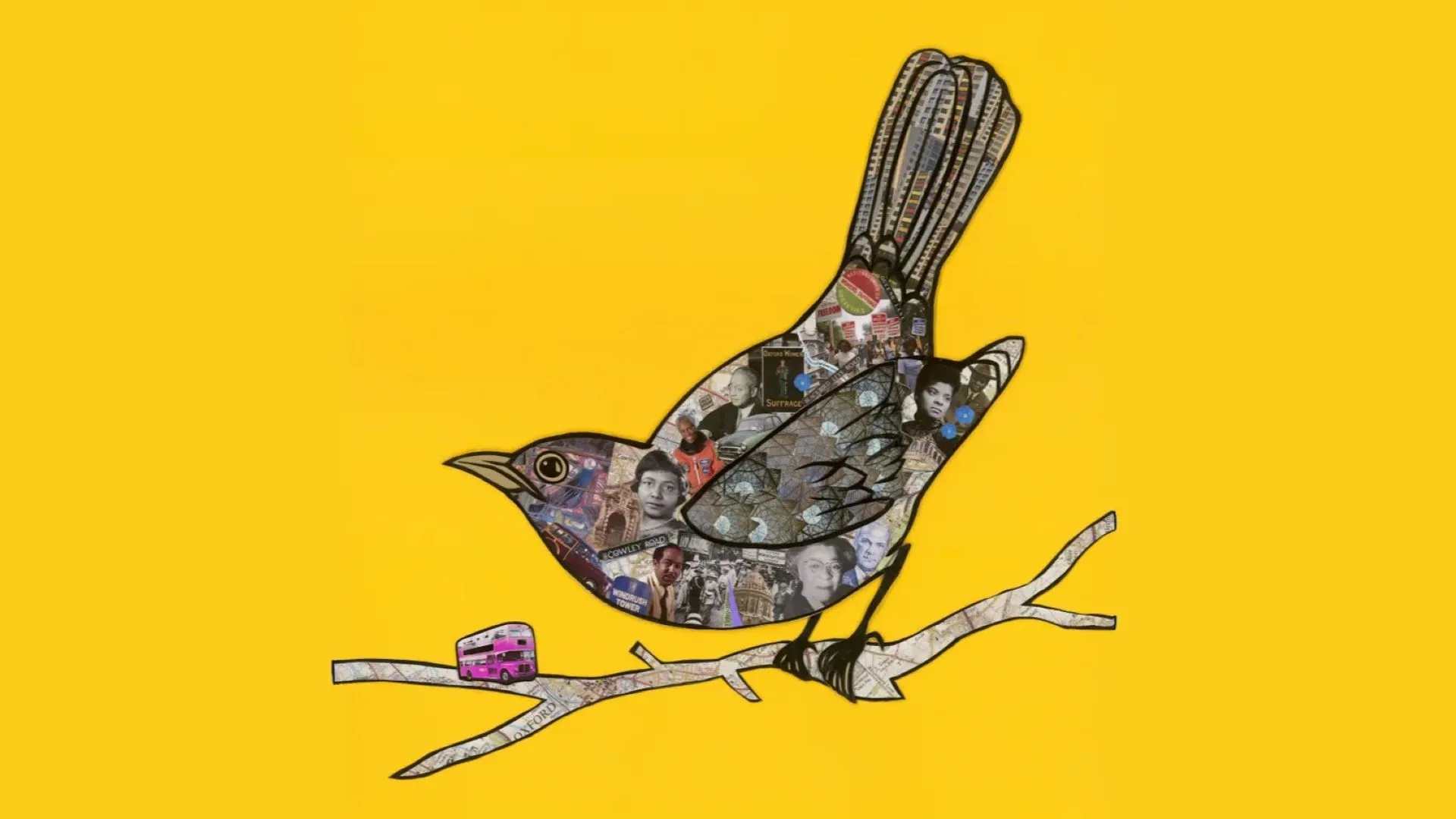
23 September to 11 October
Step aboard When the Blackbird Sings, an immersive promenade production that takes audiences on a remarkable journey through Oxford’s past and present. Following Paulette’s inspiring story from 1966, this powerful new production combines live performance, travel by bus and historic locations to explore identity, community, resilience and the people who have shaped the city’s history.

The Lemonheads head out on their 2026 tour, representing a significant new chapter for the band rooted in a commitment to their music and the community that surrounds it.

The award-winning Oxford Opera Company is back at The Playhouse with Puccini’s iconic Tosca. New Zealand-born Samoan soprano, Marlena Devoe returns following critically acclaimed performances as Mimi in La Bohème and Pamina in The Magic Flute. Be swept away by the majesty of Puccini’s music as Oxford Opera Orchestra brings this epic human story of love, lust, loyalty, corruption, jealousy, and revenge to life.
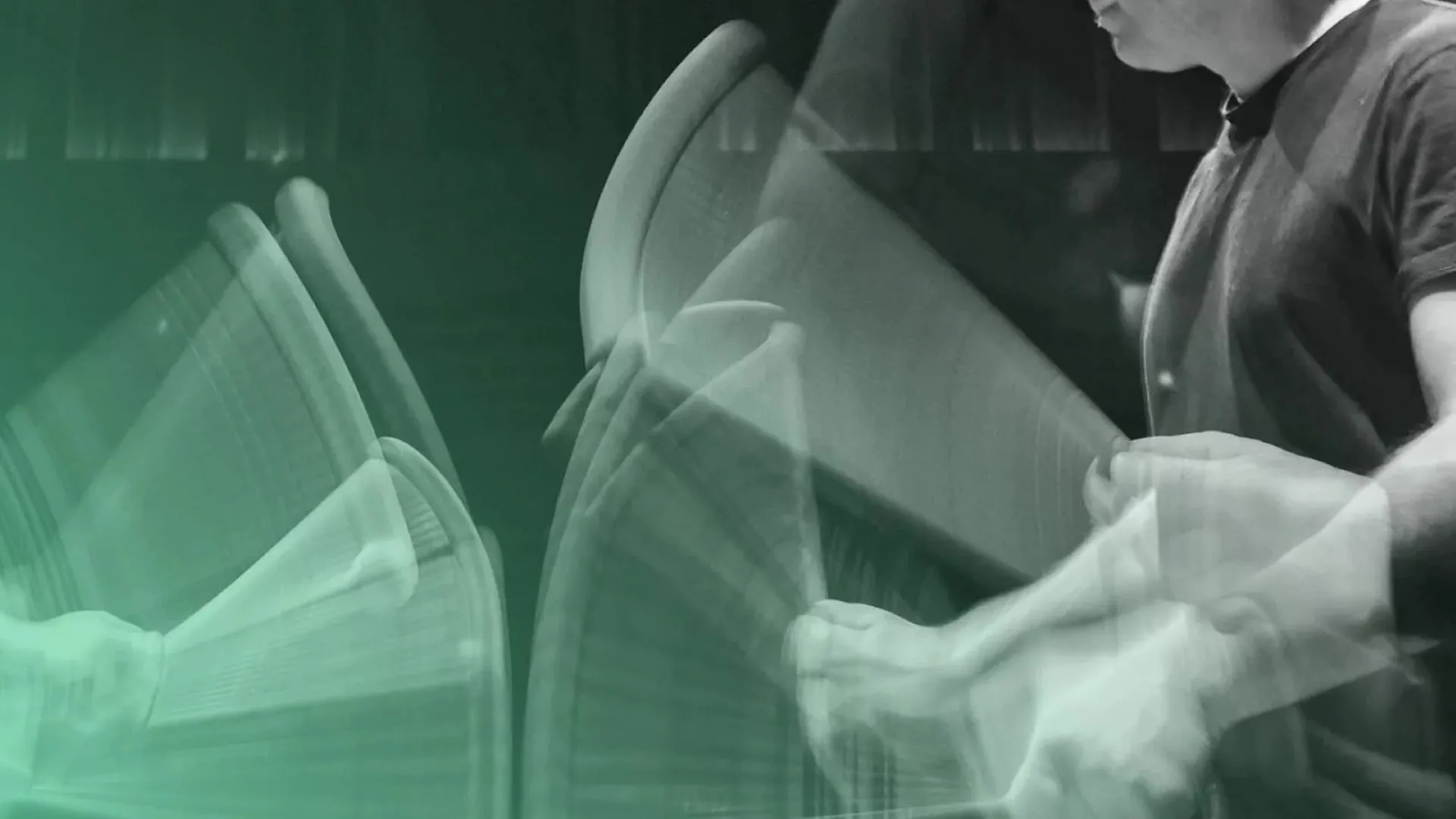
25 September to 11 October
Phase | Pattern | Pulse features three audio programmes of Steve Reich’s compositions: Music for 18 Musicians, Drumming and The Sextets, offering an exploded 360° insider’s view of some of Reich’s most admired compositions, revealing the inner structures of each piece in fresh and startling detail.

University Church of St Mary the Virgin
Experience an enchanting candlelit evening with the English Chamber Orchestra and acclaimed violinist Harriet Mackenzie, featuring Vivaldi’s exhilarating Winter from The Four Seasons, Vaughan Williams’ soaring The Lark Ascending and John Eccles’ beautiful Aire from The Mad Lover’s Suite.

The North Wall Arts Centre
Fresh from starring in the latest series of Taskmaster, Ania Magliano brings Peach Fuzz, a brand-new show full of jokes, confessions, and occasionally unhinged observations.
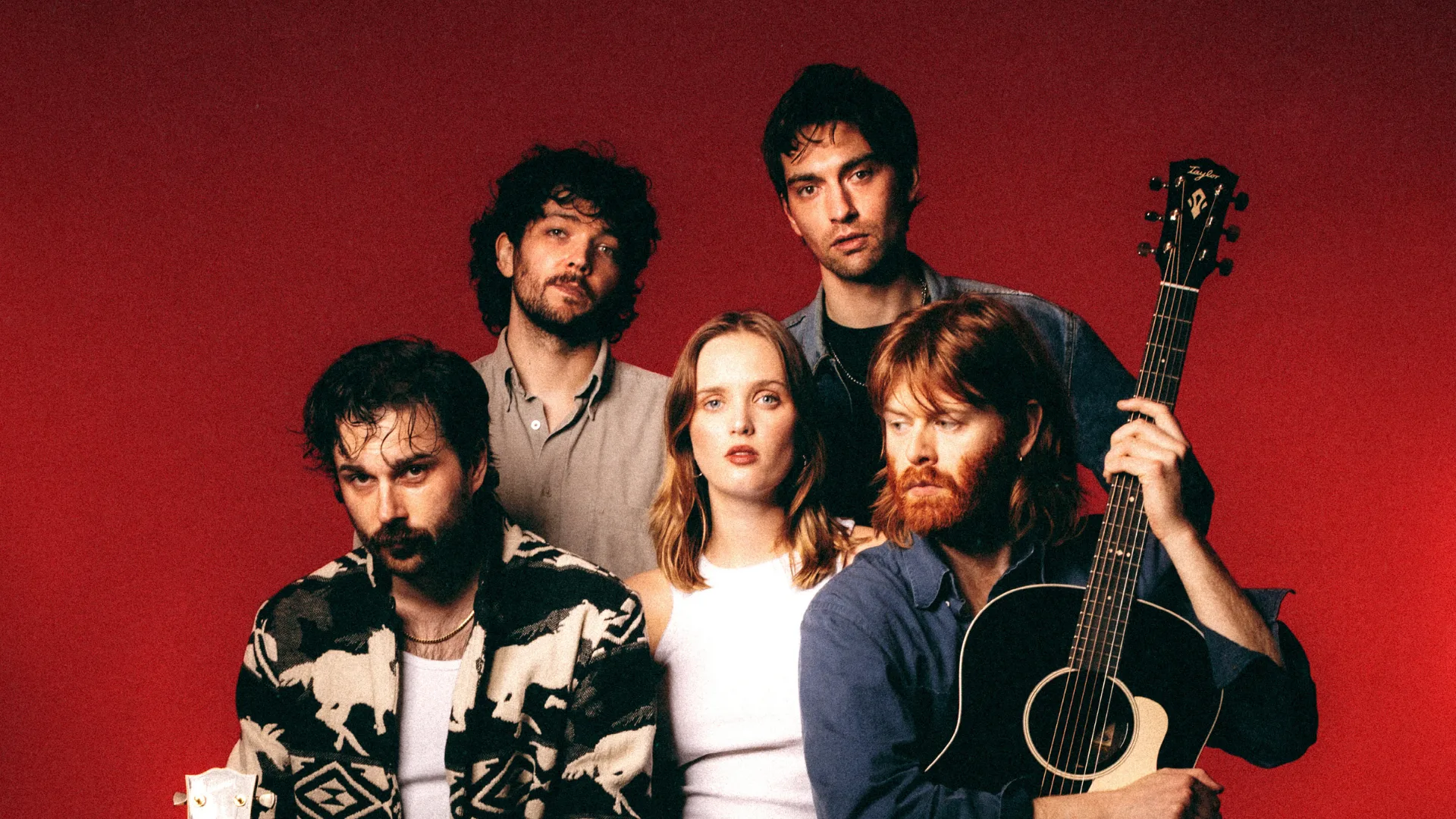
Explosive indie-rock favourites return to the stage with their signature blend of huge riffs, anthemic choruses and raw, high-energy performance. Expect powerful guitar-driven tracks, soaring vocals and the kind of urgency that has made them a standout force in modern British rock.

The Jeff Beck Experience is a celebration of the extraordinary sound, style and legacy of one of the most influential guitarists of all time, Jeff Beck. This is your opportunity to hear some of the most iconic instrumental rock work performed live, with a focus on authenticity, atmosphere and respect for a truly unique musical legacy.

Aylesbury Waterside Theatre
Al Murray brings his brand new stand up show – All You Need Is Guv, with hot-takes for the masses and offering a much-needed truth tonic. With a fresh and frothing pint to hand, a barrel of laughs to pour from, and a flower in his heart, Guv is all you need.

Aylesbury Waterside Theatre
Bringing his successful sellout and highly praised show on a UK tour, Astronomer and author Adrian West (aka VirtualAstro) presents a glorious visual and thought-provoking experience for everyone who looks up and wonders. Using amazing visual effects, The Night Sky Show will take you on a fantastic and epic journey across the cosmos from our celestial backyard.

Aylesbury Waterside Theatre
Get ready for a night of raw emotion, powerhouse vocals and thunderous guitars as Love Hurts – Rock Anthems and Power Ballads storms across the UK in 2026.
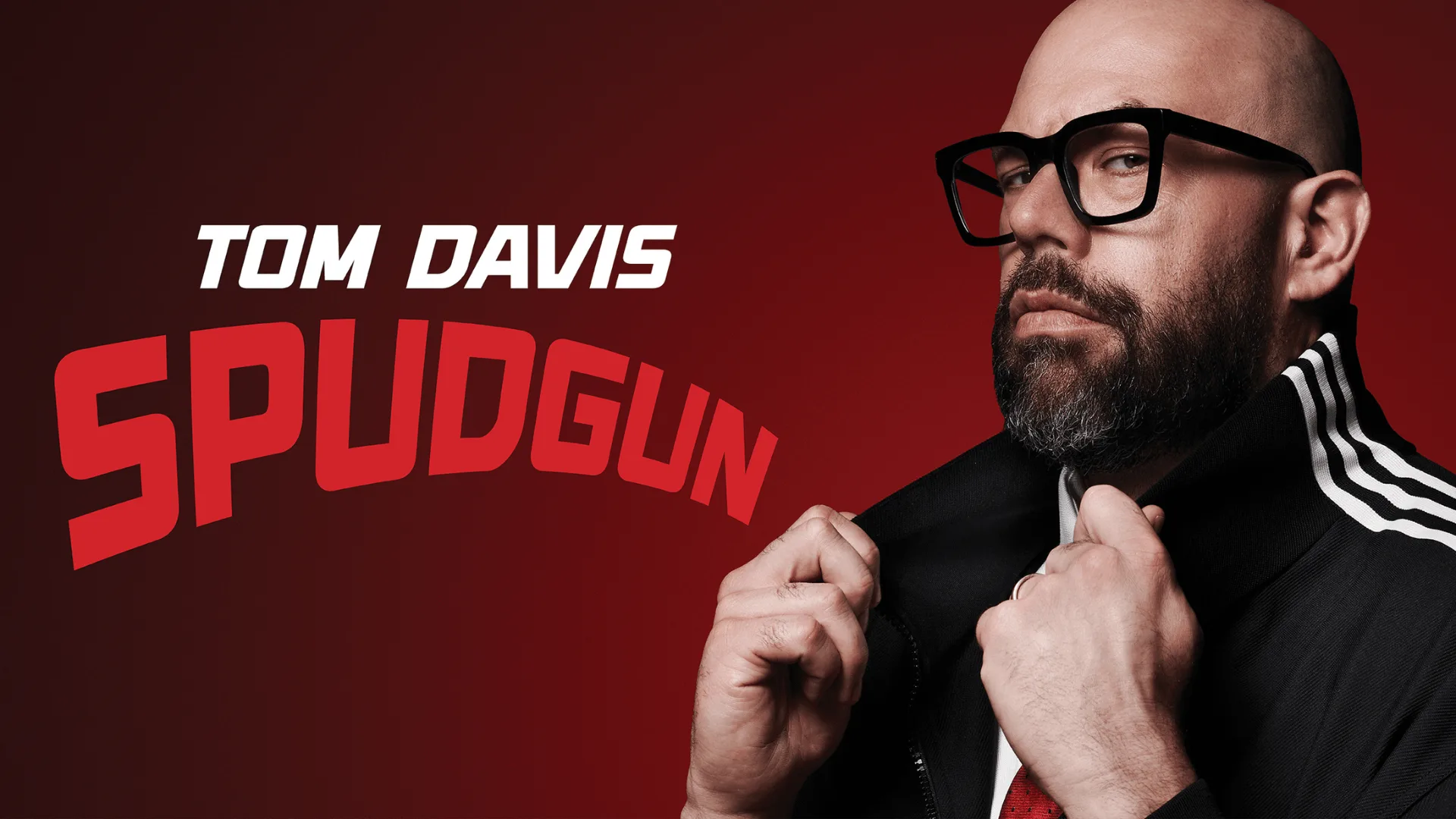
Aylesbury Waterside Theatre
Tom Davis is back on the road with his fully loaded show Spudgun, firing out his freshly cooked observations on life’s hot topics.

David Essex returns to the stage with his ‘Thanks for the Memories’ tour in September 2026, celebrating decades of music, theatre and performance in a must-see live show for fans old and new.

Comedy star Urzila Carlson heads to the UK in 2026 with her new show Fatty on a Yacht, blending deadpan humour and sharp observations on identity, belonging and life’s awkward moments.

Every Saturday (Except 26 December)
Out of the Deep is a family-friendly specimen handling and exploration of the underwater world of marine reptiles.

Oxford University Museum of Natural History
Join Family-Friendly Sundays for free sessions including nature-themed activities, creative crafts, family-friendly trails and more, all provided by the museum’s volunteers.
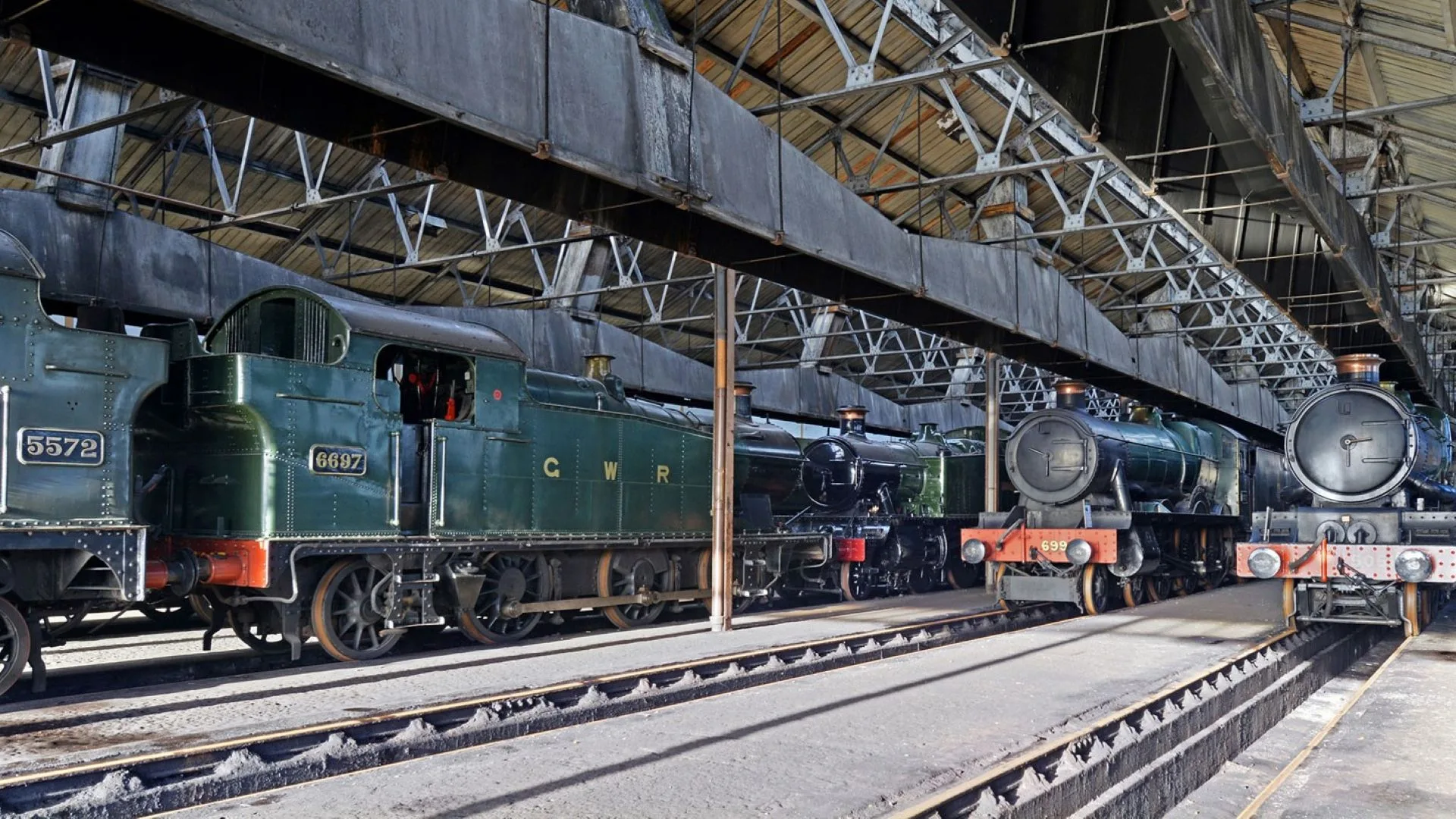
Step back into the golden age of the Great Western Railway at this 21-acre living museum, where trains from Victorian times to the 1960s bring railway history to life. Explore historic engine sheds, restored locomotives, interactive signalling displays and wartime exhibits, with the rare chance to see steam-era engineering up close in a quieter, immersive setting.
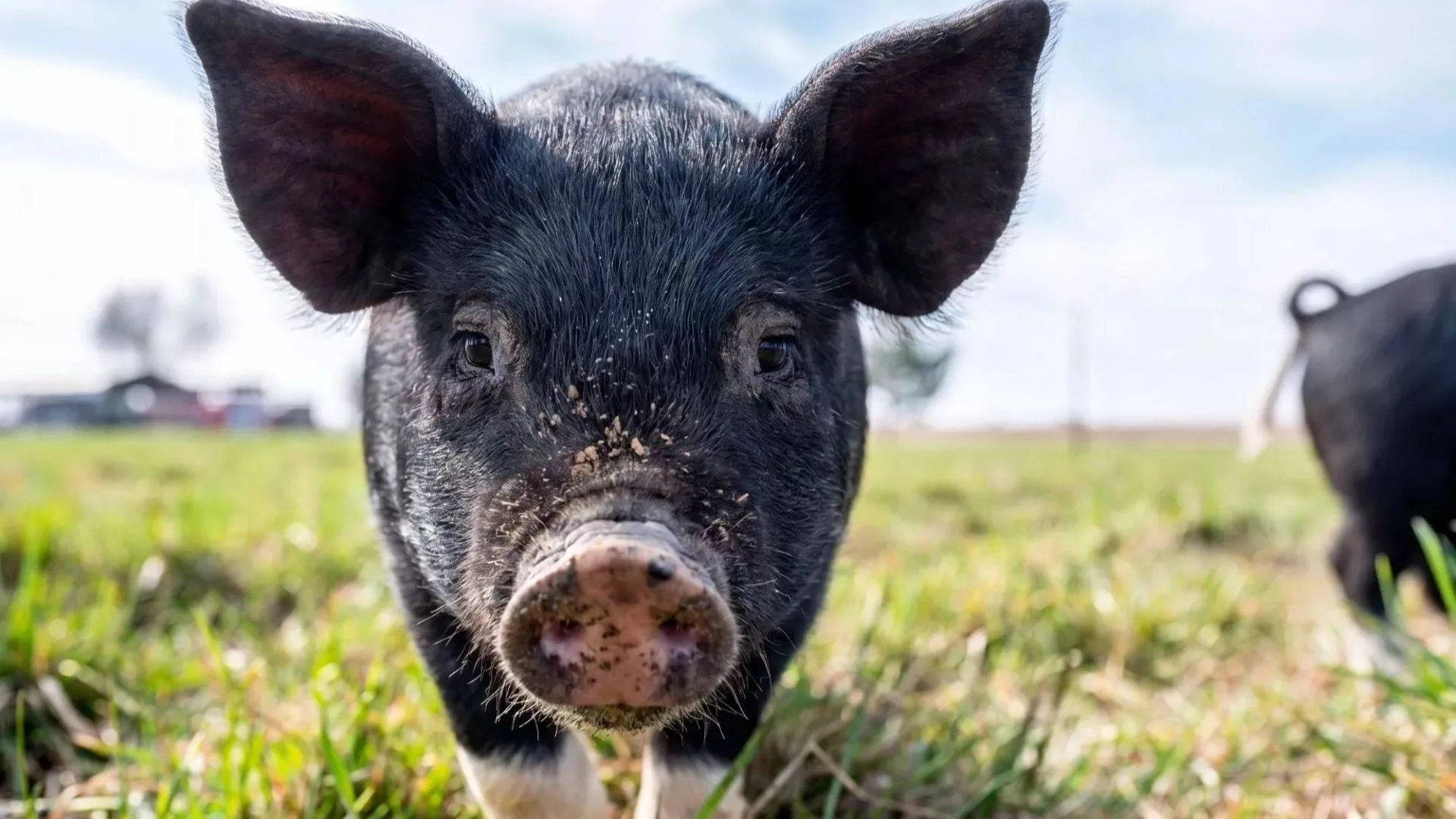
Meet the four-legged and feathered summer guests this summer as the Walled Garden comes alive with the sights, sounds and snuffles of the Marlborough Mini Farm.

Camp Tumblestone arrives at Tumblestone Hollow with a brand-new outdoor adventure included in every summer holiday ticket. Families can enjoy giant garden games, an agility trail, imaginative play in the teepee camp area and even more exciting activities alongside the popular adventure playground.
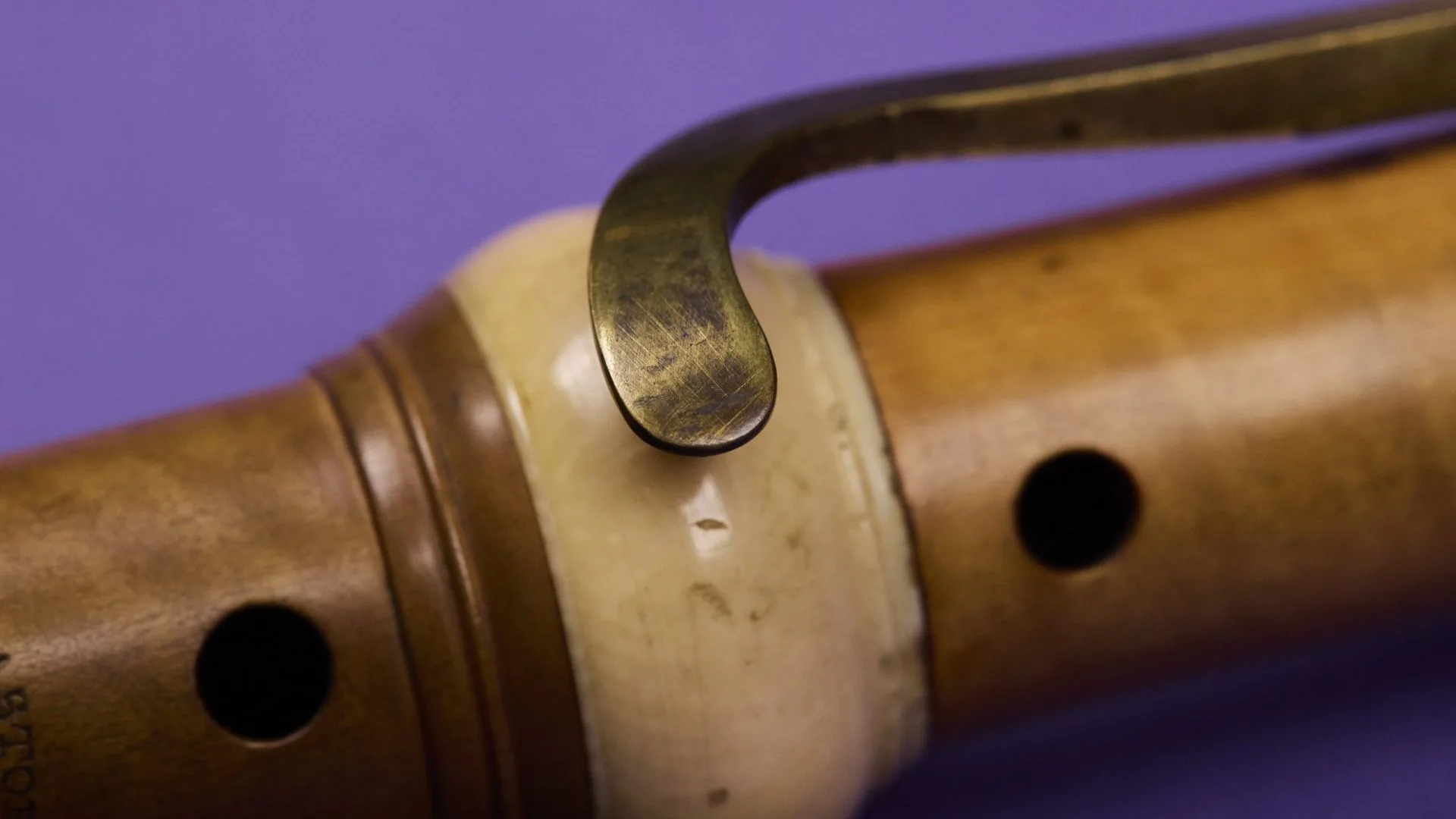
Developed through research into the Bate Collection of Musical Instruments at the University of Oxford, the exhibition brings together sound, video and photography to consider what is revealed and concealed through the collection, preservation and display of musical instruments. At its centre is a new sound work created using recordings of historic instruments from the collection.

Blenheim Palace presents Life Through a Royal Lens, a major photography exhibition tracing the Royals’ enduring relationship with the camera, from the reign of Queen Victoria to the present day.

The Bodleian Libraries’ Wonder of Birds exhibition explores art, science and culture through the lens of avian life. Featuring rare archives, manuscripts and immersive sound, it invites visitors to reflect on both the beauty of birds and their decline.
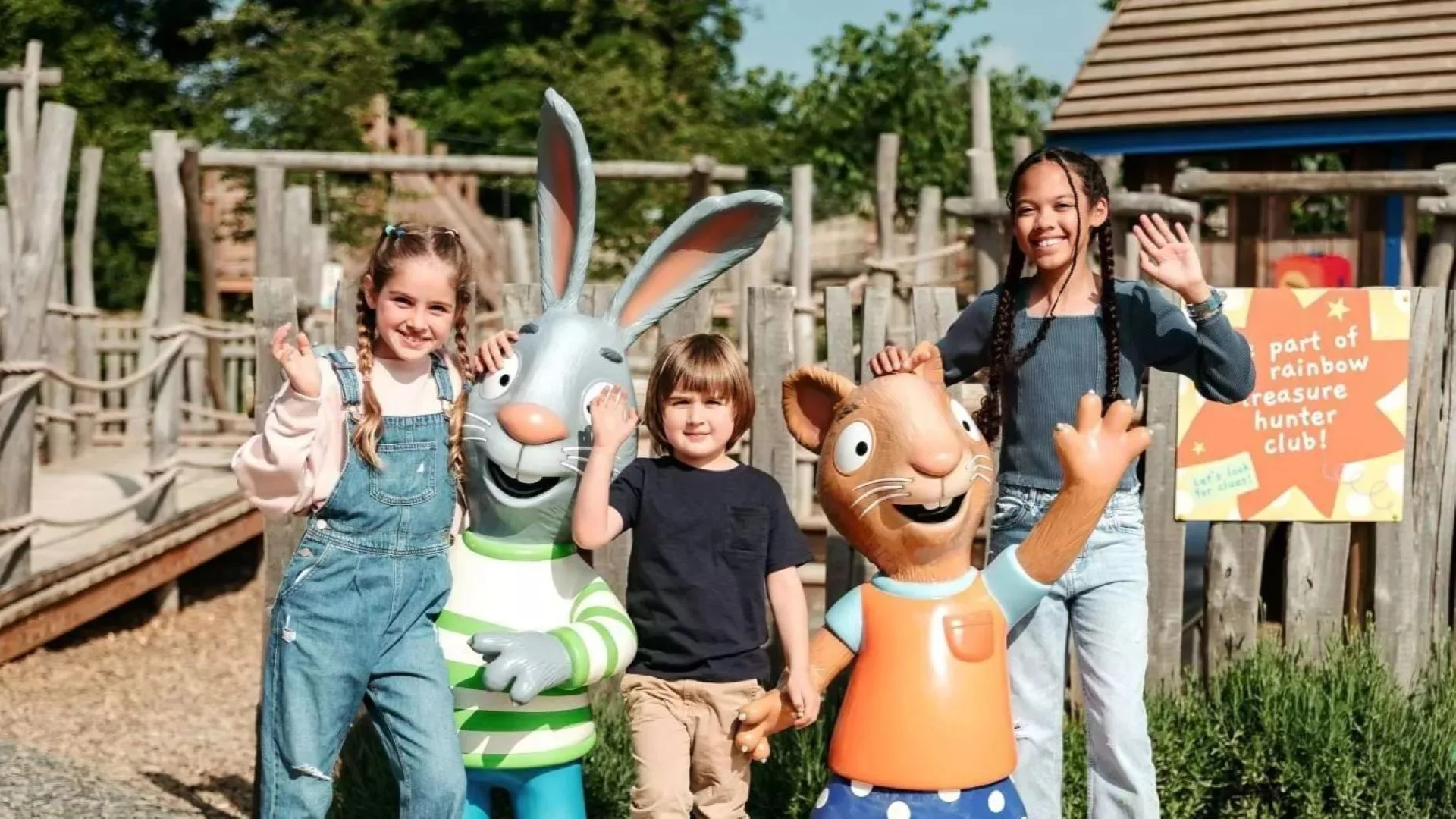
Join Pip & Posy’s Treehouse Trail in Adventure Play on an adventure to solve the mystery of the missing toy Piggy!

There are car shows, and then there are gatherings where the car becomes something closer to an artefact: a record of ambition, craftsmanship and the particular obsessions of the people who built it.
This year’s Concours by Aviva Private Clients at Blenheim Palace brings together machinery from across the history of the automobile, from pre-war racers and hand-built grand tourers to prototypes and modern hypercars. Some are celebrated names; others are rarities whose stories are almost as compelling as their engineering.
Set against the architecture and parkland of Blenheim Palace on 2 and 3 September, the event offers a chance to see cars that rarely share the same piece of ground. Here are some of the entries worth seeking out.
What makes a concours compelling is not simply rarity. It is the opportunity to see, gathered in one place, the different ideas that have shaped the automobile: speed and elegance, experimentation and excess, engineering discipline and sheer imagination.
At Blenheim Palace, those ideas span almost a century, from the craftsmanship of pre-war luxury cars to the uncompromising technology of today’s hypercars. Together, they offer something more interesting than a parade of valuable machinery. They tell the story of what happens when designers, engineers and manufacturers decide that a car can be more than a means of getting from one place to another.
For anyone with even a passing interest in cars, it should make for quite a spectacle.
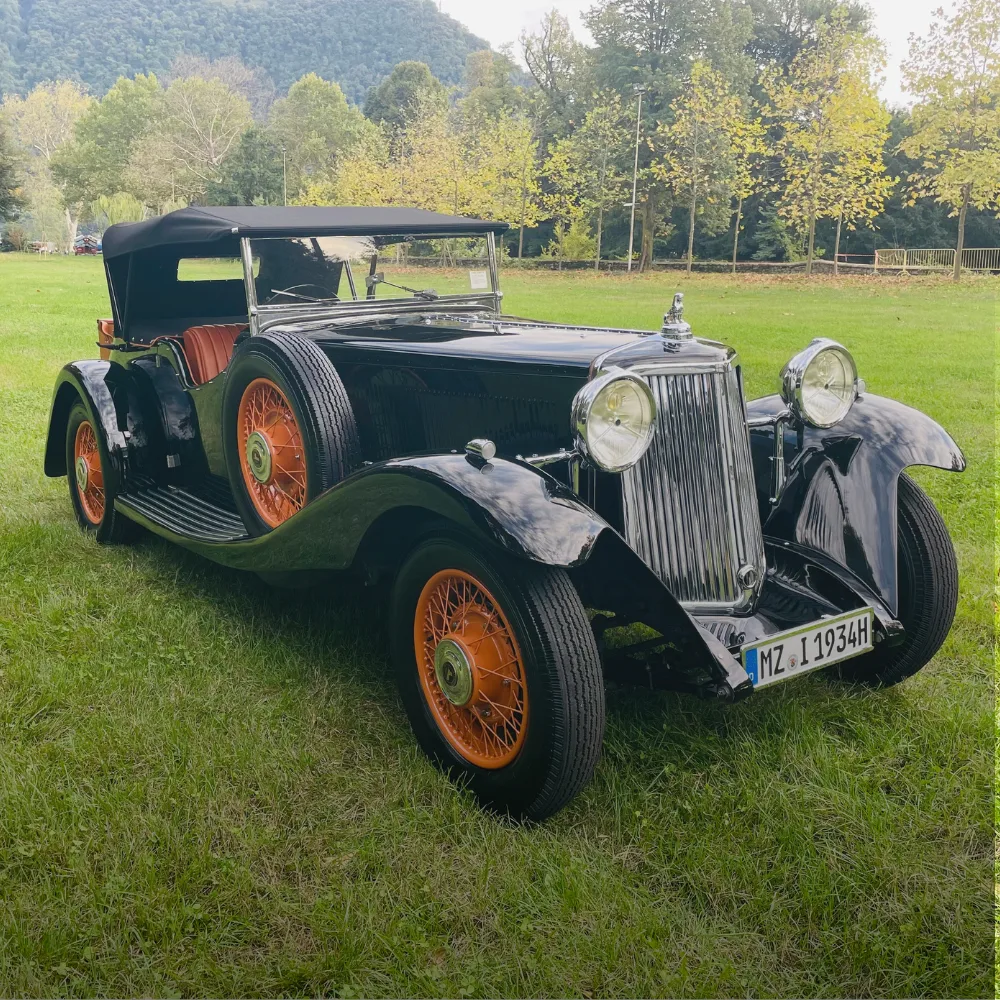
Armstrong-Siddeley Special Six
Class: The Golden Age of Motoring
Built during one of Britain’s great periods of automotive innovation, this elegant 1933 Armstrong-Siddeley Special Six captures the craftsmanship and engineering excellence that defined luxury motoring before the Second World War.

Maserati 8C 3000
Class: Sports Racers
One of the rarest Maseratis ever built, the 8C 3000 represented the marque’s ambition to dominate international motorsport. Combining formidable performance with unmistakable Italian styling, it remains one of the most coveted pre-war sports cars in existence.

Arnolt Bristol Deluxe
Class: Celebrating 80 Years of Bristol Motoring
Marking eight decades of Bristol, this beautifully proportioned Arnolt Bristol Deluxe is one of the Anglo-American collaboration’s most distinctive creations, combining British engineering with elegant Italian coachwork.

Alfa Romeo Sprint Berlinetta
Class: Celebrating 100 Years of Touring Design
Created by legendary coachbuilder Touring, this Alfa Romeo Sprint Berlinetta celebrates a century of one of Italy’s most influential design houses. Its lightweight construction and timeless styling helped shape sports-car design for generations.

Maserati 3500GT Spyder Prototipo by Vignale
Class: La Dolce Vita – Italian Glamour of the ’50s & ’60s
A one-off prototype, the Maserati 3500GT Spyder Prototipo embodies the glamour and sophistication of post-war Italy. Penned by Vignale, it represents the golden age of open-top grand touring and remains one of Maserati’s most striking creations.

Porsche 901
Class: Early Air-cooled Porsche Icons
Before it became the legendary 911, it was the Porsche 901. Produced before Porsche changed the name following a trademark dispute with Peugeot, surviving examples are exceptionally rare and hugely significant in the marque’s history.

Ferrari 166MM by Touring
Class: Sports Racers
One of Ferrari’s earliest competition cars, the 166MM helped establish the marque on the world stage, with victories in endurance racing including the Mille Miglia and Le Mans. Today, it remains one of the most historically significant Ferraris ever built.

Lamborghini Miura P400S
Class: 60 Years of the Lamborghini Miura
Widely regarded as the world’s first true supercar, the Miura changed automotive history with its mid-engined layout and dramatic Marcello Gandini styling. Sixty years after its debut, the P400S remains one of the most influential and captivating cars ever produced.
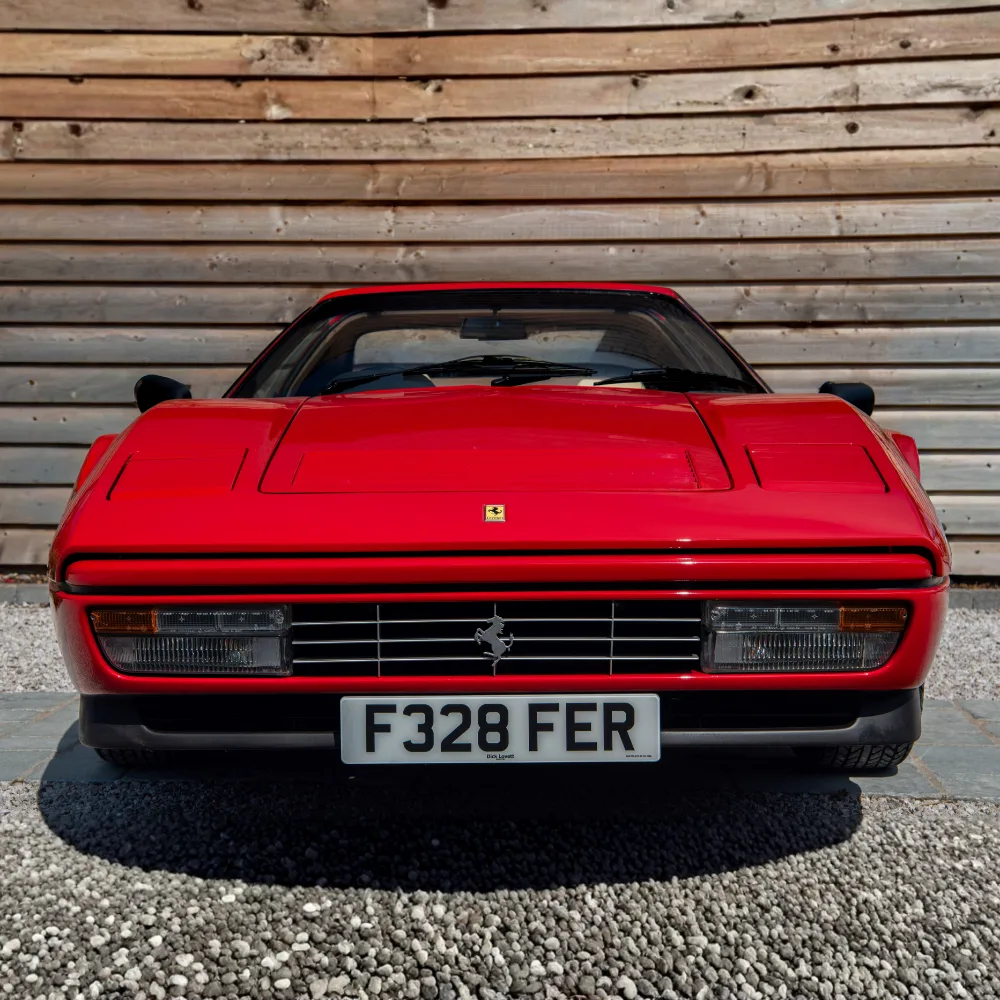
Ferrari 328 GTS
Class: Never Mind the Weather – Cabriolets & Convertibles
One of Ferrari’s most recognisable and usable classics, the 328 GTS captures the spirit of open-top motoring in the late 1980s. With its removable targa roof and timeless Pininfarina design, it remains a firm favourite among collectors.

Ferrari 250 GT Series 1 Cabriolet
Class: Passione Ferrari
Elegant, rare and effortlessly desirable, the Ferrari 250 GT Series 1 Cabriolet is regarded as one of Maranello’s finest grand tourers. Combining V12 performance with beautiful coachwork, it represents Ferrari at its most refined.

Bugatti EB110 Prototype
Class: Supercar Icons
A pioneering supercar ahead of its time, the Bugatti EB110 showcased advanced engineering, including four-wheel drive and a quad-turbocharged V12. As a prototype, this example offers a fascinating glimpse into Bugatti’s ambitious revival during the 1990s.

Aston Martin Valiant Prototype
Class: Limited Production Supercars
One of Aston Martin’s most extreme road cars, the Valiant was developed with an emphasis on driver engagement. This prototype offers a rare opportunity to see the engineering behind one of the world’s most exclusive modern supercars.

Bugatti Bolide
Class: Hypercar Heaven (2006–2026)
Designed with virtually no compromises, the Bugatti Bolide pushes automotive engineering to extraordinary limits. Built around uncompromising, track-focused performance, it represents the extreme end of modern hypercar design and is among the most anticipated cars at this year’s Concours.



-

 Oxford News3 weeks ago
Train cancellation alert amid ‘fault’ near London Paddington
-
 Oxford News3 weeks ago
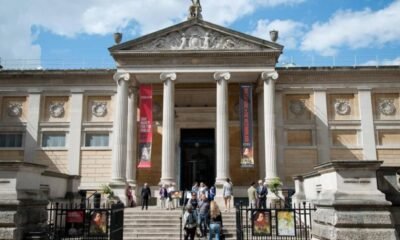
Museum evacuated and Oxford University closed amid incident
-
 Student Life4 weeks ago
My year of rest and rustication
-

 Business & Technology4 weeks ago
Muscle Food at risk of closing after entering administration
-

 Business & Technology3 weeks ago
Currys rolls out NiCE software to unify customer service
-

 Oxford University4 weeks ago
OUP hosts AI in Education at Oxford University summer school
-

 Oxford Events3 weeks ago
Wilderness Festival 2026: four days of music, food, art and wild escapism
-

 Business & Technology2 weeks ago
UK flight school collapsed into liquidation