
Business & Technology
UK travel company ceases trading with flights and holidays at risk

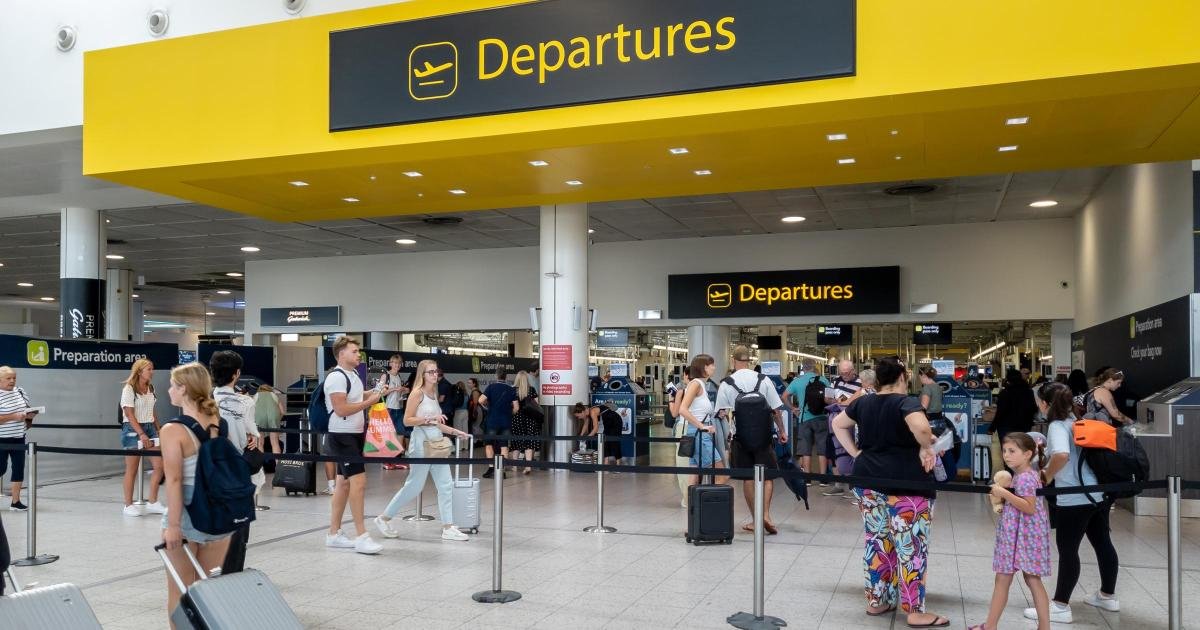
Trav Expert Limited (Ltd), based in Hounslow (London), traded under the names Best4trips, Travel Crew, and Air Waay.
The travel company offered flights and holiday packages to destinations around the world, including:
- Sydney
- Maldives
- New York
- Dubai
- Barcelona
- Bangkok
- Amsterdam
- Auckland
- Barbados
Trav Expert Limited ceases trading putting flights and holidays at risk
Trav Expert Ltd ceased trading as an ATOL holder on May 21.
Air Travel Organiser’s Licence (ATOL) is a government-backed financial protection scheme, run and managed by the UK Civil Aviation Authority (CAA), that all tour companies in the UK are required to have.
ATOL guarantees customers receive refunds if a company collapses.
A company fails as an ATOL holder if it has entered insolvency in the past six months and can’t meet its obligations to consumers, the ATOL website explains.
ATOL has warned anyone who has booked flights or holidays with any of the three companies associated with Trav Expert Ltd to check their ATOL certificate and the type of their booking on its claims information page.
It continues: “Bookings sold as accommodation only, non-flight Packages & cruise only bookings, which do not include a flight element, are not covered by the ATOL scheme.”
In this instance, travellers are urged to contact their travel insurance provider or card issuer for assistance.
If the name listed on your certificate is not Trav Expert Limited, contact the ATOL holder shown.
Despite no longer being an ATOL holder, Trav Expert Ltd remains ‘active’ on Companies House.
The company has been contacted for comment.
Who can claim a refund?
Travellers affected by Trav Expert Ltd ceasing trading as an ATOL holder can claim refunds if they meet certain criteria.
ATOL-protected packages with Trav Expert Limited (due to travel after May 21)
Travellers who booked ATOL-protected packages with Trav Expert Limited for trips after May 21, 2026, and have already received their flight tickets should first contact the airline to confirm whether their bookings remain valid.
If the airline confirms the tickets are valid, customers have two options:
- If they no longer wish to travel, they can submit a claim for a refund through the ATOL scheme, provided they paid by cheque, debit card, charge card, bank transfer, or cash.
- If travellers decide to use the flight but are asked to pay again for other elements of the holiday package, they may claim the cost of these replacement services through ATOL (depending on their original payment method).
ATOL warned that services, including accommodation and transfers, may not have been paid for by Trav Expert Ltd, and travellers could be required to rebook and pay for them directly.
The scheme advised confirming all costs with suppliers before travelling.
ATOL also said: “If you choose to travel and use your valid flight, you are not protected under The Package Travel and Linked Travel Arrangements Regulations 2018 as your package travel provider has ceased to trade.
“You will therefore be responsible for any risks arising from each individual element of your trip which would have previously been protected.”
Those who paid Trav Expert Limited directly by credit card, even in part, are not eligible to claim a refund from ATOL.
Instead, they must make a claim through their credit card issuer under Section 75 of the Consumer Credit Act 1974.
Credit card providers are responsible for refunding customers up to the entire amount paid, including payments made by cheque, cash, debit card, or charge card.
ATOL-protected flight-only bookings with Trav Expert Limited (due to travel after May 21)
For ATOL-protected flight-only bookings without issued flight tickets, refunds are available through ATOL if payment was not made by credit card and you have been issued with an ATOL Certificate.
Customers who have e-tickets or scheduled flight tickets should confirm validity with the airline, as these are expected to remain valid for travel.
If the airline confirms the ticket is valid, customers are not eligible for an ATOL refund and should still be able to travel.
Cancelled ATOL bookings (before May 21)
For customers still awaiting refunds for cancelled ATOL bookings made before May 21, 2026, claims can be submitted through ATOL, provided payment was not made by credit card.
In all cases where a credit card was used for payment, they must make a claim through their issuer.
Travellers are reminded to keep all original booking confirmations, ATOL certificates, and payment evidence, as these may be required to support their claims at a later stage.
Claims made to ATOL must be made by May 20, 2027.
Other UK travel companies that have closed in 2026
Four other UK travel companies have already closed in 2026:
Luxury UK holiday company Salamander Voyages also shut down in April after entering administration.
Meanwhile, four UK airlines have fallen into administration or liquidation already this year:
- Ascend Airways (liquidation)
- EcoJet Airlines (liquidation)
- Zenith Aviation Limited (administration)
- European Cargo (administration)
Have you booked flights or a holiday through Trav Expert Ltd (Best4trips, Travel Crew, or Air Waay) recently? Let us know in the comments below.

HMRC is due to publish its latest Advisory Fuel Rates from September, with the quarterly review potentially changing how much employers reimburse staff for business travel in company cars.
The rates are also used to calculate how much employees should repay if they use company-paid fuel for private journeys.
While the changes are usually linked to fluctuations in fuel prices, experts warn that using outdated rates could lead to incorrect mileage claims and, in some cases, unexpected tax consequences.
What are HMRC’s Advisory Fuel Rates?
HMRC reviews the rates every three months to reflect average fuel costs for company cars.
They are designed to help employers reimburse staff for business journeys without creating additional tax liabilities and to calculate repayments where company fuel has been used for personal travel.
Joe Lytwyn, personal finance expert at thimbl.com, said: “HMRC’s Advisory Fuel Rates are designed to reflect the average fuel cost of running a company car for business journeys.”
He added: “They’re reviewed every three months because fuel prices don’t stand still, so it’s important that businesses keep up with the latest figures.”
One mistake many drivers make
Lytwyn said many employees wrongly believe the rates apply to everyone who drives for work.
He explained: “One of the biggest misconceptions is that the rates apply to everyone who drives for work. They don’t.”
Instead, the Advisory Fuel Rates only apply to company cars.
Employees using their own vehicles for work are covered by separate HMRC mileage rules.
Could you end up paying more tax?
Using the wrong reimbursement rate can have tax implications for both employers and employees.
Lytwyn said: “If an employer reimburses above HMRC’s Advisory Fuel Rate without being able to justify the higher cost, the excess could become taxable.”
He added that employees who receive less than the advisory rate “may be able to claim tax relief on the difference in some circumstances.”
Keep good mileage records
Experts also say poor record-keeping is one of the biggest reasons mileage claims go wrong.
Lytwyn said: “Poor record-keeping is probably the most common issue. People often forget to log journeys properly, or they mix business and personal mileage together.”
Keeping a record of where you travelled, why the journey was for business and the miles covered can help avoid problems if HMRC or your employer ever questions a claim.
Recommended reading:
What drivers should do before September
With fresh Advisory Fuel Rates expected from September, drivers are being encouraged to check that any future claims use the updated figures.
Lytwyn said: “Don’t assume the current rates will remain the same.”
He added: “Once HMRC publishes the updated figures, check whether your employer has updated its mileage policy and make sure any new claims use the correct rates.”
He also recommended keeping mileage records up to date throughout the year, making it easier to challenge incorrect reimbursements or claim any tax relief that may be due.
It’s worth noting that the September rates have not yet been published, so drivers should continue using the current HMRC Advisory Fuel Rates until the updated figures are officially released.

JOSEPH GABRIEL LAGONSIN
News Editor
Adclear found that 89% of the most-viewed social media posts promoting cryptocurrency trading did not comply with Financial Conduct Authority rules. The finding was based on an analysis of 57 Instagram and TikTok posts.
The review looked at posts promoting or advising on crypto products and found that most contained at least one issue under FCA financial promotion guidance. It comes as the regulator prepares a new set of compliance requirements for crypto firms operating in the UK from 2027.
Social media has become an important source of information for retail investors considering digital assets. FCA consumer research cited alongside the analysis found that 29% of people who buy cryptoassets use social media to research them before purchasing.
Risk warnings
The most common problem was the absence of risk warnings. Across all posts analysed, 56% made no reference to the financial risks of trading cryptocurrency.
The rate was higher on Instagram, where 69% of posts made no mention of risk. On TikTok, the figure was 43%.
The review also found that 54% of posts did not disclose that the content was an advert, sponsorship, or partnership. Another 40% lacked balance in how they presented the risks and rewards of investing in crypto, while 30% did not make clear that past performance is not a reliable guide to future outcomes.
A smaller share, 7%, was judged not to be fair, clear, and not misleading under FCA standards. The analysis also found that 11% of posts promised guaranteed returns, even though cryptoassets are widely treated as high-risk products.
Regulatory backdrop
The findings come as the FCA sets out a broader regulatory framework for crypto firms in the UK. The planned changes are expected to introduce tighter rules on financial resilience and market integrity as the sector moves into a more formal supervisory regime.
The context matters because online personalities have become a prominent channel for crypto marketing, particularly among younger consumers. A compliance gap in that channel could draw greater scrutiny as the regulator focuses more closely on how financial promotions are presented to retail audiences.
Adclear’s automated compliance platform reviewed 57 posts tagged with #crypto that were published over a little more than a year. It compared the results with FCA expectations for financial promotions and concluded that non-compliance was widespread among so-called cryptofluencers.
The group said crypto-related influencer content appeared more compliant than posts promoting buy now, pay later products in its separate work, but less compliant than broader financial influencer content. It did not provide detailed comparative percentages in the material released.
Industry response
Joe Jordan of Adclear said the research pointed to basic disclosure failures rather than complex legal issues in many cases.
“As retail investing continues to attract a newer, younger generation of investors, crypto trading is set to become an increasingly mainstream part of our investing landscape. This is an exciting shift, but it also means we should expect to see more people turning to social media for trading knowledge and advice.
“With new rules on the way, this is a great moment for cryptofluencers to double down on aligning with FCA guidelines. Our analysis shows that many posts can improve their compliance with simple fixes, such as risk warnings or fully transparent ad disclosure. It’s an encouraging reminder that compliance isn’t necessarily complex. With the right checks and proper awareness of the rules, financial content across social media can become more trustworthy and transparent for everyone,” Jordan said.
The research adds to a growing debate over the role of online creators in marketing financial products. UK regulators have stepped up scrutiny of influencer promotions across investments, credit, and digital assets, arguing that consumers can be exposed to misleading or incomplete claims when content blurs the line between personal opinion and paid advertising.
For crypto firms, the issue is likely to become more acute as the UK brings the sector further inside the regulatory perimeter. Any business relying on social channels to reach potential customers may face pressure to tighten oversight of paid partnerships and unaffiliated endorsements alike.
The findings suggest that, at least in the sample reviewed, many of the most popular crypto posts still omit the warnings and disclosures UK rules require when high-risk investments are promoted to consumers.
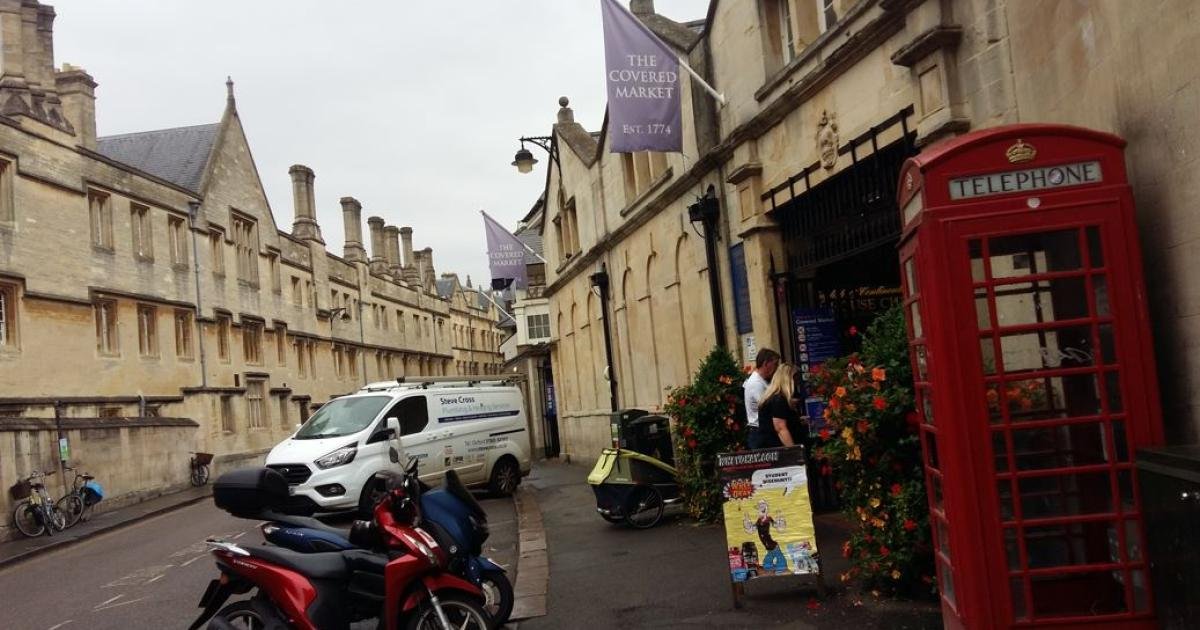
The owners of John Gowing Jewellers Ltd, a shop based at the iconic Oxford Covered Market in operation since 1946, has made clear that the business is not closing after it went into administration.
A spokesperson said: “The recent corporate change relates to the former operating company as part of our corporate re-structuring and does not represent the closure of John Gowing Jewellers.
“Our Covered Market store remains open and is trading as normal, with our existing team continuing to serve customers.”
READ MORE: Director of Oxfordshire bakery business speaks out amid liquidation
The shop is an independent, family-run jeweller and watch specialist that also offers valuations, diamond accessories and repairs.
As of July 28, administrators from Begbies Traynor have been appointed to the company with a notice to strike the business off having been published on Companies House.
The notice was dated for August 4 and said that unless an objection was raised the company would be struck off the register in two months.
In its latest accounts for the 12 months to June 13, 2025, it reported creditors falling within a year of £188,705 as well as an average number of four employees.

The spokesperson for the business added that the recent “corporate change” has come about following new owners being appointed.
Indeed, in June 2025 John and Ann Gowing resigned as directors of the company and were replaced by Prasanna Perera according to Companies House.
The spokesperson said: “There has been no interruption to our watch, jewellery, repair or valuation services.
“Under new ownership, additional investment is supporting the next stage of the business.
“Our focus is to preserve the heritage, expertise and trusted local service John Gowing has built in Oxford since 1946, while strengthening the brand and creating opportunities for future growth.”
That the shop is not closing will be a relief for the Covered Market, which is a tourist hotspot and first opened in 1774.
Other companies at the historic venue have struggled in recent times including The Oxford Cheese Company, which said it was in “survival mode” earlier this year.
A spokesperson for the Oxford Cheese Company explained: “We’ve survived Covid, the Jesus College conversion, which virtually closed access to Market Street from Cornmarket, (no apologies or any compensation from the college), and the pedestrianisation of Market Street just recently.

“All of the above were beyond our control and meant resilience from our staff and our customers.”
Four years ago John Gowing Jewellery celebrated 75 years in operation.
At the time Mr Gowing – who was running the shop with his wife – was 66 years old and was celebrating half a century in the business with no plans to retire.
In addition he was hopeful about the future prospects of the market.
Speaking in the months after the Covid-19 pandemic, he said: “I do feel that the city council (the landlord of the Covered Market) has its heart in the right place and wants it to do well.
READ MORE: Probe launched after break-in at Cotswolds ‘gem’ backed by Jeremy Clarkson
“There are a number of empty units but at the same time there are plans for those units to be filled – I think four new businesses are currently being lined up to take over different units.”
There have been several break-ins at the shop in recent times including in 2018 when thieves reportedly took several rings and earlier that year when a topless man stole a Rolex watch.
In addition one man was jailed for almost five years for his part in an attempted robbery at the jewellers in 2013. His accomplice died after he collapsed.



-

 Business & Technology3 weeks ago
HSBC UK & Visa test AI shopping with live payments
-

 Business & Technology4 weeks ago
Mouser warns against viral hacks to cool overheating phones
-

 Business & Technology3 weeks ago
Valarian lands USD $50 million backing for sovereign AI
-

 Oxford News4 weeks ago
New romantasy bookshop attracts queues of customers
-

 Business & Technology4 weeks ago
Kane tops England influencer rankings after Mexico win
-

 Business & Technology4 weeks ago
SNP & Palantir launch AI tools for SAP transformations
-

 Oxford News4 weeks ago
DWP now checking bank accounts for Universal Credit and Pension Credit
-

 Oxford Events4 weeks ago
Henley Festival 2026 highlights: Five nights of unforgettable performances and festival moments