
Oxford News
The Grand Tour returns to screens with new trio this week

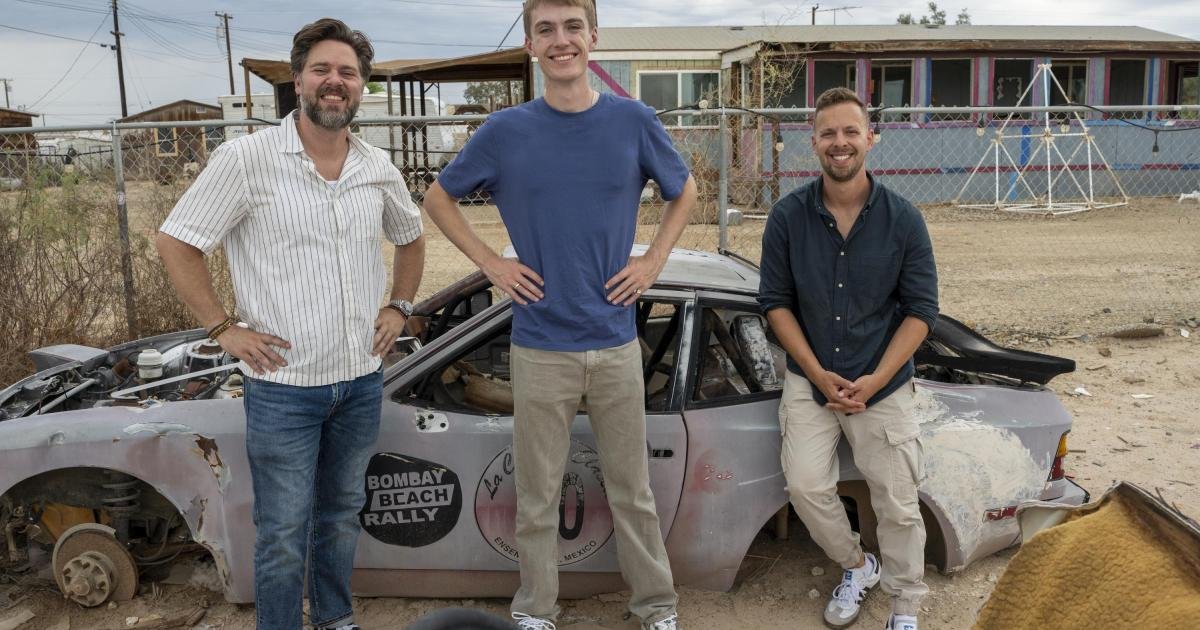
When Oxfordshire farmer Jeremy Clarkson first joined Top Gear as a presenter in the late 1980s, the BBC motoring programme was a very different show.
But its 2002 relaunch, fronted by Mr Clarkson and Richard Hammond, with James May joining the following year, transformed it into a global entertainment phenomenon.
First launched on BBC Two in 1977, Top Gear has gone through numerous revivals and featured a long line-up of presenters.
READ MORE: Jeremy Clarkson’s staff at Cotswolds pub leave him ‘amazed’
Following Mr Clarkson, Mr Hammond and Mr May’s departure from the BBC, the trio reunited for The Grand Tour, which launched on Amazon Prime Video in 2016.
Now, almost a decade after The Grand Tour first launched, a new generation of hosts has taken the reins, with Francis Bourgeois, James Engelsman and Thomas Holland stepping into the spotlight.
The new presenters, who come from backgrounds in social media and YouTube, aim to bring the motoring show to a whole new generation.
Social media star and train enthusiast Mr Bourgeois, whose real name is Luke Nicolson, says he feels both nervous and excited to take on the show following in the footsteps of its original hosts.
READ MORE: Richard Hammond breaks silence on BBC’s Top Gear reboot
“It’s a tremendous honour, but also a tremendous sense of responsibility, like how have we done it?” says the 26-year-old presenter.
Mr Bourgeois, a qualified mechanical engineer with experience at Rolls-Royce, says his love of trains and cars is equal.
“They are both on the top. And trains and cars came into my life kind of at the same point,” he explains.
“So living in Northwest London, next to Willesden Junction, a hive of railway activity, and then simultaneously around Harlesden, there was quite the plethora of kinds of large sort of exhaust-piped cars that I enjoyed looking at, so that kind of kickstarted it for me.”
READ MORE: Jeremy Clarkson breaks silence on BBC Top Gear reboot and reveals secret
YouTubers Mr Holland and Mr Engelsman, best known for their motoring content, say it was daunting stepping into such big shoes, but the trio quickly felt at home.
Mr Holland, 39, from Canada, says: “Is there a word that’s more terrified than terrified?
“It is scary, but when you’re doing it and when you’re doing it, it feels right. Like the three of us together felt right.
“James and I’ve been doing a lot of car content for a while, so it felt like we were at home making the show.
“But you’ve got in the back of your mind the whole time the kind of legacy of it is something we were very conscious about when we were deciding what to do.”
READ MORE: Clarkson’s Farm star quits show and buys £1.7m farm of their own
Mr Engelsman, 34, adds: “I also think we all have our own separate coping mechanisms. Like Francis’s knees wobble, and for me, I just started believing that the world is a simulation.”
The six-part series sees the trio tackle motoring’s most absurd questions across some of the world’s most challenging terrains.
They will take on daring car stunts and embark on road trips to spectacular locations in the US, Malaysia and Angola.
The new series of The Grand Tour launches on Prime Video on Friday (September 4).
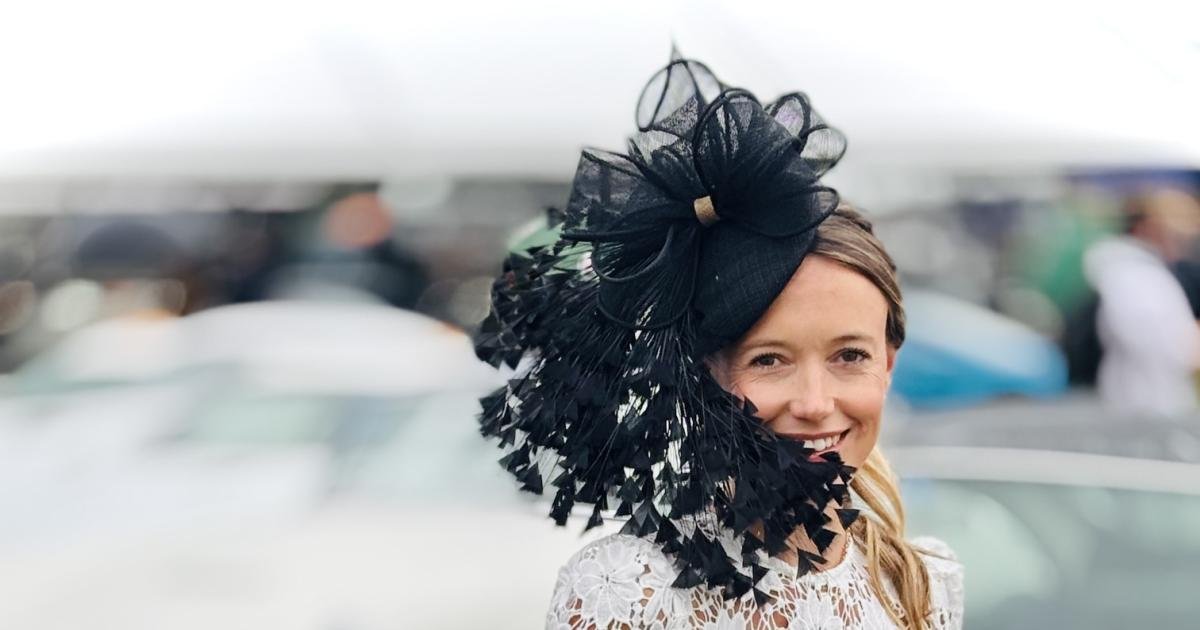
On Wednesday, September 2, it was the Concours judging and private viewings to dominate the agenda for the day.
Twelve Concours classes were held across almost a century of motoring, including The Golden Age of Motoring, 100 Years of Carrrozzeria Touring, La Dolce Vita, 60 Years of the Lamborghini Miura and Passione Ferrari.
Two new classes also made their debut for 2026, Rare Breeds of the Digital Age and Hypercar Heaven, which recognise the growing importance of contemporary performance cars within the international collector market.
Judging will take place across Wednesday and Thursday, with the show field bringing together a 70-strong collection of classics, supercars and hypercars from around the world.
Some of the cars include Aa Maserati 8C 3000, Alfa Romeo Sprint Berlinetta, a one-off Maserati 3500GT Spyder Prototipo by Vignale, a very early Porsche 356 Split Window Coupé, Aston Martin DB3S, Lamborghini Miura P400S, Bizzarrini 5300GT, Ferrari 250 GT Series 1 Cabriolet, Bugatti EB110 Prototype, Aston Martin Valiant Prototype and the extraordinary Bugatti Bolide, one of just 40 produced worldwide.
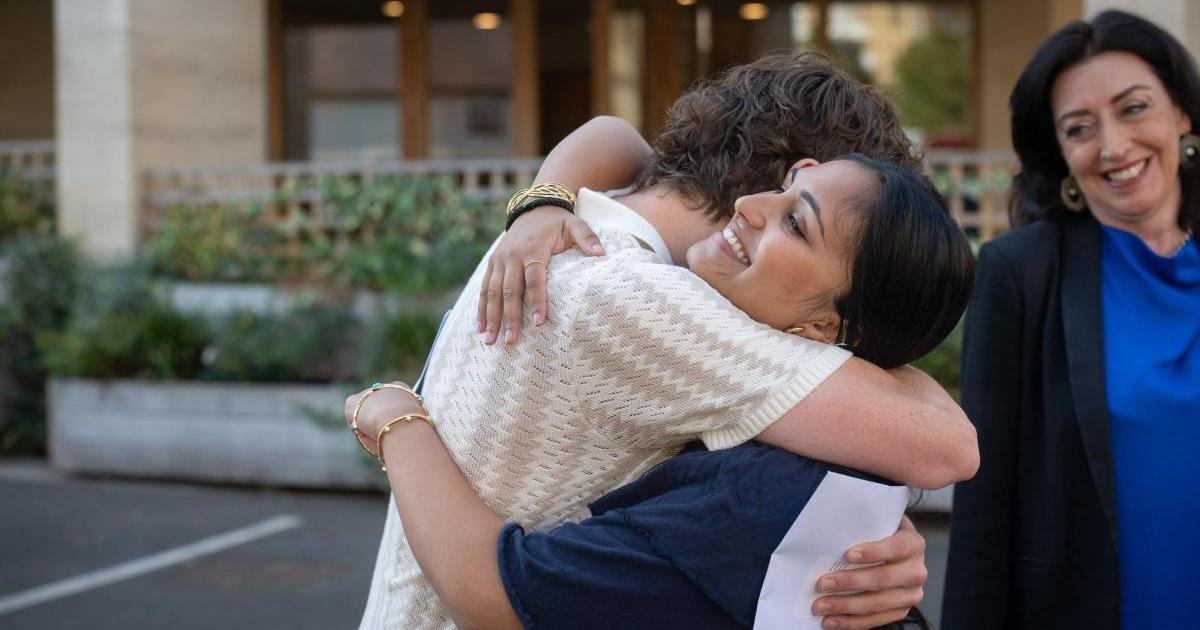
Helen Pike has decided to step down as Master of Magdalen College School at the end of the 2026/27 academic year, the school in east Oxford announced in March.
MCS is one of the top performing schools in the country, ranking in the top 20 independent secondary schools in The Sunday Times Parent Power Schools Guide 2026.
READ MORE: UK private school headteacher to leave after 11 years
The new academic year will start next week, with Ms Pike preparing for one more year in charge before she hands over to her successor, who will take over in September 2027.
The first female Master at MCS, Ms Pike guided the board of governors to one of the most significant decisions in the school’s history, to become fully co-educational from 2027.
While there has been a co-educational sixth form at the school for 15 years, the school last month announced it will become fully co-educational over the coming decade.

Ms Pike said earlier: “I love MCS, and it is a perennial privilege to lead this remarkable school.
“Being Master of MCS is a brilliant job, and I am declaring my intention early in order to give MCS the very best opportunity to find the right Master for September 2027. I shall continue to do all in my power to further the fortunes of this wonderful school until then.
“I look forward to a new phase in my own professional life, one that builds on all that I have enjoyed and achieved in my career during the past 30 years.
“Having encouraged many cohorts of pupils to take sensible risks and to do something creative and different when the time feels right, I am doing just that.”

During Ms Pike’s tenure, MCS has been recognised as a Top 20 Independent School and South East School of the Year by the Sunday Times and won Independent School of the Year for Social Mobility.
Thanking her in his letter to the school community, chair of governors, Bob Price, said earlier this year: “Helen is an outstanding leader and will go with our sincere gratitude and warm thanks for her exceptional headship.
“She will leave the school in excellent shape for her successor.”
Recruitment for a replacement for Ms Pike is now under way.
Last month, Ms Pike congratulated pupils on their “outstanding success” in this year’s A-Level exams, after more than a quarter of pupils (43) achieved three A*s or more and 25 secured all A*s.
In total, 39 pupils from the 2026 cohort are heading to Oxbridge, while 22 have secured places to study medicine.

As part of the school’s expansion plans, MCS is preparing to build a new Science, Library and Partnerships building.
A spokeswoman said the new building will offer an exciting opportunity to reimagine the senior school site as staff look ahead to full co-education.
She added earlier: “With a vision to create a sector-leading science building in the centre of Oxford, the development will enable us to support an ambitious and forward-looking science curriculum, expanding to the emerging and rapidly advancing areas of robotics, AI and Big Data.”
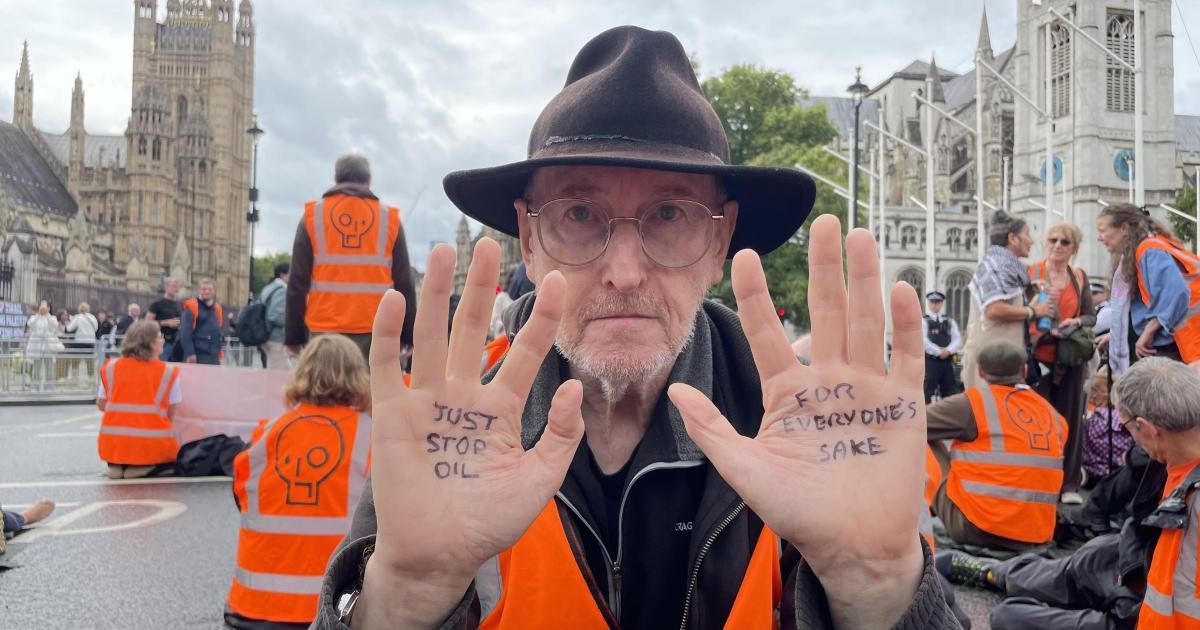
Holding banners which read ‘For f**k’s sake, just stop oil’, the demonstrators took to the road in Parliament Square at noon today (Wednesday, September 2).
This was as Andy Burnham faced his first Prime Minister’s Questions, and many of the protestors glued themselves to the road.
The group demanded that the UK government stop approving all further oil and gas developments, and sign a Fossil Fuel Treaty to stop oil and gas extraction.
READ MORE: Witney firefighters called out to over 50 incidents in one month

Just Stop Oil say that the police are expected to arrest all those blocking the road, and that one lane has been left free of glued-on action takers to permit access for emergency vehicles.
Andy Burnham is due to make a decision on whether to allow more drilling for oil and gas in the North Sea.
Reverend James Crote, a Baptist Minister and grandfather from Chesterton near Bicester, said: “Today is my grandson’s first birthday. I have to take action for the sake of his future.
The 69-year-old added: “The government has been dilly-dallying about whether to say yes or no to the Rosebank oil field but, if we want a future for our children, there is no choice – it has to say ‘no’.
READ MORE: Chain closes almost 200 UK restaurants with close to 4,000 jobs lost

“I am here as a Christian Minister because the Church has to speak out and demand that the government stops approving further oil and gas developments now. It’s time for us all to say ‘For God’s sake, Just Stop Oil’.”
Data from the Met Office indicates that 2026 was the hottest summer in UK recorded history, beating 2025, which was the previous hottest summer on record.
2026 was also one of the driest summers on record, delivering record-low food harvests.
Climbing temperatures have triggered wildfires across the country, and national fire chiefs said the wildfire risk facing the UK is “like nothing we have seen before”.
READ MORE: Broadchurch star selling £1.8m ‘magical’ Cotswolds mill house after 60 years

Taking action, grandmother Victoria Ann Lynch-Staunton from Leamington Spa, said: “What is happening is beyond a tragedy.”
The 71-year-old added: “I beg everyone to join Just Stop Oil or governments will continue to prioritise endless growth and corporate profit over billions of lives – yours and your children.
“Wake up and smell the coffin. It is the responsibility of all of us to act now!”
A Just Stop Oil spokesperson said today: “We are all Just Stop Oil.
READ MORE: The Grand Tour returns to screens with brand new trio this week

“Every single person who fears deadly wildfires, devastating droughts, and spiralling food shortages is Just Stop Oil.
“The first duty of government is to keep the public safe – but by greenlighting oil and gas drilling, they endanger our survival while corporates and billionaires laugh their way to the bank.
“Every one of us feels alone and powerless in the face of this insanity, but we know there is massive political and public support for our demand.
“So we’re inviting everyone to join us at an online call on 3rd October 2026 – because it’s when we work together that we are powerful and win.”


Stage Watch: Cirque Berserk!, Heathers the Musical, The Guilty, Avenue Q, & Nevermore

UK government promises disabled air passengers better safeguards | Airline industry

Andy Burnham launches campaign against ‘headphone dodgers’ on public transport | Transport policy
-

 Oxford University4 weeks ago
New to the Oxford English Dictionary this September
-
 Oxford united FC4 weeks ago
Chris Gunter steps away Wales role to focus on Oxford United
-

 Oxford united FC2 weeks ago
LIVE: Exeter City vs Oxford United – Jersey Mike's Trophy group stage
-

 Traffic & Transport2 weeks ago
Why should I have to pay more for buses if I don’t use a smartphone? | Bus fares
-
 Traffic & Transport3 weeks ago
How poor public transport policy is putting the brake on cities | Road transport
-
 Student Life3 weeks ago
Oxford partnership allows OpenAI to use rare Bodleian texts to train ChatGPT
-

 Oxford united FC2 weeks ago
Oxford United lose to Exeter City on penalties in Jersey Mike’s Trophy
-

 Oxford united FC3 weeks ago
Northern Ireland fans laud Oxford United defender Ciaron Brown