
Traffic & Transport
SUVs are making Britain’s potholes worse, say scientists | Transport

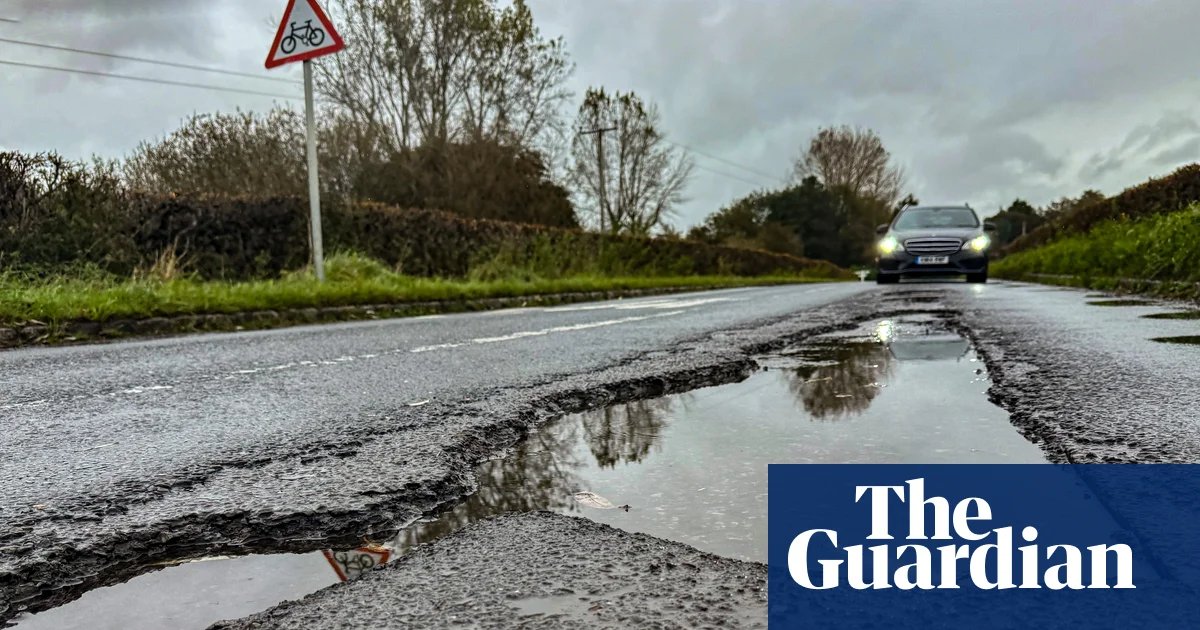
Drivers who choose SUVs are compounding the pothole problem, experts have warned, as research showed hundreds of thousands of people bought bigger cars to navigate damaged roads.
Scientists said the cumulative effect of increasing numbers of heavier vehicles was a contributory factor in Britain’s potholes getting worse.
SUVs made up more than half of the 2m new cars sold in the UK last year, and a smaller but growing proportion of the 7m secondhand cars sold.
Recent polling showed almost one in eight drivers in parts of the country, including London and Yorkshire, had chosen to buy an SUV or heavier car partly due to concerns about road conditions.
According to the Opinium research, carried out for Kwikfit, 6% of drivers nationwide said they had been influenced to buy or bought an SUV primarily because of the condition of roads, a proportion that doubled among those who had suffered damage to their vehicle.
However, experts said those buyers were contributing to the problem they seek to avoid; furthermore, their vehicle and would not be immune to damage.
While the primary reason for pothole formation remained the freezing and thawing of rainwater over wet winters, and the heaviest vehicles, such as lorries, were likely to cause immediate damage, the growing weight of cars was worsening road surfaces.
Dr Ali Rahman, an assistant professor of civil engineering at the University of Leeds, said “the rising prevalence of SUVs does exacerbate pothole formation, because higher axle loads increase surface stresses, crack initiation, and road wear. They contribute a secondary but growing share of the problem, especially in cities where the road network was not designed for heavier passenger vehicles.”
Prof Anna Goodman, of the London School of Hygiene and Tropical Medicine, said: “The typical SUV exerts around five times more force on the road than the typical passenger car. The dramatic shift to SUVs in the past 20 years – from 3% of cars on the road in England to over 30% – is expected to have played some role in increasing wear and tear damage.”
Prof Christian Brand, the emeritus professor in transport at Kellogg College, Oxford, said SUVs were typically 200-300kg heavier than hatchback or sedan cars. While a single truck could do as much damage as many cars, “the rapid growth in SUVs means their cumulative impact, particularly on urban roads with lighter construction, may not be negligible and is increasingly relevant for local maintenance pressures”.
The Institution of Civil Engineers has said that heavier vehicles – also including electric cars – are a factor in pothole formation and reducing the lifespan of roads.
London is considering imposing extra charges on large SUVs, mainly due to the added safety risk they pose to other road users, as well as the space they take up. Transport for London is conducting studies on their effects on safety and congestion prior to announcing possible measures.
A spokesperson for the mayor of London, Sadiq Khan, said: “As part of their research TfL will look at the full impact of the continued growth in size and weight of these large SUVs, including any impact they have on the state and condition of London’s roads.”
According to an annual industry estimate by the Asphalt Industry Alliance, a road repair trade body, the cost of fixing all potholes and local roads across England and Wales has reached a record £18.6bn.
Steve Gooding, the director of the RAC Foundation, said: “Is it any wonder people are turning to rugged off-road oriented vehicles with the shocking state of many roads? Big wheels with all-terrain tyres are a better bet for bouncing over potholes but rarely come with the smaller, lighter cars that drivers might otherwise choose as perfectly suitable for the trips they need to make.”
Jack Cousens, the head of roads policy at the AA, said: “Sadly, all vehicles are at the mercy of potholes – regardless of what someone is driving, potholes are causing damage.”
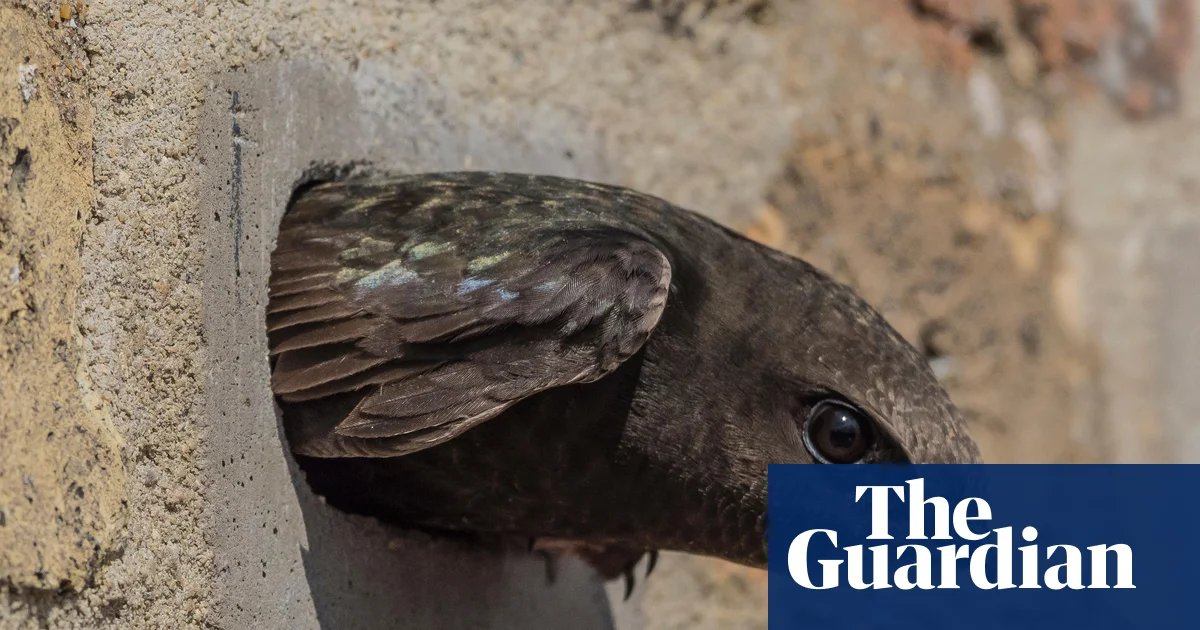
Some swifts returning to Britain to breed will be unable to access their ancestral nesting holes after they were blocked in a £7.5m refurbishment of a Derbyshire railway viaduct, campaigners say.
Nature lovers had appealed to Network Rail to unblock three holes which were among at least nine swift nesting sites on the twin viaducts at Chapel Milton, on the edge of the Peak District.
Campaigners said Network Rail had been given extensive details of the location of the nest holes, between tiny gaps in the stonework, but three were filled with mortar in February.
“It’s utterly heartbreaking,” said Deb Pitman, a swift campaigner. “Seeing footage of what happens when swifts return to a blocked nest is deeply upsetting. They repeatedly try to access their entry point, sometimes with fatal consequences.
“It is thought established breeding pairs do not successfully relocate to a new nest site. In effect, when a nest site is lost, they stop breeding,”
Network Rail began work on the refurbishment of the 160-year-old viaducts last summer while swifts were nesting. An ecological report, commissioned by Network Rail and not required by law, found no evidence of nesting swifts.
This claim was challenged by swift watchers, who assembled 38 pieces of evidence they said showed at least nine nest sites on the viaducts. Network Rail later accepted there were swift holes and said it had worked around the nesting birds.
British Transport Police’s wildlife crime team was investigating whether nesting birds may have been disturbed, after the refurbishment work was reported to the police by campaigners last summer.
A Network Rail spokesperson said: “During essential refurbishment work on the viaduct at Chapel Milton last year, our teams identified potential swift nests. We consulted ecologists and created exclusion zones to ensure adequate protection for the nesting swifts. The essential repairs to the masonry were then completed after the bird nesting season.
“We welcome the opportunity to work with local groups to make the viaduct a more welcoming habitat for swifts, including installing additional nest boxes alongside existing nest sites.”
Campaigners say preserving the tiny swift holes would have no impact on the structural integrity of the viaduct.
Jason Adshead, from the Chapel-en-le-Frith Biodiversity Group, said: “We spent a great deal of time monitoring the work at the viaduct last year and we have evidence showing where the nest sites are. It’s information we shared with Network Rail.
“We sincerely hope they will arrange for the nest holes to be reopened before the birds return in numbers. Swifts are the sight and sound of summer and we are incredibly lucky to have them here.”
Bird lovers planned to hold a vigil beneath the viaduct on Saturday in the hope that the holes would be unblocked before the swifts returned around the end of April to breed.
Britain’s swift population has declined by 66% between 1995 and 2022, largely due to the widespread loss of nesting holes in older roofs and buildings. A national campaign seeking to ensure all new homes are built with at least one hollow “swift brick” has been successful in Scotland but was rejected by the Labour government in Westminster.
Pitman said: “Swifts have been successfully breeding since around the time of the dinosaurs and yet we can’t afford them a tiny space. I refuse to accept it.”
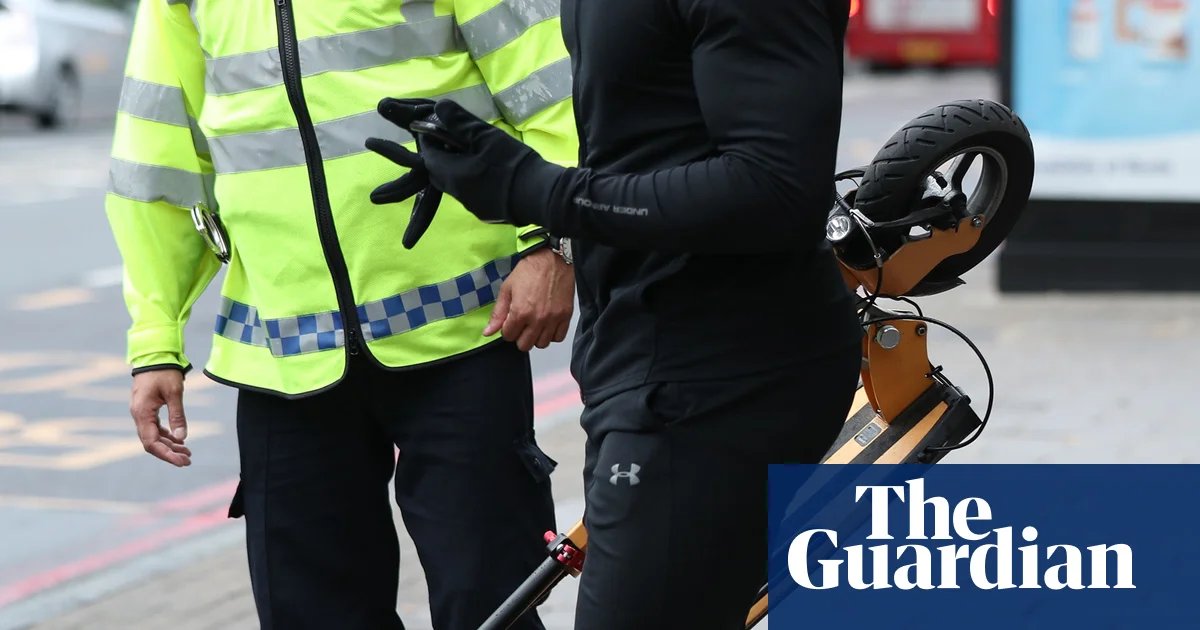
Ebike and e-scooter fires in the UK reached a record high last year, an investigation has found, renewing concerns over the use of lithium batteries and unregulated marketplaces.
Fire brigade figures obtained by the Press Association show there were at least 432 ebike fires recorded across the UK in 2025, up 38% from 313 the previous year and more than five times higher than the 84 recorded in 2021.
There were at least 147 e-scooter fires in 2025, a 20% jump on the 123 in 2024. The figures come from freedom of information requests sent to the UK’s 49 fire brigades, of which 37 responded.
London fire brigade (LFB) recorded by far the most ebike and e-scooter fires last year, with 171 and 35 respectively. Nottinghamshire had the next highest number of ebike fires, 30, followed by Greater Manchester (13) and Avon (10).
Greater Manchester had the highest number of e-scooter blazes (13) outside London, ahead of Avon (10).
Ebike and e-scooter fires are often caused by the failure of batteries, conversion kits or chargers. Products bought from online marketplaces have been found to be at greater risk of malfunctioning than those sold by established retailers because they are not subjected to the same level of regulation.
Nick Bailey, of BatteryIQ, which provides a system to monitor the safety of ebike batteries, said the ebikes and e-scooters involved in fires were “always cut-price products sold through online marketplaces with lax quality control”.
He said: “There’s also a growing black market in DIY and counterfeit batteries, particularly for delivery riders, built using battery cells reclaimed from used disposable vapes.
“I wouldn’t keep a battery in my home without continuous monitoring – regardless of what the manufacturer’s sticker says.”
Fires involving lithium batteries used for ebikes and e-scooters can spread rapidly and produce a toxic vapour.
Last year, 30-year-old Eden Abera Siem died in hospital after a blaze at her north London home that investigators found was likely to have been caused by the failure of a charging ebike battery.
Lesley Rudd, the chief executive of the charity Electrical Safety First, said: “Poorly made batteries and accessories, often sold via under-regulated online marketplaces, are of huge concern and are a major route through which dangerous devices are entering people’s homes.
“Without strong and enforceable changes, lives are at serious risk and further loss of life is sadly inevitable.”
Spencer Sutcliff, an LFB deputy commissioner, said the brigade was “extremely concerned around the issue of ebike and e-scooter fires and the devastating impact these fires can have on lives and livelihoods”. He said the brigade’s firefighters “continue to be called out to a worrying amount” of the incidents.
Privately owned e-scooters have been banned from the Transport for London (TfL) network since December 2021 because of their fire risk. This was extended to non-foldable ebikes for the majority of TfL services in March last year after an ebike caught fire on a platform at Rayners Lane tube station.
Private e-scooters are banned from being used in public areas across the UK, although they are often ridden illegally in many urban locations. Legal trials of rental e-scooters on roads have been ongoing in towns and cities across England since July 2020.
Under UK law, ebike motors must cut out when a speed of 15.5mph is reached. But police are increasingly finding many have been modified to reach much faster speeds.
Sue Davies, Which?’s head of consumer rights policy, said: “Online marketplaces are increasingly saturated with unsafe products.
“Ebikes and e-scooters are just some examples of items that can pose serious risks to consumers while also undercutting responsible businesses that comply with the law.
“The government has launched a much-needed consultation on updating the product safety framework, including duties for online marketplaces to prevent unsafe products from being sold by third-party sellers.
“These duties must be strong and enforceable, with clear measures in place to protect consumers and reduce the risk of fires and other harm.”
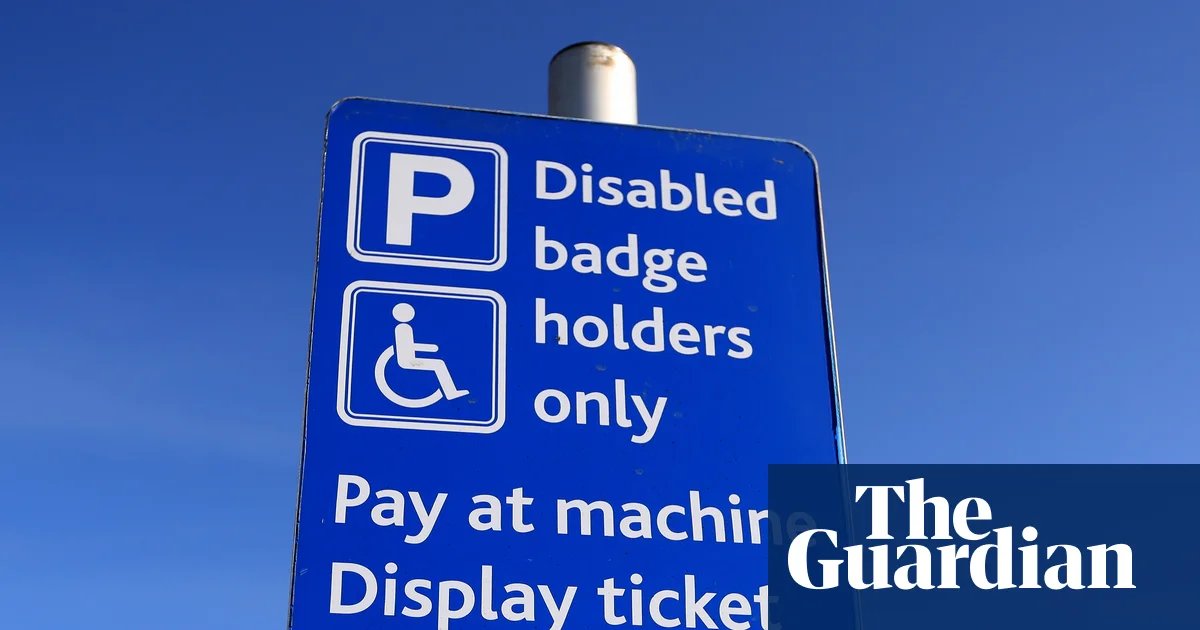
Councils in England have been urged to crack down on the misuse of blue badge parking permits – legitimate and counterfeit – as the proportion of people holding them has reached one in 15.
The AA called for more to be done to detect offences such as people using fake or stolen badges.
The permits, which must be renewed every three years, help people with disabilities or health conditions to access shops and services by enabling them to park closer.
In London, they also exempt holders from having to pay the £18 daily congestion charge.
The latest Department for Transport (DfT) data shows that 3.07 million blue badges were held as of 31 March last year, with more than 6% of the estimated 46 million adults in England holding one.
Edmund King, the AA’s president, said: “The blue badge scheme is a mobility lifeline for millions of legitimate users and their families.
“Our concern is not the absolute number of badges issued but the estimates that up to one in five badges may be used by someone other than the holder or authorised user.
“Fraud is an issue which can include family misuse, use after death, counterfeit badges and theft and resale of badges.
“We would welcome a crackdown on illegitimate use of badges to safeguard the deserving users.”
While there are no recent figures for the cost of blue badge fraud in the UK, the National Fraud Authority, a now defunct Home Office agency, estimated it to be £46m per year in 2011.
The DfT data showed the English regions with the highest and lowest percentages of badge holders were the north-east (6.1%) and London (3.5%) respectively.
In 2019, the eligibility criteria for blue badges was extended beyond people with visible disabilities, to include those with non-visible conditions such as Parkinson’s, dementia and epilepsy.
More than two-fifths of the badges issued in 2024/25 were awarded without further assessment.
Depending on the location, the permits often enable holders to park free of charge in pay-and-display bays and for up to three hours on single and double yellow lines.
Several councils have reported prosecutions for blue badge misuse in recent months.
Croydon council in south London said in January that seven offenders were ordered to pay a total of nearly £6,000 in a combination of fines, court costs and a victim surcharge.
The cases involved badges which were stolen, counterfeit or belonging to someone else.
Last September, Oxfordshire county council reported two blue badge misuse convictions, including a man caught using his dead grandmother’s badge.
A Local Government Association spokesperson said: “Although the vast majority of badges are used correctly, there is a small minority who fraudulently use other people’s, either to save money by parking in disabled bays or through laziness, depriving someone with a genuine need.
“To help councils win the fight against blue badge fraud, residents must keep tipping councils off about people they suspect are illegally using a badge, bearing in mind people’s need for a badge might not be obvious.”
A DfT spokesperson said: “Exploitation and abuse of the blue badge scheme is completely unacceptable and is a criminal offence.
“Local authorities have been given improved powers to crack down on fraud and misuse in their area, and work closely with the police.”
The Press Association contributed to this report



-
 Crime & Safety3 weeks ago
Police race to crash on Oxfordshire A34 with severe traffic building
-

 Oxford News4 weeks ago
Schwarzman Centre to open doors to public with major celebration
-

 Oxford News4 weeks ago
Gary Lineker’s nephew-in-law death inquest to be next week
-

 Oxford Events4 weeks ago
Michelin Guide Oxfordshire Restaurants – The Oxford Magazine
-

 Jobs & Careers4 weeks ago
Explore our Careers
-

 Oxford News4 weeks ago
Professor Rebecca Eynon elected to prestigious Academy of Social Sciences Fellowship
-

 Crime & Safety7 days ago
American Akita and a French Bulldog seized after dog killed
-

 Oxford News4 weeks ago
Expert Comment: The Pentagon-Anthropic dispute reflects governance failures – with consequences that extend well beyond Washington