
Traffic & Transport
SUV drivers could face extra charges for driving in London | TfL


Owners of SUVs could face charges to drive in London, after the mayor and transport authorities said they were reviewing the increased danger posed by larger, heavier cars.
Proposals to clamp down on the biggest vehicles could come later this year, with Transport for London (TfL) also poised to increase 20mph zones and cut the speed limits on its fastest roads from 50mph to 40mph to tackle road deaths.
A report published on Wednesday highlighted the danger SUVs posed to other road users and pedestrians, with children at particular risk of fatal injuries from collisions.
While safety concerns around SUVs are highlighted in the Vision Zero report – an update to London’s plan to eliminate fatal road accidents – TfL is also conscious of the wider impact of the vehicles.
The plan said TfL would continue “developing a robust evidence base on the risk posed by oversized cars and using our powers to address their safety, congestion and environmental impacts”.
Previous research has shown adults walking or cycling are 14% more likely to die in a collision when the car involved is an SUV; children are 77% more likely. For children under 9, the risk of fatality is three times higher if struck by an SUV compared with a smaller car. The size and structure of the oversized cars means pedestrians are more likely to be hit in critical organs or at head height and thrown into traffic rather than land on the bonnet of a car if struck.
Sales of SUVs have rocketed in the UK compared with other European countries, many of which levy significantly higher taxes on larger, heavier vehicles. According to a recent study by Transport & Environment, more than half of cars now sold in the UK are too big for a standard street parking space.
Cardiff recently became the first UK city to vote to implement additional parking charges for SUVs, proposing costlier permits to offset their additional footprint, road damage and emissions.
A spokesperson for Sadiq Khan, London’s mayor, said TfL needed to consider the impact of SUVs on other road users, adding: “There is growing evidence about the safety risks of large SUVs, which are becoming more common on London’s roads. It’s a startling figure that SUVs are 77% more likely to kill a child if involved in a collision.
“The mayor has asked TfL to undertake detailed analysis of the safety risks posed by large SUVs and their wider impact on London’s roads. This could then inform any future policy proposals in London or recommendations to government or the sector.”
The Guardian revealed last week that senior Labour politicians across London had raised concerns with government that the party was facing a “political earthquake” in the capital in the May elections as support for the Greens surges.
“The government needs to demonstrate that they’re not taking liberal, progressive voters in the capital for granted,” a senior London Labour figure said.
Campaigners welcomed the focus on SUVs from the mayor and TfL. Oliver Lord, the UK head of Clean Cities, said: “Cars are getting bigger every year, but London’s streets aren’t. Supersized SUVs take up more space and threaten children’s lives, who shouldn’t have to dodge two-tonne battering rams just to cross the road.
“Cities across Europe are acting against car-spreading. We need fairer parking tariffs based on the weight of the car. It’s only fair that those with unnecessarily large SUVs pay more for the extra space and danger they bring.”
The mayor and TfL’s action plan, meanwhile, aims to make 20mph the default maximum speed across London, converting another 35 miles of 30mph roads by 2030, although many roads remain under local boroughs’ control. TfL said it would also cut the default speed limit on bigger strategic roads it controls, which include the North Circular, from 50mph to 40mph by 2035.
Road deaths and serious injuries have fallen by almost a quarter in a decade, with London recording the fewest serious casualties in a year in 2024, barring the pandemic years of 2020-21. TfL said the statistics showed the capital’s streets had become safer more quickly than the rest of the country, with half the road accident toll of Greater Manchester.
Jason Killens, the chief executive of London ambulance service, said: “It’s often the vulnerable who are most at risk on the roads – the young and old who are seriously hurt or killed. These incidents are particularly tragic because so many are preventable.”
Traffic & Transport
UK aviation regulator rejects Heathrow’s plans to significantly raise landing fees | Heathrow airport
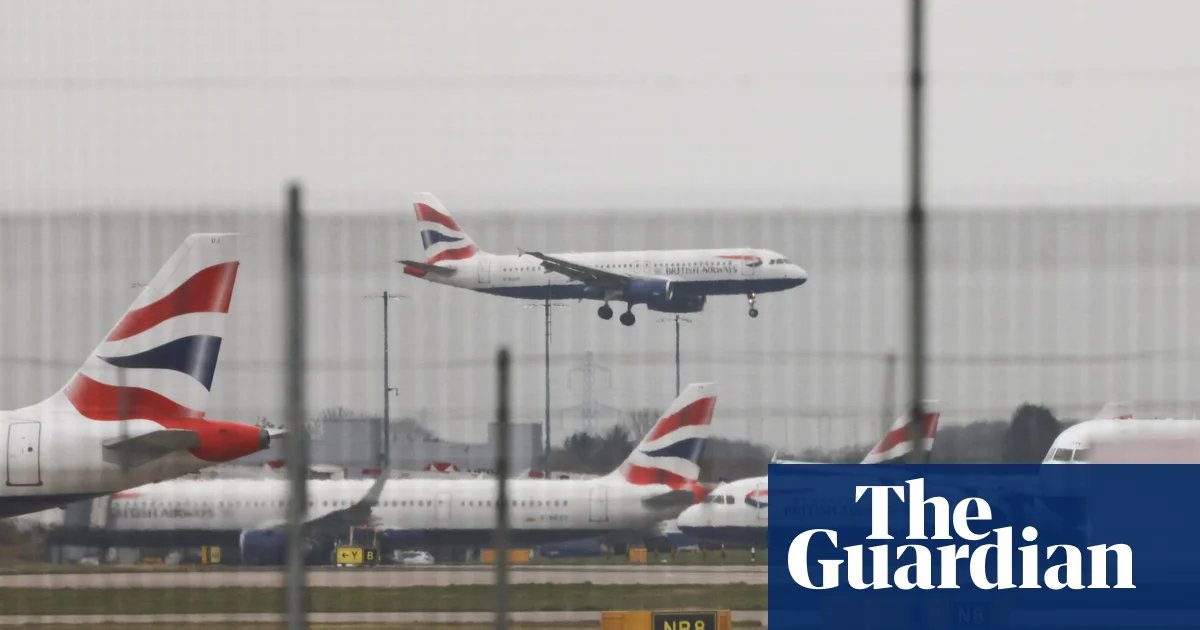
The UK aviation regulator has partially rejected plans by Heathrow to significantly raise its landing fees to fund a multibillion-pound upgrade, arguing the airport can still invest without steep rises to ticket prices.
The Civil Aviation Authority said the average charge for each passenger should rise from £28.40 to £28.80 between 2027 and 2031.
Last year, Heathrow proposed a 17% increase to £33.26, which resulted in criticism from airlines who said it would lead to higher ticket prices for passengers.
The CAA said its average passenger charge would instead rise by 1%. That increase is £5.40, or 16%, lower than the changes proposed by Heathrow but significantly higher – £5.80 or 25% – than the changes wanted by the airlines.
Selina Chadha, group director of consumer markets at the CAA, said: “Our primary duty is to protect consumers and at the heart of today’s proposals is doing the right thing for passengers using Heathrow airport, while supporting sustainable growth, investment, and efficiency.
“Our proposals for the airport charges levied by Heathrow on airlines strike the right balance between keeping passenger prices fair, while enabling the airport to make the investment needed to improve services for the future.”
In its initial plans published on Tuesday, the CAA proposed Heathrow spend between £5.4bn and £6.1bn on projects including upgrading the airport’s electrical system. Last year, Heathrow was forced to close after a fire at a nearby electricity substation caused a power cut, resulting in the cancellation of more than 1,300 flights.
Europe’s busiest airport had been seeking approval to spend up to £10bn to handle an extra 10 million passengers a year by 2031, with upgrades including a plan to modernise Terminal 5.
Thomas Woldbye, the chief executive of Heathrow airport, said: “We will now review the CAA’s initial proposal in detail to fully understand the implications for delivering the innovation, progress and improvements customers expect.
“On the face of it, the CAA’s proposal may force choices that create trade-offs for service and delay delivery.”
The CAA will publish its final proposals in November, which do not include its plans for a third runway, with a final decision expected in April 2027.
In 2023, Heathrow was forced to cut passenger charges by almost a fifth after losing an appeal to the UK competition watchdog against the CAA.
Traffic & Transport
Easter bank holiday expected to be UK’s busiest on roads in four years | Transport
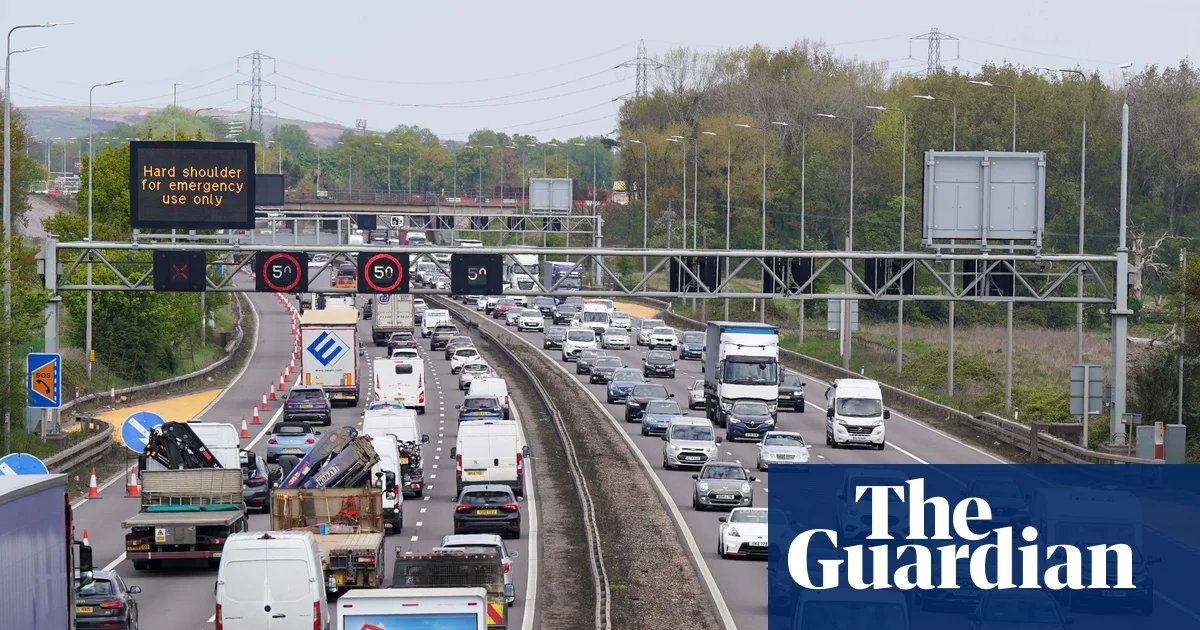
The four-day bank holiday weekend is expected to be the busiest Easter on the roads in four years, despite a surge in fuel prices caused by the conflict in the Middle East.
Drivers are planning nearly 21m leisure journeys between Thursday and Easter Monday, according to a study by the RAC and the traffic analytics specialists Inrix.
With more than 1m additional trips planned compared with last year, this Easter is set to be the busiest on the roads since 2022, which was the first full getaway after the Covid lockdowns ended. And signs that the weather could warm up in time for the weekend mean the number of ad hoc journeys could rise, the RAC said.
The AA predicted that traffic during the Easter period would peak on Thursday, when many schools break up. Just over half of people expect to travel short distances of under 50 miles. About one in five plan to visit friends and family, one in 10 want to head outdoors for walking or cycling, and 5% expect to visit DIY stores or garden centres.
Lee Morley, an AA expert patrol, said: “After what feels like a very long, wet winter, lots of families are looking forward to the Easter break.”
With better weather forecast, routes to the coast are likely to be especially busy, as well as roads around town and city centres and retail parks.
Network Rail has alerted travellers to “lots of planned essential engineering works and upgrades” over the bank holiday weekend, which is likely to increase road traffic. Engineers will work on more than 270 upgrade projects across Britain over Easter.
The Association of British Travel Agents said most of those whose trips had been affected by the war had switched to alternative destinations including the western Mediterranean, Caribbean, and direct-flight long-haul trips to Thailand and South Africa.
The RAC said nearly a third of drivers (31%) were increasingly worried about higher fuel costs since the US-Israeli war on Iran began on 28 February.
With the price of crude oil soaring above $100 a barrel, the average price of petrol in the UK has risen above 150p a litre for the first time since May 2024, according to the RAC.
Filling up a 55-litre family car with diesel this Easter will cost at least £19 more than it did on Good Friday last year, while a tank of petrol will be almost £8 more, with further increases likely.
Even so, most people are not changing their travel plans: only 6% expect to drive shorter distances and another 6% say they will not drive at all because of the higher prices, according to the RAC.
The RAC’s Sean Kimberlin said: “Despite fuel prices rising dramatically due to the conflict in the Middle East, our research suggests Easter remains incredibly important to people as it’s often the first chance to get away since Christmas or to meet up with friends and family.”
The port of Dover estimates 37,000 cars will travel through the port during the Easter holidays between this Thursday and Sunday 19 April.
The port’s chief executive, Doug Bannister, said: “The port is preparing for a busy Easter getaway period, with an early increase in traffic expected from [last] Friday, followed by the predicted getaway volumes through to mid-April.”
Traffic & Transport
Arctic blast to bring snow, hail and icy conditions across UK this weekend | UK weather
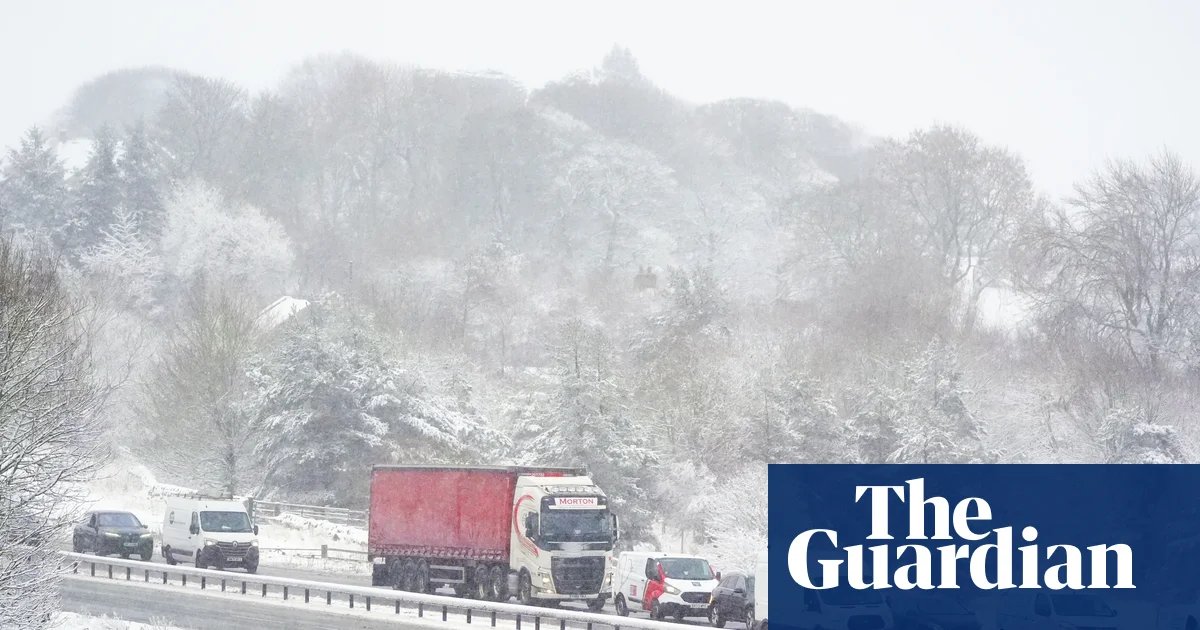
An Arctic blast of very cold air will this weekend bring snow, sleet, hail, freezing rain and icy conditions across most of the UK, forecasters have said.
The Met Office issued new yellow warnings for wintry conditions and potential travel disruption lasting until Sunday morning. Previous snow and ice warnings for Scotland and northern England expired at noon on Friday. Freezing temperatures have also led to a four-day health alert for cold weather.
In northern Scotland and coastal areas of north-east England and Yorkshire from 4pm until 10am Saturday there are warnings of snow, sleet and hail showers. Across Wales, south-west England, northern England, the Midlands, the east of England down to London the warning is for ice between 5pm and 10am on Saturday.
A yellow warning for ice has been issued for Northern Ireland, which will be in place from 8pm on Friday until 10am on Saturday.
A further snow and ice yellow warning comes into place between 9pm on Saturday and 10am on Sunday. It covers Scotland and northern England, with forecasters predicting potentially heavy snow and freezing rain.
The wintry conditions would mean hazardous ice on untreated roads and pavements, forecasters said. The Met Office said the wintry weather was the result of an Arctic maritime air mass bringing colder conditions from the north of Scotland southwards.
On Friday morning, National Highways said the A66, a major route across the Pennines, was closed between the A67 near Bowes in County Durham and the A685 near Brough in Cumbria because of “concentrated snowfall”.
It said: “National Highways area team crews are on scene with winter treatment vehicles working to clear and treat the carriageway, however forecasts predict that snowfall will continue in the area throughout the morning. Units from Cumbria police are also on scene assisting to clear the traffic. Road users travelling across the Pennines are advised to plan ahead and consider alternate routes.”
The UK Health Security Agency issued yellow alerts for cold weather across northern England and the Midlands from 6am on Friday until 8am on Monday. The alerts warn of a greater risk to life for vulnerable people and increased use of healthcare services by vulnerable people.
The wintry weather comes after a strikingly wet start to 2026 for large parts of the UK. People in parts of Devon, Cornwall and Worcestershire had rain for 40 days, the Met Office said this week. On Friday in England there were 76 flood warnings and 154 flood alerts in place. In Wales there were four flood alerts.
For others it was the absence of sun, with Aberdeen going through 21 days of sunless weather until, finally, it came out for about 30 minutes on Thursday afternoon.


EU ministers arrive in Ukraine to mark Bucha massacre anniversary – Europe live | Ukraine

COHO names Jon Hurley Chief Product Officer as rollout

UK aviation regulator rejects Heathrow’s plans to significantly raise landing fees | Heathrow airport
-

 Crime & Safety2 weeks ago
Oxford: ‘Next generation’ LimeBikes in city from today
-

 Jobs & Careers2 weeks ago
Why Join Oxford | Oxford University Jobs
-
 Jobs & Careers2 weeks ago
Explore our Careers
-

 Student Life2 weeks ago
The independent cinema battling Oriel College to stay open
-

 Oxford Events2 weeks ago
Michelin Guide Oxfordshire Restaurants – The Oxford Magazine
-

 Oxford Events2 weeks ago
Oxford News and Events, What’s on in Oxford, Exhibitions
-

 Jobs & Careers2 weeks ago
Internal Job Board for University vacancies
-
 Crime & Safety2 weeks ago
Crash partially blocks A40 and causes severe Oxfordshire traffic