
Business & Technology
Siemens launches cloud-linked fire detectors for buildings

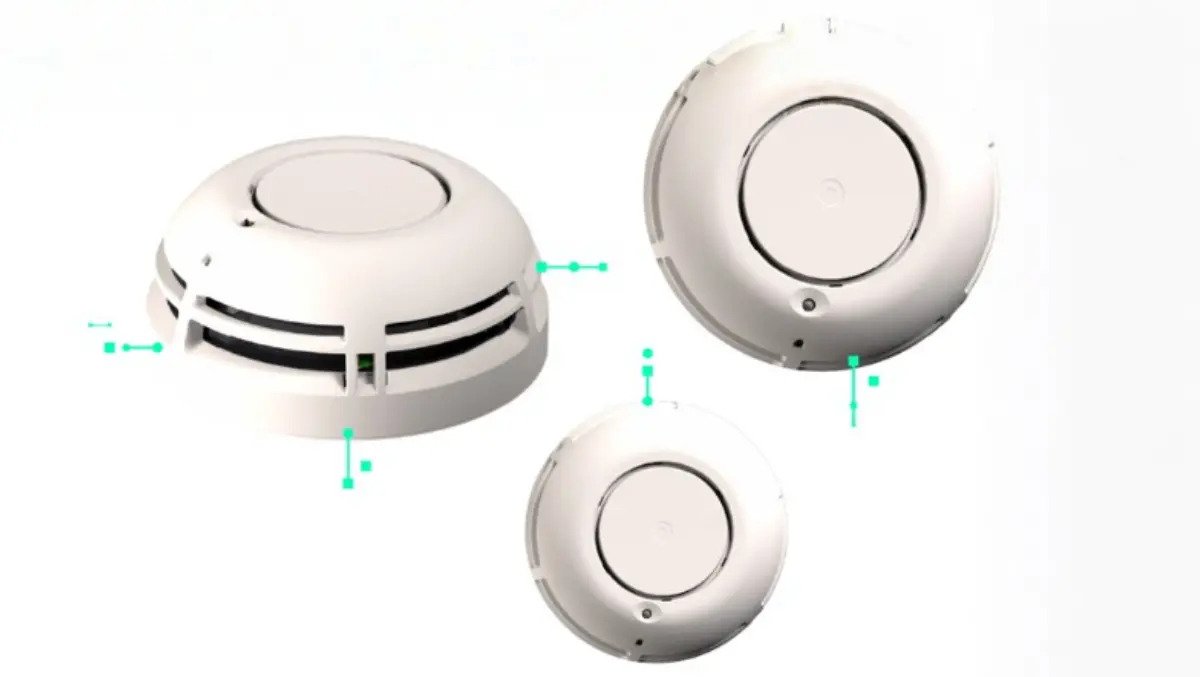
Siemens has launched its Sinteso Nova and Cerberus Nova fire detector portfolio for connected building safety systems in sectors including healthcare, data centres, higher education and commercial property.
The detectors combine fire detection with cloud connectivity and Internet of Things functions, enabling round-the-clock self-checks, real-time monitoring, remote diagnostics and predictive maintenance. The aim is to shift fire safety management from periodic inspection to continuous supervision.
The launch forms part of Siemens’ wider Smart Infrastructure business, which focuses on digital systems for buildings, energy networks and industrial sites. The detectors were developed and are produced in Switzerland.
Sector focus
In healthcare settings, the detectors are designed to support continuous monitoring where system downtime can affect patient safety and day-to-day operations. Siemens highlighted Disturbance-Free Testing, which runs automated self-checks, and Smoke Entry Supervision, which monitors smoke entry points in real time.
The portfolio also includes ASAplus detection technology, combining multi-wavelength optical sensing with dual thermal detection to reduce false alarms. In hospitals and similar facilities, false alarms can cause unnecessary evacuations and operational disruption.
Data centres are another target market. These facilities often contain dense electrical infrastructure and require uninterrupted service, making overheating and electrical faults a significant concern. The detectors are intended to improve visibility over system conditions while reducing service interruptions through automated checks and remote diagnostics.
For higher education campuses and commercial property portfolios, the focus is on central oversight across multiple buildings. Operators of dispersed estates often need to maintain consistent safety standards while controlling maintenance workloads. The new portfolio is designed to support that through continuous monitoring and proactive maintenance planning.
Upgrade path
A key part of the launch is compatibility with existing fire panels, allowing customers to upgrade detectors without replacing the wider fire safety system. The devices support step-by-step modernisation in both new developments and older sites.
That approach may appeal to building owners seeking to avoid the cost and disruption of full system replacement. The detectors also support plug-and-play integration and can transfer configured settings automatically, reducing installation time and project risk.
The devices are compatible with Siemens’ Building X Fire Apps, a cloud-based software environment that allows facility teams and service providers to access shared operational data. This is intended to give in-house teams and external contractors the same view of detector status and maintenance needs.
Peter Nebiker, Head of Fire Safety at Siemens Smart Infrastructure Buildings, outlined the company’s position on the shift in system design.
“The launch of our Sinteso Nova and Cerberus Nova fire detection portfolio is a game-changer in ensuring all alarms are accurate as best as possible. By moving from periodic checks to continuous, data-driven, self-supervising systems, we’re laying the foundation for truly human-centric, autonomous buildings. By automating testing, delivering real-time insights, and enabling remote action, these solutions protect people while freeing up staff to focus on strategic priorities. This shift isn’t just about innovation – it’s about smarter, safer, and more efficient operations,” said Nebiker.
Environmental detail
The detectors carry Siemens’ EcoTech environmental product performance label. According to the company, they are made with recycled plastics and are designed to support resource efficiency and circular economy principles.
The new range also sits within Siemens Xcelerator, the company’s digital business platform for software, hardware and services aimed at industrial and building digitisation.
At group level, Siemens reported revenue of €78.9 billion and net income of €10.4 billion in fiscal 2025. It employed around 318,000 people worldwide in continuing operations at the end of that financial year.
Within the wider group, Smart Infrastructure had around 79,400 employees worldwide at the end of September 2025 and is headquartered in Zug, Switzerland.
The launch gives Siemens a new offering in a fire safety market where building owners face pressure to update ageing infrastructure, cut false alarms and monitor systems remotely without taking sites offline.
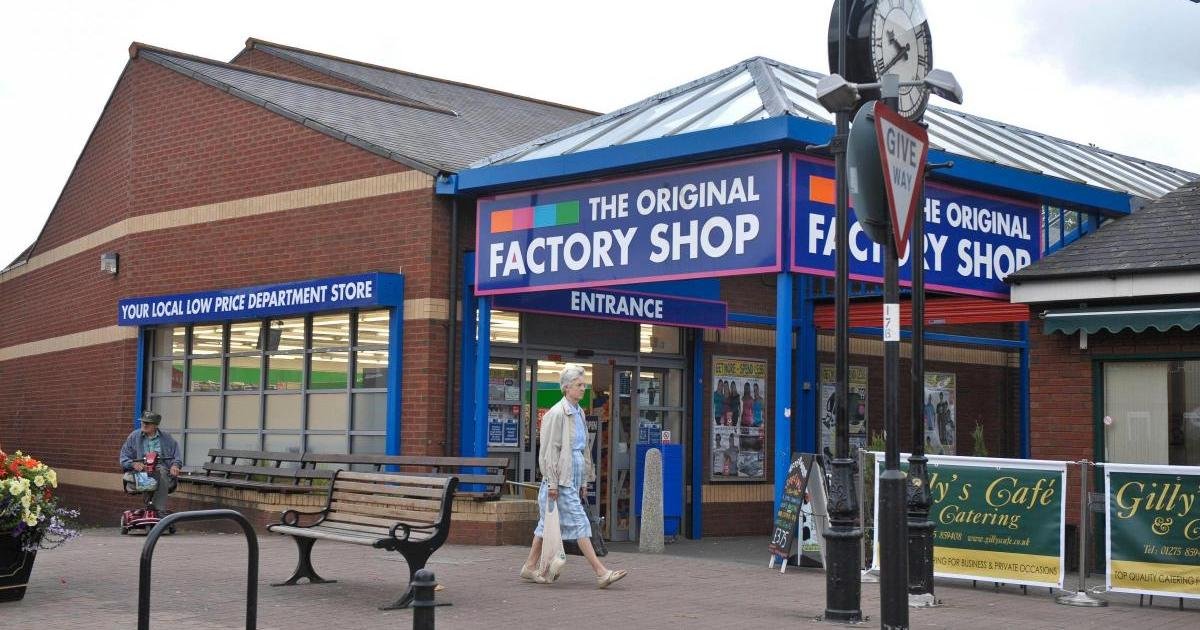
The Original Factory Shop which sells discounted homewares, furniture, electrical goods and toys, shut its store in Carterton yesterday (Saturday, March 28).
On the business’ Facebook page, last-minute discounts were being offered with clothing down to £2 an item.
READ MORE: Store closure fears as UK discount brand in administration
On Thursday, March 26, a spokesperson for the store said: “Everything in store is now up to 85 per cent off as we prepare to close our doors this weekend.
“This is your last chance to grab a bargain – once it’s gone, it’s gone.”

Following that announcement, prices were subsequently lowered and lowered.
Other branches around the UK also shut yesterday including in Cromer, Gorleston and Bungay in Norfolk and Suffolk with major sales also being implemented at other locations.
This comes after the business fell into administration in January, with further closures also expected imminently in Snettisham, according to The Sun, and around the country.
READ MORE: Geri Halliwell and Christian Horner score planning victory over neighbours
Administrators said The Original Factory Shop’s troubles have been driven by challenging trading conditions, linked to high-cost inflation, fragile consumer confidence and rising labour costs caused by government policies.
Problems were then exacerbated by issues linked to its third-party warehouse and logistics operator, weakening sales further.
It only has one store in Oxfordshire, its Carterton shop, although Claire’s – which is also owned by investment firm Modella Capital and is in administration – has one in the Oxford Westgate shopping centre.
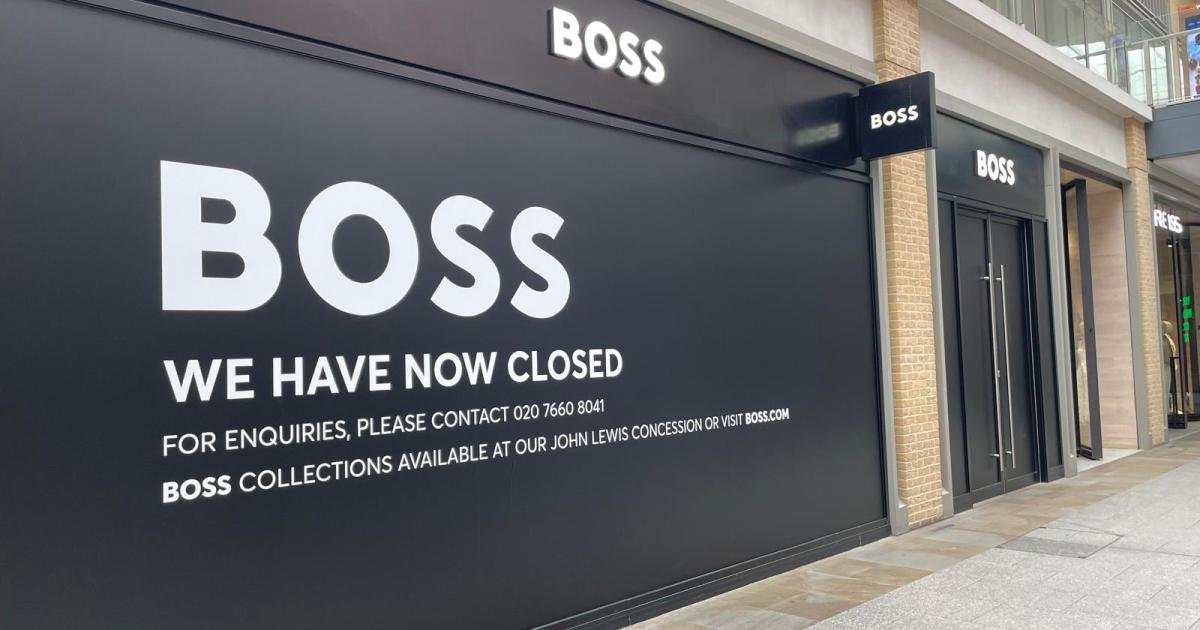
The fashion retailer this month closed down its store in the Oxford city centre shopping centre having opened in October 2017 as part of the £440m revamp.
It was one of the original retailers as part of the shopping centre’s new phase of life, along with John Lewis, Primark and Next.
A spokeswoman from Hugo Boss said: “Hugo Boss optimises its global store portfolio as part of its long-term strategy, which also affects the Boss Oxford Westgate Centre store.
“Hugo Boss will maintain a strong presence in the UK, and we will also continue to serve our customers via our online flagship store at hugoboss.com.”
READ MORE: Red Arrows will break record when it takes to skies over England
The company did not say whether any redundancies had been made from closing the store.
The spokeswoman said: “Wherever possible, we reallocate employees through transfers or other internal opportunities.”
There are indeed other branches not too far, including at Bicester Village, Swindon and Reading.
A spokeswoman for the Westgate said: “We remain committed to making Westgate Oxford a vibrant and varied retail destination for our guests, welcoming exciting new arrivals such as Sephora, The Beefy Boys, and the opening of Lego later this spring, as well as recently upsized stores for Oliver Bonas, Goldsmiths, and Superdrug.
“We look forward to sharing more details about new brands joining the centre soon.”
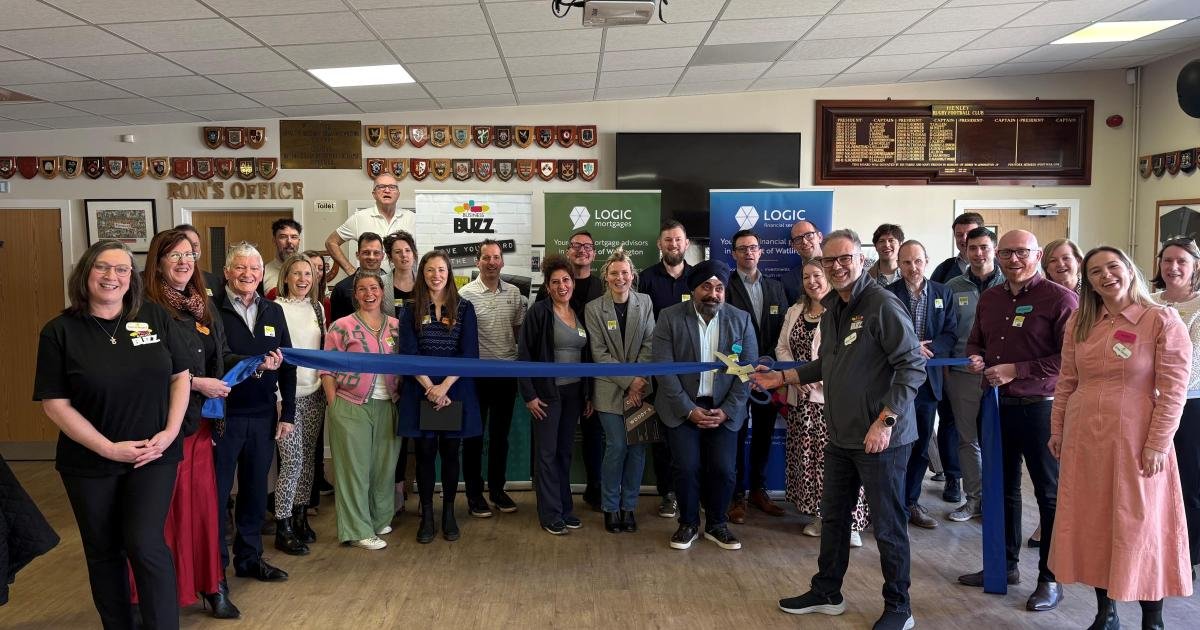
Henley Business Buzz hosted its first event at Henley Rugby Club, drawing more than 30 businesses and decision-makers from the local area.
The group is part of the wider Business Buzz network, offering informal, no-membership, pay-as-you-go networking that focuses on building professional relationships in a relaxed setting.
Orinta Gaucyte, host of Henley Business Buzz, said: “It was fantastic to see so many local businesses come together for our first Henley Buzz.
“There’s something really special about building a supportive community where people feel comfortable, included and able to make genuine connections.
“A huge thank you to everyone who came along and helped make the launch such a success.”
The launch was attended by Business Buzz co-founders Katrina Sargent and Simon George, who officially opened the event.
The Henley meetings are supported by sponsors Logic Financial Services and Logic Mortgages.
Lee Humphrey, of Logic Financial Services, said: “It’s brilliant to see an event like Business Buzz arrive in Henley.
“Creating opportunities for local businesses to connect in a relaxed and approachable way is incredibly valuable for the town, and we’re proud to support something that brings the business community closer together.”
Henley Business Buzz will take place on the fourth Thursday of each month, with the next event scheduled for Thursday, April 23.
All businesses, entrepreneurs, and professionals in the area are welcome to attend.



-

 Crime & Safety2 weeks ago
Oxford: ‘Next generation’ LimeBikes in city from today
-

 Jobs & Careers2 weeks ago
Explore our Careers
-

 Oxford Events2 weeks ago
Michelin Guide Oxfordshire Restaurants – The Oxford Magazine
-

 Jobs & Careers2 weeks ago
Why Join Oxford | Oxford University Jobs
-

 Student Life2 weeks ago
The independent cinema battling Oriel College to stay open
-

 Oxford Events2 weeks ago
Oxford News and Events, What’s on in Oxford, Exhibitions
-

 Jobs & Careers2 weeks ago
Internal Job Board for University vacancies
-

 Crime & Safety2 weeks ago
Crash partially blocks A40 and causes severe Oxfordshire traffic