
Business & Technology
Poor product information fuels returns & lost sales


Poor product information is driving returns and deterring purchases, according to new Akeneo consumer research on shopping behaviour and return rates.
The findings highlight problems both before and after checkout, with shoppers saying missing or inaccurate details affect confidence, product choice, and brand loyalty. Two-fifths of consumers said they had returned a product in the past year because the pre-purchase information turned out to be wrong.
Return rates across retail remain high. Akeneo, citing National Retail Federation figures, said the average retail return rate is approaching 17%, with annual returns costing the sector nearly USD $900 billion.
The research points to inaccurate descriptions, inconsistent sizing, missing specifications, and weak imagery as key reasons shoppers receive products that do not meet expectations. Consumers said they return an average of two products a year for that reason alone.
Before Purchase
Product information issues also shape behaviour before a sale is made. Nearly three-quarters of consumers said they struggle to find all the information they need to make a confident purchase decision, while 71% said they now spend more time checking purchases because of inflation and higher prices.
That caution appears to affect both conversion and loyalty. The findings show that 70% of shoppers would buy a different product than the one they intended if information was lacking, 65% would abandon a purchase altogether, and 68% would stop buying from a brand after a poor product information experience.
Akeneo argued that retailers have focused heavily on making returns easier and cheaper while paying less attention to the quality of information shown before an order is placed. Clearer, more complete product data could reduce avoidable returns and build customer trust, it said.
Consumers also linked better information with a greater willingness to keep what they buy. Nearly two-thirds, or 62%, said they are far more likely to keep a purchase and feel positive about it when product information is clear, accurate, and detailed.
That includes sizing and fit guidance, product attributes, technical specifications, imagery, and details on materials, availability, and sustainability. The research suggests shoppers are using a broader range of product details to judge whether an item meets their needs before committing to buy.
Executive View
Romain Fouache, Chief Executive Officer of Akeneo, said retailers and brands are missing a direct link between data quality and returns.
“Many companies still haven’t connected the dots between product data quality and return rates,” Fouache said. “When product information is incomplete, unclear or inconsistent, customers are far more likely to receive something that doesn’t meet their expectations, and that leads directly to returns. But when data is accurate, consistent, detailed and easy to understand, shoppers buy with confidence. Better product data doesn’t just lift conversion; it protects margins, loyalty and brand credibility.”
The figures add to a broader retail debate over the cost of returns and pressure on margins. Returns can add handling, transport, and restocking costs, while increasing the risk that stock cannot be resold at full price.
For retailers, the research indicates that product pages and related data may have a more direct effect on commercial performance than is often assumed. For consumers, it suggests that frustration starts before the return process itself, when information is absent, unclear, or inconsistent at the point of decision.
Among the clearest findings was the link between accurate information and customer retention: 68% of consumers said they would stop buying from a brand after a bad product information experience.
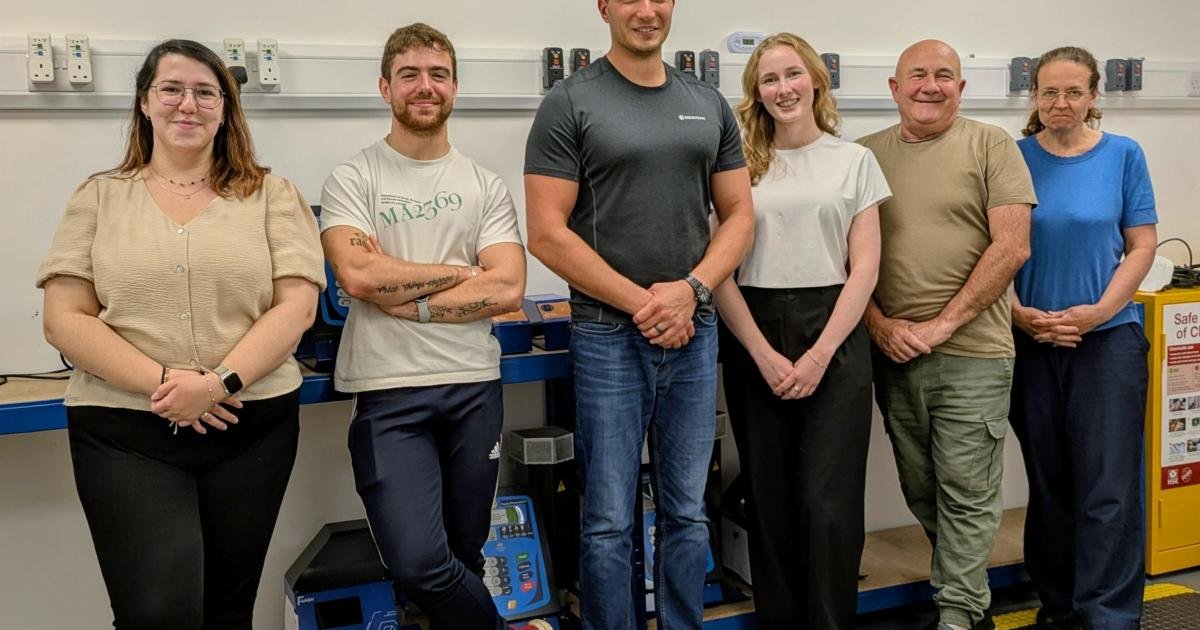
Small and medium-sized manufacturers in Oxfordshire will benefit from a £3.1 million investment through the Made Smarter South East programme, funded by the Government to boost digital transformation.
The programme offers expert technology advice, leadership training, digital skills development, and match-funded grants to support productivity, innovation, job creation, and carbon reduction.
Bryan Vint, programme manager for Made Smarter South East, said: “This new wave of funding is a huge boost for manufacturers across the South East.
“In our first year we have already shown what the region can achieve when SMEs have access to the right advice, skills and technology.
“The continuation of the programme gives businesses the confidence to plan ahead, invest in digital tools and build the skills they need to grow.
“We are excited to help hundreds more manufacturers unlock productivity, resilience and long-term growth.”
The scheme is delivered by Surrey County Council in partnership with Oxfordshire LEP.
Since its launch in April 2025, Made Smarter South East has supported 273 manufacturers, participated in 137 diagnostic workshops, developed 93 digital roadmaps, and approved grants for 20 technology projects.
Over the last year, manufacturers have secured more than £307,000 in matched funding, enabling over £1 million of investment in technologies such as ERP systems, 3D printing, and automation.
Manufacturers in Oxfordshire are already seeing the impact.
Brick Kiln Composites, based in Banbury, completed a Digital Transformation Workshop and joined the Leadership Programme to explore how digital technologies could enhance their operations.
Josh Tee, HR and operations manager at Brick Kiln Composites, said: “Working with Made Smarter has helped us step back and assess where digital technology can make the biggest difference to our operations.
“The programme has helped us better understand our current processes, identify pain points, and explore how digital tools could improve efficiency, strengthen lean manufacturing, and support more sustainable practices.”
He described the programme as a “fantastic initiative” for SMEs that builds “awareness and confidence around digital opportunities.”
Mr Tee said: “As we look ahead, technologies will increasingly support every stage of the manufacturing process, from procurement through to quality assurance, helping us create positive change for both our team and our customers.”
Businesses start with an expert digital assessment to identify their technology and skills priorities, followed by the creation of a tailored digital roadmap.
Support includes leadership development, workforce training, and digital internships to help embed new technologies and change across the organisation.
Eligible companies can receive up to 50 per cent match funding, with grants of up to £20,000 available for capital technology projects.
More information is available at madesmarter.uk/adoption/in-my-region/south-east.
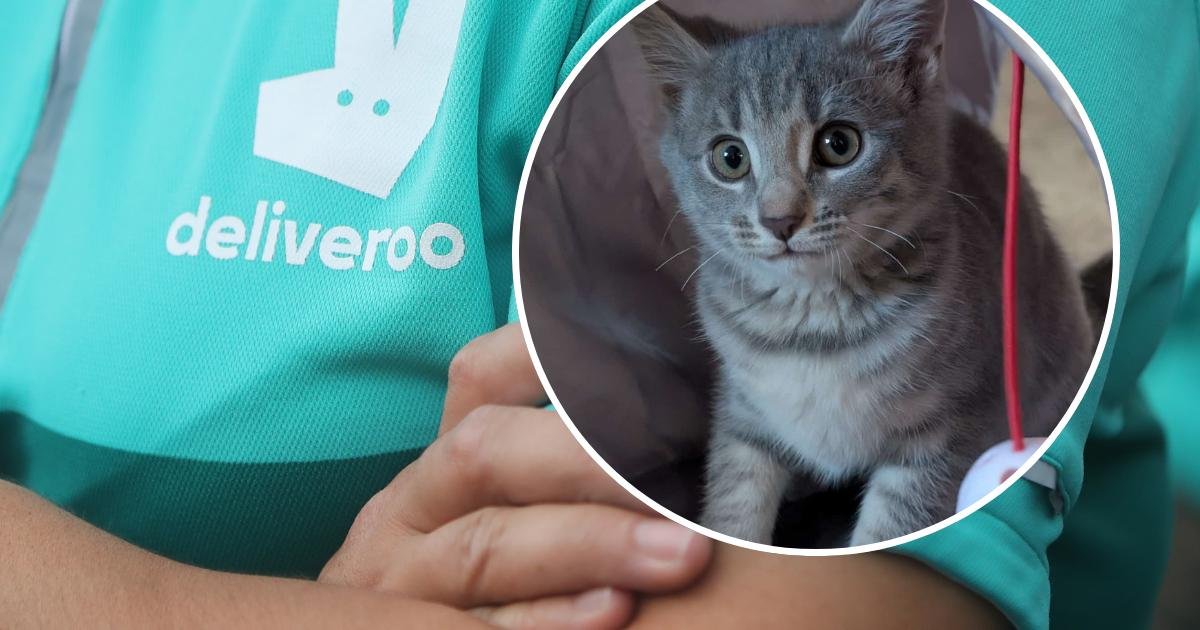
On Saturday March 28, Mohammed Khalid reported that his kitten was missing from his home in Banbury.
This happened in the evening when his neighbour was receiving a Deliveroo delivery with doorbell footage showing the cat inside the man’s car.
The British Shorthair cross Bengal cat, called Medina, is just over six months old but is allowed outside, often retuning to the home in the evening.
READ MORE: Investigation launched as ‘bags with products’ stolen from Oxfordshire Boots
She is also chipped.
Mr Khalid said: “My next-door neighbour came over in tears and said your cat has been stolen.”
He said that the neighbour explained that the driver had been curious about the cat and had taken pictures of it, after making his delivery.

Following that the cat was not seen by the family for another two days during which Mr Khalid’s children were reportedly “distraught”.
He said: “It is another kid for me. It is another member of the family that has been taken. It is like a kidnapping for us.

“Everyone is very upset about it. Even my neighbour is sending messages about it. She is apologising to me, but it is not her fault.”
Thames Valley Police declined to make a formal statement on the incident but did confirm the theft of a cat had been reported.
Mr Khalid added that his children struggled to sleep while the cat was missing but, on the afternoon of Monday, March 30, Medina was found in another part of Banbury.
He said: “Someone has found her scared, hiding, tired and hungry in their garden.”

Commenting on the incident, a Deliveroo spokesperson said: “We are investigating these reports with urgency and will support the police however we can.”
They are speaking to their courier who has been temporarily suspended from his work, and they have requested an urgent account of what happened.
Deliveroo added that it expects its couriers to behave professionally and follow the law at all times and if they are discovered to have committed any kind of criminal act, their contract would be terminated.
READ MORE: UK retailer shuts Oxfordshire branch as administration continues
Based in London, Deliveroo has a team of around 4,000 people with its couriers being contracted and technically self-employed.
The business works with around 182,000 restaurants, grocers and retailers says a report from The Times, delivering hot meals and groceries.
According to 2024 data from the Office for National Statistics (ONS), around 250,000 people work as “delivery drivers and couriers” in Britain.

FICO has urged banks to use dynamic profiling to identify financially vulnerable customers earlier, arguing that the approach can reveal signs of stress at least 40 days before customers become delinquent.
The analytics software group said banks still rely too heavily on point-in-time measures such as debt-to-income ratios, over-indebtedness and low savings when assessing vulnerability. In its view, those measures tend to identify customers already in difficulty rather than those heading towards it.
The call comes as UK unemployment reached 5.2% in the October to December period, which FICO described as a near five-year high, amid wider economic uncertainty. It argued that these conditions make it more important for lenders to spot early signs of financial strain without waiting for customers to disclose problems themselves.
According to FICO, dynamic profiling creates a continuously updated customer profile using a wide range of data sources. This is intended to provide a real-time picture of risk and behaviour over time, allowing banks to track change rather than rely on static snapshots.
The approach can include changes in income and spending, as well as non-monetary signals, such as customers checking debt advice pages or changes in the pattern and speed of their actions that may indicate a departure from normal behaviour.
FICO argued that many lenders already use similar information, but not in a way that reflects how quickly a customer’s position may be changing. It said real-time behavioural signals can show when someone is beginning to lose control of their finances, even if their current position still appears stable.
Mark Whale, Key Account Manager at FICO, said banks should move away from systems that depend on customer disclosure or retrospective assessment.
“Banks continue to rely on point-in-time indicators of consumers’ situation,” Whale said. “Assessing debt-to-income ratios and monitoring for over-indebtedness or low savings are diagnostic tools for existing crises, not early warning systems. Even the apparently ‘proactive’ speech analytics approach is inadequate, as it depends on customers disclosing the sensitive information that they are having financial problems.”
FICO linked the issue to regulatory expectations under the Financial Conduct Authority’s Consumer Duty, which requires firms to consider customer outcomes and support vulnerable consumers. It said more continuous monitoring could help banks intervene before customers enter severe distress.
Whale said lenders often focus on what has already happened in a customer’s finances rather than identifying the trajectory that led there.
“Creditors ask customers what has gone on before, requesting details of the financial moves that led them to an unmanageable position,” Whale said. “Yet these firms have not guided customers’ calculations before they ended up in losing positions.
“StepChange reported that ‘lack of control over finances’ remained the most selected main reason for debt in September 2025 at 18%, closely followed by ‘cost of living increase’ at 17%. Banks do analyse spending ratios and credit scores, but these remain static snapshots and often fail to reveal acceleration towards financial difficulty. Instead, dynamic profiling combines real-time events and behavioural signals to produce a continuously updated picture of a customer’s financial trajectory. This allows banks to detect when a customer becomes vulnerable, even if their current financial position looks stable.”
“Proactive detection means identifying customers heading towards financial difficulty before they reach crisis point, in line with the FCA’s Consumer Duty. To meet these regulatory expectations and genuinely protect customers, banks must stop asking ‘Where is the customer today?’ and start asking ‘How quickly are they moving towards trouble?’
“Dynamic profiling allows banks to anticipate financial difficulty earlier, provide meaningful support, and ultimately help customers maintain control over their financial lives,” Whale concluded.
The debate over early detection has grown as lenders face pressure to show they can identify vulnerability in a timely way, particularly when rising living costs and weaker labour market conditions can quickly alter household finances. Traditional affordability checks and credit risk models remain central to lending decisions, but firms across the sector are also examining how behavioural data can be used to spot warning signs earlier.
FICO said evidence from its clients suggests dynamic profiling can identify those warning signs well before a missed payment occurs. It argued that banks should move from measuring a customer’s condition at a single moment to tracking whether that customer is moving towards financial difficulty.



-

 Crime & Safety2 weeks ago
Oxford: ‘Next generation’ LimeBikes in city from today
-

 Jobs & Careers2 weeks ago
Why Join Oxford | Oxford University Jobs
-

 Jobs & Careers2 weeks ago
Explore our Careers
-

 Student Life2 weeks ago
The independent cinema battling Oriel College to stay open
-

 Oxford Events2 weeks ago
Michelin Guide Oxfordshire Restaurants – The Oxford Magazine
-

 Oxford Events2 weeks ago
Oxford News and Events, What’s on in Oxford, Exhibitions
-

 Jobs & Careers2 weeks ago
Internal Job Board for University vacancies
-

 Crime & Safety2 weeks ago
Crash partially blocks A40 and causes severe Oxfordshire traffic