
Crime & Safety
Police helicopter deployed as four Oxfordshire men detained

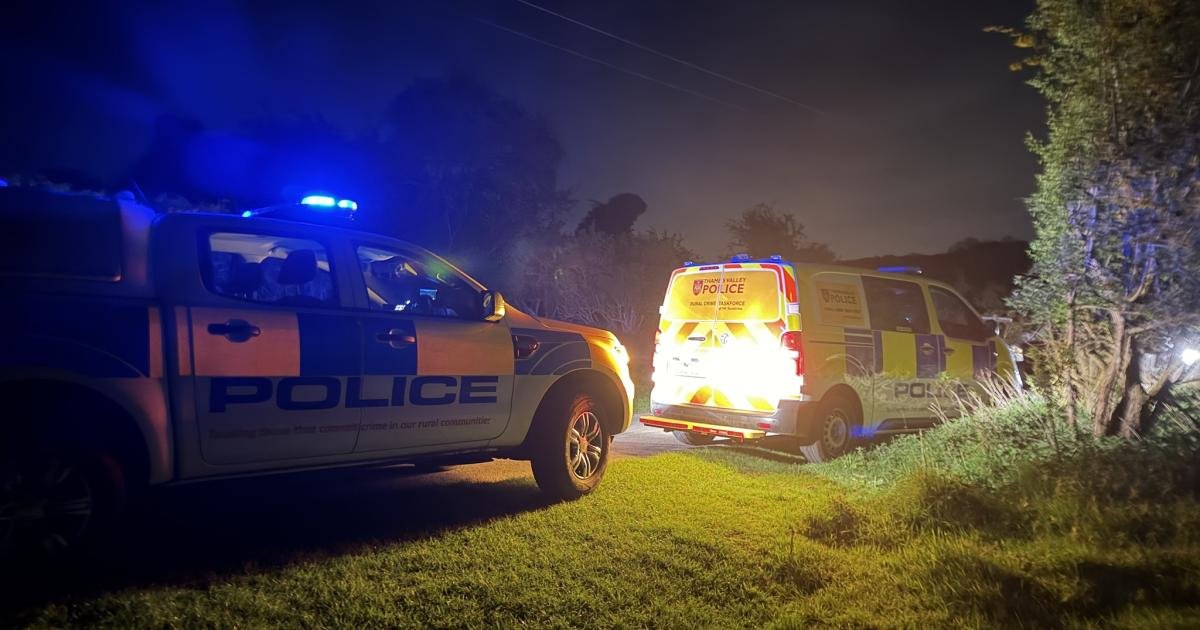
The incident occurred in Watlington last night (Thursday, April 17) as Thames Valley Police received reports of illegal poaching.
Four men were subsequently found and detained but have since been released with out-of-court disposals.
A spokesperson for Thames Valley Police said: “The Rural Crime Taskforce attended reports of suspected illegal poaching in the Watlington area tonight.
READ MORE: Oxford University to show public Magna Carta for free this summer
“With assistance from the police helicopter, four males were located and detained.
“The males admitted to being in the area looking for game without permission from the landowner.
“Through consultation with the landowner, the males were all issued an out-of-court disposal for nighttime trespass in pursuit of game.
“An out-of-court disposal is a method of dealing with certain offences where the suspects have little to no relevant offending history, without the need to send them to court.
“If they are caught again, they will be arrested and dealt with via the courts.”
Mourners, including members of the Royal Family, travelled to a small village in the county for the funeral of Lady Pamela Hicks on Saturday (June 13).
The service for the 97‑year‑old took place at St Bartholomew’s Church in Brightwell Baldwin, between Wallingford and Watlington.
Lady Pamela died last week at her home in the village, where she had lived for many years with her late husband, interior designer David Hicks.
READ MORE: Mourners arrive for Royal Family funeral in Oxfordshire village
X
Among the mourners were Lady Helen Taylor, daughter of Prince Edward, and Penelope Knatchbull, Countess Mountbatten of Burma.
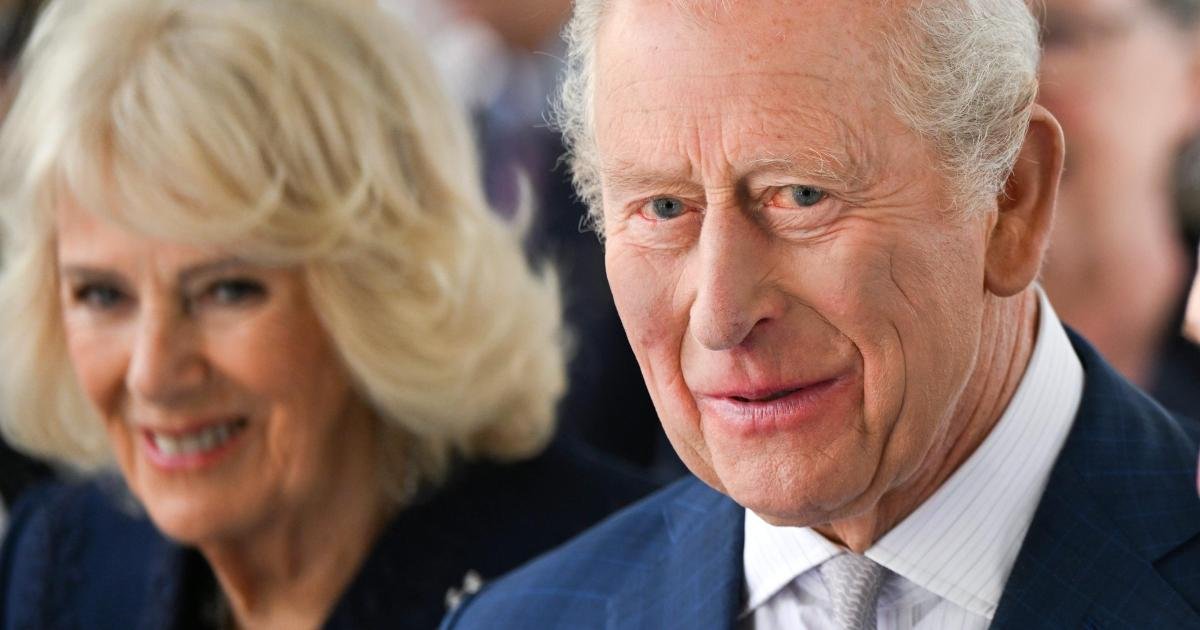
There was no sign of King Charles or Queen Camilla, though, as the funeral came on the same day as Trooping the Colour, the King’s official London birthday parade.
Nevertheless, mourners paid their respects outside St Bartholomew’s Church as the coffin was carried inside, before following the procession for the service.
The small parish church is close to The Grove, the family house that became her long‑term base in Oxfordshire.
READ MORE: Legendary chef heralds shock return of closed Oxfordshire pub
X
According to the published order, the funeral was arranged in line with Lady Pamela’s wishes, with rousing hymns but no formal sermon or eulogy during the service.
Lady Pamela was a first cousin of the late Prince Philip and a great‑great‑granddaughter of Queen Victoria.
She was also a bridesmaid at the 1947 wedding of the then Princess Elizabeth and Lieutenant Philip Mountbatten.
READ MORE: Christian Horner and Geri Halliwell to make £45m life decision
X
The 97-year-old later served as a lady‑in‑waiting to Queen Elizabeth II and accompanied the then Princess on the 1952 tour of Kenya.
This was when news came through of King George VI’s death and Elizabeth’s accession to the throne.
Following her death on June 5, King Charles paid a warm tribute, saying he was “greatly saddened to learn of the death of Lady Pamela Hicks, a sorrow tempered by the fondest memories and deepest gratitude for her long life and loyal service to Queen Elizabeth.”
In the statement released by Buckingham Palace, he added that her “warmth, wit and perspicacity always made such an impression” and that she would be “so dearly missed by all those who knew and loved her.”
READ MORE: Award-winning UK private school to mark 75th anniversary with celebration
X
Lady Pamela is survived by her three children, Edwina, Ashley and India, and several grandchildren, many of whom were expected to attend today’s village service.
Brightwell Baldwin is a small rural parish in South Oxfordshire, about four and a half miles north‑east of Wallingford and close to the foot of the Chiltern Hills.
The village, whose name comes from the Old English for “bright spring”, had a population of just over 200 at the last census and is centred around a handful of stone cottages, farms and the church.
St Bartholomew’s itself dates back to the 13th and 14th centuries, with later medieval additions, and is regarded as one of south Oxfordshire’s most interesting historic churches.
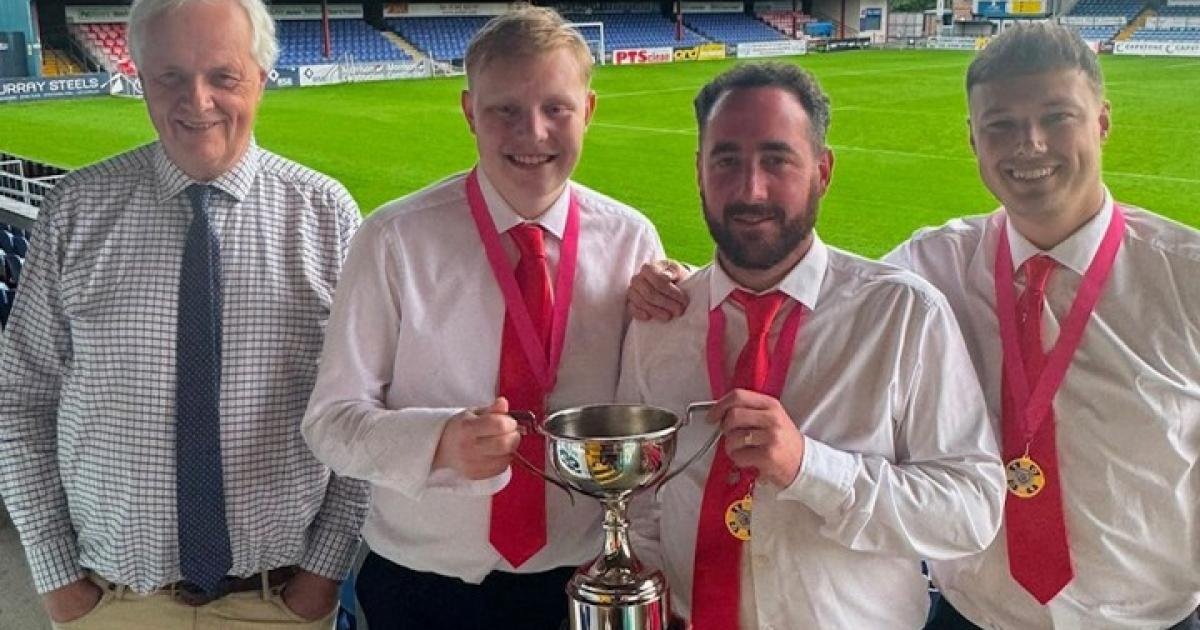
Led by manager Daley Cross, a renal and transplant youth worker at the Churchill Hospital, the England men’s side claimed the title with a 9-1 win over Scotland in the final.
The tournament, held in Dingwall at the Global Energy Stadium, brought together more than 60 transplant recipients from England, Scotland, Wales, and Northern Ireland, with each team showcasing the life-changing impact of organ donation and the resilience of transplant recipients.
Mr Cross said: “While it’s fantastic to bring the trophy home, the most important thing is the message behind the tournament.
“This is about showing what organ donation makes possible. Every player is living proof of the difference it can make.”
Among the England squad were two kidney transplant recipients cared for at Churchill Hospital – defender Robert Collins, 23, who received a kidney from his uncle in 2009, and goalkeeper Adam Martin, 35, who received a transplant from his sister in 2023.
Mr Collins, from Bedfordshire, said: “I’ve always loved playing football. When I was ill, I couldn’t play at all and I really missed it.
“Having a transplant has given me the chance to get back on the pitch and enjoy the game again.
“Being part of this team makes it even more special. There’s a real bond between us, one that extends beyond football – we’ve all been given a second chance.
“Every time we play, it’s a celebration of that. Scoring goals and winning along the way also helps.”
Mr Martin, from Banbury, said: “Representing your country is always an honour, but doing it alongside all the other transplant recipients – and in recognition of our donors – means so much more.
“I’ll always be forever grateful for the support the team offers and also to my sister for giving me a second chance at life.”
England finished the tournament unbeaten, securing dominant group-stage wins against Scotland (10-0), Northern Ireland (8-2), and Wales (7-0) before winning the final.
Mr Cross, who has worked at Oxford University Hospitals for 11 years, said: “We’re proud of what we’ve achieved on the pitch, but above all we want to raise awareness and encourage more people to consider organ donation.
“It truly saves and transforms lives.”
The tournament also featured public outreach to encourage sign-ups to the NHS Organ Donor Register.
England’s transplant team will now set their sights on the Transplant Football World Cup in Frankfurt, Germany, taking place later this year.
The competition will bring together teams from around the world to promote organ donation and celebrate the achievements of transplant recipients on a global stage.
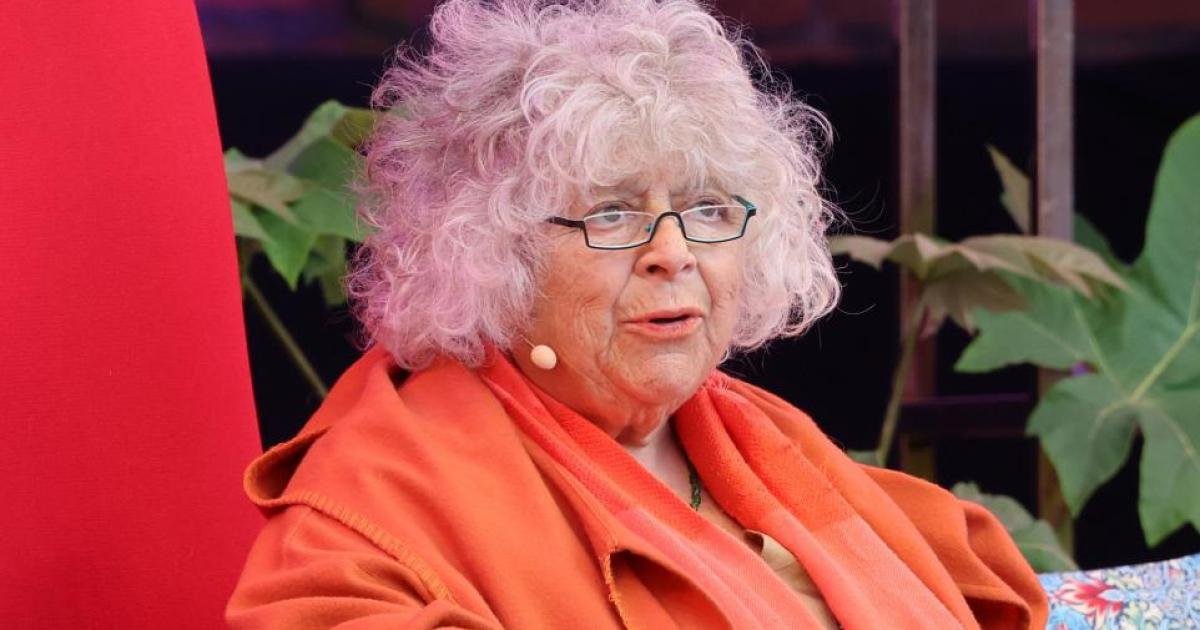
The actress, who was born and grew up in the city, is well known to audiences around the world after starring as Professor Sprout in several of the Harry Potter films.
Known for her character actor work across film, television, and stage, she received the BAFTA for Best Supporting Actress for her role as Mrs Mingott in Martin Scorsese’s 1993 film, The Age of Innocence.
Ms Margolyes was awarded an OBE in 2002 for services to drama, but there were calls for this to be taken back last year.
READ MORE: Oxford Union to host Tommy Robinson for debate despite outcry
The 85-year-old, who is Jewish, has said that “people don’t like Jews” whilst speaking at the Hay Festival in Powys.
Ms Margolyes added that her Jewish identity has shaped her “whole life” and added: “What your parents teach you and what you learn from the community you live in.”
Addressing concerns about rising antisemitism, she told the audience: “Nobody likes me to say this, but I’m going to say it – people don’t like Jews.”
She reflected on how, after the Holocaust – “when millions of Jewish people, and people from other backgrounds, were killed by the Nazis during World War Two” – there was a period when people “realised that they couldn’t say nasty things about Jews because terrible things happened to Jews and they must be sympathetic, so it stopped.”
However, she added that, over time, when “people with no morals who happened to be Jewish” appeared in public life, “the knives came out again, and they have never been put away.”



-

 Oxford united FC4 weeks ago
Chris Gunter steps away Wales role to focus on Oxford United
-

 Oxford University3 weeks ago
New to the Oxford English Dictionary this September
-

 Oxford united FC1 week ago
LIVE: Exeter City vs Oxford United – Jersey Mike's Trophy group stage
-

 Student Life3 weeks ago
Oxford partnership allows OpenAI to use rare Bodleian texts to train ChatGPT
-

 Traffic & Transport2 weeks ago
How poor public transport policy is putting the brake on cities | Road transport
-

 Traffic & Transport2 weeks ago
Why should I have to pay more for buses if I don’t use a smartphone? | Bus fares
-

 Oxford united FC2 weeks ago
Northern Ireland fans laud Oxford United defender Ciaron Brown
-

 Oxford united FC1 week ago
Oxford United lose to Exeter City on penalties in Jersey Mike’s Trophy