
Crime & Safety
Oxfordshire police officer made sexual comments in WhatsApp group

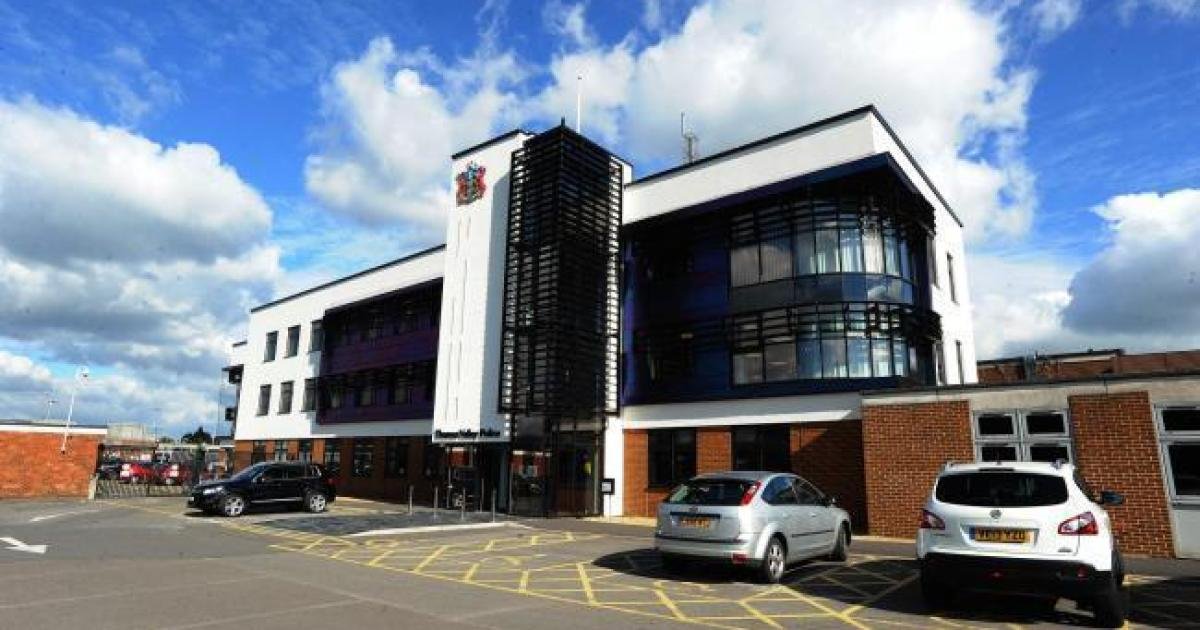
PC Callum Kilsby was imposed with an extended four-year final written during a misconduct hearing this month.
There were eight separate proven and admitted allegations where he was involved in sending and receiving posts on the chat across a six-week period between October and December 2020.
READ MORE: Witney man named after ‘fire threats’ in police standoff
At the time, he was a probationary police officer with Northamptonshire Police before transferring to Thames Valley Police in December 2022.
Some of the messages contained were said to be grossly offensive, prejudicial and discriminatory in nature towards women and one included race. There were also two screen shots of wording upon a police computer screen said to be in breach of confidentiality.
During the two-day misconduct panel, starting on March 9, the officer accepted he had breached the Standards of Professional Behaviour amounting to misconduct.
However, throughout the hearing he denied his behaviour amounted to gross misconduct, which means that the allegations are so serious to justify dismissal.
The panel found that PC Kilsby’s conduct was intentional and deliberate and that discrimination was both conscious and deliberate.
Mitigating factors were considered by the panel, including his age, 22 years-old at the time.
These also included that he was new, naïve and keen to get to know members on his team, and that when he realised that chat was inappropriate, he stopped participating.
Other factors included his 11-character references, that there has been no repeat of the concerned conduct and that he received a detective chief superintendents certificate of excellence concerning his part in apprehending a high-risk offender.
It also considered his ADHD diagnoses in October 2025. Dr Duffet, consultant psychiatrist on behalf of Psychiatry UK, funded by the NHS, said: “In my opinion, [his] comments include impulsiveness, particularly blurting things out in conversation, talking context of having undiagnosed ADHD.”
The panel found that the diagnosis was such that it was relevant and may have been a contributory factor in his lapses of judgement.
However, while it was a mitigating factor, the panel said it did not reduce the seriousness of the allegations and his culpability to the extent that it diminished the overall seriousness of the conduct.
In its conclusion, the panel noted there were significant mitigation factors including that he was young in service at the time of the conduct, his participation in the group had been a short period and occurred more than five years ago and he had shown genuine remorse and learnt from his behaviour which was out of character.
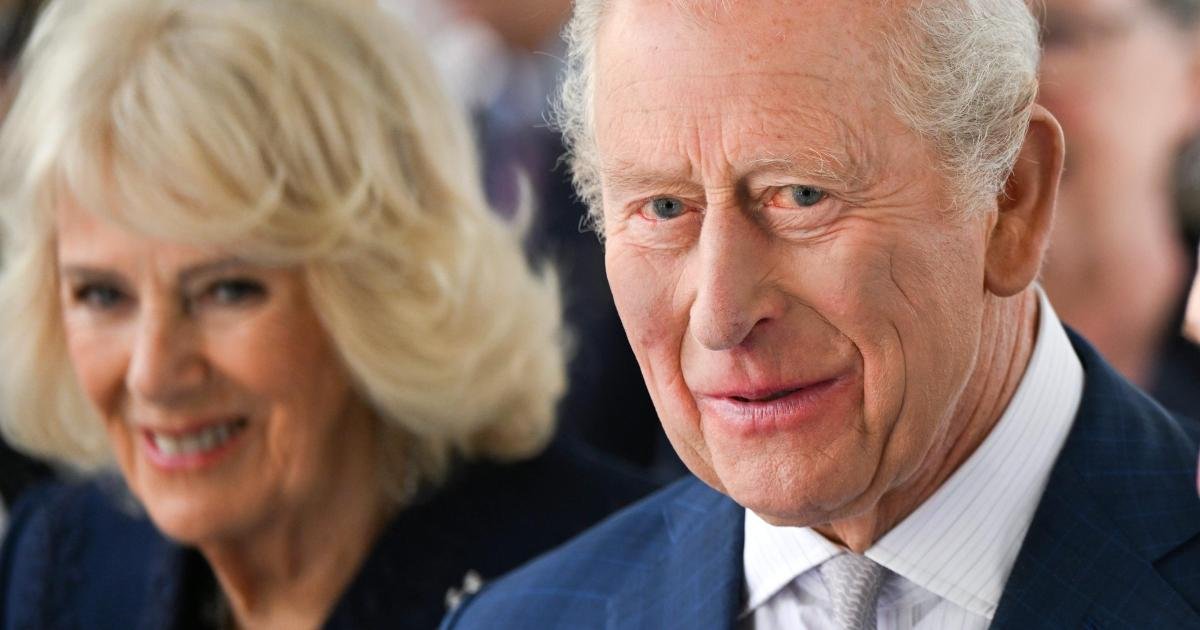
Mourners, including members of the Royal Family, travelled to a small village in the county for the funeral of Lady Pamela Hicks on Saturday (June 13).
The service for the 97‑year‑old took place at St Bartholomew’s Church in Brightwell Baldwin, between Wallingford and Watlington.
Lady Pamela died last week at her home in the village, where she had lived for many years with her late husband, interior designer David Hicks.
READ MORE: Mourners arrive for Royal Family funeral in Oxfordshire village
X
Among the mourners were Lady Helen Taylor, daughter of Prince Edward, and Penelope Knatchbull, Countess Mountbatten of Burma.
There was no sign of King Charles or Queen Camilla, though, as the funeral came on the same day as Trooping the Colour, the King’s official London birthday parade.
Nevertheless, mourners paid their respects outside St Bartholomew’s Church as the coffin was carried inside, before following the procession for the service.
The small parish church is close to The Grove, the family house that became her long‑term base in Oxfordshire.
READ MORE: Legendary chef heralds shock return of closed Oxfordshire pub
X
According to the published order, the funeral was arranged in line with Lady Pamela’s wishes, with rousing hymns but no formal sermon or eulogy during the service.
Lady Pamela was a first cousin of the late Prince Philip and a great‑great‑granddaughter of Queen Victoria.
She was also a bridesmaid at the 1947 wedding of the then Princess Elizabeth and Lieutenant Philip Mountbatten.
READ MORE: Christian Horner and Geri Halliwell to make £45m life decision
X
The 97-year-old later served as a lady‑in‑waiting to Queen Elizabeth II and accompanied the then Princess on the 1952 tour of Kenya.
This was when news came through of King George VI’s death and Elizabeth’s accession to the throne.
Following her death on June 5, King Charles paid a warm tribute, saying he was “greatly saddened to learn of the death of Lady Pamela Hicks, a sorrow tempered by the fondest memories and deepest gratitude for her long life and loyal service to Queen Elizabeth.”
In the statement released by Buckingham Palace, he added that her “warmth, wit and perspicacity always made such an impression” and that she would be “so dearly missed by all those who knew and loved her.”
READ MORE: Award-winning UK private school to mark 75th anniversary with celebration
X
Lady Pamela is survived by her three children, Edwina, Ashley and India, and several grandchildren, many of whom were expected to attend today’s village service.
Brightwell Baldwin is a small rural parish in South Oxfordshire, about four and a half miles north‑east of Wallingford and close to the foot of the Chiltern Hills.
The village, whose name comes from the Old English for “bright spring”, had a population of just over 200 at the last census and is centred around a handful of stone cottages, farms and the church.
St Bartholomew’s itself dates back to the 13th and 14th centuries, with later medieval additions, and is regarded as one of south Oxfordshire’s most interesting historic churches.
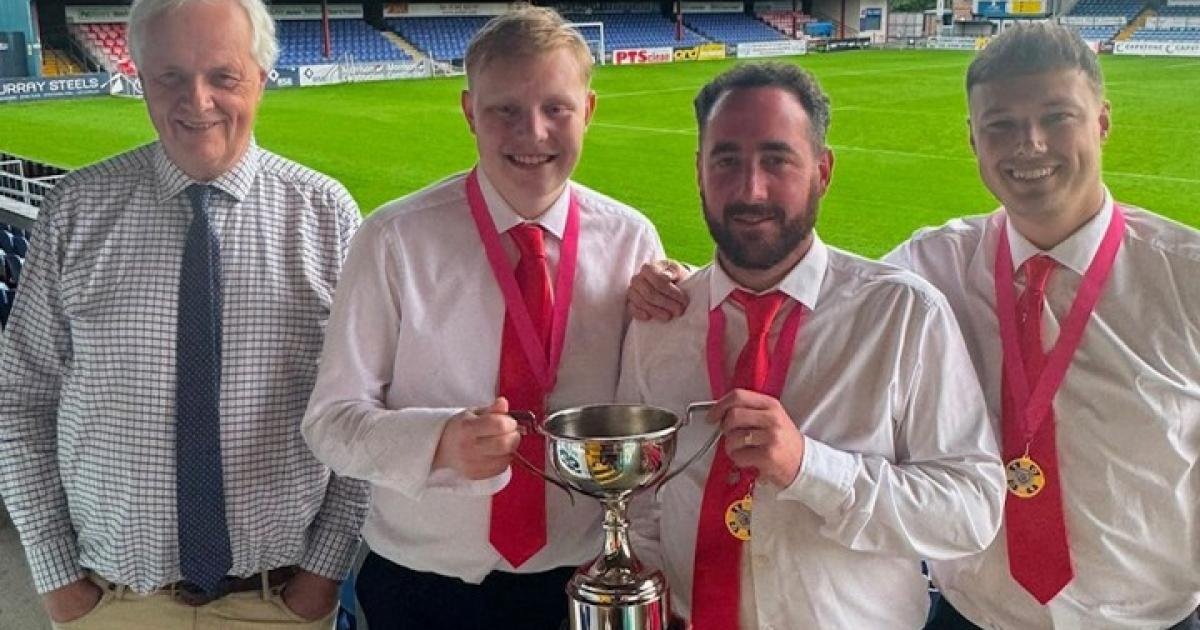
Led by manager Daley Cross, a renal and transplant youth worker at the Churchill Hospital, the England men’s side claimed the title with a 9-1 win over Scotland in the final.
The tournament, held in Dingwall at the Global Energy Stadium, brought together more than 60 transplant recipients from England, Scotland, Wales, and Northern Ireland, with each team showcasing the life-changing impact of organ donation and the resilience of transplant recipients.
Mr Cross said: “While it’s fantastic to bring the trophy home, the most important thing is the message behind the tournament.
“This is about showing what organ donation makes possible. Every player is living proof of the difference it can make.”
Among the England squad were two kidney transplant recipients cared for at Churchill Hospital – defender Robert Collins, 23, who received a kidney from his uncle in 2009, and goalkeeper Adam Martin, 35, who received a transplant from his sister in 2023.
Mr Collins, from Bedfordshire, said: “I’ve always loved playing football. When I was ill, I couldn’t play at all and I really missed it.
“Having a transplant has given me the chance to get back on the pitch and enjoy the game again.
“Being part of this team makes it even more special. There’s a real bond between us, one that extends beyond football – we’ve all been given a second chance.
“Every time we play, it’s a celebration of that. Scoring goals and winning along the way also helps.”
Mr Martin, from Banbury, said: “Representing your country is always an honour, but doing it alongside all the other transplant recipients – and in recognition of our donors – means so much more.
“I’ll always be forever grateful for the support the team offers and also to my sister for giving me a second chance at life.”
England finished the tournament unbeaten, securing dominant group-stage wins against Scotland (10-0), Northern Ireland (8-2), and Wales (7-0) before winning the final.
Mr Cross, who has worked at Oxford University Hospitals for 11 years, said: “We’re proud of what we’ve achieved on the pitch, but above all we want to raise awareness and encourage more people to consider organ donation.
“It truly saves and transforms lives.”
The tournament also featured public outreach to encourage sign-ups to the NHS Organ Donor Register.
England’s transplant team will now set their sights on the Transplant Football World Cup in Frankfurt, Germany, taking place later this year.
The competition will bring together teams from around the world to promote organ donation and celebrate the achievements of transplant recipients on a global stage.
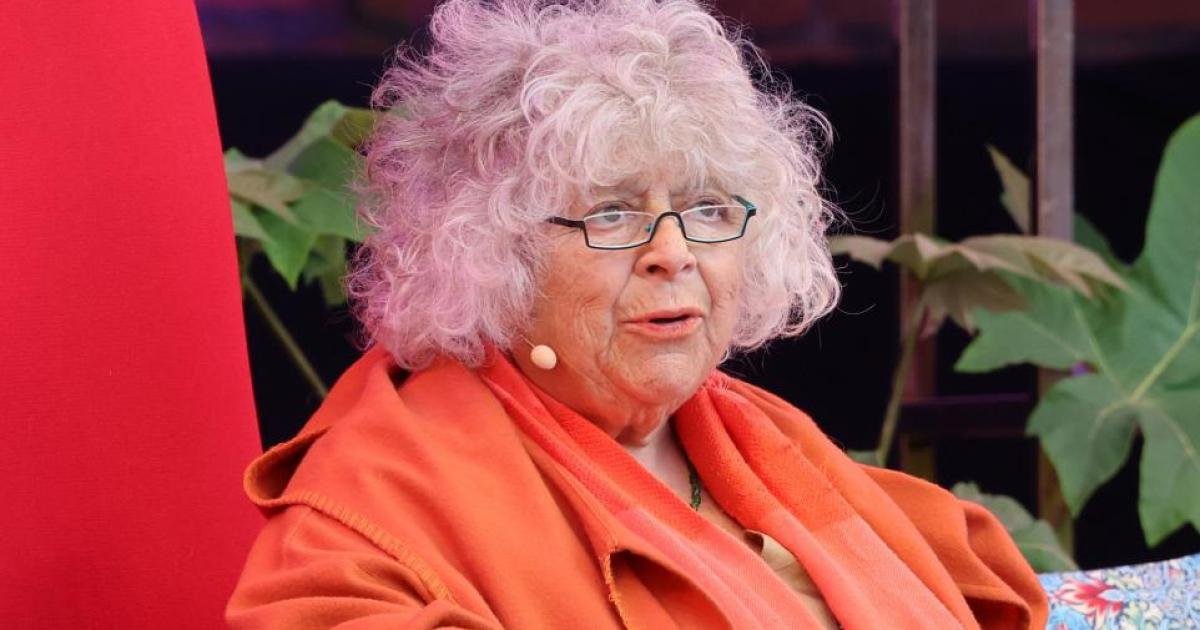
The actress, who was born and grew up in the city, is well known to audiences around the world after starring as Professor Sprout in several of the Harry Potter films.
Known for her character actor work across film, television, and stage, she received the BAFTA for Best Supporting Actress for her role as Mrs Mingott in Martin Scorsese’s 1993 film, The Age of Innocence.
Ms Margolyes was awarded an OBE in 2002 for services to drama, but there were calls for this to be taken back last year.
READ MORE: Oxford Union to host Tommy Robinson for debate despite outcry
The 85-year-old, who is Jewish, has said that “people don’t like Jews” whilst speaking at the Hay Festival in Powys.
Ms Margolyes added that her Jewish identity has shaped her “whole life” and added: “What your parents teach you and what you learn from the community you live in.”
Addressing concerns about rising antisemitism, she told the audience: “Nobody likes me to say this, but I’m going to say it – people don’t like Jews.”
She reflected on how, after the Holocaust – “when millions of Jewish people, and people from other backgrounds, were killed by the Nazis during World War Two” – there was a period when people “realised that they couldn’t say nasty things about Jews because terrible things happened to Jews and they must be sympathetic, so it stopped.”
However, she added that, over time, when “people with no morals who happened to be Jewish” appeared in public life, “the knives came out again, and they have never been put away.”



-

 Oxford News3 weeks ago
Richard Hammond takes control of classic car company
-

 Business & Technology4 weeks ago
Apprentices say AI is reshaping tech skills demand
-

 Oxford News4 weeks ago
Royal Mail customer notice to anyone writing addresses by hand
-
 Oxford Events3 weeks ago
Stage Watch: Now You See Me, Comedy About Spies, Standard Of Living, Every Woman & Silence of Lambs
-

 Business & Technology4 weeks ago
UK flight school collapsed into liquidation
-

 Oxford Events3 weeks ago
What’s on in Oxfordshire this September
-

 Oxford Events3 weeks ago
Supercar invasion: Salon Privé 2026 to bring a slew of UK automotive debuts
-
 Oxford News3 weeks ago
King Charles applauded as Dragons’ Den star among 26 to lose MBE