
Business & Technology
Oxford firm launches management platform to target gap


Bidwells Investment Management (BIM), an FCA-regulated investment management platform aiming to serve unmet needs in the UK property investment sector, was officially launched by real estate adviser Bidwells this week.
BIM will focus on clients seeking active and accountable management that falls between traditional advisory models and larger, standardised platforms.
Robert Leadbetter, partner at Bidwells and head of investment management at BIM, said: “BIM has been launched in response to a clear shift in how real estate investment needs to be managed.
“The way people use real estate is evolving – fast.
“Understanding this change is essential to delivering return outperformance.
“We believe professional investors seeking sector-specialist advice are underserved in this market.
“BIM was founded to address the gap, providing expert, tailored and regulated investment advice to professional clients.”
BIM launched with £1.2 billion in assets and 19.7 million square feet of space under management.
The firm’s first transactions include advising Trinity College Cambridge on the acquisition of 2-8 Eastcheap, a mixed-use asset in the City of London, in a joint venture with Greycoat.
BIM supported Trinity on investment strategy and the structuring and delivery of the deal, including formation of the joint venture.
The platform also advised on the sale of Trinity College Cambridge’s lease of the O2 Centre in London.
Bidwells originally acquired the centre for Trinity in 2009 and repositioned it as a long-term income investment through lease restructuring.
BIM supported the strategic review ahead of the disposal, leading up to the sale in August 2025.
Mr Leadbetter said: “Bidwells has managed endowment capital for almost two centuries, and BIM allows us to bring that experience, investment management discipline and the ability to deliver across assets and portfolios to a much wider range of clients.”
Bidwells has a long history of managing investment assets for endowment capital, particularly for Cambridge colleges.
The company now aims to extend its expertise through BIM to serve private wealth and family offices, UK and international investors, institutions seeking specialist UK exposure, and landowners looking to professionalise their asset and portfolio management.
BIM draws on Bidwells’ strengths in development, asset management, capital markets, planning, and specialist market insight.
The FCA-authorised structure allows BIM to provide regulated services including structuring joint ventures, creating corporate vehicles, and advising on indirect real estate investments.
BIM operates as an appointed representative of Langham Hall Fund Management LLP, which is authorised and regulated by the Financial Conduct Authority.
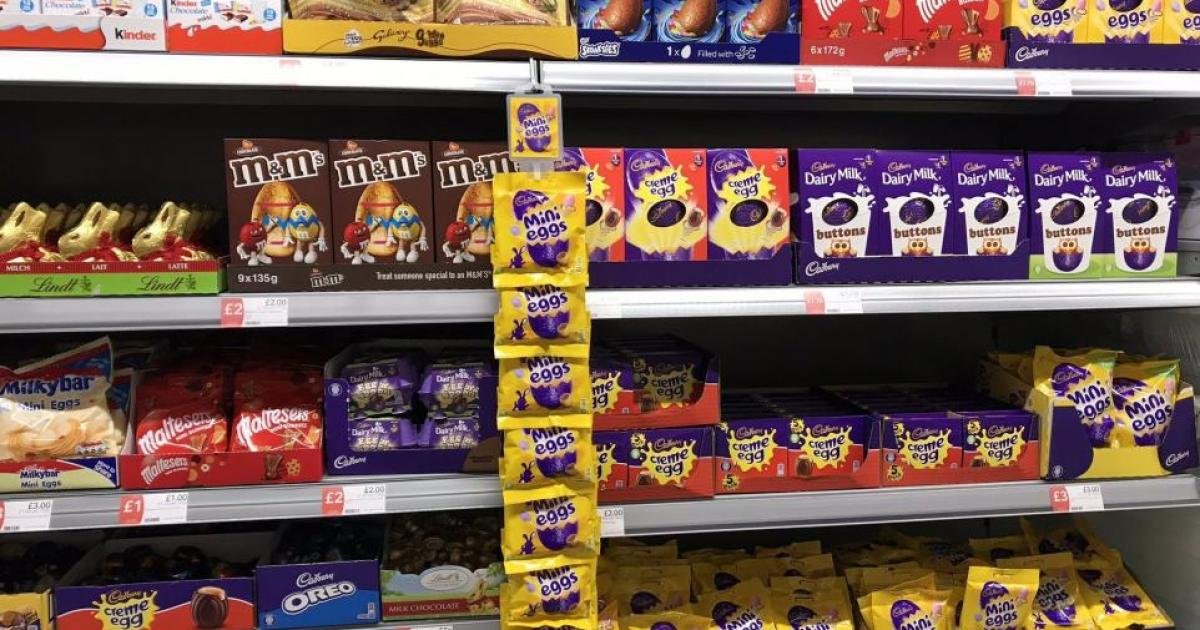
It comes down to new regulations from the government that came into force at the beginning of the year.
This prohibits products high in fat, sugar and salt from appearing in TV ads before 9pm.
The UK advertising industry voluntarily chose to start adhering to the new rules from October, which means that items such as chocolate eggs and hot cross buns can’t be shown before 9pm.
Why are Easter egg adverts now prohibited from appearing before 9pm?
This legislation is in place to tackle rising childhood obesity
The current regulations are based on a nutrient profiling model that was created in the early noughties to assess whether a product is a “junk” food.
In 2018, an updated model was developed, but it was not introduced.
However, on Wednesday (March 25), the government has said that it is likely to adopt the newer model, which would see a far wider range of products deemed to be too high in fat, salt and sugar banned from next year.
This could include Kellogg’s Bran Flakes, Ambrosia rice pudding pots, the Mr Kipling Delicious and Light range and Doritos.
Has the new legislation impacted advertising revenues?
Research conducted for The Guardian found that TV advertising spending by confectionery and snacks brands almost halved year-on-year between October and February.
An analysis covering the vast majority of firms that advertise all the products that fall under the government’s “less healthy foods” regulations shows that overall TV ad spend is down at least 15% year-on-year.
Industry bodies and broadcasters have argued that the ban is more political PR than an effective policy.
A spokesperson for ISBA, the Incorporated Society of British Advertisers, said: “The advertising and marketing of products is one consideration for helping tackle childhood obesity.
“But successive governments have treated bans or restrictions as a silver bullet … legislating on the basis of headlines, not evidence.”
However, health campaigners have said it doesn’t go far enough as brand advertising is allowed as long as adverts do not show an “identifiable” product that breaks the junk food rules.
Fran Bernhardt, of the campaign group Sustain, said: “The policy is riddled with loopholes which allow industry to continue to advertise branding for unhealthy products like Cadbury’s Dairy Milk Caramel or McDonald’s McFlurries.
“Aside from a few tweaks to adverts, this Easter will be much like Easters before.
“Industry will continue more or less as usual.”
Recommended reading :
Campaigners also argue that big food companies are compensating for the ban, which also extends to paid online advertising at any time of the day, by upping marketing budgets on other media.
Media agency sources say that outdoor media, such as billboards and poster sites, and radio have benefited from the TV and online ban.
Billboards are only subject to junk food ad bans if they are located within 100 metres of premises such as schools or leisure centres.
Have you seen fewer adverts for Easter eggs this year? Let us know in the comments.
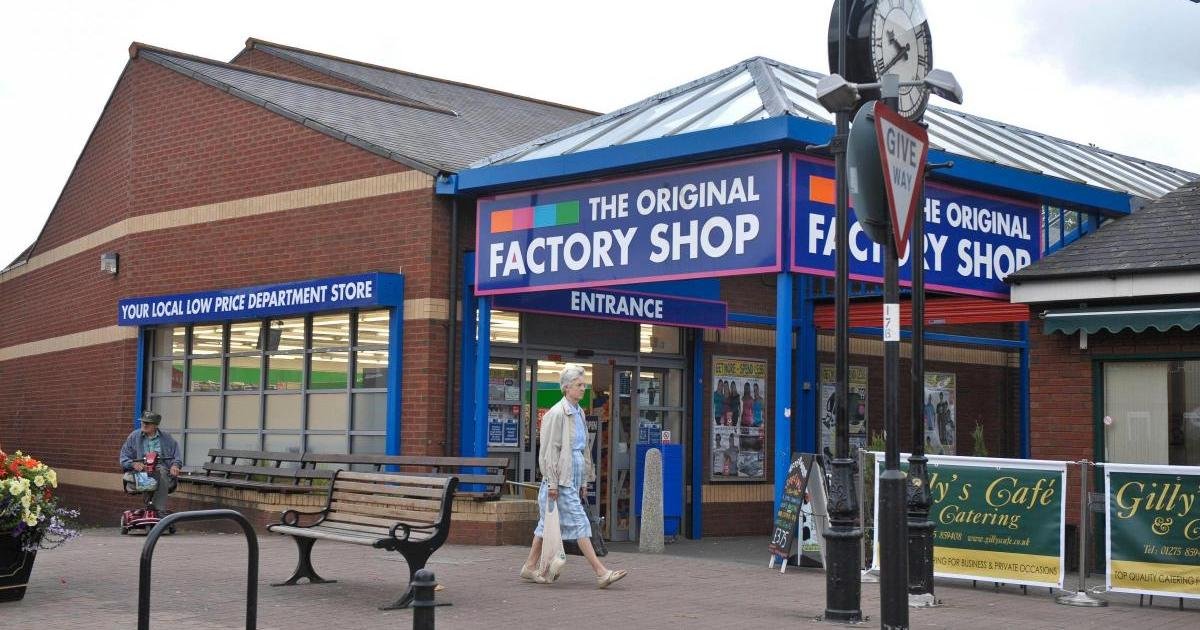
The Original Factory Shop which sells discounted homewares, furniture, electrical goods and toys, shut its store in Carterton yesterday (Saturday, March 28).
On the business’ Facebook page, last-minute discounts were being offered with clothing down to £2 an item.
READ MORE: Store closure fears as UK discount brand in administration
On Thursday, March 26, a spokesperson for the store said: “Everything in store is now up to 85 per cent off as we prepare to close our doors this weekend.
“This is your last chance to grab a bargain – once it’s gone, it’s gone.”

Following that announcement, prices were subsequently lowered and lowered.
Other branches around the UK also shut yesterday including in Cromer, Gorleston and Bungay in Norfolk and Suffolk with major sales also being implemented at other locations.
This comes after the business fell into administration in January, with further closures also expected imminently in Snettisham, according to The Sun, and around the country.
READ MORE: Geri Halliwell and Christian Horner score planning victory over neighbours
Administrators said The Original Factory Shop’s troubles have been driven by challenging trading conditions, linked to high-cost inflation, fragile consumer confidence and rising labour costs caused by government policies.
Problems were then exacerbated by issues linked to its third-party warehouse and logistics operator, weakening sales further.
It only has one store in Oxfordshire, its Carterton shop, although Claire’s – which is also owned by investment firm Modella Capital and is in administration – has one in the Oxford Westgate shopping centre.
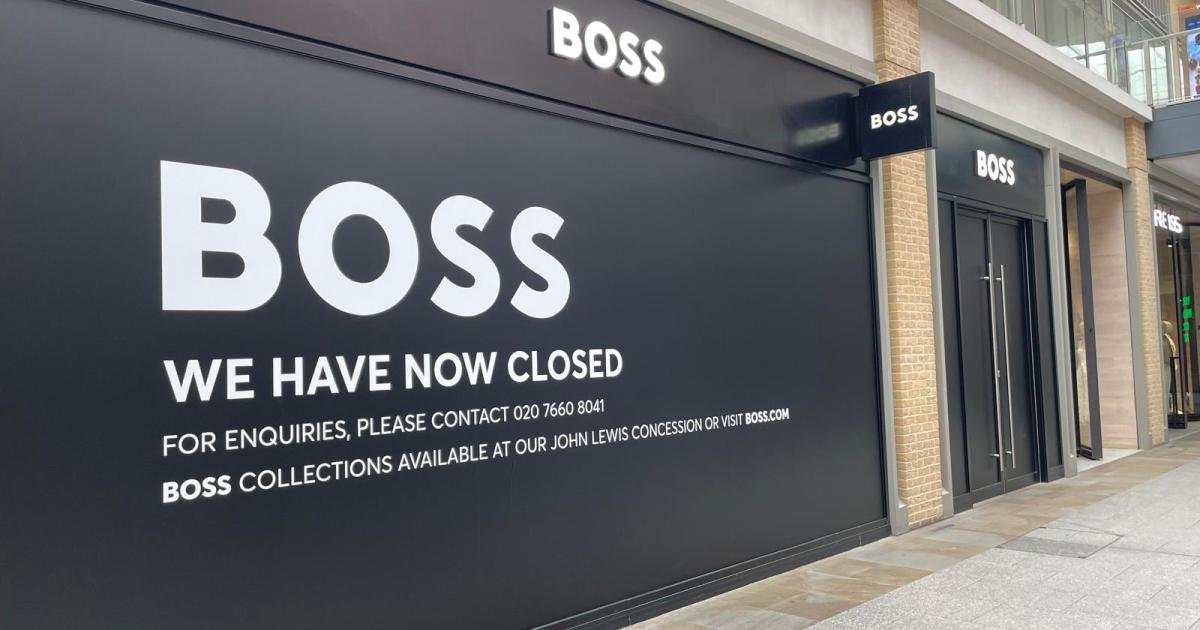
The fashion retailer this month closed down its store in the Oxford city centre shopping centre having opened in October 2017 as part of the £440m revamp.
It was one of the original retailers as part of the shopping centre’s new phase of life, along with John Lewis, Primark and Next.
A spokeswoman from Hugo Boss said: “Hugo Boss optimises its global store portfolio as part of its long-term strategy, which also affects the Boss Oxford Westgate Centre store.
“Hugo Boss will maintain a strong presence in the UK, and we will also continue to serve our customers via our online flagship store at hugoboss.com.”
READ MORE: Red Arrows will break record when it takes to skies over England
The company did not say whether any redundancies had been made from closing the store.
The spokeswoman said: “Wherever possible, we reallocate employees through transfers or other internal opportunities.”
There are indeed other branches not too far, including at Bicester Village, Swindon and Reading.
A spokeswoman for the Westgate said: “We remain committed to making Westgate Oxford a vibrant and varied retail destination for our guests, welcoming exciting new arrivals such as Sephora, The Beefy Boys, and the opening of Lego later this spring, as well as recently upsized stores for Oliver Bonas, Goldsmiths, and Superdrug.
“We look forward to sharing more details about new brands joining the centre soon.”



-

 Crime & Safety2 weeks ago
Oxford: ‘Next generation’ LimeBikes in city from today
-

 Jobs & Careers2 weeks ago
Why Join Oxford | Oxford University Jobs
-

 Jobs & Careers2 weeks ago
Explore our Careers
-

 Student Life2 weeks ago
The independent cinema battling Oriel College to stay open
-

 Oxford Events2 weeks ago
Michelin Guide Oxfordshire Restaurants – The Oxford Magazine
-

 Oxford Events2 weeks ago
Oxford News and Events, What’s on in Oxford, Exhibitions
-

 Jobs & Careers2 weeks ago
Internal Job Board for University vacancies
-

 Crime & Safety2 weeks ago
Crash partially blocks A40 and causes severe Oxfordshire traffic