
Oxford News
Oldest genetic evidence for domestic dogs identified in Europe and Türkiye

14,300-year-old dog jawbone from Gough’s Cave, UK © The Trustees of the Natural History Museum, London
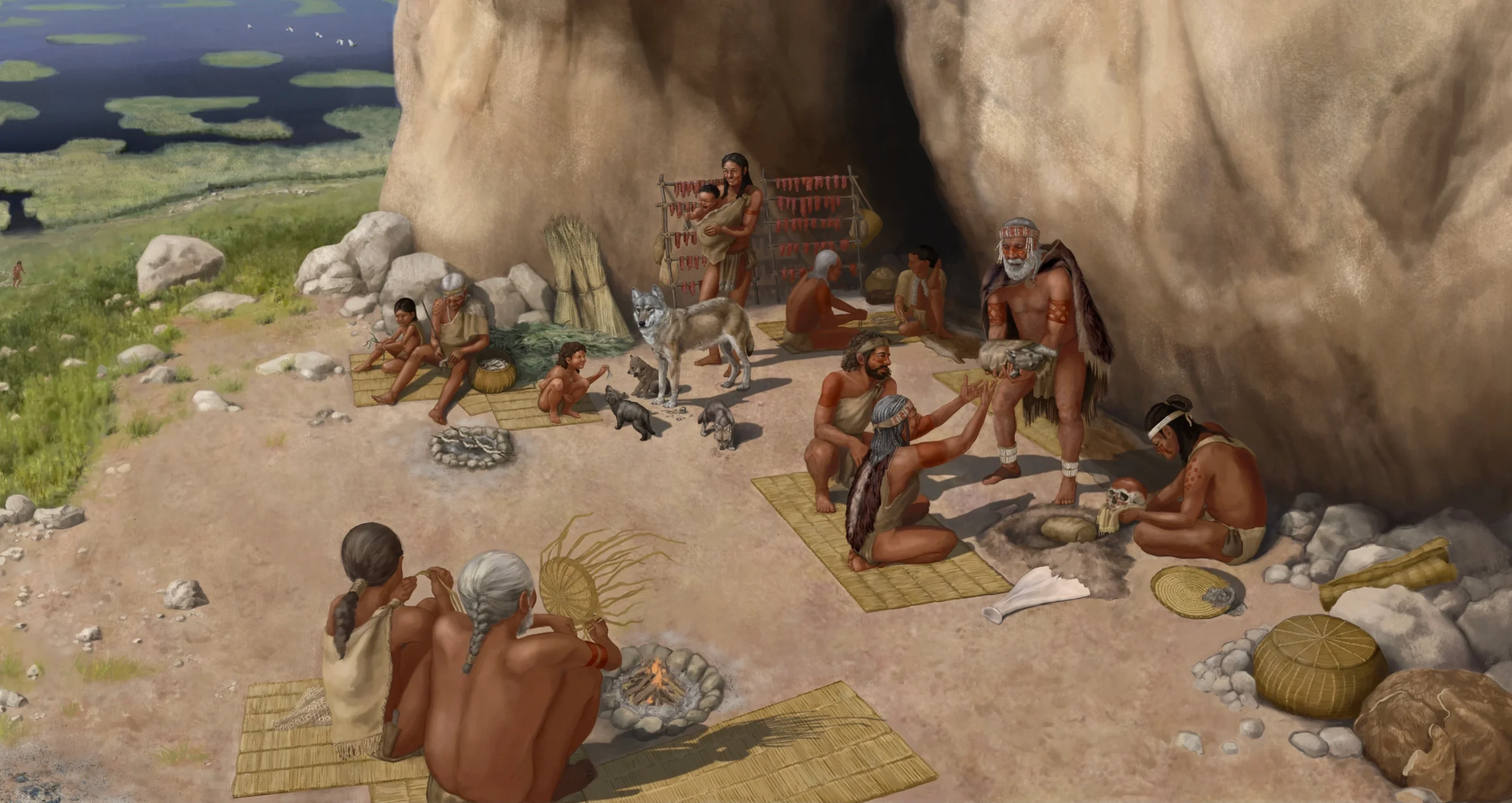
The research team, involving experts from 17 institutions internationally, identified multiple dogs dated to similar periods across Europe and Anatolia, indicating dogs were widely distributed by 14,000 years ago. At this time, all humans were hunter-gatherers and agriculture had not yet emerged.
Scientists have known that dogs emerged from grey wolf populations and they suspected that the process took place around the last Ice Age. Up to now, evidence from pre-agricultural archaeological sites has been limited and difficult to confirm. During the early phases of domestication, the skeletons of dogs and wolves were likely to have been indistinguishable, and their behavioural differences do not leave traces in the archaeological record.
Previous studies have mostly used very short DNA sequences and skeletal measurements to evaluate the earliest presence of dogs in the archaeological record. In this new study, the researchers recovered whole genomes from archaeological specimens excavated from Upper Palaeolithic sites. These included Pınarbaşı in Türkiye (dating to around 15,800 years ago) and Gough’s Cave in the UK (around 14,300 years ago), as well as two Mesolithic sites in Serbia (11,500–7,900 years ago and 8,900 years ago, respectively). They then compared the genomes with more than 1,000 modern and ancient dogs and wolves from across the world.
The results of these analyses confirmed that these bones belonged to dogs, and that they were already widespread across western Eurasia by at least 14,300 years ago.
Not only has this discovery pushed back the earliest direct evidence of dogs by 5,000 years, it also showed us that dogs and wolves were clearly separate, both biologically and in how humans interacted with them, at least 16,000 years ago.
Co-lead author Dr Lachie Scarsbrook (School of Archaeology)
Co-lead author Dr Lachie Scarsbrook (School of Archaeology, University of Oxford) said: ‘Not only has this discovery pushed back the earliest direct evidence of dogs by 5,000 years, it also showed us that dogs and wolves were clearly separate, both biologically and in how humans interacted with them, at least 16,000 years ago. This suggests that dog domestication likely took place sometime during the last Ice Age, more than 10,000 years before the appearance of any other domestic plants or animals, which really does secure their title as “man’s best friend”.’
These Palaeolithic dogs were genetically similar and were members of a population that expanded across the region between 18,500 and 14,000 years ago. They were more closely related to the ancestors of present-day European and Middle Eastern breeds, such as boxers and salukis, than to Arctic breeds like Siberian huskies. This indicates that today’s major dog genetic lineages must have been established by the Upper Palaeolithic.
Corresponding author Professor Greger Larson (School of Archaeology, University of Oxford) said: ‘By comparing the DNA from these ancient dogs with other ancient and modern populations, we were surprised to see just how closely related the earliest dogs were despite living more than 4,000 km apart. This suggests that the first dogs were a game changer and spread rapidly across Europe.’
We were surprised to see just how closely related the earliest dogs were despite living more than 4,000 km apart. This suggests that the first dogs were a game changer and spread rapidly across Europe.
Corresponding author Professor Greger Larson (School of Archaeology)
What role these dogs played in Palaeolithic communities is currently unclear. The remains were associated with several human hunter-gatherer populations that were genetically and culturally different. This suggests that the spread of dogs may have been linked to the migration and interaction of these groups, including Epigravettian and Magdalenian communities in Europe.
The study included an analysis of dietary isotopes led by researchers at the University of York and the Natural History Museum. This showed that people at Pınarbaşı likely fed dogs fish, which, together with evidence that the animals were intentionally buried, suggests a close interaction between people and their dogs. Suggestions of similar interaction were also seen at Gough’s Cave and a site in Germany, indicating dogs may have held cultural significance across Palaeolithic hunter-gatherer communities.
The study ‘Dogs were widely distributed in Western Eurasia during the Palaeolithic’ has been published today in Nature.
For more information about this story or republishing this content, please contact [email protected]
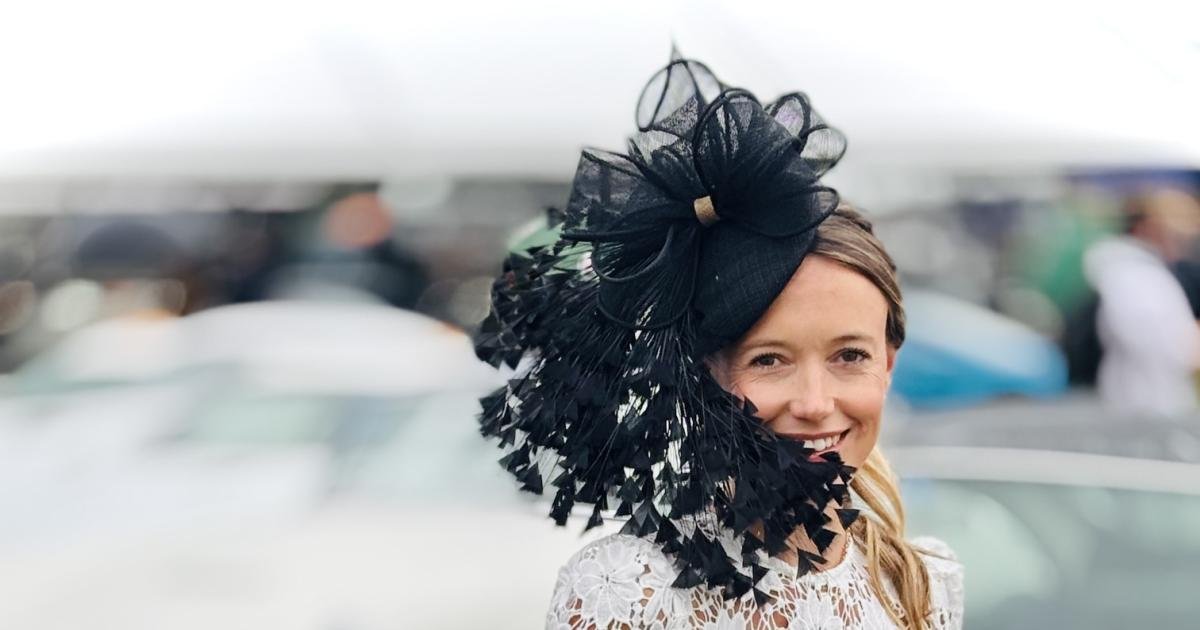
On Wednesday, September 2, it was the Concours judging and private viewings to dominate the agenda for the day.
Twelve Concours classes were held across almost a century of motoring, including The Golden Age of Motoring, 100 Years of Carrrozzeria Touring, La Dolce Vita, 60 Years of the Lamborghini Miura and Passione Ferrari.
Two new classes also made their debut for 2026, Rare Breeds of the Digital Age and Hypercar Heaven, which recognise the growing importance of contemporary performance cars within the international collector market.
Judging will take place across Wednesday and Thursday, with the show field bringing together a 70-strong collection of classics, supercars and hypercars from around the world.
Some of the cars include Aa Maserati 8C 3000, Alfa Romeo Sprint Berlinetta, a one-off Maserati 3500GT Spyder Prototipo by Vignale, a very early Porsche 356 Split Window Coupé, Aston Martin DB3S, Lamborghini Miura P400S, Bizzarrini 5300GT, Ferrari 250 GT Series 1 Cabriolet, Bugatti EB110 Prototype, Aston Martin Valiant Prototype and the extraordinary Bugatti Bolide, one of just 40 produced worldwide.

Helen Pike has decided to step down as Master of Magdalen College School at the end of the 2026/27 academic year, the school in east Oxford announced in March.
MCS is one of the top performing schools in the country, ranking in the top 20 independent secondary schools in The Sunday Times Parent Power Schools Guide 2026.
READ MORE: UK private school headteacher to leave after 11 years
The new academic year will start next week, with Ms Pike preparing for one more year in charge before she hands over to her successor, who will take over in September 2027.
The first female Master at MCS, Ms Pike guided the board of governors to one of the most significant decisions in the school’s history, to become fully co-educational from 2027.
While there has been a co-educational sixth form at the school for 15 years, the school last month announced it will become fully co-educational over the coming decade.

Ms Pike said earlier: “I love MCS, and it is a perennial privilege to lead this remarkable school.
“Being Master of MCS is a brilliant job, and I am declaring my intention early in order to give MCS the very best opportunity to find the right Master for September 2027. I shall continue to do all in my power to further the fortunes of this wonderful school until then.
“I look forward to a new phase in my own professional life, one that builds on all that I have enjoyed and achieved in my career during the past 30 years.
“Having encouraged many cohorts of pupils to take sensible risks and to do something creative and different when the time feels right, I am doing just that.”

During Ms Pike’s tenure, MCS has been recognised as a Top 20 Independent School and South East School of the Year by the Sunday Times and won Independent School of the Year for Social Mobility.
Thanking her in his letter to the school community, chair of governors, Bob Price, said earlier this year: “Helen is an outstanding leader and will go with our sincere gratitude and warm thanks for her exceptional headship.
“She will leave the school in excellent shape for her successor.”
Recruitment for a replacement for Ms Pike is now under way.
Last month, Ms Pike congratulated pupils on their “outstanding success” in this year’s A-Level exams, after more than a quarter of pupils (43) achieved three A*s or more and 25 secured all A*s.
In total, 39 pupils from the 2026 cohort are heading to Oxbridge, while 22 have secured places to study medicine.

As part of the school’s expansion plans, MCS is preparing to build a new Science, Library and Partnerships building.
A spokeswoman said the new building will offer an exciting opportunity to reimagine the senior school site as staff look ahead to full co-education.
She added earlier: “With a vision to create a sector-leading science building in the centre of Oxford, the development will enable us to support an ambitious and forward-looking science curriculum, expanding to the emerging and rapidly advancing areas of robotics, AI and Big Data.”
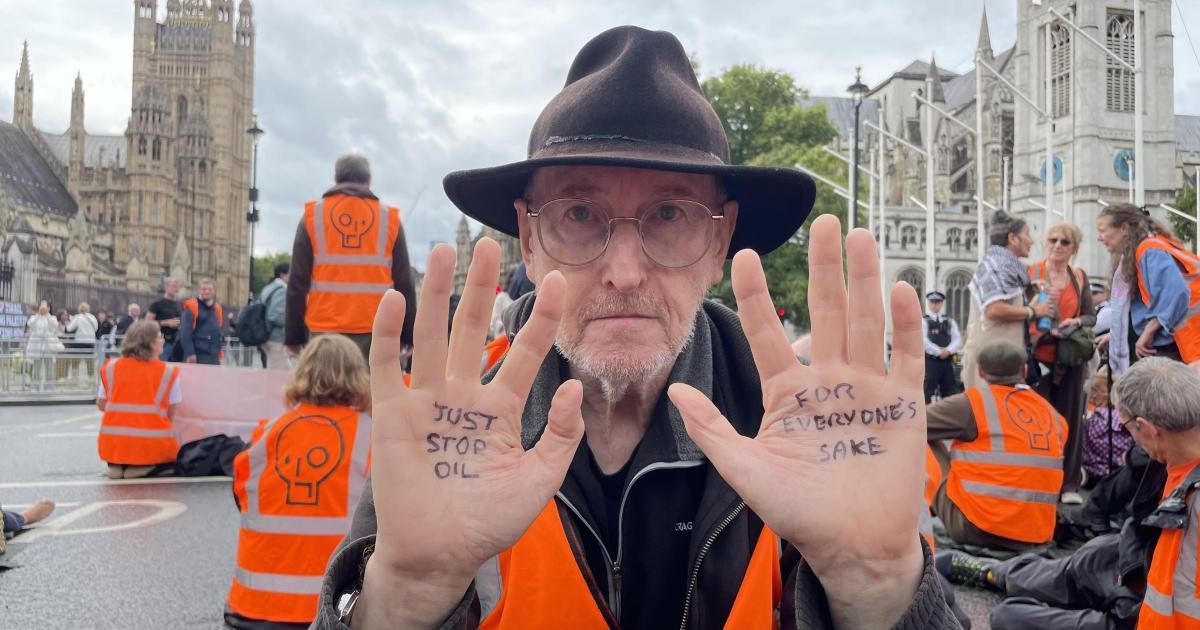
Holding banners which read ‘For f**k’s sake, just stop oil’, the demonstrators took to the road in Parliament Square at noon today (Wednesday, September 2).
This was as Andy Burnham faced his first Prime Minister’s Questions, and many of the protestors glued themselves to the road.
The group demanded that the UK government stop approving all further oil and gas developments, and sign a Fossil Fuel Treaty to stop oil and gas extraction.
READ MORE: Witney firefighters called out to over 50 incidents in one month

Just Stop Oil say that the police are expected to arrest all those blocking the road, and that one lane has been left free of glued-on action takers to permit access for emergency vehicles.
Andy Burnham is due to make a decision on whether to allow more drilling for oil and gas in the North Sea.
Reverend James Crote, a Baptist Minister and grandfather from Chesterton near Bicester, said: “Today is my grandson’s first birthday. I have to take action for the sake of his future.
The 69-year-old added: “The government has been dilly-dallying about whether to say yes or no to the Rosebank oil field but, if we want a future for our children, there is no choice – it has to say ‘no’.
READ MORE: Chain closes almost 200 UK restaurants with close to 4,000 jobs lost

“I am here as a Christian Minister because the Church has to speak out and demand that the government stops approving further oil and gas developments now. It’s time for us all to say ‘For God’s sake, Just Stop Oil’.”
Data from the Met Office indicates that 2026 was the hottest summer in UK recorded history, beating 2025, which was the previous hottest summer on record.
2026 was also one of the driest summers on record, delivering record-low food harvests.
Climbing temperatures have triggered wildfires across the country, and national fire chiefs said the wildfire risk facing the UK is “like nothing we have seen before”.
READ MORE: Broadchurch star selling £1.8m ‘magical’ Cotswolds mill house after 60 years

Taking action, grandmother Victoria Ann Lynch-Staunton from Leamington Spa, said: “What is happening is beyond a tragedy.”
The 71-year-old added: “I beg everyone to join Just Stop Oil or governments will continue to prioritise endless growth and corporate profit over billions of lives – yours and your children.
“Wake up and smell the coffin. It is the responsibility of all of us to act now!”
A Just Stop Oil spokesperson said today: “We are all Just Stop Oil.
READ MORE: The Grand Tour returns to screens with brand new trio this week

“Every single person who fears deadly wildfires, devastating droughts, and spiralling food shortages is Just Stop Oil.
“The first duty of government is to keep the public safe – but by greenlighting oil and gas drilling, they endanger our survival while corporates and billionaires laugh their way to the bank.
“Every one of us feels alone and powerless in the face of this insanity, but we know there is massive political and public support for our demand.
“So we’re inviting everyone to join us at an online call on 3rd October 2026 – because it’s when we work together that we are powerful and win.”


‘We should all be worried’: calls grow to limit London rollout of robotaxis | Transport

Oxford United player ratings in bizarre Mansfield Town draw

Number of cloned number plates on UK roads at record high, data shows | Transport
-

 Oxford united FC4 weeks ago
Chris Gunter steps away Wales role to focus on Oxford United
-

 Oxford University3 weeks ago
New to the Oxford English Dictionary this September
-
 Traffic & Transport2 weeks ago
How poor public transport policy is putting the brake on cities | Road transport
-

 Student Life3 weeks ago
Oxford partnership allows OpenAI to use rare Bodleian texts to train ChatGPT
-

 Oxford united FC1 week ago
LIVE: Exeter City vs Oxford United – Jersey Mike's Trophy group stage
-

 Traffic & Transport2 weeks ago
Why should I have to pay more for buses if I don’t use a smartphone? | Bus fares
-

 Oxford united FC2 weeks ago
Northern Ireland fans laud Oxford United defender Ciaron Brown
-

 Oxford Events4 weeks ago
Four days of equestrian spectacle at 2026 Blenheim Palace International Horse Trials