
Oxford News
New Oxford-led initiative launches to train future leaders in transformative technologies for pharmaceutical research

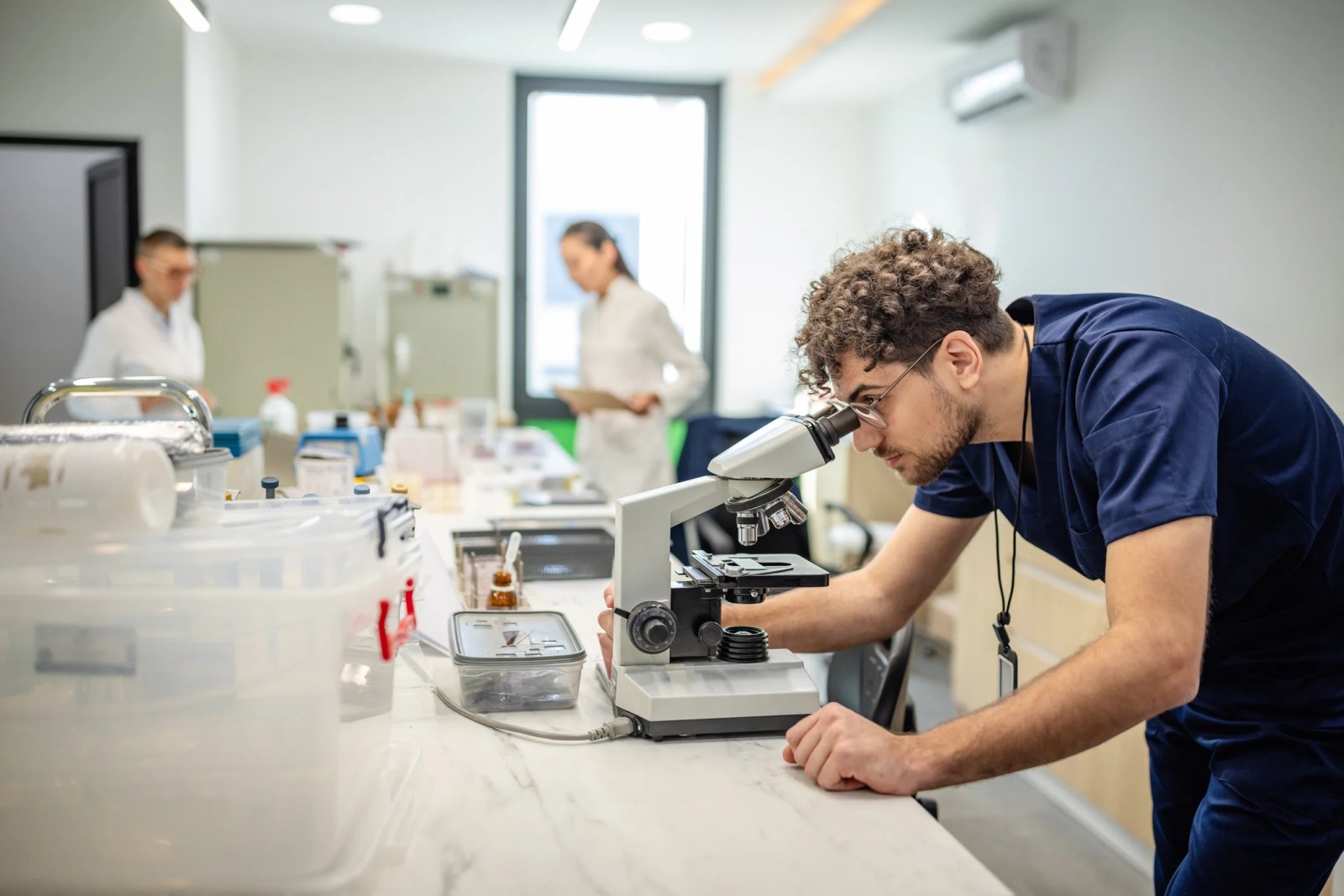
The UK Pharmaceutical Sector lies at the heart of the life sciences ecosystem, providing one of the key growth engines in the UK economy. In 2022, the £9 billion of pharmaceutical R&D accounted for 18% of all R&D performed by all UK businesses – the highest of any product area (UK Government). GSK has invested heavily in data-driven approaches to pharmaceutical R&D that are both informed by and provide new insight into biological processes. The goal is simple: make R&D more productive by reducing drug failure rates and speeding up time to adoption. However, for these advances to transform our understanding of biology and health, a parallel shift in the way that we train future industrial and academic research leaders is needed.
GSK together with the Universities of Oxford, Cambridge and Southampton are delighted to announce that the BBSRC has awarded funding to launch a new doctoral programme to train the next generation of leaders in pharmaceutical science. The BBSRC Industrial Landscape Award in Transformative Technologies for Pharmaceutical Science (TTPS) will fund three cohorts of eight doctoral students each year from 2026 to 2028.
Students will be trained in cutting-edge, data-centred, mathematical and computational modelling approaches and commercial skills necessary to lead this new approach to pharmaceutical R&D, becoming future research leaders across this vitally important sector of the UK economy, and ultimately supporting the Government’s vision of the UK as a global hub for the Life Sciences. Students will gain the communication, business and social skills necessary to forge new partnerships and to create interdisciplinary teams that can tackle global challenges.
Professor Brian Marsden, Professor of Practice in Data Management & Research Informatics at Oxford’s Centre for Medicines Discovery, and TTPS Director, said: ‘Data-driven technologies are increasingly at the heart of cutting-edge biological research. It’s crucial that we enable the next generation of highly skilled researchers to deliver this. We are excited to be working with GSK to drive this imperative in the context of transformative technological approaches to pharmaceutical sciences.’
Students will apply to and be admitted by one of the three partner universities, but all students will receive intensive doctoral training in their first and second terms of their first year at the Doctoral Training Centre at the University of Oxford, then two short, rotation research projects at Oxford, Cambridge, and/or Southampton in collaboration with scientists at GSK. Each student chooses one of their short rotation projects to continue for their main doctoral research in their remaining three years.
Dr Kaivan Khavandi, Senior Vice President, Global Head, Respiratory, Immunology & Inflammation, Research & Development, GSK, said: ‘The transformative power of cutting-edge technologies is revolutionising how we discover, develop and deliver medicines and vaccines to patients. To ensure GSK continues to lead this innovation, we recognise the critical need to develop the next generation of talent. Our partnerships with the Universities of Oxford, Cambridge and Southampton is key to this, enabling us to grow leaders equipped with the essential skills at the intersection of science and tech.’
These future research leaders will be the driving force translating basic scientific research and biological understanding into novel technologies, vaccines, therapies and drugs that will accelerate progress in academic research and within the industrial research and development pipeline.
Professor Mark Cragg of the University of Southampton, said: ‘The University of Southampton is delighted to be part of such an exciting new programme, bringing Pharma and academia together to develop the next generation of researchers with the skills to accelerate drug development and provide new medicines.’
Professor Kathryn Lilley of the University of Cambridge, said: ‘Bringing together the strengths of UK academia with GSK, a global leader in the pharmaceutical industry, this programme will train a new generation of scientists to understand how to transform ideas into medicines.’
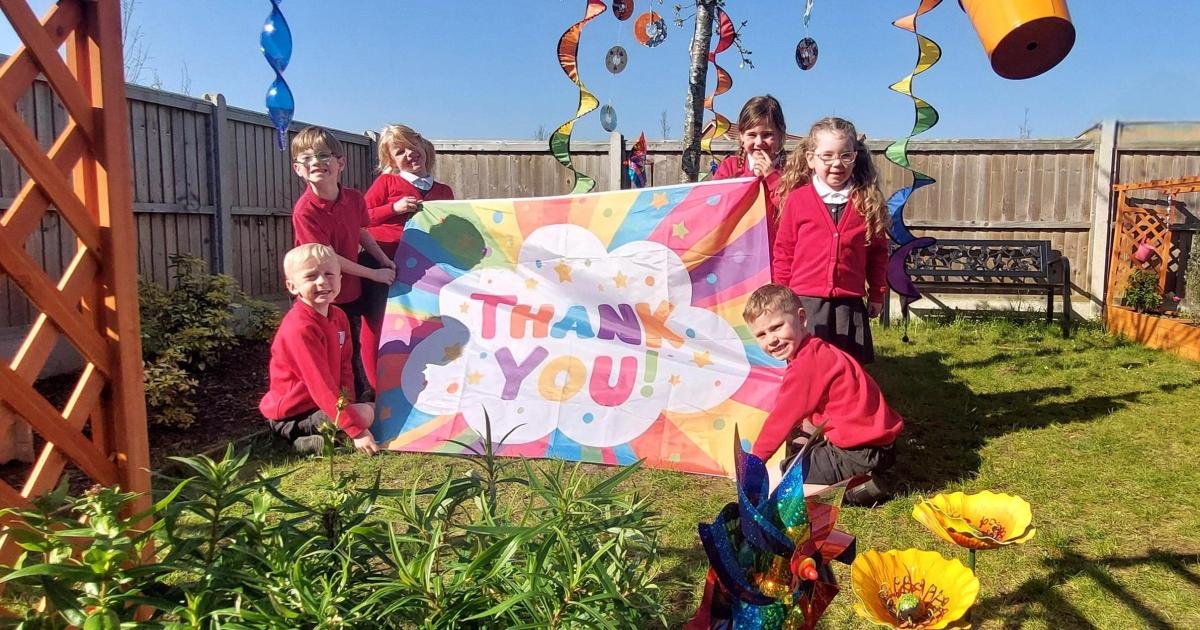
The garden has been developed at Folly View Primary School and is designed to support pupil wellbeing, creativity, and personal growth by providing a calming and engaging outdoor space.
Funding for the project was secured through a £1,500 grant from the Tesco Community Grants scheme, made possible by votes from shoppers using blue tokens at the Faringdon store.
Muddy Spades, a local gardening business led by Royston Oxendale, also played a key role in bringing the garden to life by donating plants and building bespoke planters for the space.
Richard Evans, chief executive of Cambrian Learning Trust, said: “This wonderful sensory garden is a testament to what can be achieved when a community comes together with a shared purpose.
“At Cambrian Learning Trust, we are proud to see Folly View Primary School bringing its core values of belonging, kindness, and aspiration to life in such a meaningful way.
“This space will not only enhance pupils’ wellbeing but also inspire curiosity, resilience, and a lifelong love of learning.”
The garden will also support the school’s gardening club, offering pupils hands-on opportunities to care for plants and learn about the environment.
The school has thanked Tesco Faringdon, Muddy Spades, the PTA, and everyone involved in turning the garden into a reality.
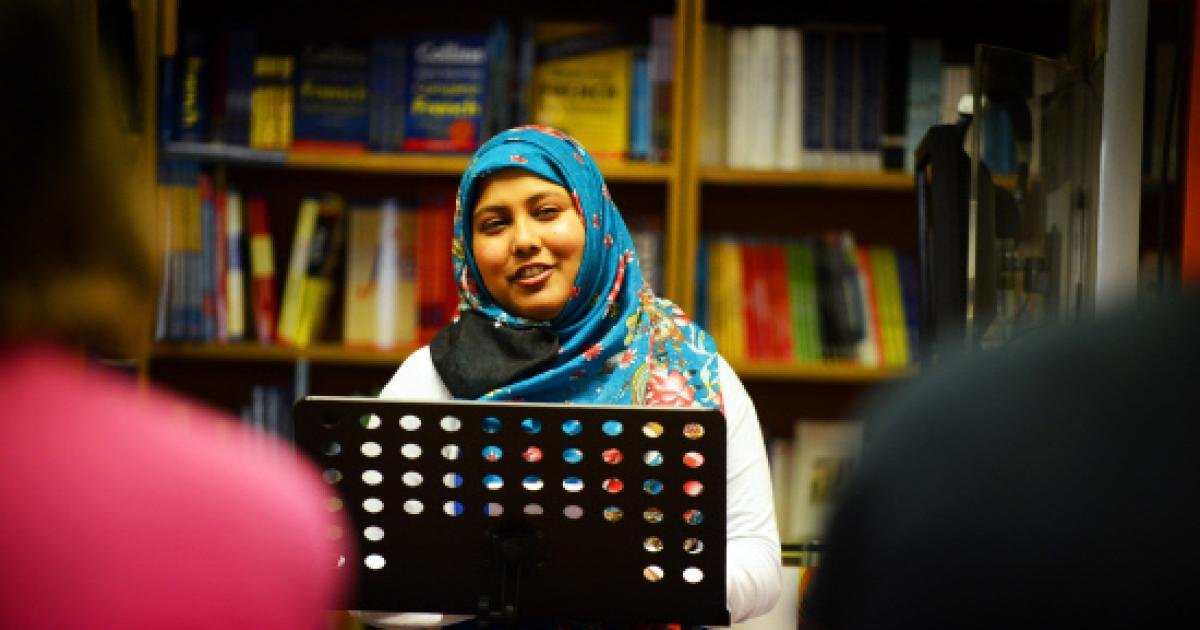
UNESCO first adopted March 21 as World Poetry Day during its 30th General Conference in Paris, with the aim of supporting linguistic diversity through poetic expression and increasing the opportunity for endangered languages to be heard.
The heritage organisation said: “World Poetry Day is the occasion to honour poets, revive oral traditions of poetry recitals, promote the reading, writing and teaching of poetry, foster the convergence between poetry and other arts such as theatre, dance, music and painting, and raise the visibility of poetry in the media.”
READ MORE: Oxford United ‘told to stop new stadium work or face action’
This time on Looking Back, we’ve found a selection of fantastic poetry celebrations in Oxfordshire from the year 2014, now 12 years ago.
Language lovers converged for the day of celebration on bookshops, schools, at recitals and conferences.
Take a look back through this Oxford Mail archive gallery to find pictures from a decade ago of World Poetry Day celebrations in Oxfordshire.

We’ve made a gallery of pictures showing all the Oxfordshire spots which have been used for TV and film sets over the years.
Some of the biggest productions filmed here in Oxfordshire include Spectre in the James Bond franchise, which transformed Blenheim Palace in Woodstock into the Palazzo Cardenza in Rome.

READ MORE: Abandoned Oxfordshire home used as drugs den shut down
Many period dramas were also created in the county, like the BBC adaptation of Hilary Mantel’s Wolf Hall, which was partly filmed at Chastleton House in the Cotswolds.
Cotswolds villages have been repeatedly transformed and used as filming locations for their historical appeal, like the villages of Brill, Broadwell and Castle Combe.
Find all the pictures in this archive gallery of historic Oxfordshire filming locations here.


Blenheim Palace extends Blueprints of Power exhibition

Faringdon school gets new sensory garden thanks to Tesco

Rachel Reeves to tell G7 accelerating shift to clean energy is best defence against energy price shocks | Renewable energy
-

 Crime & Safety2 weeks ago
Oxford: ‘Next generation’ LimeBikes in city from today
-
 Jobs & Careers2 weeks ago
Why Join Oxford | Oxford University Jobs
-
 Jobs & Careers2 weeks ago
Explore our Careers
-

 Student Life2 weeks ago
The independent cinema battling Oriel College to stay open
-

 Oxford Events2 weeks ago
Michelin Guide Oxfordshire Restaurants – The Oxford Magazine
-

 Oxford Events2 weeks ago
Oxford News and Events, What’s on in Oxford, Exhibitions
-

 Jobs & Careers2 weeks ago
Internal Job Board for University vacancies
-

 Crime & Safety2 weeks ago
Crash partially blocks A40 and causes severe Oxfordshire traffic