
Oxford News
COVID-19 vaccination during pregnancy offers new insight into preeclampsia prevention

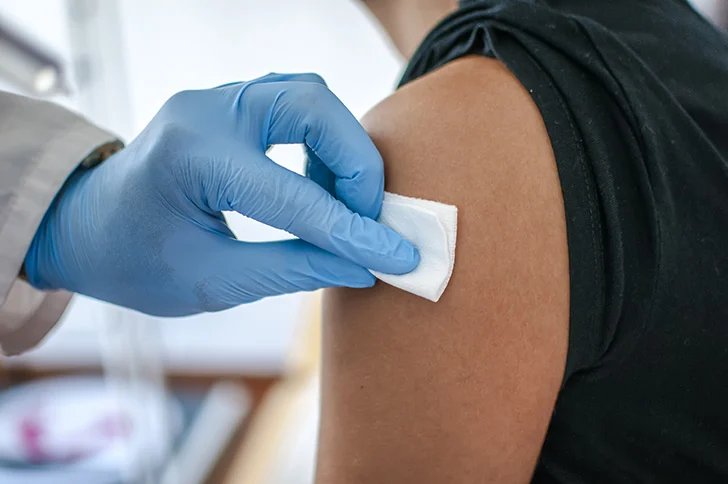
A new multinational study from the INTERCOVID Consortium, led by researchers from the University of Oxford, has found that COVID-19 vaccination during pregnancy, particularly when combined with a booster dose, significantly reduces the risk of preeclampsia, a serious and potentially life-threatening pregnancy complication. The findings offer unprecedented insight into preeclampsia prevention, independent of the direct effects of COVID-19 infection.
The study, published in eClinicalMedicine, analysed data from 6,527 pregnant women across 18 countries enrolled between 2020 and 2022. Researchers compared vaccinated and unvaccinated women, with and without SARS-CoV-2 infection, to assess how vaccination status influenced preeclampsia rates.
Key Findings
- COVID-19 infection during pregnancy was associated with a 45% increased risk of preeclampsia, which rose to 78% among unvaccinated women.
- Vaccination reduced the overall odds of preeclampsia amongst women receiving a booster dose by 33%, statistically significant.
- Among women with pre-existing health conditions such as diabetes, hypertension, or thyroid disorders, vaccination with a booster cut preeclampsia risk by 42%, statistically significant.
- The protective effect of vaccination remained consistent after adjusting for key factors and may be extended beyond COVID-19 infection, suggesting potential benefits for preeclampsia prevention regardless of infection status.
- Vaccinated women also experienced lower odds of preterm delivery, maternal and perinatal morbidity, and mortality.
- In addition, amongst women that have a booster dose, the protective effect for preterm birth was 33%, maternal morbidity and mortality was 32%, severe perinatal morbidity and mortality was 29%, all of them statistically significant.
‘These results go beyond the known benefits of COVID-19 vaccination in pregnancy,’ said Professor José Villar, the senior co-author of the study and Principal Investigator of the INTERCOVID consortium from Oxford’s Nuffield Department of Women’s & Reproductive Health. ‘We now have evidence that maternal vaccination may influence pathways involved in preeclampsia development, suggesting a broader immunological or vascular benefit of vaccination.’
Understanding Preeclampsia and its causes
Preeclampsia affects up to 3 to 8% of pregnancies worldwide, depending on the risk profile, and is a leading cause of maternal and neonatal morbidity and mortality. The origins of preeclampsia are unknown and treatments and preventive measures must be improved, but inflammation, and vascular dysfunction are known contributors, mechanisms that overlap with COVID-19 infection.
The INTERCOVID findings support the idea that vaccination may modulate immune and vascular pathways involved in preeclampsia, potentially offering protection even in the absence of COVID-19 infection. This aligns with growing evidence that some vaccines may have beneficial “non-specific” effects on immune regulation.
Global Implications
‘This is the first large-scale, prospective evidence showing that COVID-19 vaccination, particularly with boosters, may help prevent preeclampsia,’ said Professor Paolo Ivo Cavoretto of IRCCS San Raffaele Hospital, Milan (Italy). ‘Importantly, this protective effect is greatest among women with underlying health conditions who are at the highest risk.’
The paper, ‘COVID-19 Vaccination Status During Pregnancy and Preeclampsia Risk: The Pandemic-Era Cohort of the INTERCOVID Consortium‘, is published in eClinicalMedicine.
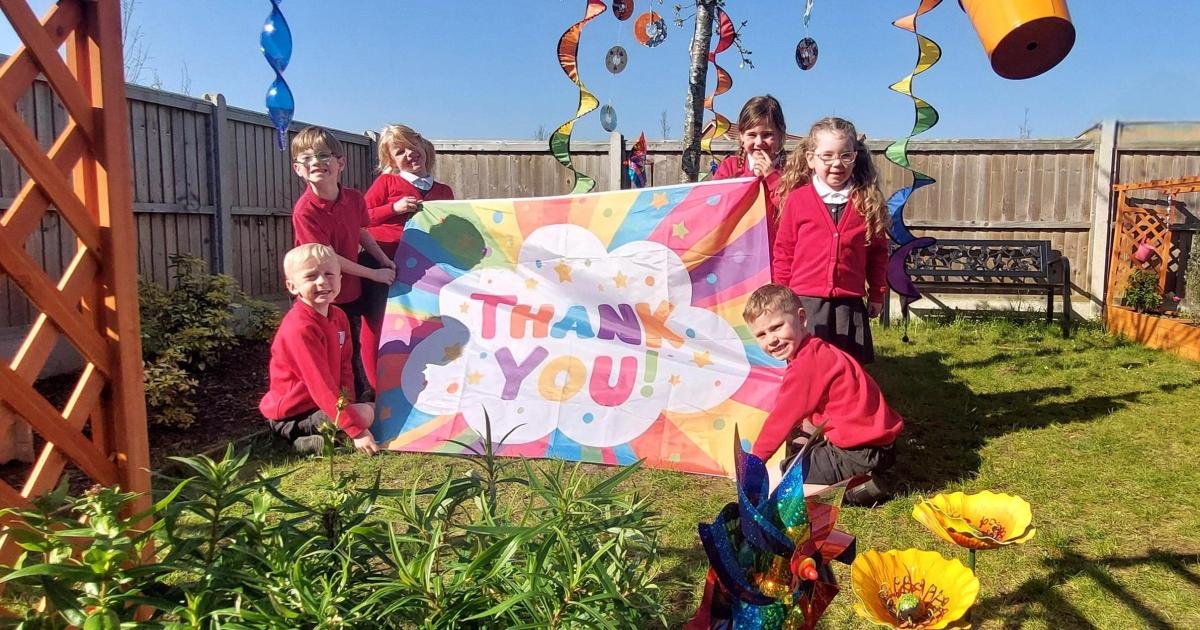
The garden has been developed at Folly View Primary School and is designed to support pupil wellbeing, creativity, and personal growth by providing a calming and engaging outdoor space.
Funding for the project was secured through a £1,500 grant from the Tesco Community Grants scheme, made possible by votes from shoppers using blue tokens at the Faringdon store.
Muddy Spades, a local gardening business led by Royston Oxendale, also played a key role in bringing the garden to life by donating plants and building bespoke planters for the space.
Richard Evans, chief executive of Cambrian Learning Trust, said: “This wonderful sensory garden is a testament to what can be achieved when a community comes together with a shared purpose.
“At Cambrian Learning Trust, we are proud to see Folly View Primary School bringing its core values of belonging, kindness, and aspiration to life in such a meaningful way.
“This space will not only enhance pupils’ wellbeing but also inspire curiosity, resilience, and a lifelong love of learning.”
The garden will also support the school’s gardening club, offering pupils hands-on opportunities to care for plants and learn about the environment.
The school has thanked Tesco Faringdon, Muddy Spades, the PTA, and everyone involved in turning the garden into a reality.
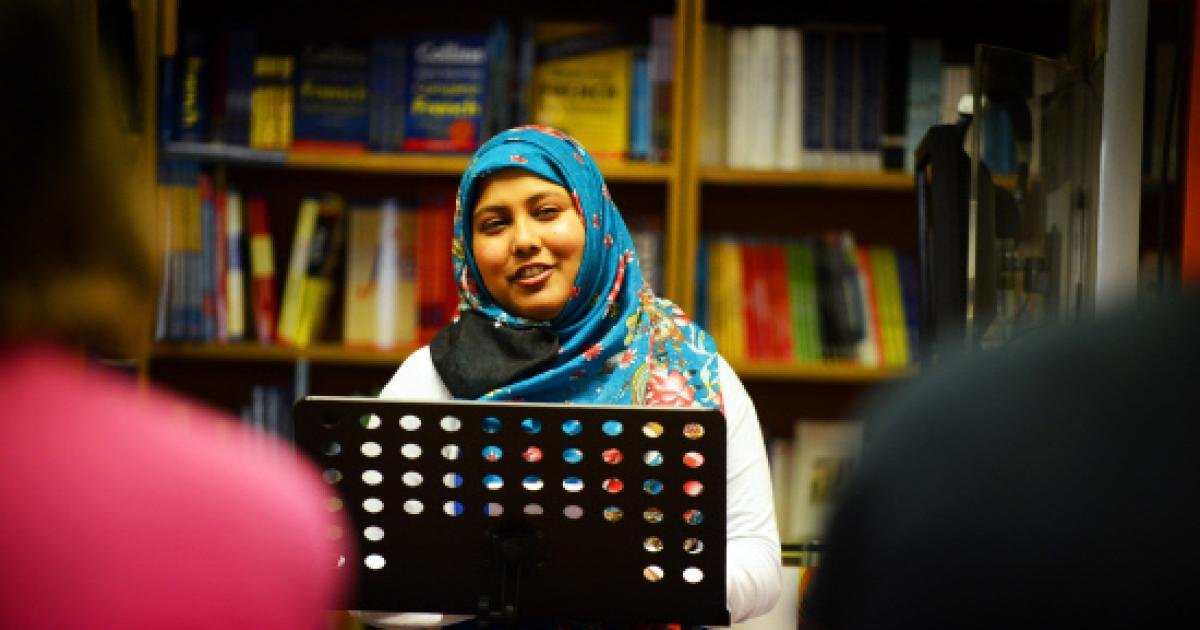
UNESCO first adopted March 21 as World Poetry Day during its 30th General Conference in Paris, with the aim of supporting linguistic diversity through poetic expression and increasing the opportunity for endangered languages to be heard.
The heritage organisation said: “World Poetry Day is the occasion to honour poets, revive oral traditions of poetry recitals, promote the reading, writing and teaching of poetry, foster the convergence between poetry and other arts such as theatre, dance, music and painting, and raise the visibility of poetry in the media.”
READ MORE: Oxford United ‘told to stop new stadium work or face action’
This time on Looking Back, we’ve found a selection of fantastic poetry celebrations in Oxfordshire from the year 2014, now 12 years ago.
Language lovers converged for the day of celebration on bookshops, schools, at recitals and conferences.
Take a look back through this Oxford Mail archive gallery to find pictures from a decade ago of World Poetry Day celebrations in Oxfordshire.
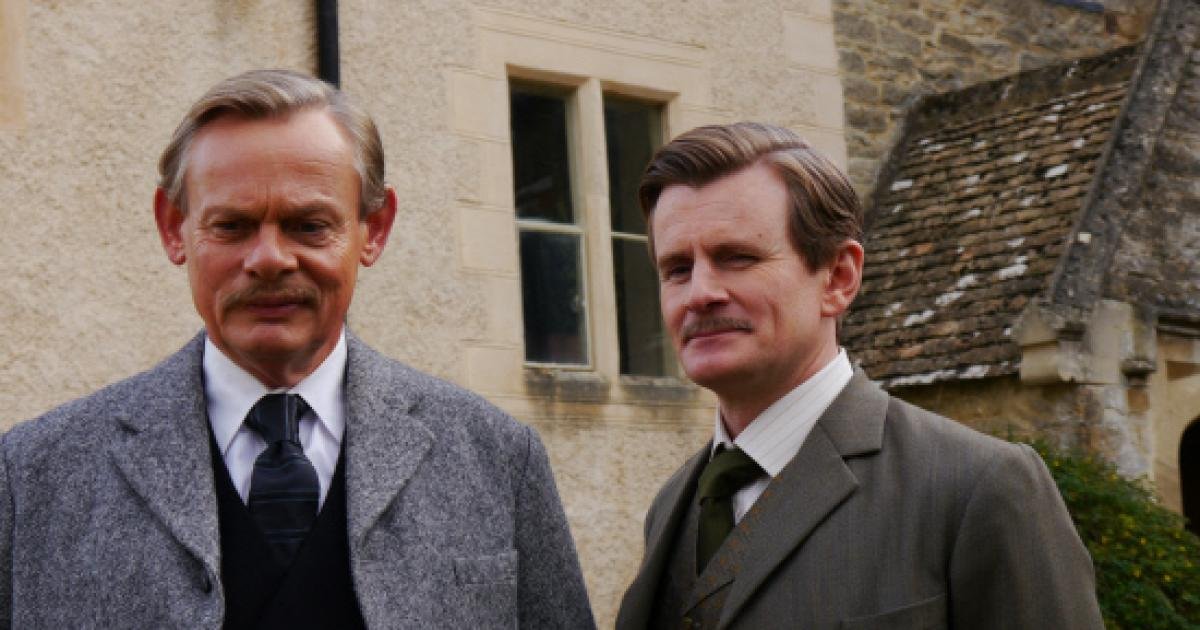
We’ve made a gallery of pictures showing all the Oxfordshire spots which have been used for TV and film sets over the years.
Some of the biggest productions filmed here in Oxfordshire include Spectre in the James Bond franchise, which transformed Blenheim Palace in Woodstock into the Palazzo Cardenza in Rome.

READ MORE: Abandoned Oxfordshire home used as drugs den shut down
Many period dramas were also created in the county, like the BBC adaptation of Hilary Mantel’s Wolf Hall, which was partly filmed at Chastleton House in the Cotswolds.
Cotswolds villages have been repeatedly transformed and used as filming locations for their historical appeal, like the villages of Brill, Broadwell and Castle Combe.
Find all the pictures in this archive gallery of historic Oxfordshire filming locations here.


Blenheim Palace extends Blueprints of Power exhibition

Faringdon school gets new sensory garden thanks to Tesco

Rachel Reeves to tell G7 accelerating shift to clean energy is best defence against energy price shocks | Renewable energy
-

 Crime & Safety2 weeks ago
Oxford: ‘Next generation’ LimeBikes in city from today
-

 Jobs & Careers2 weeks ago
Why Join Oxford | Oxford University Jobs
-
 Jobs & Careers2 weeks ago
Explore our Careers
-
 Student Life2 weeks ago
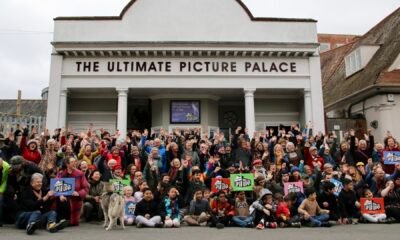
The independent cinema battling Oriel College to stay open
-
 Oxford Events2 weeks ago
Michelin Guide Oxfordshire Restaurants – The Oxford Magazine
-
 Oxford Events2 weeks ago
Oxford News and Events, What’s on in Oxford, Exhibitions
-

 Jobs & Careers2 weeks ago
Internal Job Board for University vacancies
-

 Crime & Safety2 weeks ago
Crash partially blocks A40 and causes severe Oxfordshire traffic