
Oxford Events
Oxford vs. Cambridge Varsity Series


The Varsity Range of Sports refers to the wide array of sports in which the University of Oxford and the University of Cambridge compete against each other as part of their historic rivalry.
The main ones are the boat race, the rugby union, cricket, athletics, and football. We will see these in detail in the next section, but in addition to these traditional sports, the Varsity Series has expanded to include a wide variety of other sports, including other types of rowing, hockey, tennis, swimming, water polo, and fencing.
As the scope of university sports has broadened, so too has the range of Varsity sports, now including ultimate frisbee, badmington, squash, e-sports, martial arts, and lacrosse.

Fireworks and bonfire and events in Oxford and across Oxfordshire
Explore the top fireworks and bonfire events in Oxford and across Oxfordshire, with our guide to the unmissable fireworks and bonfire events in Oxford and across Oxfordshire in 2026.
Wrap up warm, put on your wellies, grab the thermos, and don’t forget the tickets. Some of these Oxfordshire fireworks events are ticketed, so you may need to book in advance. Even for events offering tickets at the door, it’s wise to check whether you can book ahead to guarantee entry.
And of course, we’ll be updating this page with more events as they’re announced, so do check back ever so often.
Looking for what else to do in Oxford and across Oxfordshire this autum? Be sure to visit the “What’s on section”, where you’ll find more events in Oxford and across Oxfordshire, as well as a limited number of unmissable events beyond the county that would make for a great day out.
Got an event that should be on the list? List your event on The Oxford Magazine and reach an engaged audience of people who live, work or place in Oxfordshire.
Stratfield Brake Sports Ground
The annual Kidlington Fireworks is set to return to Stratfield Brake on Thursday 05 November, organised by Kidlington Parish Council. Great food and refreshments will be available by Gosford All Blacks – before and after the fireworks display. Gates open at 6.00pm and the fireworks display starts at 7.00pm prompt.

Bring your friends and family to Witney Lakes Fireworks 2026 for an unforgettable evening of entertainment, delicious food, and festive fun. Prepare to be wowed as we light up the skies above Witney Lakes Resort with a spectacular fireworks display bursting with colour and excitement.

Chinnor Rugby Football Club
Thame Fireworks Display is an annual fundraising event organised by volunteers from the three primary schools in Thame – Barley Hill, John Hampden and St Joseph’s. The money raised is shared equally between the PTFAs of each school.

A household event in Oxford’s South Park, the Oxford Round Table Charity Bonfire and Fireworks Display is widely considered to be Oxfordshire’s largest firework display for charity. Expect a traditional spectacular fireworks display, an enormous bonfire, Hebborn’s Funfair, and a fully licenced bar.

Celebrating 51 years of Bicester Round Tables firework displays in Bicester, and going all out with the biggest ever display – Bicester Round Table Charity Firework Spectacular 2026 on 07 November. Bonfire lighting at 7.00pm and fireworks at 7.30pm

Wallingford Fireworks is annual bonfire night celebrations at the Kinecroft, with a huge bonfire and enormous firework display. The event starts Saturday 07 November at 6.00pm with a medieval torchlit procession of Guys walking through the crowd, beating drums, to light the spectacular bonfire at about 6.30pm, with added pyrotechnic effects! At around 7.00pm there will be a lower-noise children’s display, and then the incredible, award-winning, main fireworks spectacle!

Ignite your autumn evening with a sky full of colour at this Fireworks Spectacular. The event promises to be a sensational feast for your eyes and ears, with fireworks crafted by the award-winning Illusion Fireworks team. As the night sky comes alive, it’ll be a sight you won’t want to miss.

Celebrate Firework Night at Minster Mill. With delicious hot food and a cosy atmosphere, this Firework Night promises to be an unforgettable experience for all. As the evening chill sets in, prepare for a spectacular fireworks display to celebrate Bonfire Night.

Experience a mind-blowing fireworks display at Abingdon Bonfire & Fireworks 2026 as the sky erupts around you with lasers and lighting choreographed to music, plus the South’s biggest fairground, a huge bonfire and so much more.
Highlights from previous years
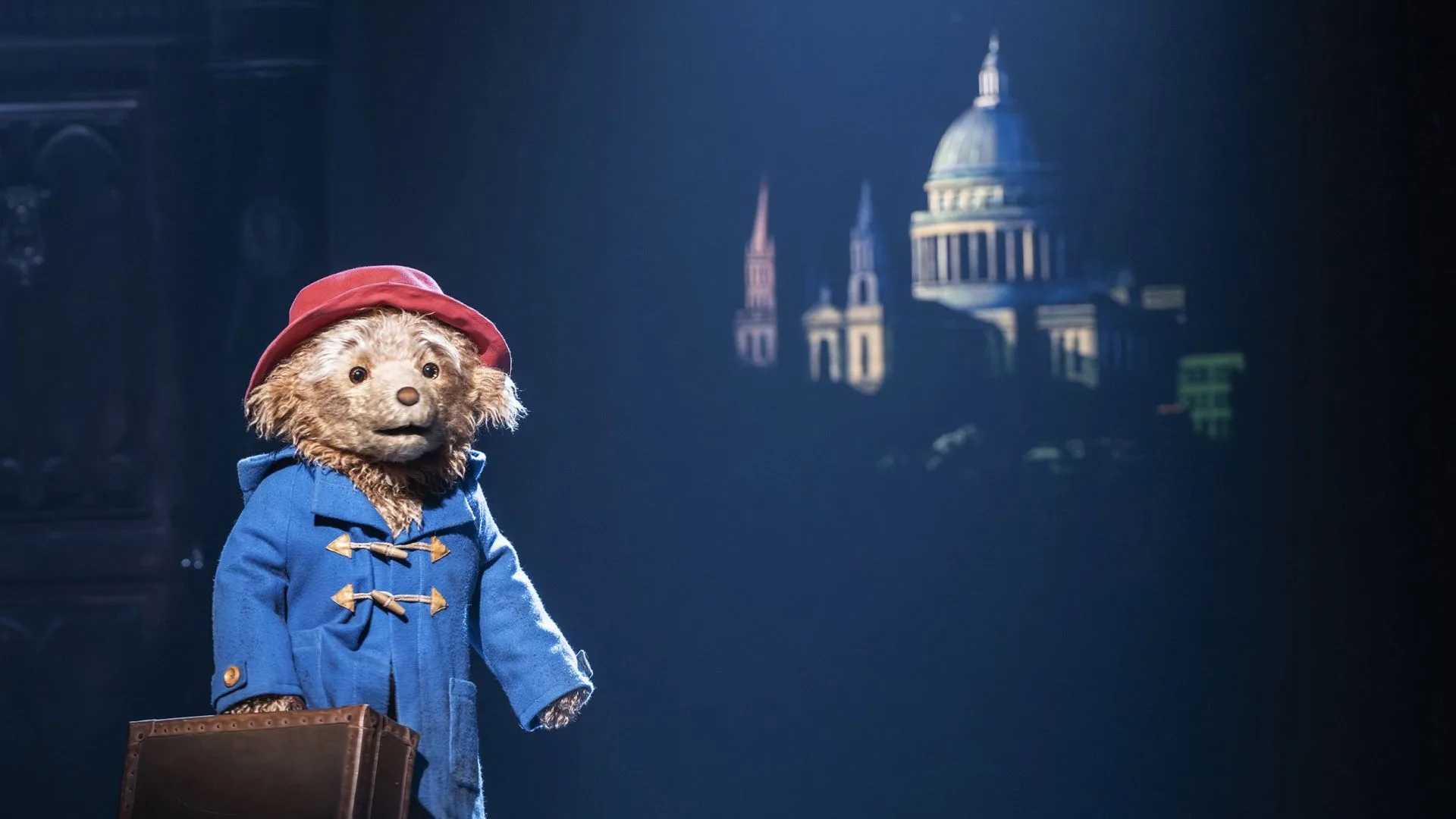
Stage Watch brings together a curated selection of theatre, musicals and live performances from London and across Oxfordshire, highlighting productions that offer something distinctive, whether through celebrated musical scores, compelling performances or ambitious new writing.
This week’s selection moves from the irreverent comedy of a West End phenomenon and the irresistible charm of a much-loved literary bear to rock opera, a classic study of artistic jealousy and a powerful new drama confronting environmental catastrophe. Featuring major revivals, award-winning productions and an Oxford performance, these five shows offer a varied look at what is coming to the stage.
Paddington The Musical
Savoy Theatre, London.
Booking until 25 June 2028.
One of Britain’s most beloved literary characters has found a spectacular new home in the West End with Paddington The Musical, a lavish stage adaptation inspired by Michael Bond’s much-loved books and the award-winning 2014 film.
The story begins when a small bear from Peru arrives in London in search of somewhere to belong. Taken in by the Brown family, Paddington discovers a new life in Windsor Gardens, although the promise of a warm welcome soon gives way to adventure when a mysterious and vengeful villain threatens his newfound home. The Browns must embark on a rescue mission, discovering just how much their unlikely new family member means to them.
Directed by Luke Sheppard, with original music and lyrics by Tom Fletcher and a book by Olivier Award-winning writer Jessica Swale, the production brings together musical theatre, physical comedy, imaginative puppetry and elaborate staging. James Hameed and Arti Shah share the role of Paddington, with Bonnie Langford as Mrs Bird and Victoria Hamilton-Barritt as Millicent Clyde.
A major West End production that celebrates the warmth, humour and enduring appeal of Bond’s original creation, it has also enjoyed considerable recognition at the Olivier and WhatsOnStage Awards.
Best for: Families, Paddington enthusiasts and anyone looking for a feel-good West End musical with plenty of spectacle.
Good to know: Running for approximately two hours and 45 minutes, including interval, the production combines large-scale staging, choreography and puppetry. Captioned, audio-described, BSL and relaxed performances are also scheduled during 2027.
The Book of Mormon
Prince of Wales Theatre, London.
Booking until 20 February 2027.
A sharp, irreverent comedy from the creators of South Park, The Book of Mormon follows two young Mormon missionaries, Elder Price and Elder Cunningham, dispatched from Salt Lake City to Uganda. Expecting to spread their faith and secure a few converts, they instead encounter a community facing far more immediate challenges, including poverty, political instability and a particularly formidable local warlord.
Created by Trey Parker and Matt Stone, alongside composer and lyricist Robert Lopez, the musical combines outrageous humour, elaborate choreography and an infectious score. Beneath its deliberately provocative comedy lies a more thoughtful exploration of belief, cultural misunderstanding and the stories people tell themselves to make sense of the world.
Winner of nine Tony Awards and multiple Olivier Awards, this long-running West End production has established itself as one of contemporary musical theatre’s most recognisable successes.
Best for: Fans of irreverent comedy, satirical musical theatre and productions that aren’t afraid to push boundaries.
Good to know: Explicit language, adult humour and potentially offensive subject matter are central to the show’s comedy. Contains strobe and flashing lights, as well as gunshot sound effects. Recommended parental discretion.
Jesus Christ Superstar
Theatre Royal Drury Lane, London.
16 October 2026 to 09 January 2027.
Tim Rice and Andrew Lloyd Webber’s landmark rock musical returns to the West End in a major production starring singer-songwriter Sam Ryder as Jesus, making his West End debut. Following the success of its award-winning Regent’s Park Open Air Theatre staging and a record-breaking summer season at the London Palladium, the production transfers to Theatre Royal Drury Lane.
Told through the perspective of Judas Iscariot, Jesus Christ Superstar revisits the final days of Jesus’s life, examining the complicated relationships, political tensions and shifting loyalties surrounding his growing influence. Rather than presenting a conventional biblical retelling, the musical explores the human personalities behind the familiar story, with Judas’s doubts and disillusionment providing a compelling counterpoint to Jesus’s growing following.
The production features one of musical theatre’s most celebrated rock scores, including I Don’t Know How to Love Him, Gethsemane and the title number Superstar. Director Tim Sheader is joined by Olivier Award-winning choreographer Drew McOnie and designer Tom Scutt, with Desmonda Cathabel as Mary Magdalene and David Thaxton as Pontius Pilate.
With its distinctive musical identity, ambitious staging and contemporary energy, this revival offers a fresh opportunity to experience a work that has remained influential since its original 1970 concept album.
Best for: Fans of classic rock musicals, Andrew Lloyd Webber’s work and powerful, dramatic reinterpretations of familiar stories.
Good to know: Sam Ryder leads the production as Jesus, with several performers sharing the role of King Herod on selected dates, including Rob Brydon, Michael Ball, Bob the Drag Queen and Layton Williams. The Judas Iscariot casting is yet to be announced.
Amadeus
Noël Coward Theatre, London.
17 April to 07 August 2027.
The rivalry between two of classical music’s most compelling historical figures takes centre stage in the first major revival of Peter Shaffer’s Amadeus in more than a decade. Starring Michael Sheen as Antonio Salieri and Callum Scott Howells as Wolfgang Amadeus Mozart, this new production brings a celebrated work of theatrical storytelling back to the West End.
Set in Vienna in 1820, the play centres on Salieri, an established composer whose professional standing and carefully cultivated reputation are unsettled by the arrival of Mozart. Although childish, irreverent and seemingly incapable of conforming to convention, Mozart possesses a musical gift that Salieri recognises as extraordinary. Convinced that divine favour has been bestowed on the wrong man, Salieri’s admiration gradually turns into an all-consuming jealousy.
Shaffer’s drama explores the uneasy relationship between talent and genius, faith and ambition, and the destructive consequences of measuring one’s own achievements against those of another. Its emotional intensity is heightened by a soundtrack featuring some of Mozart’s greatest compositions, creating a theatrical experience in which music becomes as important to the storytelling as the performances themselves.
Directed by Jeremy Herrin, the production brings together two Welsh actors in roles that have become synonymous with one of modern theatre’s most enduring explorations of artistic envy. Sheen’s portrayal of Salieri promises a particularly compelling centre to a story driven by obsession, resentment and the pursuit of greatness.
Best for: Admirers of classical music, psychologically driven drama and ambitious theatrical revivals.
Good to know: Michael Sheen and Callum Scott Howells lead the cast as Salieri and Mozart respectively. The production’s running time and age guidance are yet to be confirmed.
Darkling
The North Wall Arts Centre, Oxford.
03 & 04 November 2026.
Moving from the West End to Oxford, Darkling brings an urgent and deeply human story of environmental catastrophe to The North Wall Arts Centre for a short two-night engagement. Presented by Actors Touring Company and Bush Theatre, the production is written by Titas Halder and directed by Matthew Xia, with Linnea Berthelsen taking the lead role.
Set in Bhopal, India, in 1984, the play follows a girl growing up with her father and sister in a city once defined by its lakes and open skies. As a vast industrial factory rises above the town, the landscape and the family’s hopes for a better future begin to change. Then comes a night that devastates their lives, leaving a legacy that reaches far beyond one household.
Inspired by the human consequences of industrial and ecological disaster, Halder’s work explores the intersection of family, ambition, progress and environmental responsibility. Rather than approaching the subject solely through political or historical commentary, the production places an individual life at its centre, bringing a deeply personal perspective to a catastrophe that continues to resonate.
Berthelsen, known internationally for her role as Kali in Stranger Things, leads the cast in a production that combines intimate storytelling with a much wider examination of industrial development and its human cost. The creative team includes designer Simon Kenny, lighting designer Rajiv Pattani and composer Niraj Chag.
Best for: Audiences drawn to thought-provoking contemporary drama, socially engaged theatre and stories exploring the human consequences of environmental change.
Good to know: This is a limited Oxford engagement, with performances on 3 and 4 November only. The production is presented by Actors Touring Company and Bush Theatre, with a subject matter rooted in the 1984 Bhopal disaster.
Oxford Events
The biggest local government shake-up in a generation is taking shape: what could it mean for Oxford’s future?
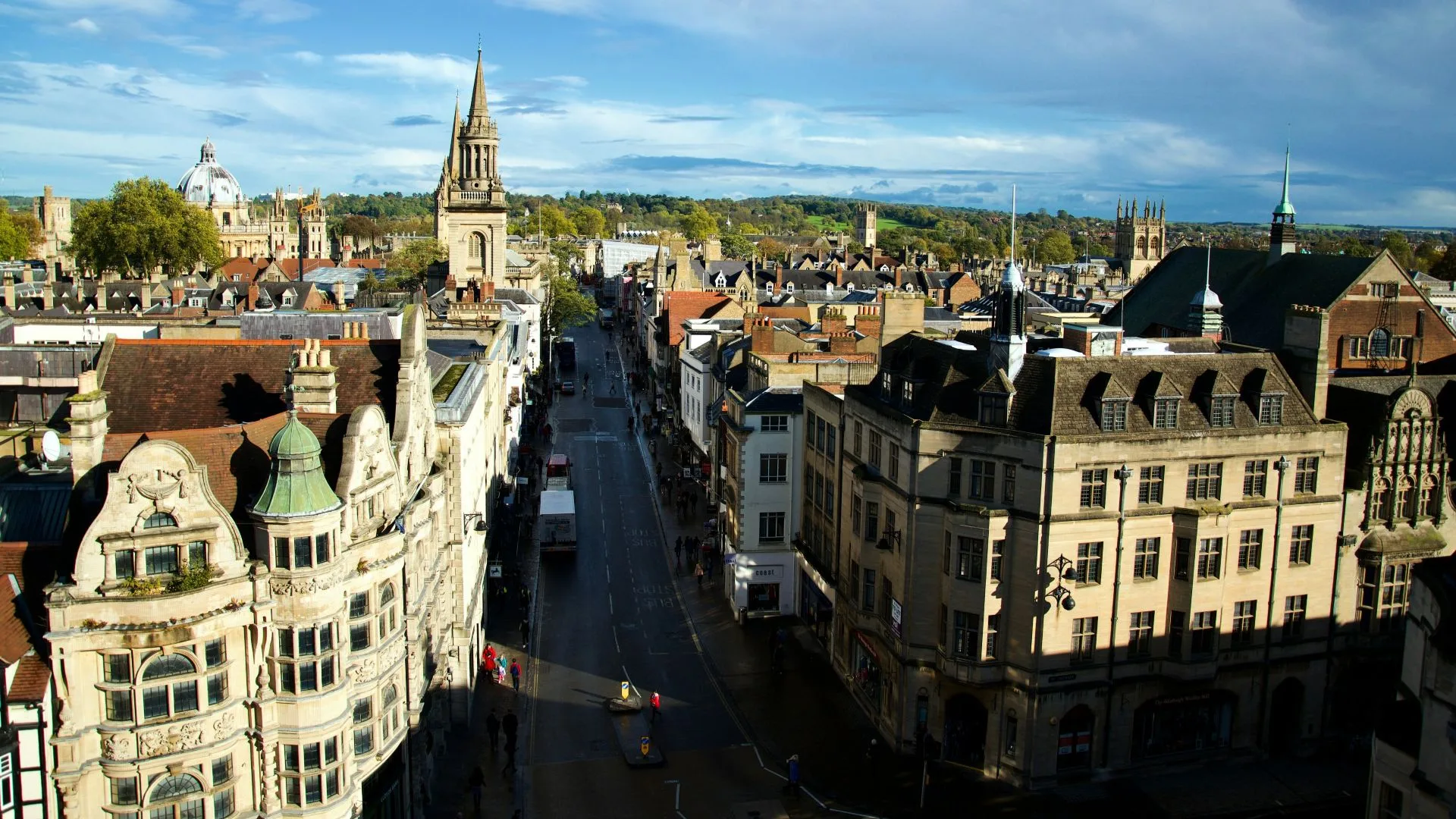
A new map for Oxfordshire: who will shape the region’s future?
Oxfordshire is facing one of the most significant changes to its local government structure in a generation. Seven existing councils are expected to be replaced by three larger unitary authorities, while a new mayoral authority could bring Oxfordshire together with Berkshire and Swindon under a directly elected regional mayor.
The two proposals, announced by the Government on consecutive days, are connected by a common ambition: to change how decisions are made, how public services are organised and how local areas plan for their future. But they also introduce different layers of government, with different responsibilities and geographical reach. One will reshape the councils closest to residents; the other could establish a new regional voice with powers over issues such as transport, housing, infrastructure and economic development.
For Oxford and the surrounding communities, the implications extend beyond administrative boundaries. The changes raise questions about where decisions will be taken, whose interests will carry weight and how local priorities will be balanced against wider regional ambitions.
A different kind of local government
The Government’s minded-to decision proposes replacing Oxfordshire’s county council and five district councils, together with West Berkshire Council, with three unitary authorities. These would be Greater Oxford, North Oxfordshire and Ridgeway.
Greater Oxford would encompass the city and its immediate surroundings. North Oxfordshire would bring together most of the existing Cherwell and West Oxfordshire districts, while Ridgeway would combine most of South Oxfordshire and the Vale of White Horse with West Berkshire.
The intention is to replace the current two-tier arrangement in Oxfordshire, where responsibilities are divided between the county and district councils, with a single authority in each area. Services and functions currently split between different councils would sit within one organisation, changing the way decisions are made and how residents engage with local government.
The proposed structure is a substantial departure from the familiar map of Oxfordshire. It also raises a broader question about what makes a council local. Larger authorities may bring together services and resources across wider areas, but will they retain a sufficiently close understanding of the distinct communities they represent? And how will the priorities of a city, its surrounding towns and its rural communities be reconciled within the same organisation?
Who will shape Oxford’s future?
The creation of Greater Oxford is particularly significant because it brings the city and its immediate surroundings into a new political and administrative framework. Decisions about housing, planning, transport, public services and economic development will be made within an authority whose boundaries extend beyond those of the existing city council.
That creates an opportunity to consider Oxford and its neighbouring communities as a more connected place. Housing needs, employment, transport networks and infrastructure do not stop at the city boundary, and the new authority could provide a different basis for planning across those relationships. At the same time, it will need to balance the needs of communities that may have different expectations about development, investment and the character of the places in which they live.
The question of influence within Greater Oxford is also worth considering. The University of Oxford and its colleges are among the largest and most economically significant institutions in the city, with a substantial presence in employment, research, property and the wider development of Oxford. Their activities inevitably intersect with decisions about land, housing, transport and infrastructure, whether or not they are directly involved in the political process.
The issue is not simply whether the University seeks to influence the city’s future. An institution can be the largest organisation in a region, with considerable economic significance, without necessarily taking an active role in shaping its development. But its scale and position may still affect how its interests are perceived and how much weight they carry in discussions about the city. As Greater Oxford takes shape, how will the priorities of major institutions be balanced against those of residents, smaller businesses and other organisations? And what should a fair balance look like in a city where the interests of so many different groups overlap?
Will a simpler structure mean better services?
One of the central arguments behind local government reorganisation is that a single council can make it easier to coordinate services, reduce duplication and provide clearer accountability. Instead of navigating separate county and district responsibilities, residents would deal with one authority for the services it provides.
But changing the structure of local government does not, by itself, determine the quality or cost of those services. Bringing organisations together involves significant work: systems, staff, budgets, property, contracts and responsibilities all have to be aligned. The transition will require resources, while the longer-term financial position of the new authorities will depend on how effectively they manage their responsibilities and the pressures facing local government.
There are also questions about the distribution of resources across the new areas. Oxford, with its particular housing pressures, economic profile and public service needs, will sit alongside communities with different circumstances and priorities. How will funding and investment be allocated? Will a larger authority be better placed to address inequalities between communities, or could some areas find their concerns less visible within a wider organisation?
The practical test will ultimately be what residents experience: whether services become easier to access, whether decisions are more coherent and whether the new arrangements can respond to local needs. Those outcomes will take time to establish, and the case for reorganisation will be judged as much by how the new councils operate as by the boundaries drawn around them.
A new regional power centre
Alongside the changes to local councils, the Government has announced that plans for a Mayoral Strategic Authority covering Oxfordshire, Berkshire and Swindon will progress. The proposed authority would be led by a directly elected mayor, with the potential to take on responsibilities and funding in areas including transport, housing, infrastructure, skills and economic growth.
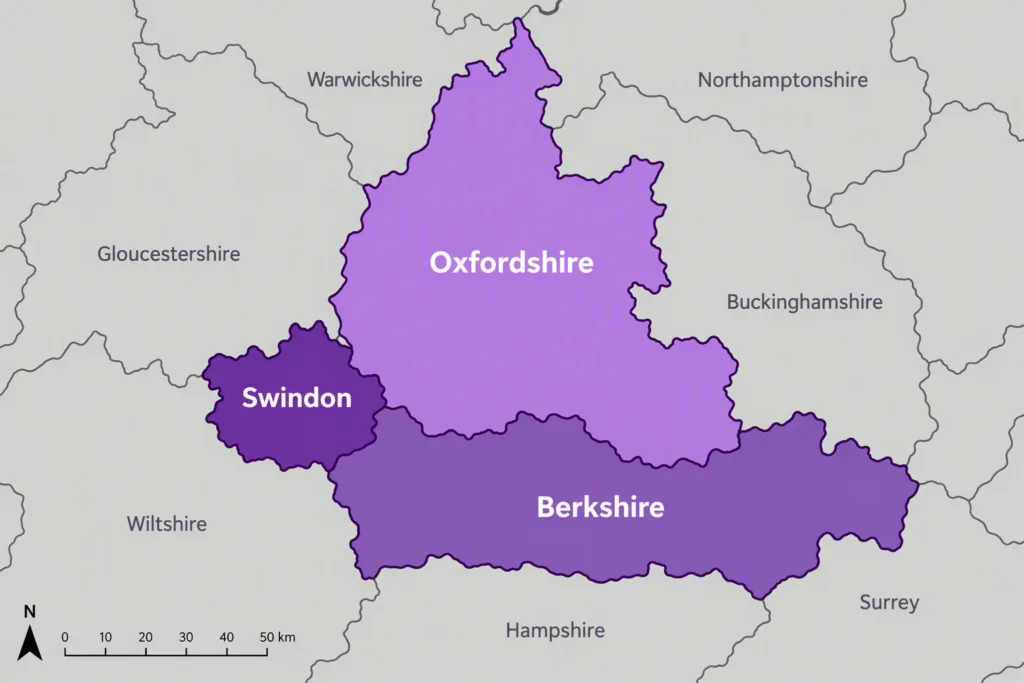
The proposed geography is striking. It brings together places with established economic, transport and employment connections, but also with distinct identities and local priorities. Oxford would become part of a wider regional area extending west and south, creating a new level of decision-making beyond the proposed unitary councils.
A mayor could provide a recognisable regional figure with a mandate to represent the area and negotiate with central government. The authority could also offer a way to coordinate decisions on issues that cross council boundaries, particularly transport and infrastructure. But the precise powers, resources and responsibilities have yet to be settled, and the extent of the mayor’s influence will depend on the arrangements eventually agreed.
Read more: Plans for elected Thames Valley mayor move forward amid council leaders’ support and concerns
For Oxford, the question is how its interests would be represented within a region that includes larger towns, other cities and communities with different economic priorities. Would the city’s role as a centre for education, research, employment and tourism give it a distinctive voice, or would its priorities have to compete with those of a much wider area? And how would the regional mayor’s agenda relate to the decisions made by Greater Oxford and the other new councils?
What happens to local democracy?
The proposals would change not only the structure of local government but also the relationship between residents and the people making decisions on their behalf. Larger authorities may create clearer lines of responsibility, but they also cover more people and a wider range of communities. The way councillors are elected, how local representation is organised and how residents can influence decisions will therefore matter considerably.
The proposed timetable envisages elections for shadow authorities in May 2028, ahead of the new councils formally taking over on 1 April 2029. Mayoral elections are also anticipated in 2028. For residents, this means a period in which the familiar councils will continue to operate while the institutions that replace them are being established.
The transition raises questions about accountability at both local and regional levels. How accessible will councillors be within larger authorities? Will residents know which body is responsible for a particular decision, particularly where responsibilities are shared between the unitary councils and the mayoral authority? And what opportunities will communities have to shape the priorities of the new organisations before they become fully operational?
These are not simply questions of administrative design. They go to the heart of what residents expect from local democracy: proximity, representation, transparency and the ability to influence decisions that affect everyday life.
Is this the end of the debate?
Although the Government has indicated its preferred structure for the new councils, the proposals are not yet the end of the process. Further decisions will be needed on boundaries, governance, representation, finances and the practical arrangements for transferring responsibilities. The mayoral authority is also at an earlier stage, with its detailed powers and operating arrangements still to be developed.
The next few years will therefore involve more than preparing organisations for a changeover date. They will shape how the new authorities work, how they relate to one another and how effectively they represent the communities within their boundaries.
For Oxfordshire, the changes offer a moment to reconsider how the region is governed and how its future is planned. They also invite a wider conversation about the relationship between the city and its surrounding communities, the balance between local and regional priorities, and the influence of the institutions and organisations that contribute so much to the area.
The boundaries may be drawn by government, but the character and priorities of the new authorities will depend on the decisions made within them. What should Oxford and Oxfordshire expect from this new map of local government — and what do residents want it to deliver?



-

 Oxford united FC4 weeks ago
LIVE: Exeter City vs Oxford United – Jersey Mike's Trophy group stage
-

 Oxford united FC4 weeks ago
Oxford United lose to Exeter City on penalties in Jersey Mike’s Trophy
-
 Student Life4 weeks ago
Rhodes scholarships cut amid financial difficulties
-

 Student Life3 weeks ago
From Oxford to Cambridge: The 204-mile punt for Alzheimer’s
-

 Oxford united FC4 weeks ago
Chris Gunter details Oxford United tactical adjustments
-

 Oxford united FC4 weeks ago
Oxford United youngster opens up on ‘surreal’ Aaron Ramsey influence
-

 Oxford united FC4 weeks ago
Oxford United win 2-1 at Notts County in League One return
-

 Oxford united FC4 weeks ago
LIVE: Exeter City 2-1 Oxford United – Grecians lead after Bradney debut goal