
Student Life
‘A great head of hair with a strong last name’: Justin Trudeau celebrates Oxford Fellowship

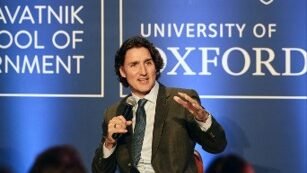
Former Canadian Prime Minister, Justin Trudeau, gave his first public appearance at the University of Oxford since he became a distinguished Fellow. Trudeau appeared in conversation with Ngaire Woods, Dean of the Blavatnik School of Government (BSG).
Trudeau touched on the importance of story telling, compromise in government, and being continually underestimated as a “great head of hair with a strong last name”.
Earlier this month, Trudeau joined the BSG’s World Leaders Circle, a forum to “exchange ideas and foster international collaboration among leaders”.
Trudeau will join the ranks of Rishi Sunak and Jacinda Ardern in the Circle, which is made up exclusively of former heads of government.
Woods told Cherwell that Trudeau “brings with him a wealth of experience, forged through a decade of public service”.
Trudeau helped bring Canada’s Liberal Party from a third party to majority government in 2015. Major moments in his premiership include signing the Paris Climate Accords, introducing the Canada Child Benefit and a trade war with the United States, which he responded to with a 25 per cent tariff on $30 billion of US goods.
He resigned in 2025 following a steady decline in popular support and the resignation of the deputy Prime Minister, Chrystia Freeland. Freeland is now the CEO of the Rhodes Trust.
He has made headlines recently due to his relationship with pop star Katy Perry.
The BSG opened in 2012 thanks to a £75 million donation from oligarch Len Blavatnik. It aims to “inspire and support better government and public policy around the world”.
Oxford’s Canada Society told Cherwell their members were excited over the growing list of high-ranking Canadians with connections to the University. Trudeau’s ex-deputy Prime Minister Christia Freeland was appointed as CEO of Rhodes Trust in July. Current Canadian Prime Minister Mark Carney also earned an MPhil and DPhil in Economics at Oxford between 1991-1995.
Trudeau’s appointment is a “great opportunity for our members to meet and speak informally with the former Prime Minister”, the society said.
Cherwell understands members of Canada Society were invited to an informal meeting with Trudeau earlier this week.
The conversation on Monday started with a discussion about compromises in government. Trudeau challenged the idea that compromise is a negative, arguing that his decision to work with Canada’s New Democratic Party in his third term created Canada’s longest running minority parliament and “allowed us to do a lot of big things”.
He added that compromise was not a one-off but the business of government, as “the easy decisions have all been taken”.
When asked about the importance of storytelling in politics, Trudeau said that while many of his peers were studying political science, he chose to study English Literature at McGill University in Montreal.
“It seemed to be the best path to choose that had the lowest chance of forcing me to have to get a job immediately after graduation”, Trudeau said.
He told the audience that he used his degree by storytelling every day as prime minister, adding “the winner in an election is just the person who tells the best story.”
Trudeau pointed to the narrative he built regarding Canadian sovereignty, which left “the maple syrup MAGA opponent of the Conservative Party in a very, very awkward position”, in apparent reference to Piere Poilievre, leader of the opposition CPC party.
At the time of Trudeau’s departure his Liberal party trailed in the polls by over 25%.
An audience member asked him about the recent presence of Nathan Cofnas at Oxford and the challenge of distinguishing free speech from hate speech. Cofnas, a self described “race realist” who publicly raised plagiarism accusations against Professor Jason Arday, Cambridge University’s youngest Black professor, was invited by Oxon Universities’ Reform Society to speak to Oriel College earlier this month. The talk went ahead despite hundreds protesting outside the college.
Trudeau replied that “places like universities are supposed to be challenging”, adding that they are “supposed to have people making arguments that are completely wrong so that others can deconstruct them”.
He said that while he would never defend “‘horrific and vile speech”, the alternative of driving these arguments underground could be worse, creating polarisation.
He warned against progressives being “dragged into wedge politics issues” which represent “distractions to feed the algorithms” and do not help people on the ground.
The conversation turned to the Canadian’s celebrity-like status and good looks, and whether being an “incredibly handsome politician” is a constraint or advantage. He said that the media narrative that he was “a great head of hair with a strong last name” meant he was underestimated in every electoral contest for which he stood as candidate. “They wrote me off every time”, he said, including for his 2012 boxing match against Canadian Senator Patrick Brazeau, which he won.
He added that attention to his appearance has helped him understand how “incredibly misogynistic and difficult” it is for women to run for office, pointing to his 50 per cent gender balanced cabinet and his ‘Ask Her to Run’ campaign.
The campaign involved asking Trudeau’s party’s mailing list if they knew a woman who “would be a great addition to politics” and suggested members encourage her to run, as well as reaching out to women through other channels.
The conversation ended with Trudeau being asked how students can be useful in public service.
“You’re studying here, that’s a great way to go towards politics, but it’s not going to help you going door to door”, he said.
His final piece of advice to students: pick an issue that matters to you and learn how to organise around it.
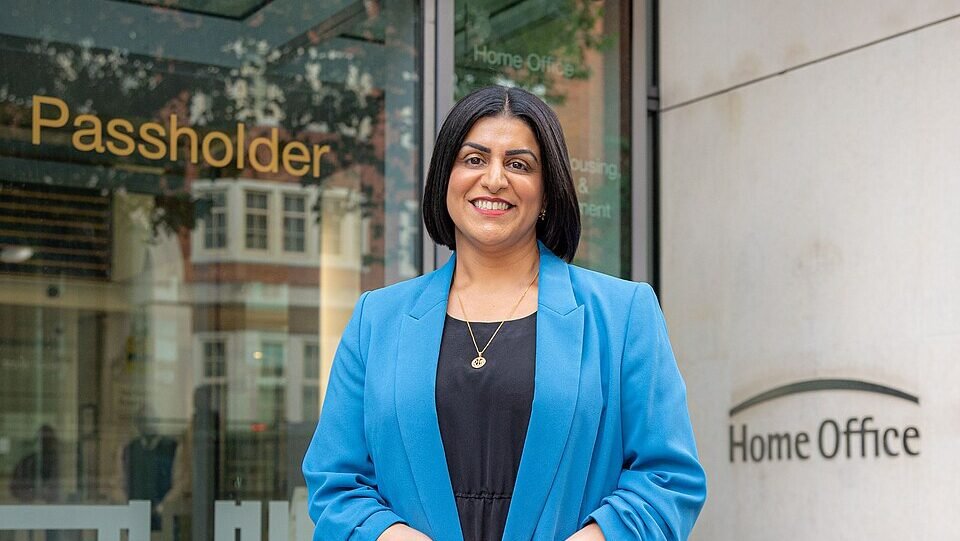
Post-study graduate visas will be extended from 18 months to 2 years for “high-performing institutions”, following a UK government announcement.
The post-study graduate visa allows university students graduating from UK universities to stay and work in the UK after completing their course. In May 2025, the government announced that the visa would be reduced to 18 months; however, the recent change reverses this for “high compliance institutions”. For PhD students, the visa remains 36 months.
It is unclear which universities are included in this category, with officials stating they must be institutions with “strong labour market outcomes”.
The policy leaves Oxford graduate students in limbo, uncertain of whether it will apply to the University. Students applying for visas before January 2027 will receive a two-year visa, whereas those who apply after may only receive 18 months. In an update posted to its website, Oxford University said that it “strongly recommend[s] being prepared to submit an application by 31st December 2026 at the latest, in case further details are not announced in time or there is a delay before the new arrangements come into effect”.
Student representatives have raised concern over the confusion the visa policy may create. The Oxford SU President for Postgraduates, David Quan, told Cherwell: “For postgraduates on one-year courses, the Graduate visa is an important part of planning what comes after Oxford. The Budget said graduates of some universities will keep two years, but not which universities or from when, and every international student deserves to know where they stand.”
Quan added: “Under the current rules, master’s graduates who apply from 1 January will get 18 months. The University has confirmed that as soon as they know the details, they will update the website and communicate with affected students at the appropriate time.”
The visa extension comes amidst a general tightening of immigration rules regarding students. Last year, the government announced a visa brake blocking students from Sudan, Afghanistan, Myanmar, and Sudan from applying for student visas. At the same time, the Home Secretary also increased the time many immigrants must have lived in the UK to qualify for indefinite leave to remain.
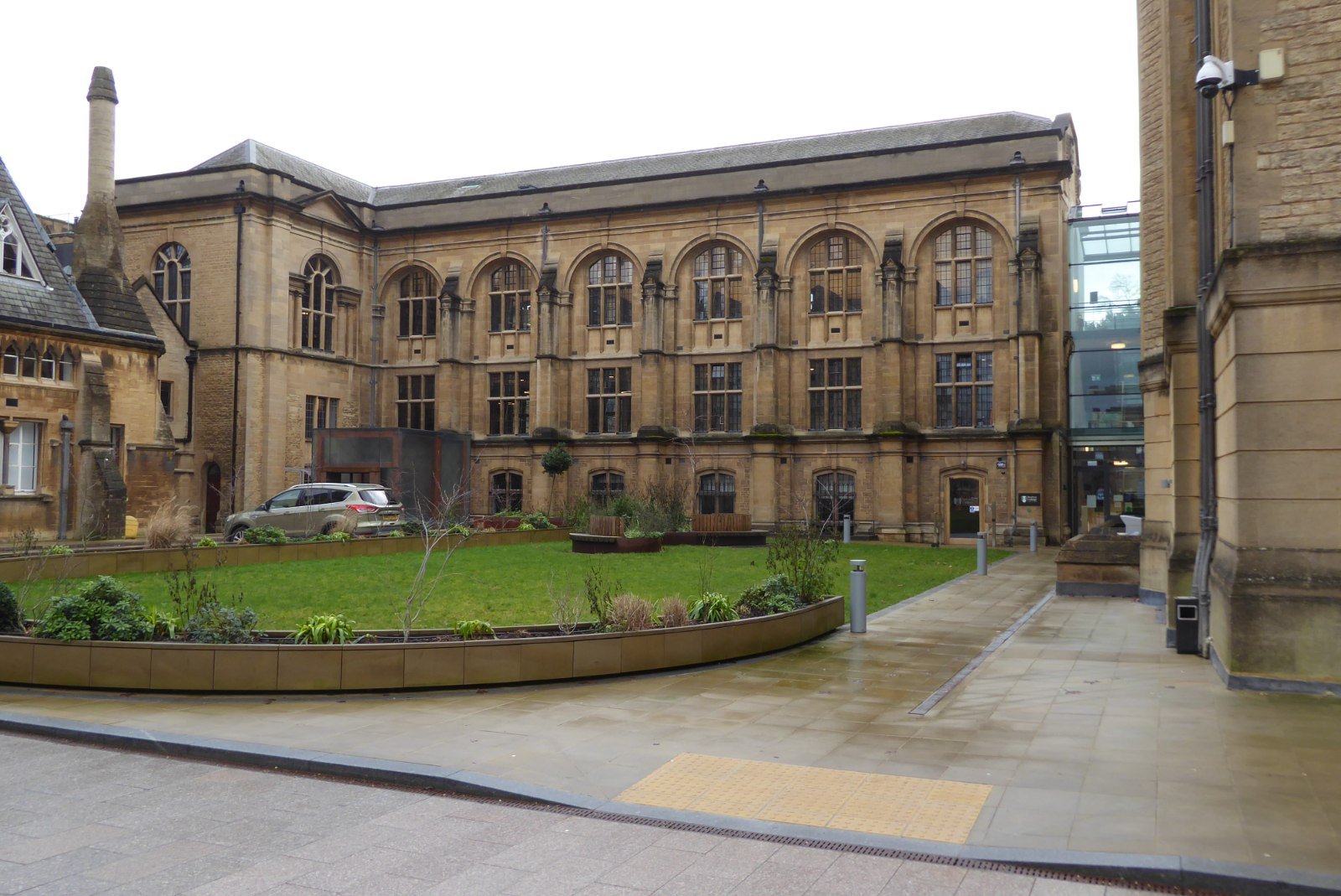
Researchers from the University of Oxford are involved in a new £20 million research hub using artificial intelligence to transform dementia prevention and diagnosis. Led by the University of Exeter, the six-year BRAINIAC Hub includes eleven universities and ten NHS sites.
Dementia currently affects an estimated 982,000 people in the UK, with a projected rise to 1.4 million by 2040. At the moment, dementia care costs the UK £42.5 billion per year and, according to a projection from the Alzheimer’s Society, this could double to £90.6 billion by 2040.
The research aims to increase assessment and diagnosis rates by over 30% by identifying those at increased risk earlier. It will use specialist AI which can combine brain imaging, genetics, blood biomarkers, health records, and digital cognitive tests to build evidence for their potential use in NHS settings. These tools will be piloted in ten new clinics, involving more than 1700 patients. Assessments will be able to be completed remotely by people to increase the project’s potential reach.
NHS partners, charities, and industry are providing the project with £10 million in funding, with another £10 million donated by the Engineering and Physical Sciences Research Council
Oxford has been a key area in dementia research for several years, with the Oxford Brain Health Clinic founded in 2020. MRI scans, neuropsychological assessments, clinical questionnaires, and interviews are used to identify and diagnose patients with earlier, less advanced forms of dementia. Vanessa Raymont, director of Dementia Platform UK, Associate Professor at Oxford, and one of the BRANIAC Hub researchers, told Cherwell: “Different types of tests are needed to pick people up with minor memory problems, because they can be so subtle.
“Oxford is one of the sites for Brainiac that is doing this kind of work already, and that’s why our input is important, because BRAINIAC’s vision is to refine the test even more – at existing brain health sites and new ones.”
According to Raymont, AI can model a wider data set, including age, ethnicity, and family medical history, “that could actually give you a better indicator of who’s at risk than just a memory test”. BRAINIAC researchers hope to be able to identify and treat people at risk of dementia “very early on… [who] haven’t developed symptoms yet”.
Raymont hopes that Oxford’s involvement can complement the research undertaken by the national research Dementia Platform UK. BRAINIAC’s clinics are both in specifically “academic sites”, like Oxford, and areas more representative of the general UK population. This is in an attempt to ensure a range of data from varied populations, and AI is a useful tool in this process, helping to resolve the inevitable “deficits in the data”.
Professor David Llewellyn, Director of the BRAINIAC Hub and academic at the University of Exeter, told Cherwell that the project is designed to “make it easier to connect people with suitable clinical trials, helping researchers evaluate new treatments more efficiently”.
“People living with dementia and carers will help design the tools alongside clinicians, engineers and data scientists,” he explained. “Their involvement is essential if we are to create technology that is useful, understandable and practical in everyday care.”
Regarding concern over whether AI, still a developing tool, is yet reliable enough for use in medicine, Llewellyn told Cherwell: “To earn a place in clinical care, these tools must be trustworthy. We need to establish how well they work for different people, make their uncertainty clear, protect privacy and demonstrate that they improve care.”
The first clinics are expected to open in 2029. Llewellyn hopes that their research will make a tangible difference to patients: “For me, the most exciting possibility is giving people more time: less time waiting for answers, earlier access to support, and ultimately more years of good brain health. The success of BRAINIAC should be judged by the difference it makes to patients and families.”
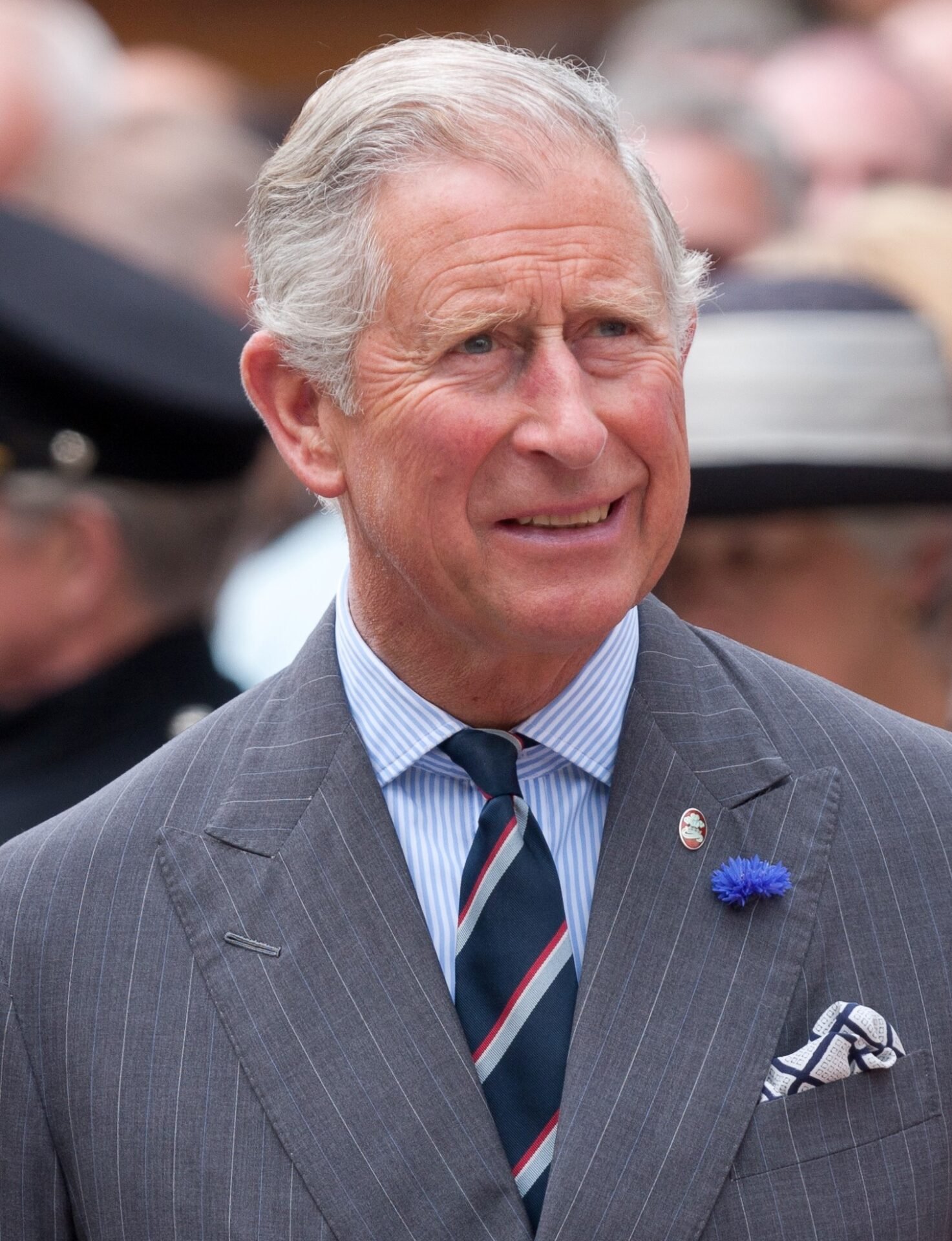
King Charles III has approved the appointment of Professor Laura Swift, Professor of Greek and Fellow and Tutor in Classics at Magdalen College, as Regius Professor of Greek at the University of Oxford.
Swift is the first woman to be appointed to the position, and is the fifth woman to hold a Regius Professorship in the University’s history. In a comment to Cherwell, Swift said: “When I was an undergraduate at Oxford, very few of the people who taught me were women, and it did make an impact on me when I had female tutors as role models. Oxford and academia in general has changed hugely since that time, and I do feel my appointment is testament to how, even though there are still barriers that women in academia face, we are making progress in tackling them.”
The Regius Professorship of Greek is the third-oldest of Oxford’s nine Regius Professorships. It was established in 1541 by King Henry VIII alongside the chairs of Divinity, Medicine, Civil Law, and Hebrew, before being joined by the Regius Professorships of History, Ecclesiastical History, Moral and Pastoral Theology, and Mathematics, respectively. These academic positions are considered the most prestigious in the UK and are only appointed by a royal patron.
Since 2022, Swift has been a tutorial fellow in Classics at Magdalen College, and in 2024 became a professor of Greek in the Faculty of Classics. Prior to this, she taught at the Open University and University College London, as well as at Oxford. Swift studied at Magdalen for her MSt and DPhil, ultimately graduating with her doctorate in 2007.
Her research focuses on literary criticism of ancient Greek tragedy and lyric poetry, having written the first complete commentary on the Archaic poet Archilochus. She has received several academic prizes, including the Hellenic Foundation Thesis Prize, an Alexander von Humboldt postdoctoral fellowship, and a Philip Leverhulme Prize.
As an advocate for increasing access to Classics, Swift has contributed to the A-Level Classical Civilisation curriculum and makes frequent media appearances. She also works with contemporary theatre practitioners to explore how ancient texts can inspire modern creative work.
Swift told Cherwell that “the role is not just about teaching and researching Greek (important though that is), but also about championing the value of the subject more broadly. Of course my students and the Classics Faculty will be at the centre of what I do, and I’m looking forward to supervising more graduate students and running research seminars”.
She also spoke of the national importance of her role, “at this time where the Humanities are under threat in so many institutions. Public engagement has been really important to me through my career, and I am excited to be taking on a role where I can devote more time to that”.
Swift will succeed former Regius Professor Gregory Hutchinson, who held the position from 2015 until his retirement in 2023. Like Hutchinson, Swift will undertake the Ordinary Studentship (professorial fellowship) at Christ Church with which the Regius Professorship is associated. She will take up the post on 1st October 2027.
The Dean of Christ Church, the Very Revd Professor Sarah Foot FRHistS FSA, stated that “Professor Swift’s appointment is excellent news. Her distinguished work on ancient Greek literature, alongside her commitment to widening engagement with Classics, will enrich the academic life of Christ Church. We look forward with great pleasure to her taking up the Regius Professorship.”
Swift is the second woman Christ Church fellow and Regius Professor appointed this term. She follows Menna Clatworthy, whom the King appointed as the first woman Regius Professor of Medicine this October.


‘A great head of hair with a strong last name’: Justin Trudeau celebrates Oxford Fellowship

Oxford Student Union criticises government graduate visa uncertainty

Oxford researchers support new multi-million-pound AI dementia research hub
-

 Oxford united FC3 weeks ago
Dogs, drones and extra police powers for Oxford United game
-

 Oxford united FC4 weeks ago
LIVE: Barnsley 1-0 Oxford United – Yoganathan puts 10-man Tykes ahead
-

 Oxford united FC4 weeks ago
Oxford United leaders criticised as results hide concerns
-
 Student Life4 weeks ago
Oxford University wins at local climate awards
-

 Student Life4 weeks ago
St Anne’s to close nursery called a ‘lifeline’ for women at Oxford
-

 Oxford united FC4 weeks ago
Aaron Ramsey explains Brannagan and Brown Oxford United absence
-

 Oxford united FC3 weeks ago
Oxford United player ratings in landmark Reading derby win
-

 Oxford united FC3 weeks ago
Reading FC boss criticises Oxford United red card appeal timing