
Oxford Events
Oxford Open Doors: nine properties to explore without booking

Oxford Open Doors returns on Saturday 12 and Sunday 13 September, giving visitors the chance to step inside some of the city’s most fascinating buildings — including places that are rarely open to the public.
With many of the bookable venues now fully booked, we’ve handpicked nine properties where visitors can simply turn up and explore, without needing to book ahead.
The selection prioritises free drop-in access, while also offering a broad mix — from historic interiors and architectural landmarks to working buildings and contemporary spaces.
From a hidden Elizabethan room above Cornmarket Street and a working fire station to medieval landmarks, historic libraries and some of Oxford’s newest architecture — each property offers an opportunity to see a different side of the city.
1. The Painted Room
3 Cornmarket Street, Oxford OX1 3EX
Open on Saturday 12 and Sunday 13 September from 10.00am to 4.00pm
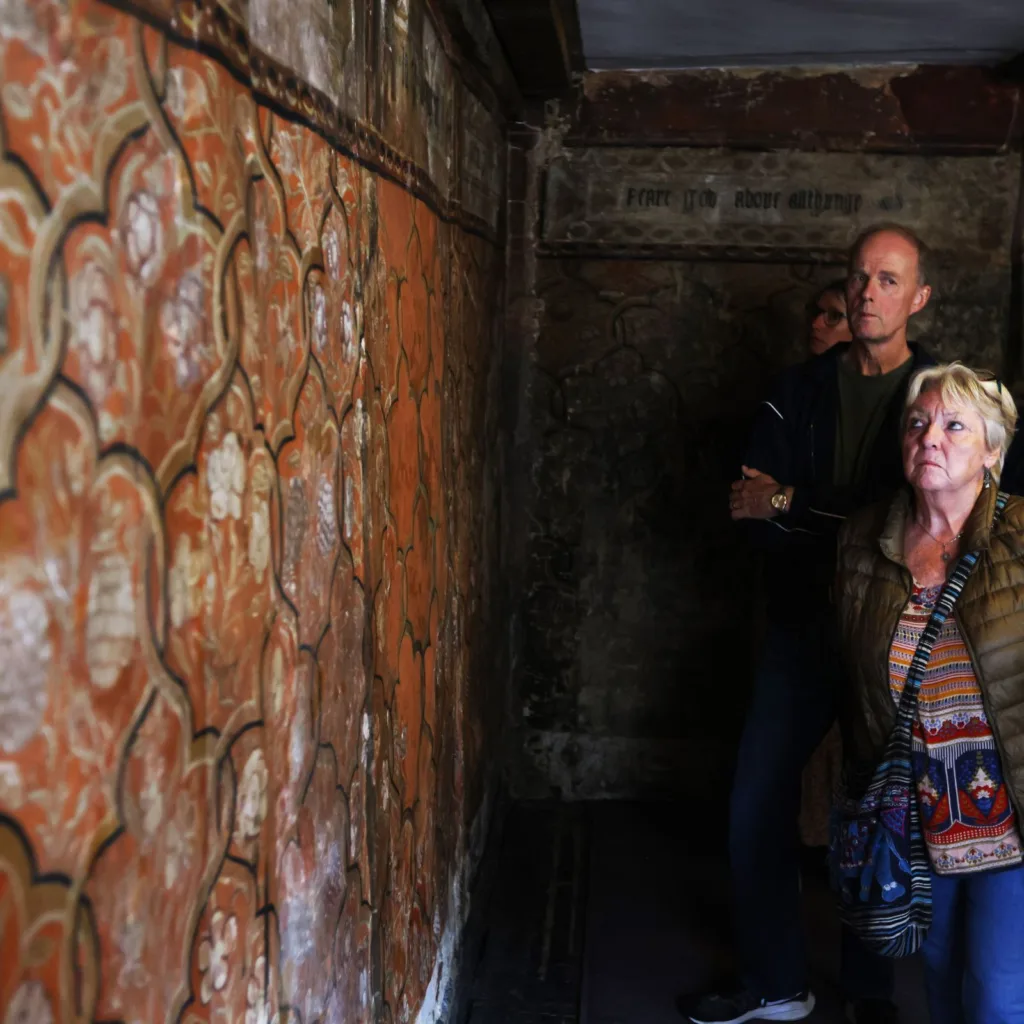
Hidden above the bustle of Cornmarket Street, the Painted Room is one of Oxford’s most remarkable historic interiors. Behind an unassuming 18th-century frontage lies a late medieval timber-framed room, once part of a wine tavern run by London vintner John Davenant, a friend of William Shakespeare.
Its rare Elizabethan wall painting, dating from the 1560s or 1570s, was hidden for more than 300 years before being rediscovered in 1927 and carefully conserved. Today, the room offers a fascinating glimpse into Oxford’s medieval and Elizabethan past — and a chance to discover one of the city centre’s true hidden gems.
2. Lincoln College Library
3 Turl Street, Oxford OX1 3DQ
Open on Saturday 12 and Sunday 13 September from 2.00pm to 5.00pm. Last entry at 4.45pm
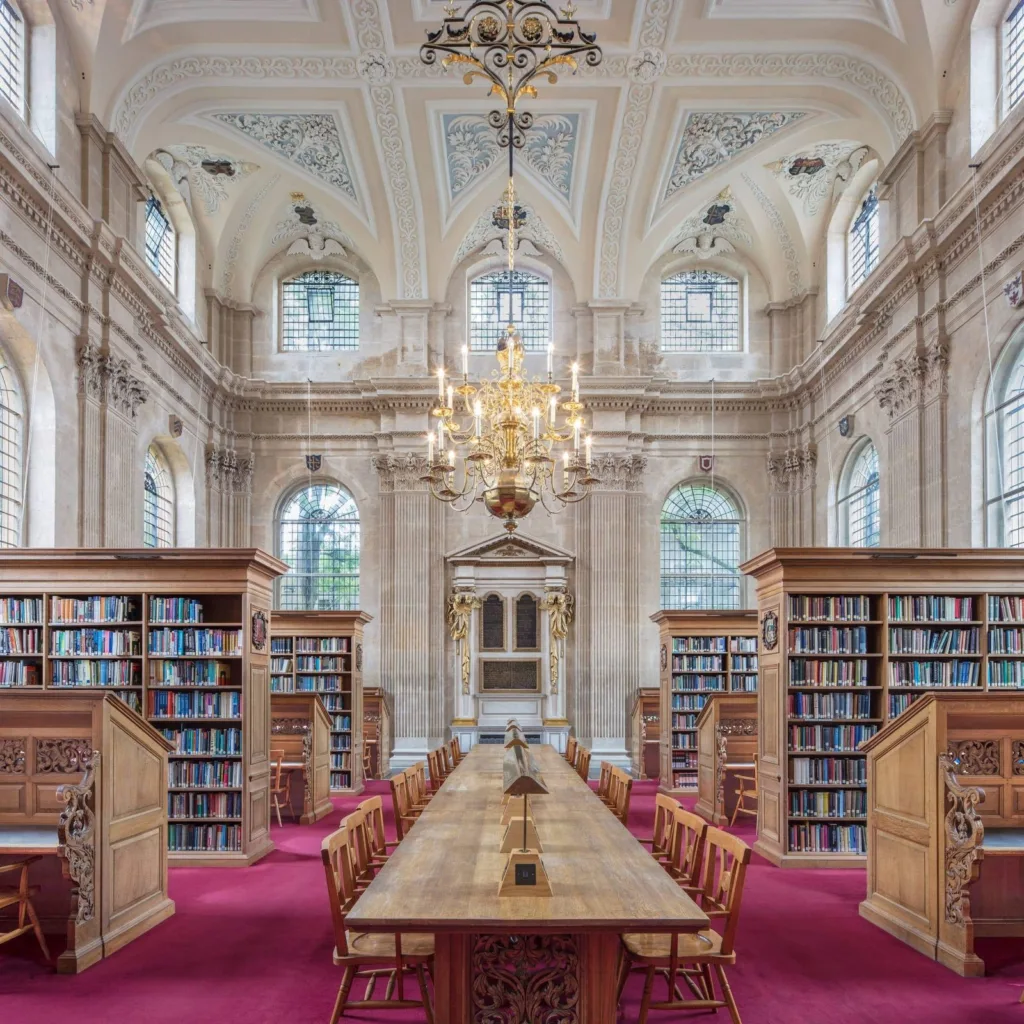
Housed in the former All Saints Church, Lincoln College Library is one of Oxford’s more unusual historic interiors. The church, which stood on the site for centuries, was rebuilt in the 18th century and later transformed into the college’s Upper Library.
Inside, the soaring space combines the grandeur of its ecclesiastical origins with the character of an historic Oxford library. Its collections reflect centuries of scholarship, while the building itself provides a striking example of how old spaces have been adapted for new purposes. Open during Oxford Open Doors, it offers visitors the chance to see an atmospheric interior that is rarely part of the city’s usual sightseeing trail.

3. Carfax Tower
Queen Street, Oxford OX1 1ET
Open on Sunday 13 September from 10.00am to 5.00pm. Last admission at 4.30pm.
Standing at the crossroads of Oxford’s historic centre, Carfax Tower is one of the city’s best-known landmarks and the oldest surviving part of St Martin’s Church. The tower dates largely from the 12th century, with later additions reflecting the building’s long history at the heart of Oxford.
Climb the 99 steps to the top for panoramic views across the city centre and its historic rooftops. The tower offers a different kind of Open Doors experience — less about grand interiors and more about discovering Oxford from above, while exploring one of the city’s most enduring medieval landmarks.
Beyond Oxford Open Days, the tower is open 10.00am to 5.30pm from Easter to October, and 10.00am to 3.30pm between October and Easter.

4. Rewley Road Fire Station
Rewley Road, Oxford OX1 2EH
Open on Saturday 12 and Sunday 13 September from 10.00am to 4.00pm.
Go behind the scenes at one of Oxford’s working fire stations and discover a side of the city rarely open to the public. Rewley Road Fire Station provides an opportunity to see inside a building where firefighters work and train while learning more about the role of the fire service in Oxford.
Alongside exploring the station, visitors can discover more about the equipment, vehicles and people involved in responding to emergencies across the city. It offers a very different Open Doors experience from Oxford’s historic colleges and grand civic buildings.
There will also be a range of activities for visitors, including the chance to climb aboard a fire engine and have a go at squirting water from one of its hoses.

5. Sheldonian Theatre
Broad Street, Oxford OX1 3AZ
Open on Saturday 12 September from 10.00am to 5.00pm
Designed by Christopher Wren and completed in 1669, the Sheldonian Theatre is one of Oxford’s most recognisable buildings and one of its most spectacular interiors. Built for University ceremonies, it continues to play a central role in Oxford’s academic traditions more than 350 years later.
Inside, look up at the great auditorium and its celebrated painted ceiling, created by artist Robert Streater. Visitors can also explore the upper levels and enjoy views across the historic rooftops of central Oxford, offering a different perspective on the city.
There will be a variety of activity sheets and interactive games for children and young people.

6. Rhodes House
South Parks Road, Oxford OX1 3RG
Open on Saturday 12 September from 10.00am to 4.00pm
Built in the 1920s as a memorial to Cecil Rhodes, Rhodes House is one of Oxford’s finest examples of Arts and Crafts architecture. Designed by Sir Herbert Baker, the Grade II* building was created as a home for the Rhodes Scholarships and remains closely associated with the international community of scholars.
Following a major programme of renovation and expansion, Rhodes House combines its historic architecture with new spaces designed for contemporary use. Open Doors provides an opportunity to look inside this distinctive building and discover its courtyards, interiors and architectural details.
There will be colouring activities for children.
7. Schwarzman Centre
Radcliffe Observatory Quarter, Woodstock Road, Oxford OX2 6GG
Open on Saturday 12 September from 10.00am to 5.00pm
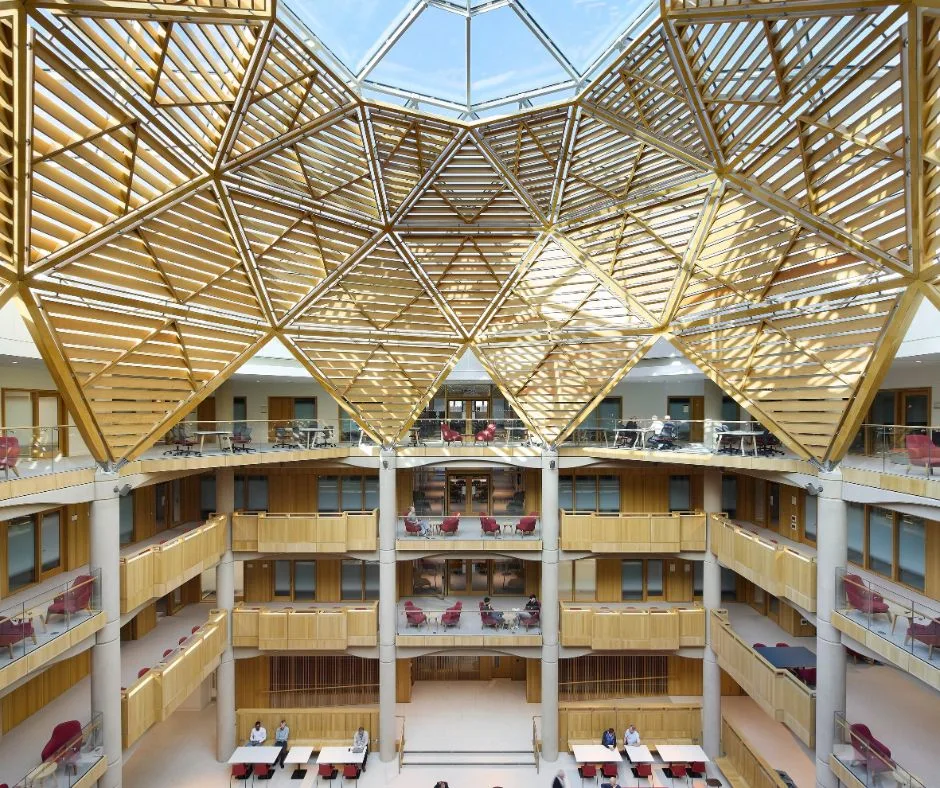
The Stephen A. Schwarzman Centre for the Humanities is the University of Oxford’s new home for the humanities and a major cultural destination for the city. As part of Oxford Open Doors, visitors will have a rare opportunity to explore a range of the Centre’s striking performance, rehearsal and public spaces, many of which are normally only accessible during ticketed events and programmed activity.
The event will showcase key venues across the building, including the Sohmen Concert Hall, Theatre, Black Box, Recital Hall, White Box and Cinema, offering a glimpse into the spaces that support the Centre’s academic work, artistic collaborations and public cultural programme.
Some activities may require booking, so visitors are advised to check the programme before visiting.

8. Blavatnik School of Government
Radcliffe Observatory Quarter, Woodstock Road, Oxford OX2 6GG
Open on Saturday 12 and Sunday 13 September from 10.00am to 3.00pm
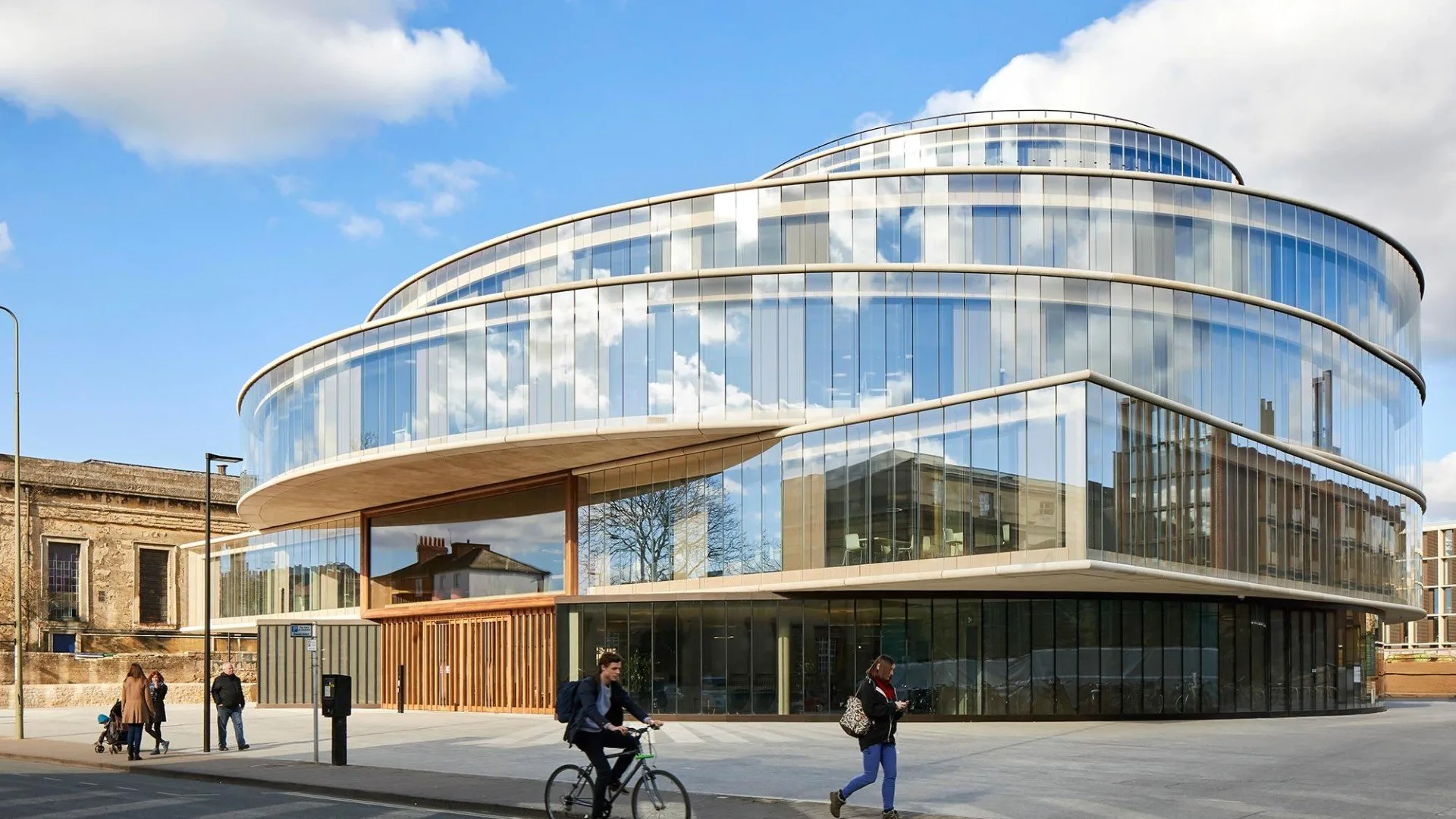
Designed to support the school’s mission of inspiring and promoting better government around the world, the Blavatnik School of Government’s award-winning building provides a purpose-built home for a vibrant academic community.
The building was developed by internationally renowned architects Herzog & de Meuron, inspired by “openness, communication and transparency in parliamentary spaces”. Look around the various spaces in this building, including the 4th floor terrace with stunning views over Oxford.
vOx Chamber choir will be performing a selection of favourites from the renaissance choral repertoire on Sunday at 11.30am.
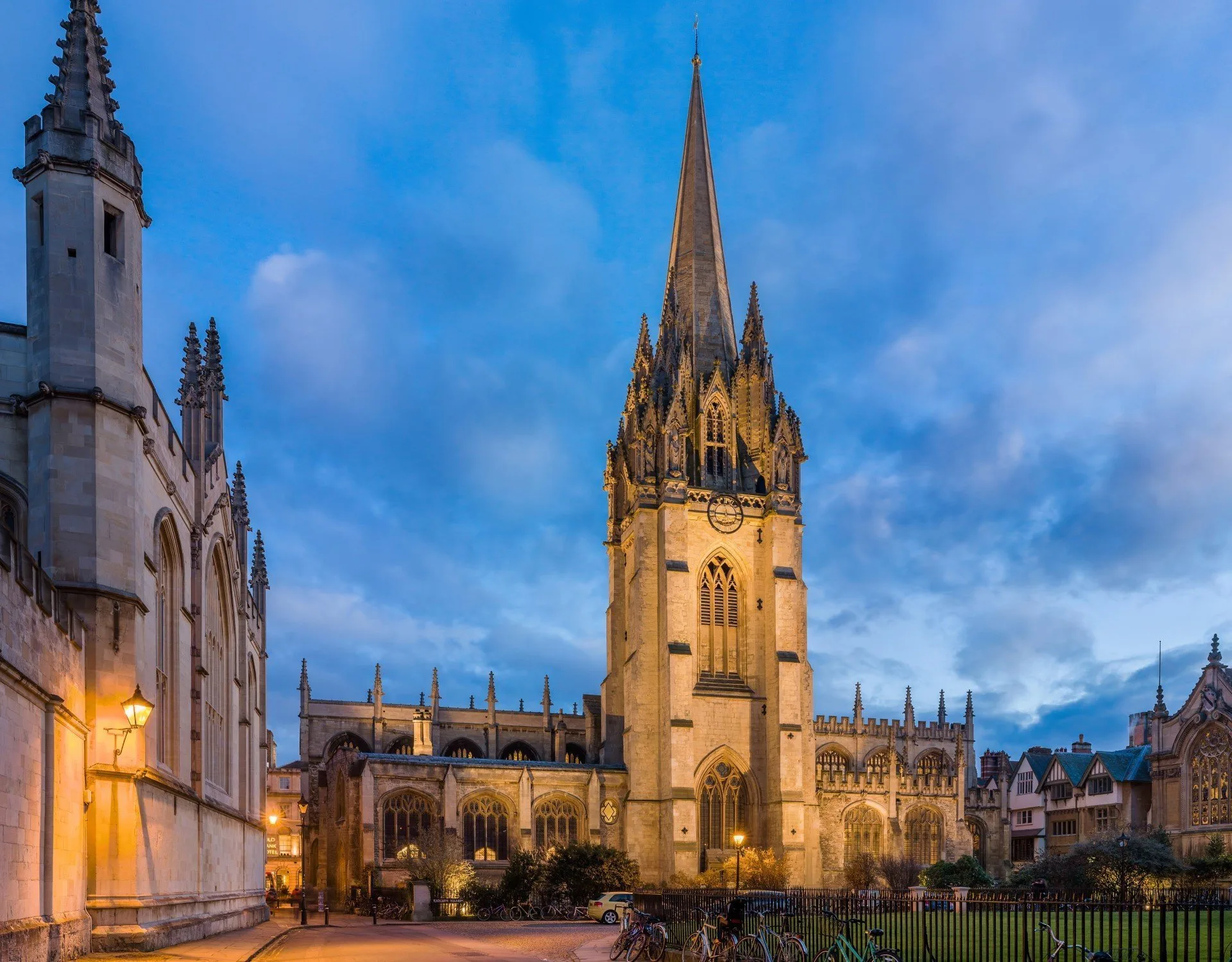
9. University Church of St Mary the Virgin
High Street, Oxford OX1 4BJ
Open on Saturday 12 September from 9.30am to 6.00pm and Sunday 13 September from 12.00pm to 6.00pm
Standing at the heart of Oxford’s historic centre, the University Church of St Mary the Virgin has played a central role in the life of the University for centuries. The church’s history stretches back to the early medieval period, but much of the present building was developed from the 13th century onwards.
Step inside to discover a richly layered interior featuring medieval architecture, stained glass, monuments and memorials. The ornate 17th-century porch is one of the church’s most distinctive features, while the tower offers spectacular views across Oxford’s historic rooftops.
Outside of Oxford Open Doors, access to the church remains free, but visitors need to purchase a ticket for the tower for an allocated 20-minute period.
Oxford Events
Stage Watch: Avenue Q, White Rabbit Red Rabbit, I’m Every Woman, As You Like It & Tosca

Stage Watch brings together a curated selection of upcoming theatre, musicals, opera and live performance from London and across the broader Oxfordshire region – from returning West End favourites and bold Shakespearean reinventions to experimental theatre and major operatic productions.
This selection moves between the exuberance of musical theatre, the intimacy of a one-off theatrical experiment and the timeless drama of Shakespeare and Puccini. There are puppets and pop anthems, a forest transformed into a festival, and an opera bringing an international cast and the Oxford Philharmonic Orchestra to the New Theatre Oxford. Together, they offer five very different reasons to make a date with the stage this week.
1. Avenue Q
Shaftesbury Theatre, London. Booking until 3 January 2027.
Two decades after first making its mark in the West End, Avenue Q returns to the Shaftesbury Theatre with its gloriously irreverent mix of puppetry, musical comedy and distinctly adult humour.
Fresh out of college and uncertain about what comes next, Princeton arrives on New York’s rundown Avenue Q, where he encounters a colourful collection of neighbours grappling with work, relationships, money and the awkward business of becoming an adult. Beneath the jokes and infectious musical numbers is a surprisingly warm story about finding your place in the world.
The production reunites original Broadway director Jason Moore and original puppet designer Rick Lyon, bringing back the distinctive combination of human performers and puppets that helped make the show a theatrical phenomenon. With music and lyrics by Robert Lopez and Jeff Marx, Avenue Q remains knowingly mischievous while retaining an affection for its flawed, lovable characters.
Best for: Fans of musical comedy, unconventional theatre and shows that are decidedly not aimed at children.
Tips: This is adult-themed musical theatre despite the puppets, with strong language and mature content. The age recommendation is 13+ and running time is approximately 2 hours 15 minutes, including an interval.

2. White Rabbit Red Rabbit
Duchess Theatre, London. Booking until 2 November 2026.
Few theatrical experiences begin with quite this much uncertainty. White Rabbit Red Rabbit, Nassim Soleimanpour’s celebrated theatrical experiment, returns to the West End for its 15th anniversary – and no performer knows exactly what awaits them.
Each performance begins with an unopened envelope containing a script the actor has never seen. There is no rehearsal and no director guiding the action. Instead, the performer encounters the work for the first time alongside the audience, creating a theatrical event that can never quite be repeated.
First performed in 2011 and subsequently translated into more than 30 languages, the play uses its unusual premise to explore obedience, choice, power and freedom of expression. Its origins in contemporary Iran give the experiment a deeper political and philosophical dimension. At the same time, its deliberately unpredictable structure makes the relationship between actor and audience part of the drama itself.
The rotating line-up adds another layer of intrigue, with performers including David Harewood, Mel Giedroyc, Adam Buxton, Christopher Eccleston, Riz Ahmed, Nish Kumar and John Bradley among those taking on the challenge.
Best for: Curious theatre-goers, lovers of experimental performance and anyone looking for something genuinely unpredictable.
Tips: Every performance is different, so the choice of performer can be part of the attraction. The production is recommended for ages 14+ and contains themes that may be unsettling. Running time is approximately 60–70 minutes, without an interval.

3. I’m Every Woman – The Chaka Khan Musical
Troubadour Wembley Park Theatre, London. Booking until 27 September 2026. Save up to 59%.
The extraordinary career of Chaka Khan comes to the stage in I’m Every Woman, a new musical tracing the life, music and resilience of one of popular music’s defining voices.
With 22 albums, 25 chart hits, 70 million records sold and a career spanning five decades, Khan’s story provides plenty of material for a large-scale musical. Alexandra Burke takes on the central role, bringing her own formidable vocal credentials to a production built around songs including I Feel for You, Tell Me Something Good, Ain’t Nobody, Sweet Thing and Through the Fire.
But this is intended to be more than a concert with a narrative attached. The production explores the woman behind the superstar – from her rise to international fame to the personal battles and pressures that accompanied life in the spotlight. Figures including Prince, Stevie Wonder, Joni Mitchell and Steve Winwood also feature in the story, placing Khan within the wider musical landscape she helped shape.
Directed by Racky Plews and choreographed by Ebony Clarke, the production promises a mixture of spectacle, biography and some of the most recognisable music of the past half-century.
Best for: Chaka Khan devotees, soul and R&B fans, and anyone who likes their musical biographies packed with big songs.
Tips: Alexandra Burke does not perform as Chaka Khan at Thursday evening performances, Saturday matinees or the Sunday 23 August performance, when Jordan Frazier takes the role. Running time is approximately 2 hours 40 minutes, including an interval.

4. As You Like It
Globe Theatre, London. Booking until 25 October 2026. Tickets from £6.00. Save up to 44%.
Shakespeare’s Forest of Arden gets a distinctly contemporary makeover in this new As You Like It at the Globe, where the pastoral escape becomes something closer to a euphoric forest festival.
When Rosalind, Celia and their companions flee the restrictive world of the court, they find themselves in a place where conventional rules begin to loosen. In the Forest of Arden, identities shift, relationships flourish, and love becomes considerably less interested in social boundaries.
Co-directed by Sean Holmes and Charlie Josephine, this production promises an As You Like It driven by music, physicality and celebration. The Globe’s famously immediate relationship between actors and audience should lend particular energy to a comedy built around disguise, mistaken identity, desire and self-discovery.
The result is Shakespeare with its sense of playfulness firmly intact – a production that embraces the muddy, unruly spirit of the woods rather than treating Arden as simply a picturesque backdrop.
Best for: Shakespeare newcomers, seasoned Globe audiences and anyone drawn to lively, music-filled productions of the classics.
Tips: Expect a physical and celebratory interpretation rather than a traditional period piece. Running time is currently to be confirmed. Performances run until 25 October.

5. Tosca
New Theatre Oxford. Thursday 24 and Saturday 26 September 2026.
Few operas arrive with a cast quite as formidable as this new production of Puccini’s Tosca, coming to Oxford for just two performances.
Presented by Oxford International Opera, the fully staged production brings together Welsh bass-baritone Sir Bryn Terfel as the ruthless Scarpia and award-winning soprano Carmen Giannattasio as Tosca, with lyric tenor Saimir Pirgu making his UK debut in the role of Cavaradossi.
Set against the political turmoil of Rome, Puccini’s opera combines passion, jealousy, power and betrayal in a drama that moves with almost cinematic intensity. P Burton-Morgan directs a new production designed by Anthony Lamble, bringing the classic story into a modern setting while retaining its emotional force.
The musical forces are equally significant. Marios Papadopoulos conducts the Oxford Philharmonic Orchestra, which becomes an integral voice in the drama alongside the Oxford Philharmonic Choir and an international cast of singers. For Oxford audiences, it represents an unusually ambitious operatic event on home ground – and Terfel’s appearance as Scarpia carries particular significance as his final staged production of Puccini’s Tosca.
Best for: Opera newcomers and devotees alike, particularly those wanting to experience a major international cast with a leading British orchestra.
Tips: With only two performances in Oxford, this is one for the diary rather than the spontaneous theatre trip. The New Theatre hosts the production on Thursday 24 and Saturday 26 September 2026.
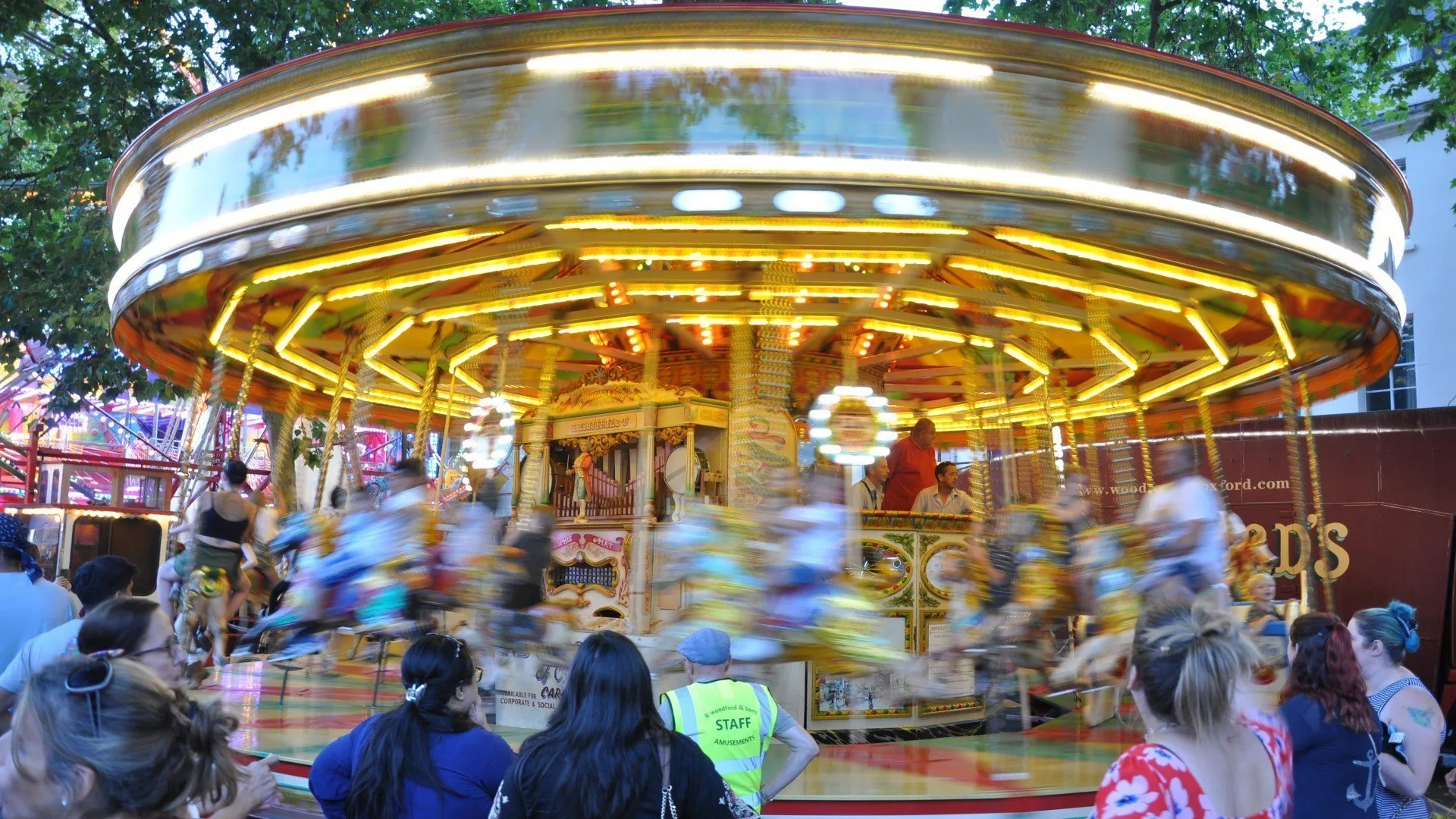
All the funfairs in Oxford and across Oxfordshire
Funfairs have been a fixture of Oxfordshire life for hundreds of years, bringing colour, excitement, and community spirit to our towns.
Oxford’s St Giles’ Fair is perhaps the most famous, dating back to 1625 when it began as a parish festival in honour of St Giles, Oxford’s patron saint.
Today, it still takes over St Giles’ in the city centre each September, drawing crowds for two days of rides, stalls, and celebrations on the Monday and Tuesday following the first Sunday after St Giles’ Day (01 September).
Across the county, many of our traditional fairs have even deeper roots. After the Black Death of 1348–49 created huge labour shortages, towns began hosting hiring fairs — the equivalent of today’s employment agencies and online job websites of their day.
Known as Mop Fairs, these events saw traders, farmers, craftspeople, labourers, and servants gather in search of new employment opportunities. With contracts running from October to October, the fair was a chance to secure your livelihood for the year ahead.
While the purpose has changed, the spirit of these fairs lives on. They remain places to come together, celebrate local tradition, and enjoy unforgettable days of fun.
St Giles’ Fair is one of the most prestigious and long-standing fairs in the country, dating back to 1625 as a parish festival celebrating the feast of St Giles – it is held on the Monday and Tuesday following the first Sunday after St Giles’ Day (01 September). Over the centuries, it has evolved from a toy and children’s fair to a large-scale funfair, drawing huge crowds for two days of traditional rides, games, and festivities each September.
Discover more: All the fun of the fairs

One of Witney’s oldest traditions returns this September! With origins dating back nearly 800 years, the Witney Feast was established to commemorate the rededication of St Mary’s Church. Today, it has become a cherished annual celebration in the town, bringing the community together for a lively celebration of local food, drink, entertainment and family-friendly fun in the heart of Witney.

Don’t miss the annual Thame Fun Fair that transforms Thame’s High Street into a mini theme park with rides, bumper cars and candyfloss for three days in September. Get ready for three days of rides, thrills, treats and family fun as the annual fair lands on the High Street. From dodgems and waltzers to hot dogs and candy floss, there’s something for everyone.

The Abingdon Michaelmas Fair is the longest street fair in Europe, running from Market Place, through the High Street, The Square and the entire length of Ock Street. It takes place annually on the Monday and Tuesday falling first before the 11 October from noon to 11.00pm on both days.
The Abingdon Runaway Fair is a smaller funfair that takes place on the Monday, one week after the Abingdon Michaelmas Fair in October. This hiring fair was held specifically so those hired at the earlier Michaelmas Fair and had found their conditions intolerable could quite literally “run away”, i.e. return back for another try at finding suitable paid work before the winter set in.

The Banbury Michaelmas fair has been a fixture of the life of the town for hundreds of years. The annual attraction will run as a four day event this year including rides, games, food and more, spread across Horsefair, North Bar, Market Place, and Bridge Street in the town centre. The fair will open from 3.00pm to 11.00pm on Wednesday, Thursday, and Friday, and from noon to 9.00pm on the Sunday

September gardening guide: what to do in your garden this September
September marks the start of autumn, and the pace in the garden begins to slow. Yet, it’s far from the end of the show – many late-flowering perennials, climbers and shrubs still put on a colourful display. While some herbaceous perennials and annuals will have finished for the year, others – such as roses and sweet peas – may continue to bloom well into the month, depending on the spring and summer weather.
Dahlias are at their peak, delivering a spectacular late show, while sedums flower reliably at this time, attracting butterflies and pollinators. Roses often bloom until the first frosts, and Rosa rugosa is particularly rewarding – its fragrant blooms give way to large, vibrant hips. Hydrangeas also take centre stage in early autumn, their fading flower heads bringing subtle colour well into winter.
Looking for a handy summary? Click here to expand our quick reference guide for essential September gardening tasks at a glance.
Flowers and pruning
- Deadhead late bloomers such as dahlias, roses, and sweet peas to encourage continued flowering.
- Prune lavender lightly after flowering, avoiding cuts into woody stems.
- Give wisteria its final prune of the year, cutting back long shoots to promote flowering.
- Collect seeds from nasturtiums, violas, rocket, and beans for sowing next year.
Planting and sowing
- Plant daffodils now; wait until October or November for tulips.
- Sow final rocket and salad leaves under a cloche if temperatures are cool.
- Pot up tender herbs like basil, coriander, dill, and mint and bring them indoors before frost.
- Plan and order spring bulb combinations for next year’s displays.
Harvesting and preserving
- Harvest maincrop potatoes and store in hessian sacks in a cool, dark place.
- Lift and cure onions and garlic, then store or braid for winter use.
- Freeze beans and peas after blanching to preserve surplus crops.
- Pick courgettes regularly to encourage production.
- Dry and replenish herb supplies such as oregano, sage, and mint.
Care and protection
- Protect tender plants including pelargoniums, fuchsias, and osteospermums by moving them under glass or indoors.
- Raise pots on feet or bricks to improve drainage and prevent waterlogging over winter.
- Continue watering and feeding tomatoes, reducing as growth slows; thin leaves to aid fruit ripening.
Wildlife and garden environment
- Start feeding birds with fat balls and peanuts to support them through winter.
- Clean and disinfect nest boxes before rehanging for next season.
- Leave some seed heads and leaf litter in the garden to provide food and shelter for wildlife.
Lawn care
- Reseed bare patches on the lawn; cover seeds with netting to protect from birds.
- Lightly rake and feed the lawn to strengthen it before winter.
Planting
Time to think about spring bulbs
Autumn is prime time for planting spring bulbs. Start with daffodils in September, leaving tulips until October or November. The key to long-lasting blooms is correct planting depth – too shallow and they may not flower in future years. A simple rule of thumb is to plant at a depth three to four times the bulb’s height.
Browse bulb catalogues for tempting combinations – it’s hard to resist planning ahead when the promise of spring is only a few months away.
Last chance to sow herbs and salad leaves
In most areas, early September offers the final opportunity to sow rocket and salad mixes. If the weather is cool, use a cloche to encourage germination and growth. Tender herbs such as basil, coriander, dill, and mint should be potted up later in the month and brought under cover before the chill sets in.
Collecting seeds for next year
Late summer into early autumn is ideal for collecting seeds from plants like nasturtiums, violas, rocket, and members of the bean family. Store seeds in labelled packets in a sealed tin somewhere cool and dry – a garage or fridge works well. Avoid moisture, which is the enemy of seed storage, and consider adding a little milk powder to absorb humidity.

Care and maintenance
Last chance to prune wisteria
Early September is your final opportunity to prune wisteria, tying in growth needed for the plant’s framework and cutting back long, whippy shoots to around six buds from the main stems. Pruning twice a year encourages better flowering, and with luck, you may even get a second flush of smaller blooms in August.
Prune lavender for shape
Once flowering finishes, lightly prune lavender into a tidy shape, avoiding cuts into old woody stems, which do not regenerate well. This helps keep plants compact for next year.

Keep deadheading for extended blooms
Continue deadheading late-flowering perennials and annuals – even sweet peas may still be going strong. Removing spent flowers encourages more blooms unless you’re saving seed.
Care for tomatoes
Tomatoes need consistent watering (daily or every other day, depending on the weather) and feeding at least twice a week. As growth slows, gradually reduce watering and feeding. Thin out excess foliage to improve airflow and ripening, and give ripening trusses extra support with soft raffia ties.
Protect tender plants before frost
By late September, frost risk increases. Pelargoniums, fuchsias, and other tender plants can be overwintered under glass in a frost-free spot. Raise pots off the floor to improve air circulation and reduce the risk of grey mould. Taking cuttings from plants like osteospermums, petunias, and marguerites ensures a supply for next year.

Harvesting
The vegetable patch is often overflowing in September, with potatoes, onions, garlic, beans, courgettes, and herbs ready to be picked, stored, or preserved.
- Potatoes – Harvest maincrops this month, dry them thoroughly and store in hessian sacks in a cool, dark place. Avoid plastic, which traps moisture.
- Beans and peas – Freeze well after blanching for 2 minutes and cooling quickly in iced water.
- Onions and garlic – Lift in dry weather, leave to cure, then store in net bags or braid into strings.
- Herbs – Refresh your supply of dried oregano, sage, mint, thyme, and rosemary.

Wildlife and pests
September is a transition month for wildlife in the garden. Begin feeding birds with fat balls and peanuts, clean and disinfect nest boxes before putting them back up, and leave some seed heads for winter foraging. A layer of leaf litter will help shelter beneficial insects over winter.

Other garden tasks for September
Raise pots on pot feet or bricks to prevent waterlogging during wetter months. If your lawn has bare patches, autumn is an ideal time to re-seed – the soil is warm and damp, giving excellent germination. Cover seeded areas with netting to deter birds.



-

 Oxford News4 weeks ago
Train cancellation alert amid ‘fault’ near London Paddington
-

 Oxford News3 weeks ago
Museum evacuated and Oxford University closed amid incident
-

 Business & Technology4 weeks ago
Currys rolls out NiCE software to unify customer service
-

 Business & Technology3 weeks ago
Love Island unknowns outshine influencers in growth
-

 Business & Technology3 weeks ago
Apprentices say AI is reshaping tech skills demand
-

 Oxford Events4 weeks ago
Wilderness Festival 2026: four days of music, food, art and wild escapism
-

 Oxford News4 weeks ago
Oxford’s iconic shark in roof celebrates 40th anniversary
-

 Oxford News2 weeks ago
Richard Hammond takes control of classic car company