
Oxford News
Oxfordshire Lib Dems lose control as politician leaves UK

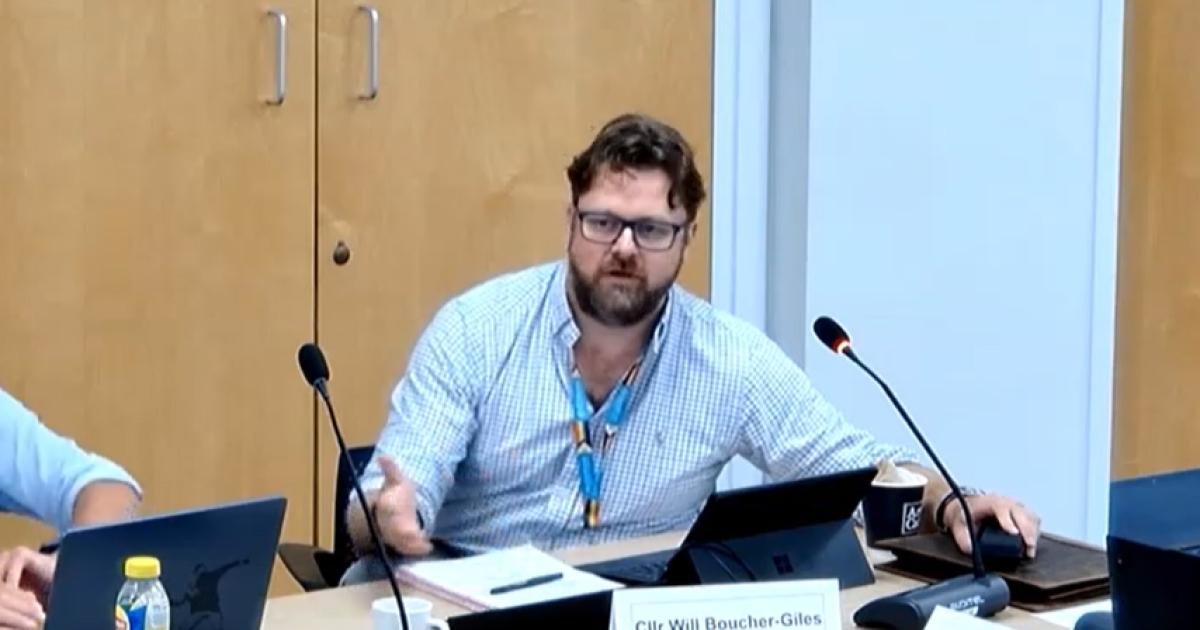
On July 16, Will Boucher-Giles stepped down from the authority, leaving the Lib Dem administration without a majority on the council weeks after it had regained control.
The former representative for Chesterton and Launton has left his role “due to a family move to Switzerland”, a Lib Dem spokesperson has confirmed.
The party will continue to run the county council in a minority as they did after councillors Ben Higgins and Nick Cotter left the party in quick succession – this could mean it will have to seek support from other parties to pass its policies.
Mr Higgins has since re-joined the Lib Dems, restoring its majority for just under a month until Mr Boucher-Giles’ departure.

Lib Dem council leader Tim Bearder had said Mr Higgins’ return was “providing stability so that we can get on with the job” of running the county.
On the latest departure, Conservative county leader and West Oxfordshire councillor Liam Walker said: “Oxfordshire deserves better than the chaos we’ve seen over recent months.
“Most importantly, the residents of the Chesterton and Launton division deserve strong, consistent representation.
“Instead, they’ve been taken for granted by the Liberal Democrats.”
A by-election is set to take place, and a party spokesperson said the Oxfordshire Lib Dems hope to take back their majority at the county council with “an opportunity to campaign on their record, which includes delivering safer roads in local villages and record investment in county council services”.
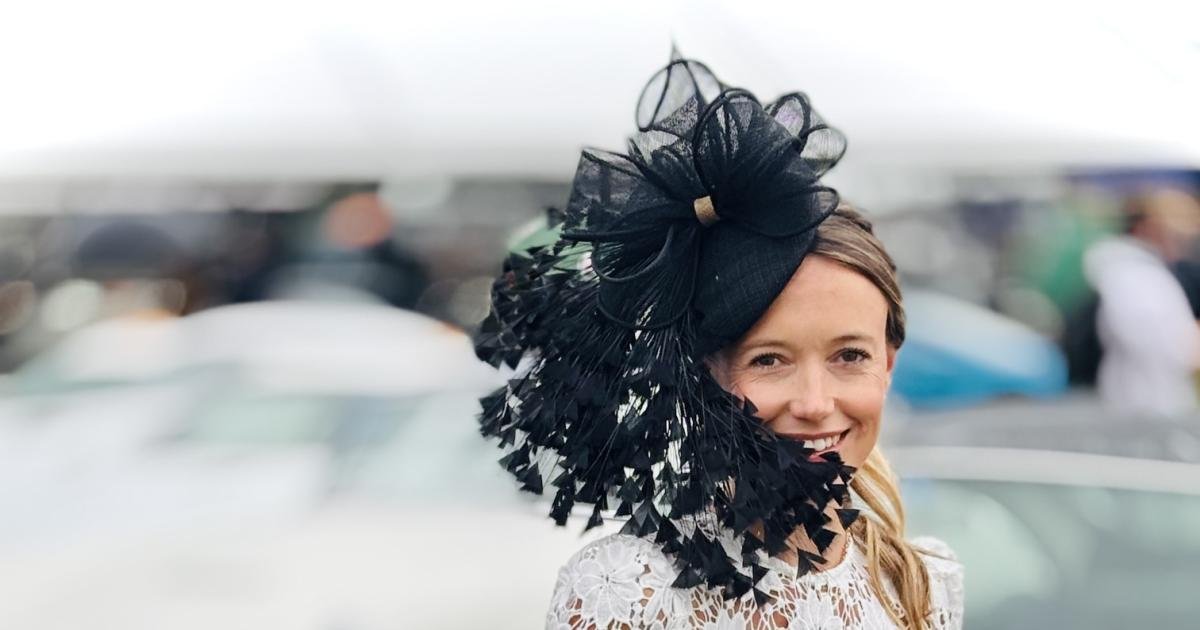
On Wednesday, September 2, it was the Concours judging and private viewings to dominate the agenda for the day.
Twelve Concours classes were held across almost a century of motoring, including The Golden Age of Motoring, 100 Years of Carrrozzeria Touring, La Dolce Vita, 60 Years of the Lamborghini Miura and Passione Ferrari.
Two new classes also made their debut for 2026, Rare Breeds of the Digital Age and Hypercar Heaven, which recognise the growing importance of contemporary performance cars within the international collector market.
Judging will take place across Wednesday and Thursday, with the show field bringing together a 70-strong collection of classics, supercars and hypercars from around the world.
Some of the cars include Aa Maserati 8C 3000, Alfa Romeo Sprint Berlinetta, a one-off Maserati 3500GT Spyder Prototipo by Vignale, a very early Porsche 356 Split Window Coupé, Aston Martin DB3S, Lamborghini Miura P400S, Bizzarrini 5300GT, Ferrari 250 GT Series 1 Cabriolet, Bugatti EB110 Prototype, Aston Martin Valiant Prototype and the extraordinary Bugatti Bolide, one of just 40 produced worldwide.

Helen Pike has decided to step down as Master of Magdalen College School at the end of the 2026/27 academic year, the school in east Oxford announced in March.
MCS is one of the top performing schools in the country, ranking in the top 20 independent secondary schools in The Sunday Times Parent Power Schools Guide 2026.
READ MORE: UK private school headteacher to leave after 11 years
The new academic year will start next week, with Ms Pike preparing for one more year in charge before she hands over to her successor, who will take over in September 2027.
The first female Master at MCS, Ms Pike guided the board of governors to one of the most significant decisions in the school’s history, to become fully co-educational from 2027.
While there has been a co-educational sixth form at the school for 15 years, the school last month announced it will become fully co-educational over the coming decade.

Ms Pike said earlier: “I love MCS, and it is a perennial privilege to lead this remarkable school.
“Being Master of MCS is a brilliant job, and I am declaring my intention early in order to give MCS the very best opportunity to find the right Master for September 2027. I shall continue to do all in my power to further the fortunes of this wonderful school until then.
“I look forward to a new phase in my own professional life, one that builds on all that I have enjoyed and achieved in my career during the past 30 years.
“Having encouraged many cohorts of pupils to take sensible risks and to do something creative and different when the time feels right, I am doing just that.”

During Ms Pike’s tenure, MCS has been recognised as a Top 20 Independent School and South East School of the Year by the Sunday Times and won Independent School of the Year for Social Mobility.
Thanking her in his letter to the school community, chair of governors, Bob Price, said earlier this year: “Helen is an outstanding leader and will go with our sincere gratitude and warm thanks for her exceptional headship.
“She will leave the school in excellent shape for her successor.”
Recruitment for a replacement for Ms Pike is now under way.
Last month, Ms Pike congratulated pupils on their “outstanding success” in this year’s A-Level exams, after more than a quarter of pupils (43) achieved three A*s or more and 25 secured all A*s.
In total, 39 pupils from the 2026 cohort are heading to Oxbridge, while 22 have secured places to study medicine.

As part of the school’s expansion plans, MCS is preparing to build a new Science, Library and Partnerships building.
A spokeswoman said the new building will offer an exciting opportunity to reimagine the senior school site as staff look ahead to full co-education.
She added earlier: “With a vision to create a sector-leading science building in the centre of Oxford, the development will enable us to support an ambitious and forward-looking science curriculum, expanding to the emerging and rapidly advancing areas of robotics, AI and Big Data.”
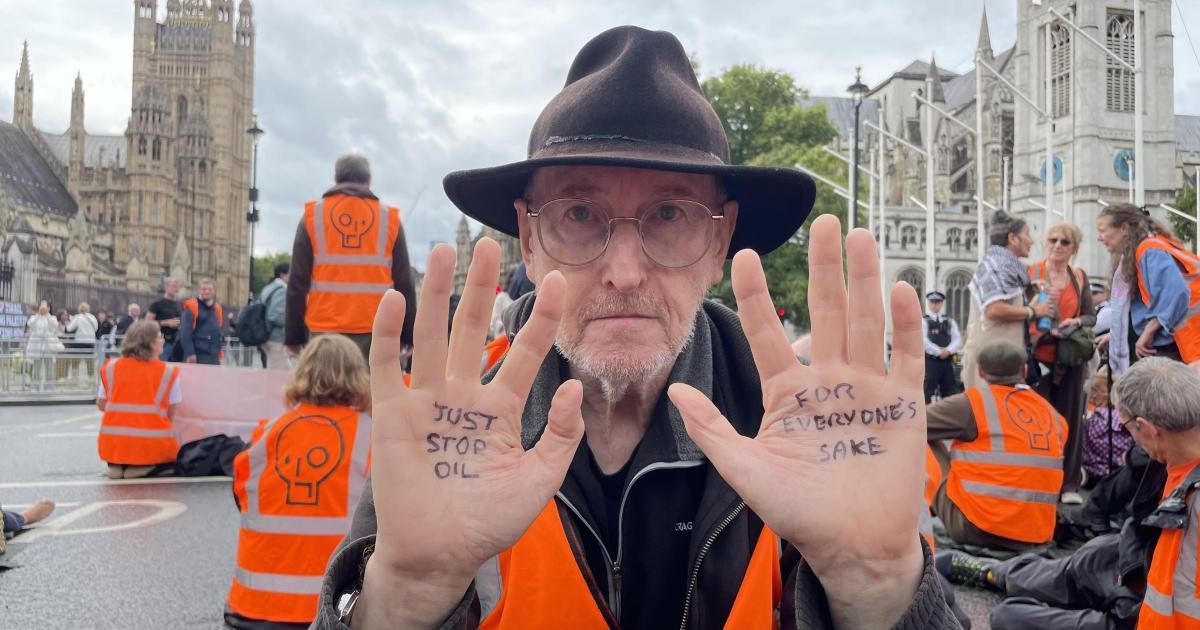
Holding banners which read ‘For f**k’s sake, just stop oil’, the demonstrators took to the road in Parliament Square at noon today (Wednesday, September 2).
This was as Andy Burnham faced his first Prime Minister’s Questions, and many of the protestors glued themselves to the road.
The group demanded that the UK government stop approving all further oil and gas developments, and sign a Fossil Fuel Treaty to stop oil and gas extraction.
READ MORE: Witney firefighters called out to over 50 incidents in one month

Just Stop Oil say that the police are expected to arrest all those blocking the road, and that one lane has been left free of glued-on action takers to permit access for emergency vehicles.
Andy Burnham is due to make a decision on whether to allow more drilling for oil and gas in the North Sea.
Reverend James Crote, a Baptist Minister and grandfather from Chesterton near Bicester, said: “Today is my grandson’s first birthday. I have to take action for the sake of his future.
The 69-year-old added: “The government has been dilly-dallying about whether to say yes or no to the Rosebank oil field but, if we want a future for our children, there is no choice – it has to say ‘no’.
READ MORE: Chain closes almost 200 UK restaurants with close to 4,000 jobs lost

“I am here as a Christian Minister because the Church has to speak out and demand that the government stops approving further oil and gas developments now. It’s time for us all to say ‘For God’s sake, Just Stop Oil’.”
Data from the Met Office indicates that 2026 was the hottest summer in UK recorded history, beating 2025, which was the previous hottest summer on record.
2026 was also one of the driest summers on record, delivering record-low food harvests.
Climbing temperatures have triggered wildfires across the country, and national fire chiefs said the wildfire risk facing the UK is “like nothing we have seen before”.
READ MORE: Broadchurch star selling £1.8m ‘magical’ Cotswolds mill house after 60 years

Taking action, grandmother Victoria Ann Lynch-Staunton from Leamington Spa, said: “What is happening is beyond a tragedy.”
The 71-year-old added: “I beg everyone to join Just Stop Oil or governments will continue to prioritise endless growth and corporate profit over billions of lives – yours and your children.
“Wake up and smell the coffin. It is the responsibility of all of us to act now!”
A Just Stop Oil spokesperson said today: “We are all Just Stop Oil.
READ MORE: The Grand Tour returns to screens with brand new trio this week

“Every single person who fears deadly wildfires, devastating droughts, and spiralling food shortages is Just Stop Oil.
“The first duty of government is to keep the public safe – but by greenlighting oil and gas drilling, they endanger our survival while corporates and billionaires laugh their way to the bank.
“Every one of us feels alone and powerless in the face of this insanity, but we know there is massive political and public support for our demand.
“So we’re inviting everyone to join us at an online call on 3rd October 2026 – because it’s when we work together that we are powerful and win.”


Mark Harris amongst Oxford United goals in League One revival

Jamie Cumming injury update issued after Oxford United thrash Foxes

Air traffic control issue causes flight delays and disruption across UK | Airline industry
-

 Oxford News4 weeks ago
Train cancellation alert amid ‘fault’ near London Paddington
-

 Oxford News4 weeks ago
Museum evacuated and Oxford University closed amid incident
-

 Business & Technology4 weeks ago
Currys rolls out NiCE software to unify customer service
-

 Business & Technology3 weeks ago
Apprentices say AI is reshaping tech skills demand
-

 Oxford Events4 weeks ago
Wilderness Festival 2026: four days of music, food, art and wild escapism
-

 Business & Technology4 weeks ago
Love Island unknowns outshine influencers in growth
-

 Oxford News2 weeks ago
Richard Hammond takes control of classic car company
-
 Oxford News4 weeks ago
Oxford’s iconic shark in roof celebrates 40th anniversary