
Oxford News
World Happiness Report 2026 shows a complex global picture of social media and happiness


Life evaluations among under 25s in the United States, Canada, Australia and New Zealand have dropped dramatically (by almost one point on a 0-10 scale) over the past decade, while the average for the young in the rest of the world has increased, according to Gallup World Poll data.
One international survey of 15-year-olds in nearly 50 countries suggests heavy social media use is associated, on average, with a significant drop in wellbeing among the students surveyed, though any effect is highly dependent on the type of social media platform being used, how it is used, as well as demographic factors such as gender and socio-economic status.
The global evidence makes clear that the links between social media use and our wellbeing heavily depend on what platforms we’re using, who’s using them and how, as well as for how long. Heavy usage is associated with much lower wellbeing, but those deliberately off social media also appear to be missing out on some positive effects. Beyond the complexity, it is clear that we should look as much as possible to put the ‘social’ back into social media.
Jan-Emmanuel De Neve, Director, Wellbeing Research Centre
Other factors, such as social connections and a sense of belonging, are associated with much bigger changes in how respondents feel about their lives.
Young people who use social media for less than one hour per day report the highest levels of wellbeing – higher than those who do not use social media at all. But adolescents are, by one estimate, spending an average of 2.5 hours a day on social media.
The findings are published today ahead of the UN’s International Day of Happiness. The rankings are powered by Gallup World Poll data and other sources, and analysed by an international team of leading experts in wellbeing science.
Contributors include the psychologist Jonathan Haidt, author of The Anxious Generation, generational differences expert Jean Twenge, and Nudge co-author Cass Sunstein.
The evidence describes a complex global picture at a time when many countries are seeking to implement greater legislative protections for under-16s online.
Further key findings published in World Happiness Report 2026 include:
-
Despite similar levels of social media use compared to other countries, the largest drops in wellbeing among young people are observed in English-speaking countries, in particular in the United States, Canada, Australia and New Zealand.
-
An association between social media and reduced wellbeing is found in multiple sources including surveys, cross-sectional and longitudinal studies, and natural experiments …
-
… but there is considerable variation in the interpretation of evidence by professional science organisations, including differences in citation accuracy, contextual detail, acknowledgement of limitations, and conclusion strength.
-
Platforms driven by algorithmically curated content tend to demonstrate a negative association with wellbeing, yet those designed to facilitate social connections show a clear positive association with happiness.
-
Social media creates a standard collective action problem – if social media channels exist, people lose out by not joining, but most people agree they would be better off if they did not exist.
The 14th edition of the World Happiness Report also contains a ranking of the world’s happiest countries:
Finland leads the world in happiness for a record ninth year in a row, with Finns reporting an average score of 7.764 (out of 10) when asked to evaluate their lives.
Costa Rica (4th) climbs to its best-ever position, continuing a multi-year rise from a low of 23rd in 2023, while former table-topper Switzerland (10th) re-enters the top 10 after a one-year absence.
Continued upward trends for countries such as Kosovo (16th), Slovenia (18th) and Czechia (20th) underline the convergence of happiness levels between Central and Eastern Europe, and Western Europe.
The 2026 rankings mark the second year in a row that none of the English-speaking countries, New Zealand (11th), Ireland (13th), Australia (15th), United States (23rd), Canada (25th), and the UK (29th) appear in the top 10, with only half in the top 20. Nations in or near zones of major conflict remain at the foot of the rankings.
Rankings are based on a three-year average of each population’s average assessment of their quality of life. Experts then seek to account for the variations across countries and over time using factors such as GDP per capita, healthy life expectancy, having someone to count on, a sense of freedom, generosity and perceptions of corruption.
These factors help to explain the differences across nations, while the rankings themselves are based solely on the answers people give when asked to rate their own lives.
Jan-Emmanuel De Neve, Director of Oxford’s Wellbeing Research Centre, Professor of Economics at the University of Oxford, and an editor of the World Happiness Report, said: ‘The global evidence makes clear that the links between social media use and our wellbeing heavily depend on what platforms we’re using, who’s using them and how, as well as for how long. Heavy usage is associated with much lower wellbeing, but those deliberately off social media also appear to be missing out on some positive effects. Beyond the complexity, it is clear that we should look as much as possible to put the ‘social’ back into social media.’
Read the report in full at worldhappiness.report, and explore the data at data.worldhappiness.report.
For more information about this story or republishing this content, please contact [email protected]
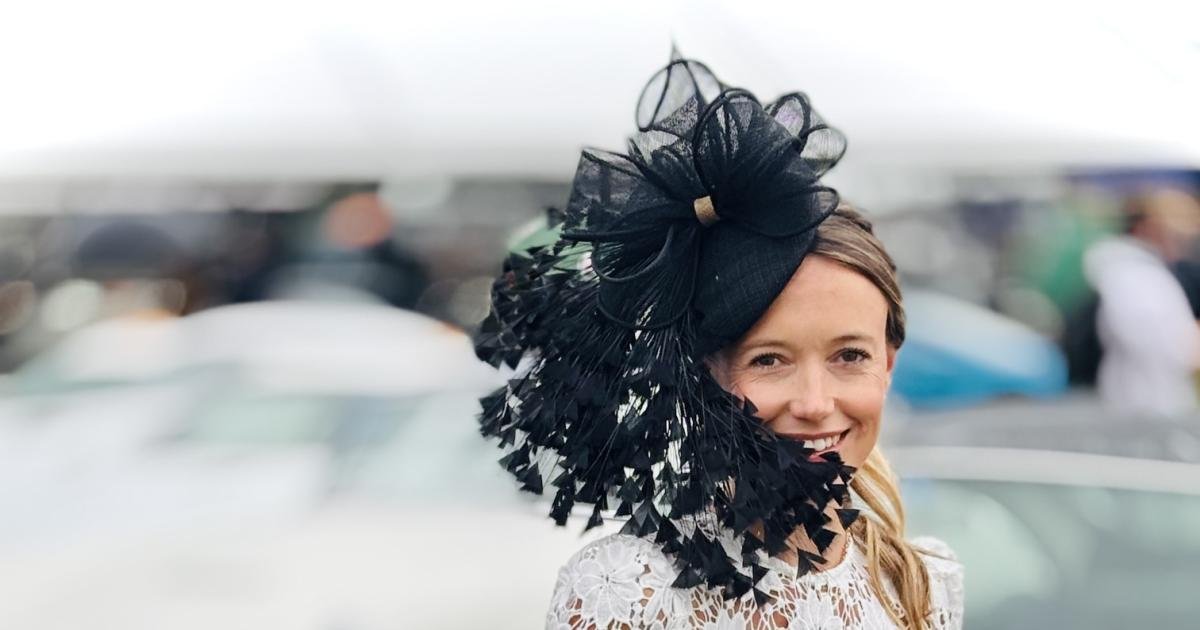
On Wednesday, September 2, it was the Concours judging and private viewings to dominate the agenda for the day.
Twelve Concours classes were held across almost a century of motoring, including The Golden Age of Motoring, 100 Years of Carrrozzeria Touring, La Dolce Vita, 60 Years of the Lamborghini Miura and Passione Ferrari.
Two new classes also made their debut for 2026, Rare Breeds of the Digital Age and Hypercar Heaven, which recognise the growing importance of contemporary performance cars within the international collector market.
Judging will take place across Wednesday and Thursday, with the show field bringing together a 70-strong collection of classics, supercars and hypercars from around the world.
Some of the cars include Aa Maserati 8C 3000, Alfa Romeo Sprint Berlinetta, a one-off Maserati 3500GT Spyder Prototipo by Vignale, a very early Porsche 356 Split Window Coupé, Aston Martin DB3S, Lamborghini Miura P400S, Bizzarrini 5300GT, Ferrari 250 GT Series 1 Cabriolet, Bugatti EB110 Prototype, Aston Martin Valiant Prototype and the extraordinary Bugatti Bolide, one of just 40 produced worldwide.
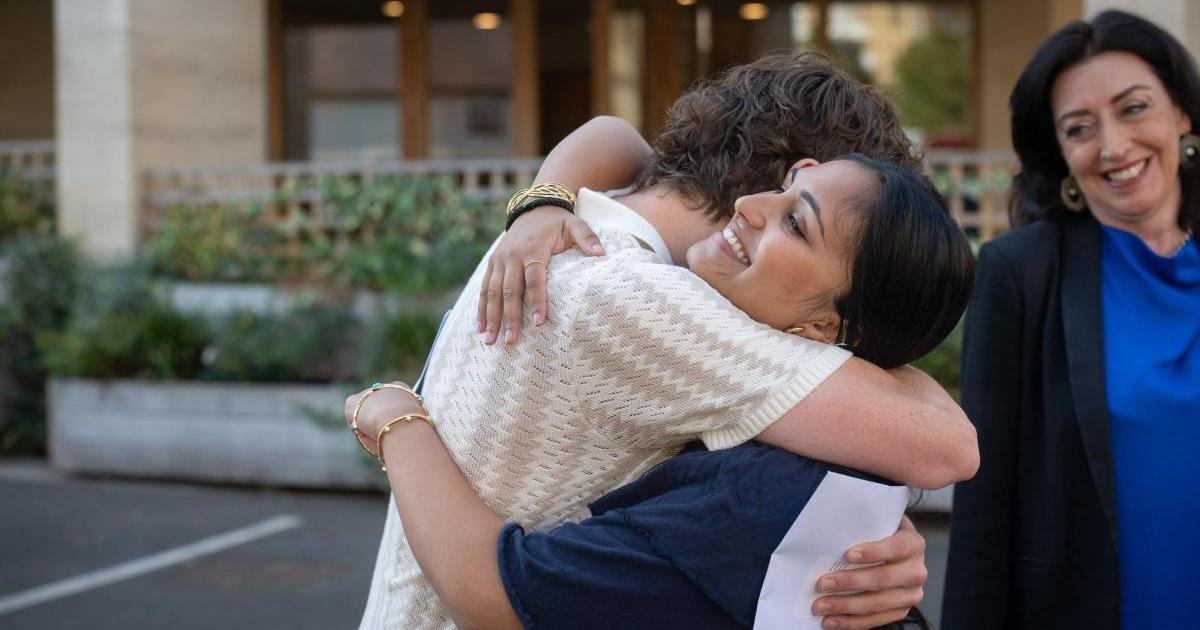
Helen Pike has decided to step down as Master of Magdalen College School at the end of the 2026/27 academic year, the school in east Oxford announced in March.
MCS is one of the top performing schools in the country, ranking in the top 20 independent secondary schools in The Sunday Times Parent Power Schools Guide 2026.
READ MORE: UK private school headteacher to leave after 11 years
The new academic year will start next week, with Ms Pike preparing for one more year in charge before she hands over to her successor, who will take over in September 2027.
The first female Master at MCS, Ms Pike guided the board of governors to one of the most significant decisions in the school’s history, to become fully co-educational from 2027.
While there has been a co-educational sixth form at the school for 15 years, the school last month announced it will become fully co-educational over the coming decade.

Ms Pike said earlier: “I love MCS, and it is a perennial privilege to lead this remarkable school.
“Being Master of MCS is a brilliant job, and I am declaring my intention early in order to give MCS the very best opportunity to find the right Master for September 2027. I shall continue to do all in my power to further the fortunes of this wonderful school until then.
“I look forward to a new phase in my own professional life, one that builds on all that I have enjoyed and achieved in my career during the past 30 years.
“Having encouraged many cohorts of pupils to take sensible risks and to do something creative and different when the time feels right, I am doing just that.”

During Ms Pike’s tenure, MCS has been recognised as a Top 20 Independent School and South East School of the Year by the Sunday Times and won Independent School of the Year for Social Mobility.
Thanking her in his letter to the school community, chair of governors, Bob Price, said earlier this year: “Helen is an outstanding leader and will go with our sincere gratitude and warm thanks for her exceptional headship.
“She will leave the school in excellent shape for her successor.”
Recruitment for a replacement for Ms Pike is now under way.
Last month, Ms Pike congratulated pupils on their “outstanding success” in this year’s A-Level exams, after more than a quarter of pupils (43) achieved three A*s or more and 25 secured all A*s.
In total, 39 pupils from the 2026 cohort are heading to Oxbridge, while 22 have secured places to study medicine.

As part of the school’s expansion plans, MCS is preparing to build a new Science, Library and Partnerships building.
A spokeswoman said the new building will offer an exciting opportunity to reimagine the senior school site as staff look ahead to full co-education.
She added earlier: “With a vision to create a sector-leading science building in the centre of Oxford, the development will enable us to support an ambitious and forward-looking science curriculum, expanding to the emerging and rapidly advancing areas of robotics, AI and Big Data.”
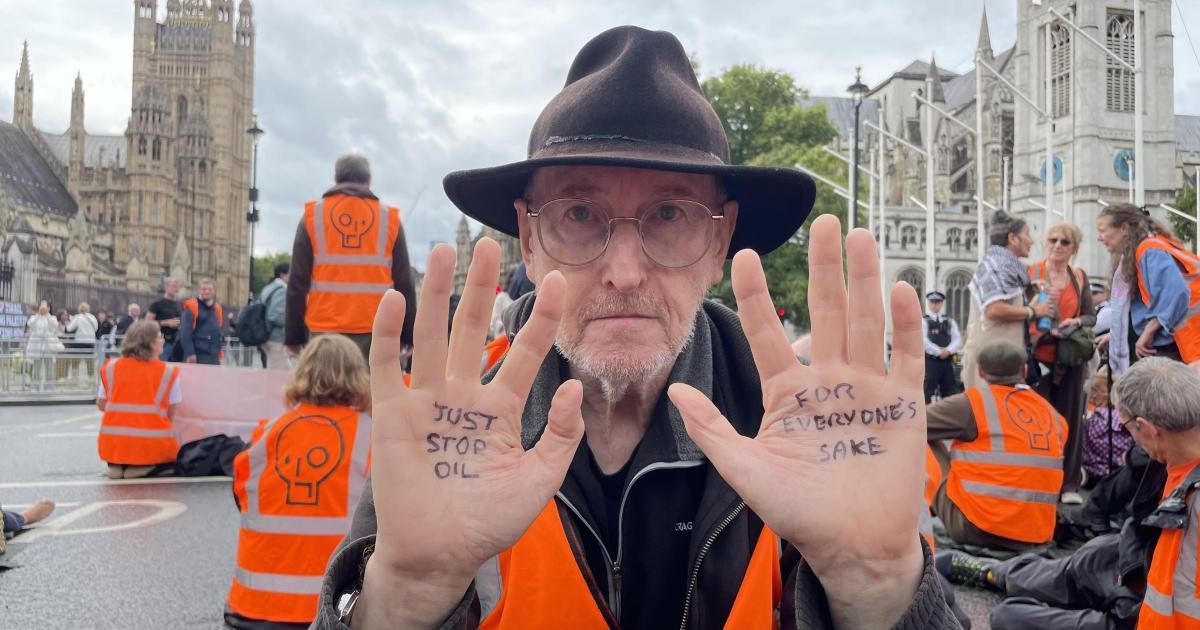
Holding banners which read ‘For f**k’s sake, just stop oil’, the demonstrators took to the road in Parliament Square at noon today (Wednesday, September 2).
This was as Andy Burnham faced his first Prime Minister’s Questions, and many of the protestors glued themselves to the road.
The group demanded that the UK government stop approving all further oil and gas developments, and sign a Fossil Fuel Treaty to stop oil and gas extraction.
READ MORE: Witney firefighters called out to over 50 incidents in one month

Just Stop Oil say that the police are expected to arrest all those blocking the road, and that one lane has been left free of glued-on action takers to permit access for emergency vehicles.
Andy Burnham is due to make a decision on whether to allow more drilling for oil and gas in the North Sea.
Reverend James Crote, a Baptist Minister and grandfather from Chesterton near Bicester, said: “Today is my grandson’s first birthday. I have to take action for the sake of his future.
The 69-year-old added: “The government has been dilly-dallying about whether to say yes or no to the Rosebank oil field but, if we want a future for our children, there is no choice – it has to say ‘no’.
READ MORE: Chain closes almost 200 UK restaurants with close to 4,000 jobs lost

“I am here as a Christian Minister because the Church has to speak out and demand that the government stops approving further oil and gas developments now. It’s time for us all to say ‘For God’s sake, Just Stop Oil’.”
Data from the Met Office indicates that 2026 was the hottest summer in UK recorded history, beating 2025, which was the previous hottest summer on record.
2026 was also one of the driest summers on record, delivering record-low food harvests.
Climbing temperatures have triggered wildfires across the country, and national fire chiefs said the wildfire risk facing the UK is “like nothing we have seen before”.
READ MORE: Broadchurch star selling £1.8m ‘magical’ Cotswolds mill house after 60 years

Taking action, grandmother Victoria Ann Lynch-Staunton from Leamington Spa, said: “What is happening is beyond a tragedy.”
The 71-year-old added: “I beg everyone to join Just Stop Oil or governments will continue to prioritise endless growth and corporate profit over billions of lives – yours and your children.
“Wake up and smell the coffin. It is the responsibility of all of us to act now!”
A Just Stop Oil spokesperson said today: “We are all Just Stop Oil.
READ MORE: The Grand Tour returns to screens with brand new trio this week

“Every single person who fears deadly wildfires, devastating droughts, and spiralling food shortages is Just Stop Oil.
“The first duty of government is to keep the public safe – but by greenlighting oil and gas drilling, they endanger our survival while corporates and billionaires laugh their way to the bank.
“Every one of us feels alone and powerless in the face of this insanity, but we know there is massive political and public support for our demand.
“So we’re inviting everyone to join us at an online call on 3rd October 2026 – because it’s when we work together that we are powerful and win.”



-

 Oxford News3 weeks ago
Richard Hammond takes control of classic car company
-

 Business & Technology4 weeks ago
Apprentices say AI is reshaping tech skills demand
-

 Oxford News4 weeks ago
Royal Mail customer notice to anyone writing addresses by hand
-

 Oxford Events3 weeks ago
Stage Watch: Now You See Me, Comedy About Spies, Standard Of Living, Every Woman & Silence of Lambs
-

 Business & Technology4 weeks ago
UK flight school collapsed into liquidation
-

 Oxford Events3 weeks ago
What’s on in Oxfordshire this September
-
 Oxford Events3 weeks ago
Supercar invasion: Salon Privé 2026 to bring a slew of UK automotive debuts
-
 Oxford News3 weeks ago
King Charles applauded as Dragons’ Den star among 26 to lose MBE