
Oxford Events
Stage Watch: Totoro, Cherry Orchard, Now You See Me, Midsomer Murders & Legally Blonde


Welcome to your round-up of unmissable West End and touring theatre.
Whether you’re seeking dazzling puppetry, timeless classics, mind-bending illusions, suspenseful mysteries, or uplifting musicals, there’s something for every theatre lover. In this edition of Stage Watch, we highlight the must-see shows, share tips for getting the best experience, and help you plan unforgettable nights out on stage.
My Neighbour Totoro
Gillian Lynne Theatre, London. Until August 2026. Save up to 41%
Save up to 41% on tickets to My Neighbour Totoro, a breathtaking stage adaptation of Studio Ghibli’s beloved animated classic. This Olivier Award-winning production dazzles with magical puppetry and storytelling that brings childhood wonder, imagination, and family love to life. Directed by Phelim McDermott and adapted by Tom Morton-Smith, the production combines creativity and technical mastery, including intricate puppetry by Basil Twist and Mervyn Millar, to deliver an immersive and enchanting theatrical experience for audiences of all ages.
From 10 March 2026, Helen Chong joins the cast as Satsuki, marking her West End principal debut. The RSC and Executive Producer Joe Hisaishi ensure the magic remains faithful to the film. With its stunning visuals, multi-award acclaim, and captivating performances, this is a rare opportunity to experience Totoro live. Don’t miss your chance to see this unforgettable show in London before it leaves the West End this summer.
Best for: Families, animation enthusiasts, theatre lovers, and fans of Studio Ghibli.
Tips: Book early for weekend seats; younger audiences will be mesmerised by the puppetry.

The Cherry Orchard
Harold Pinter Theatre, London. 03 October 2026 to 09 January 2027
Anton Chekhov’s final masterpiece, The Cherry Orchard, comes to the West End starring Kristin Scott Thomas as Lyubov Ranevskaya. Directed by Olivier and Tony Award-nominated Ian Rickson and adapted by Conor McPherson, this production explores love, loss, and the inevitable passage of time. Produced by Sonia Friedman Productions, it blends Chekhov’s humour and pathos with contemporary theatrical craft, creating a poignant and immersive experience that highlights the delicacy, vulnerability, and complexity of both the characters and their world.
Kristin Scott Thomas’s return adds star power and depth, drawing audiences into a rich, emotional landscape. The show portrays a family on the brink of irreversible change, offering insight into nostalgia, identity and letting go. With a strictly limited season, this moving production promises to resonate long after the curtain falls, leaving viewers to reflect on the transience of life and the beauty of human connections captured through Chekhov’s timeless storytelling.
Best for: Classic theatre enthusiasts, fans of Kristin Scott Thomas, lovers of Chekhov.
Tips: Midweek performances offer a more intimate experience.

Now You See Me Live
London Coliseum. From 31 July 2026
Inspired by Lionsgate’s blockbuster films, Now You See Me Live brings high-tech illusions, daring solo stunts, and jaw-dropping spectacles to the stage for the first time in London. Produced by the team behind The Illusionists, four world-class illusionists perform as The Horsemen, recreating the cinematic magic in a live format. Every trick blends technology, skill, and theatrical flair to amaze audiences, delivering a visually thrilling immersive experience that blurs the line between reality and illusion with every act.
During a strictly limited five-week summer season at the iconic London Coliseum, audiences can expect never-before-seen feats of wonder, intricate group illusions, and solo stunts that leave spectators spellbound. With performers experienced on Broadway, Las Vegas, and international tours, the show promises a thrilling spectacle for families, fans of magic, and anyone seeking a visually stunning night out. Prepare to question what’s possible and witness illusions that defy imagination.
Best for: Magic fans, families, and visually spectacular nights out.
Tips: Close-to-stage seats offer the best views of intricate illusions.

Midsomer Murders: The Killings at Badger’s Drift
New Theatre Oxford. 29 April to 02 May 2026
Step into England’s deadliest county with the theatrical world premiere of Midsomer Murders: The Killings at Badger’s Drift. When Emily Simpson is found dead, DCI Tom Barnaby and Sergeant Gavin Troy investigate a web of secrets, rivalries, and hidden passions. With eccentric villagers, shocking twists, and a classic whodunnit structure, the show captures the charm, suspense, and dark humour of the TV series while offering the immediacy and intimacy of live theatre, keeping audiences on the edge of their seats throughout the performance.
Daniel Casey, who originated the role of Sergeant Troy on ITV, returns to play Inspector Barnaby, bringing authenticity and depth to the role. Written and directed by Guy Unsworth, this adaptation of Caroline Graham’s novel immerses audiences in mystery, intrigue, and drama, blending suspense with moments of levity. Fans of crime drama and live theatre alike will enjoy a gripping, atmospheric evening in the English countryside without leaving the city.
Best for: Crime and mystery fans, TV series devotees.
Tips: Arrive early to spot clues and red herrings; great for suspense lovers.

Legally Blonde: The Musical
New Theatre Oxford. 26 May to 30 May 2026
Legally Blonde: The Musical returns with a sparkling new production of the West End and Broadway hit. Based on Reese Witherspoon’s film, Elle Woods transforms from a fashion-focused It girl to a confident legal mind at Harvard. With catchy musical numbers, witty humour, and a story of self-discovery and empowerment, Elle’s journey celebrates staying true to yourself while pursuing dreams. Directed by Nikolai Foster, the creative mind behind Kinky Boots, this high-energy production promises laughter, heart, and memorable choreography.
Ideal for friends, families, and musical theatre enthusiasts, the show combines fun, romance, and uplifting moments. From the iconic “bend and snap” to show-stopping numbers, audiences are invited to sing along, dance, and laugh in Elle’s vibrant world. With a limited season, this feel-good, empowering musical is perfect for a night out full of energy and optimism, leaving theatre-goers inspired, entertained, and thoroughly charmed.
Best for: Musical theatre fans, rom-com lovers.
Tips: Saturday matinees are perfect for a relaxed outing; great for groups.
Oxford Events
The Art of White: Salon Privé’s extraordinary collection of white automotive icons coming to Blenheim Palace

There are few colours in the automotive world that carry the same sense of elegance, purity and understated confidence as white.
From the crisp simplicity of a classic grand tourer to the futuristic presence of a modern hypercar, white has long been chosen by designers and collectors seeking to highlight the shape, craftsmanship and character of an exceptional automobile.
This September, that enduring appeal will take centre stage at Salon Privé 2026 at Blenheim Palace, where a specially curated White Collection will bring together some of the world’s rarest and most significant cars.
Displayed throughout the five-day event, the collection will feature 20 automotive masterpieces finished in an extraordinary spectrum of whites — from classic ivory and subtle eggshell tones to deep pearl finishes that reveal their character under changing light.
Rather than focusing on a single marque or era, the collection celebrates the diversity of automotive design across more than seven decades. The line-up spans from 1955 to 2026, bringing together historic icons, collector rarities and cutting-edge performance cars that share a common visual language.
Among the first vehicles revealed are some of the most celebrated names in motoring: the legendary Lamborghini Miura, the technologically groundbreaking Bugatti Veyron, the rare Lexus LFA, and the Aston Martin Valiant Prototype. Further examples from Ferrari, Auto Union and Radford add even greater variety to a collection designed to reward both enthusiasts and casual admirers.
The result is less a traditional car display and more a study in automotive design — showing how a single colour can transform the personality of very different machines.
The White Collection forms part of Salon Privé’s 21st anniversary celebrations, with the 2026 event continuing its tradition of combining world-class motoring with the elegance of an English garden setting.
Alongside the new display, this year’s Concours will celebrate some of the most significant chapters in automotive history, including 60 years of the Lamborghini Miura, 80 years of Bristol Motor Cars, 100 years of Touring design, early air-cooled Porsche icons, Ferrari, supercars and hypercars.
With many of the White Collection cars rarely appearing together — or even in public — the display promises to be one of the defining moments of Salon Privé 2026.
For collectors, enthusiasts and anyone with an appreciation for automotive artistry, it offers something increasingly rare: the opportunity to see history, engineering and design brought together in one unforgettable setting.
“Each year at Blenheim Palace we enjoy offering innovative ways to showcase exceptional cars.
“The White Collection is something we’re really proud of, since it brings together cars that you would rarely see side by side. There are automotive icons here, genuine collector’s cars and some incredible examples of engineering, all linked by one of motoring’s most timeless colours.
“Whether visitors are seeing these cars for the first time in the flesh or have admired them for years, we believe this is a display that will stop people in their tracks and will be one of the highlights of our 21st year event.”
What’s on in Oxford and across Oxfordshire this August
Hello and welcome to your essential guide to the best events, exhibitions, and things to do in Oxford and across Oxfordshire throughout August.
From open-air theatre under golden evening skies to leisurely weekend brunches in sun-dappled courtyards, August is a glorious time to explore everything our beautiful city and surrounding countryside has to offer.
Whether you’re staying local with a picnic basket and a blanket or fancy venturing further afield for a cultural day trip to a quieter-than-usual London for a West End matinee, there’s plenty to inspire your days out.
Dive into our events section for more handpicked events and happening in Oxford and across Oxforshire – from family-friendly festivals and food markets to art shows and live performances – as well as unmissable events beyond the county that would make for a great day out.
So, here it is – your go-to guide for making the most of August in Oxfordshire. Enjoy the sunshine, soak up the culture, and relish your summer adventures. And if you’re hosting an event, list your event on The Oxford Magazine website and reach our growing audience of people who live, work or play in Oxfordshire.
Party in the Paddock returns in 2026 with two massive weekends of racing and live music at Newbury Racecourse. With world-class racing, unforgettable performances, and an electric summer atmosphere, this is a series you won’t want to miss.
Festival lineup includes: Gipsy Kings featuring Nicolas Reyes / Ronan Keating / Tinie Tempah / Jessie J.
Guiting Power Village Hall
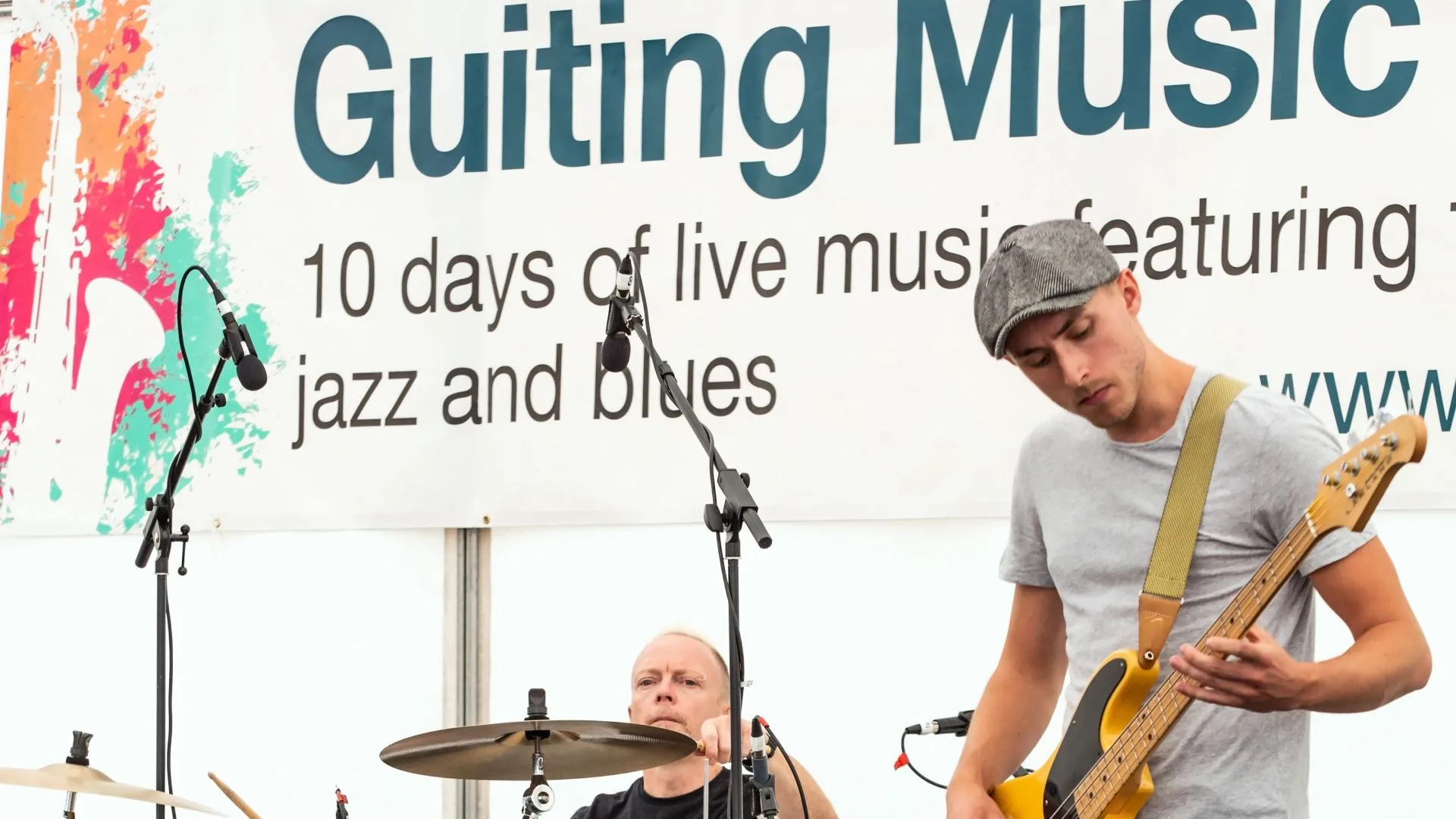
Guiting Music Festival continues to grow its reputation as one of the leading music festivals in the Cotswolds, offering a superb eclectic mix of artists and genres of music at its annual event in the Cotswold village of Guiting Power. Over 10 days it will play host to world-renowned, international, European and UK artists.

Trot on over to the Stables in the West Courtyard this summer to meet our four-legged friends and discover the part horses and ponies have played in the story of Blenheim Palace.

The Oxford Piano Festival was founded in 1999 by Marios Papadopoulos, renowned pianist and Music Director of the Oxford Philharmonic Orchestra. Each year, the Festival welcomes piano players and pedagogues, experts and enthusiasts, to some of Oxford’s most historic venues, such as Sir Christopher Wren’s Sheldonian Theatre, the Holywell Music Room, and Christ Church Cathedral.
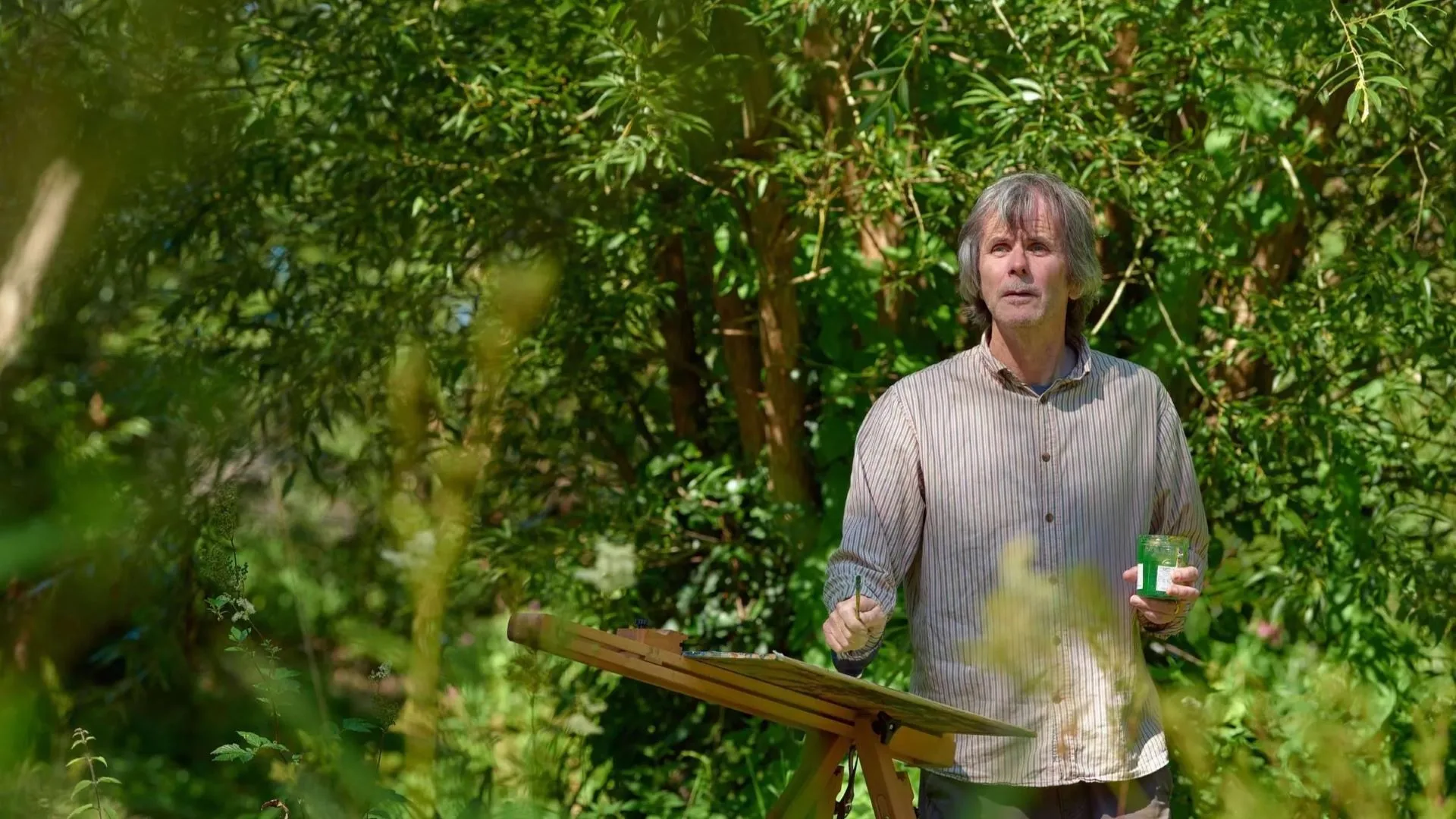
Blenheim Palace is delighted to be hosting a series of exclusive watercolour workshops led by acclaimed Woodstock artist Rod Craig.

Our Man in Havana follows the hilarious exploits of James Wormold, a British vacuum cleaner salesman in pre-revolutionary Havana, Cuba. Jack Ashton, Bob Barrett, Leon Ockenden, and Jodie Steele play over 30 characters to bring 1950s Havana vividly to life in this wonderfully funny and fast-moving romp!

Wilderness festival is the multi-award winning 4-day festival combining live music, contemporary arts and an array of theatre, artisanship, late-night parties, outdoor pursuits and culinary experiences. It’s one festival where genres are redefined, identity is turned on its head, and arts from across the spectrum sit side by side.
Festival lineup includes: Scissor Sisters / Carl Cox / The Last Dinner Party / Sisters: curated by Annie Lennox / Soulwax / Baxter Dury / Saint Etienne / Good Neighbours / The Hot 8 Brass Band / Groove Armada (DJ Set) / Nic Fanciulli / Eats everything / Olive F / Dan Shake • Say She She / Demi Riquísimo / Delilah / Chloe Qisha / Mr Cutts and many more.

Van Gogh & Me is a compelling new play starring Jack Ellis, examining the turbulent relationship between Vincent van Gogh and Paul Gauguin. Blending art, history and personal reflection, the production explores creativity, rivalry and the human cost of artistic ambition.

The remarkably talented participants of the Oxford Piano Festival receive masterclasses from acclaimed pianist Vanessa Latarche and fellow piano masters.
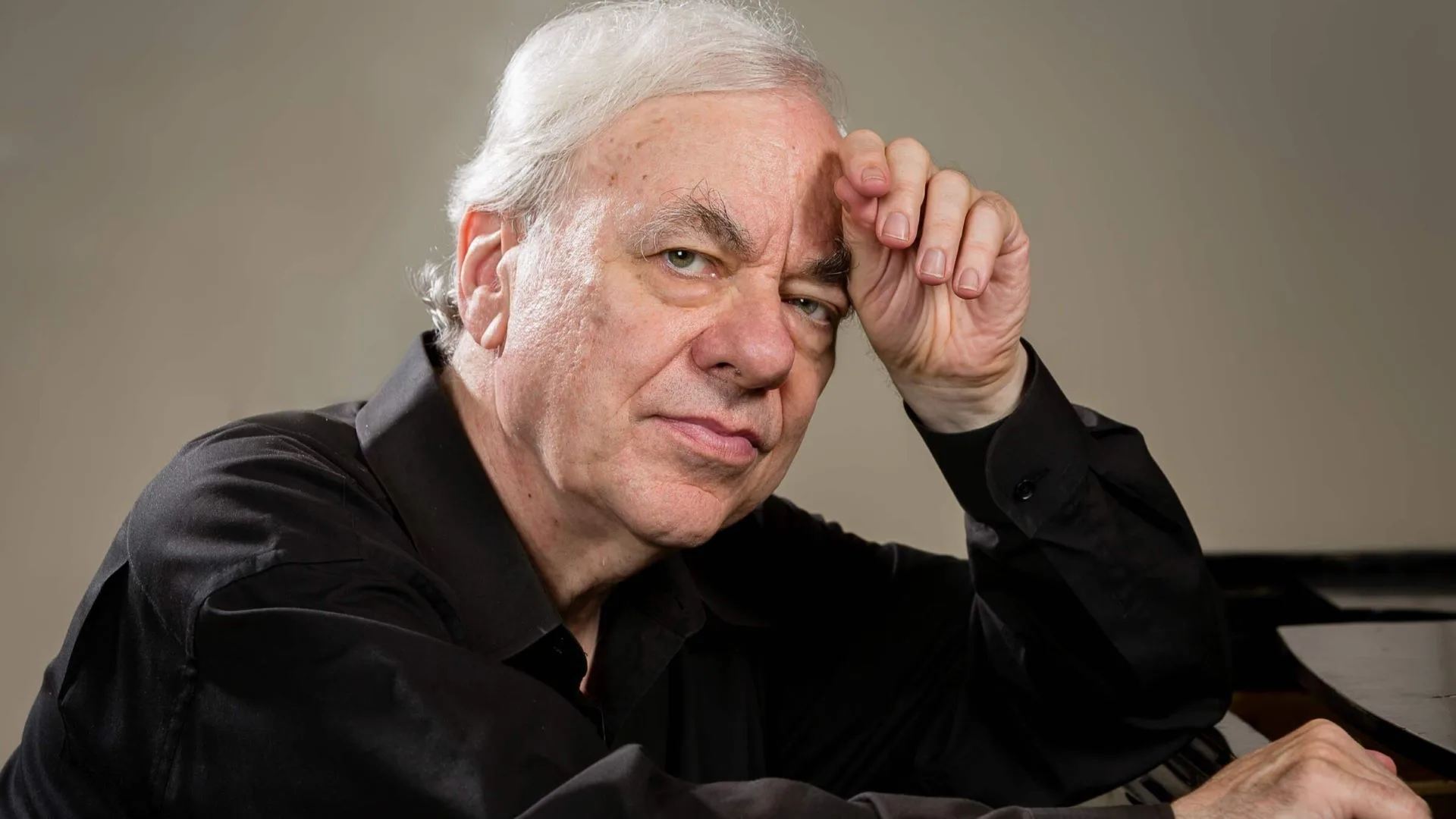
The remarkably talented participants of the Oxford Piano Festival receive masterclasses from acclaimed pianist Richard Goode and fellow piano masters.

Mozart’s beloved comic masterpiece The Marriage of Figaro is filled with sparkling melodies, mistaken identities, clever disguises and laugh-out-loud comedy, bringing one of opera’s greatest love stories vividly to life in period costume.
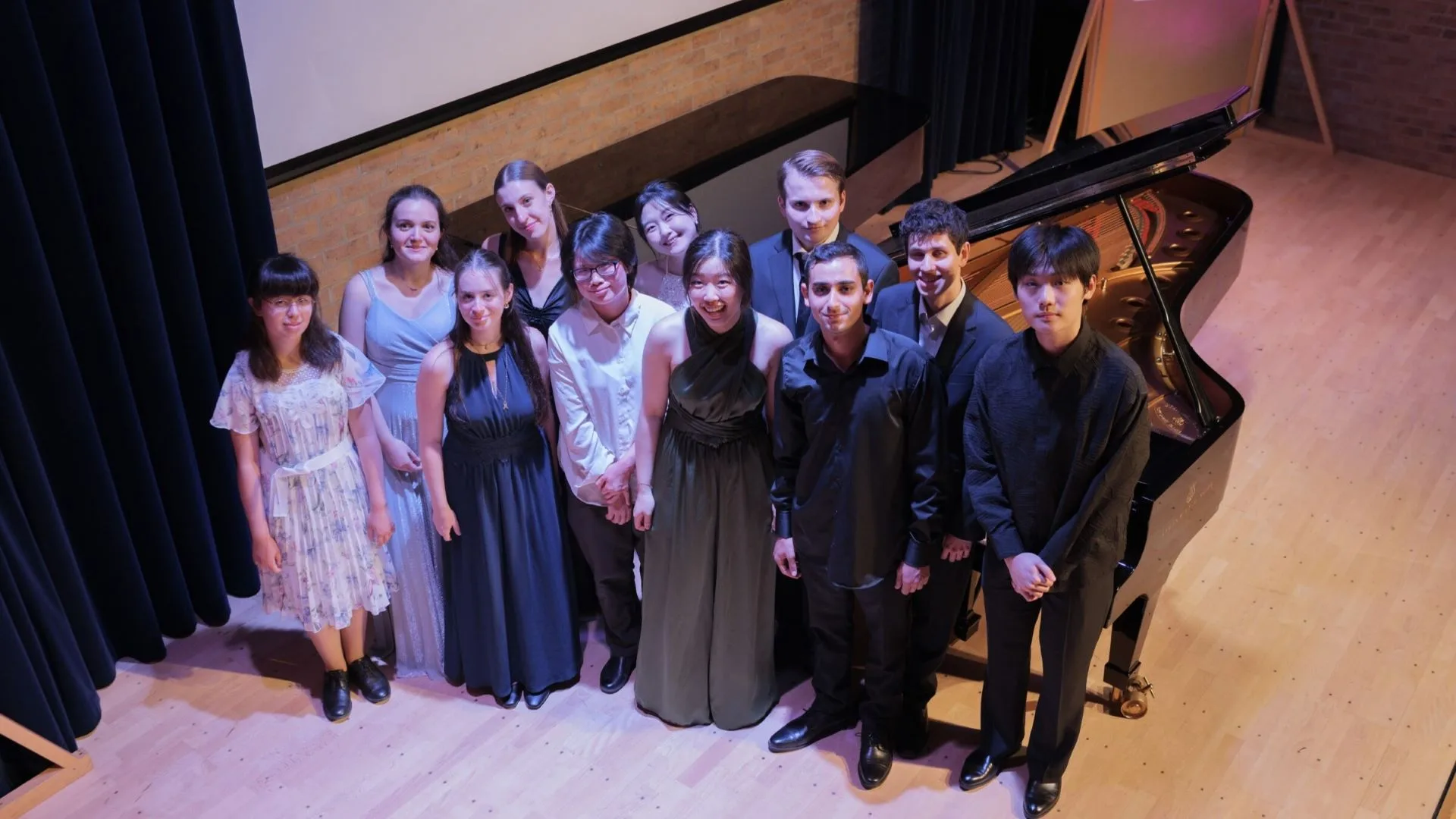
Oxford Piano Festival Participants take to the stage with fresh guidance from the world’s most esteemed pianists echoing in their ears.

Aylesbury Waterside Theatre
Florence Nightingale Hospice Charity proudly presents Fame packed with high-energy songs and unforgettable performances. Grab your leotards and legwarmers and be part of something amazing.

The remarkably talented participants of the Oxford Piano Festival receive masterclasses from acclaimed pianist Arie Vardi and fellow piano masters.

The All American Auto Club’s “Rally of The Giants” bring their 60th year celebration of classic American cars at Stonor Park. This year’s event is lining up to be unforgettable, with vehicles from 1900 right through to the modern day, live music, food and retail,

Enjoy Oxford Coffee Concerts with Huw Watkins, Ben Baker, Emma Wernig and Tim Posner performing Watkins’ String Trio No. 2 and Brahms’ Piano Quartet No. 3.

The Waterperry Opera Festival returns in 2026 from 07 to 16 August, offering a mix of full-scale operas, recitals, and open-air performances at Waterperry Gardens. The festival showcases international singers and orchestras, alongside pre-performance talks, garden tours, and family-friendly activities.
From classic favourites to contemporary works, it promises an immersive cultural experience for both opera enthusiasts and newcomers. Tickets and passes are available online and on-site, with early booking recommended for popular events.
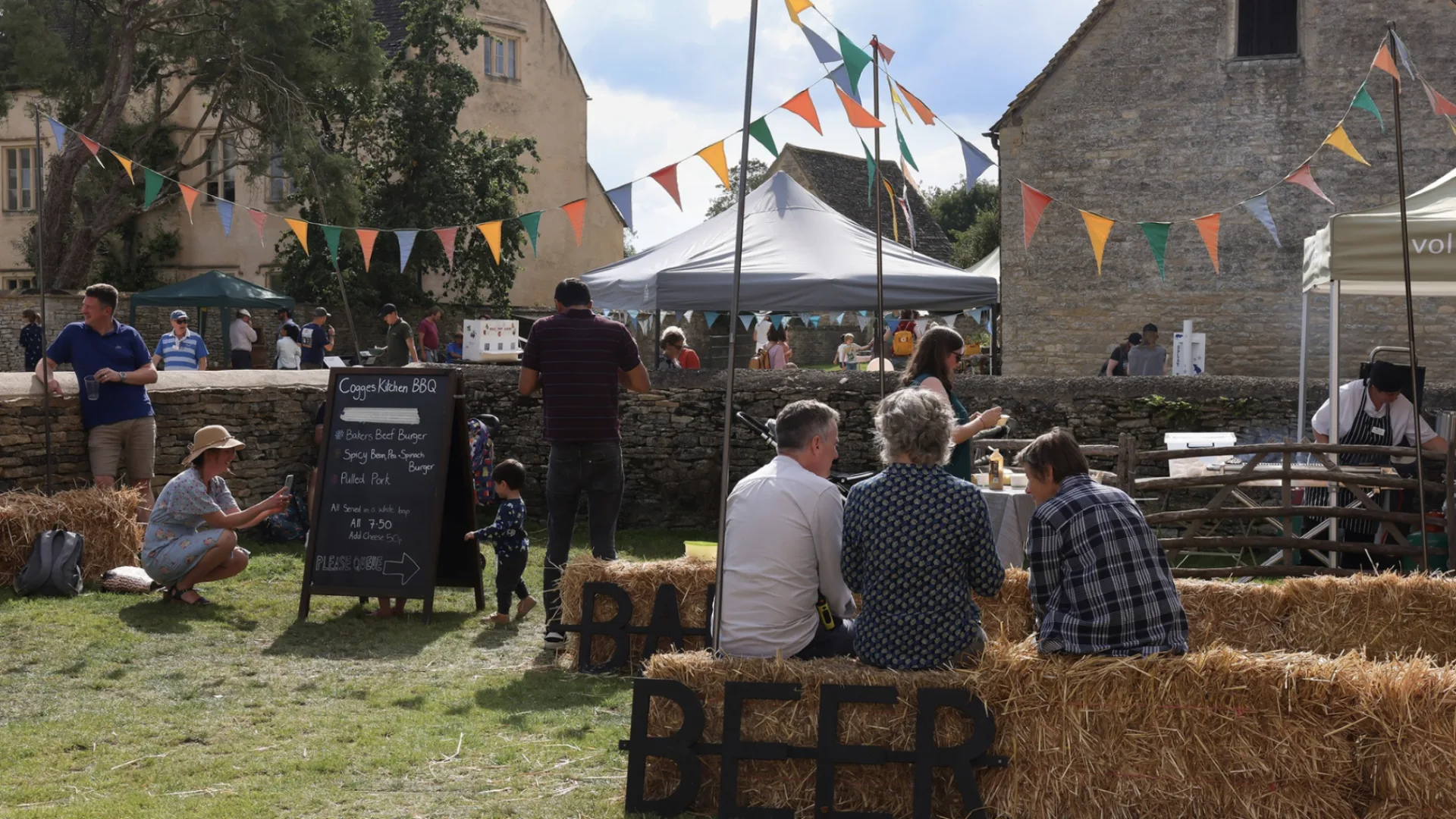
Cogges Annual Beer & Cider Festival is a party in the barns where you can try over 50 different locally produced craft beers and ciders, with live music all afternoon and evening to get the crowd dancing.

The Great Antique & Vintage Car Boot Fair returns to Stonor Park with more than 200 quality sellers offering antiques, collectibles and vintage treasures. Visitors can browse unique finds, enjoy delicious food and make the most of the beautiful parkland, with additional attractions available onsite.

Enjoy Oxford Coffee Concerts with the Kleio String Quartet performing Schubert’s String Quintet in C major, op 163, D 956 in Holywell Music Room.

The acclaimed pianist and composer Jack Gibbons is joined by award-winning pianist Sarah Beth Briggs for an evening of much loved piano duets including Fauré’s Dolly Suite, Debussy’s Petite Suite, Schumann’s masterly Piano Quintet Op.44, and the world premiere of a new transcription for piano duet by Gibbons of Gershwin’s dazzling Girl Crazy Overture (featuring the classic songs I Got Rhythm and Embraceable You).

Instruments of Time & Truth recreate intimate musical evenings from Oxford, London and Lübeck in Ayres of the Night. Featuring mezzo-soprano Martha McLorinan and period-instrument specialists, the programme explores evocative works by Purcell, Bach and Buxtehude as dusk falls.

Cropredy Village, Banbury
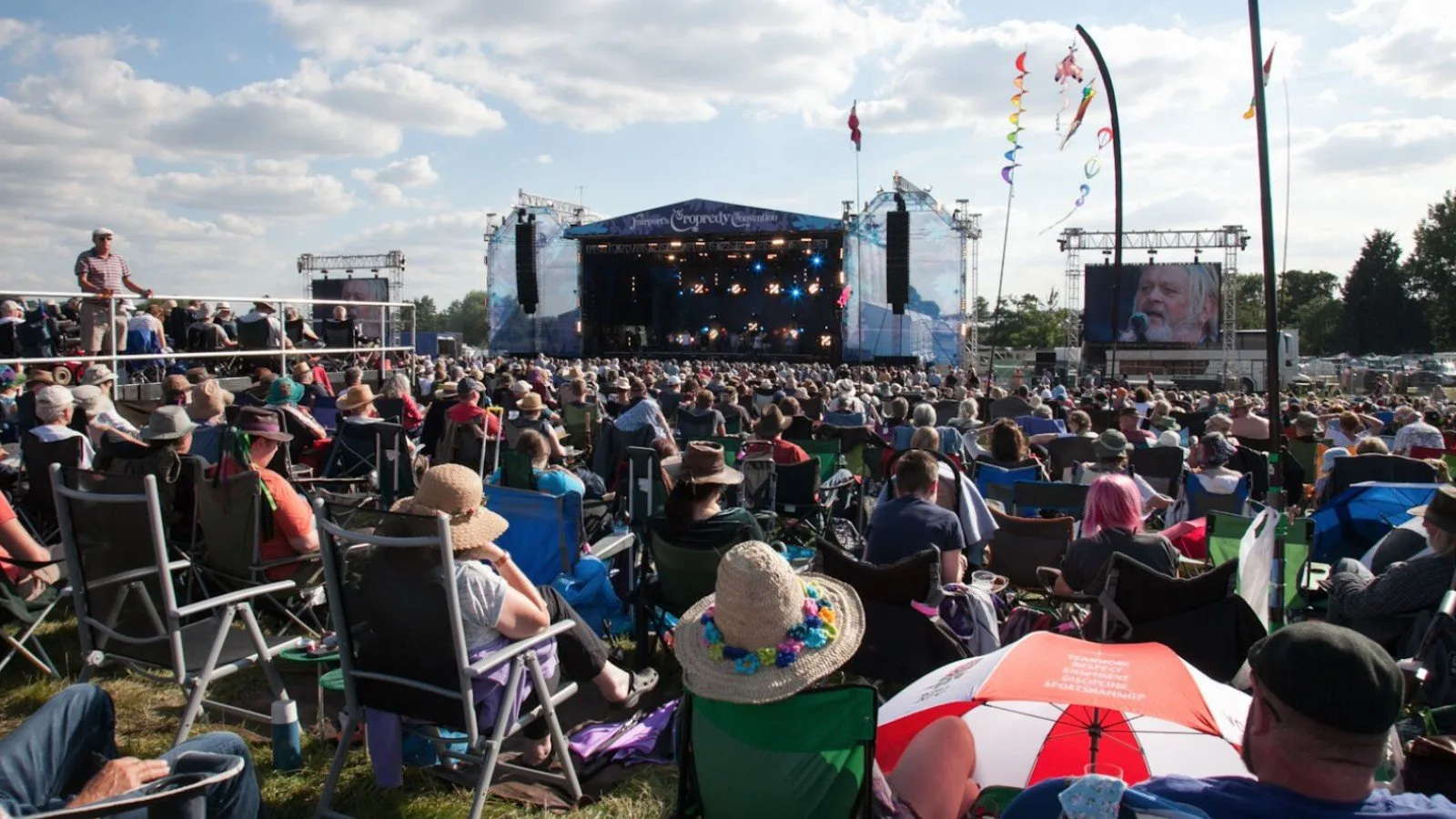
The Fairport Cropredy Convention 2026 will be staged over the weekend of 13 to 15 August. The annual festival of folk and rock music, headed by British folk-rock band Fairport Convention is held on the edge of the village of Cropredy near Babnury in Oxfordshire.
Festival lineup:
Thursday – Fairport Acoustic / Banter / Soft Machine / Matt Bragg / Turin Brakes / Le Vent Du Nord
Friday – Cropredy Primary School Folk Class / Danny & The Champions of The World / Danny Bradley / The Celtic Social Club / Marshall Gilmour Webbs / Breabach / Spooky Men’s Chorale / Richard Thompson with Zara Phillips (plus S Nicol, D Mattacks & D Pegg)
Saturday – Gerry Colvin Big Band / Rob Jones & The Restless Dream / The Haar / Barbara / Hayseed Dixie / Will Pound & Jenn Butterworth / Fairport Convention & Friends
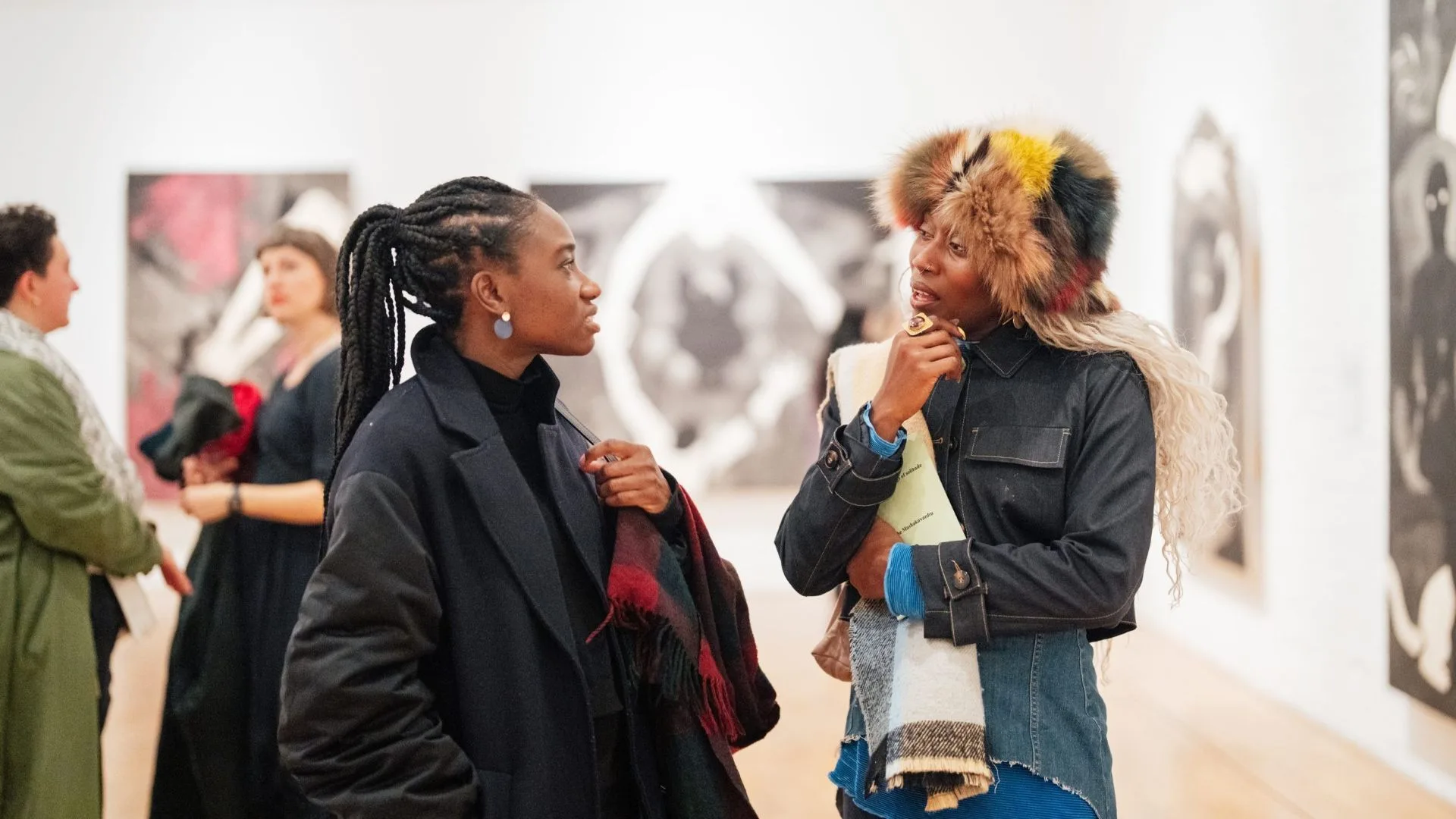
Step inside a current exhibition with one of the curators. These focused, 30-minute tours offer in-depth insights into the ideas, processes and stories behind the work on display.

Fame Jr. brings young performers to the stage in a vibrant summer production celebrating talent, ambition and creativity.
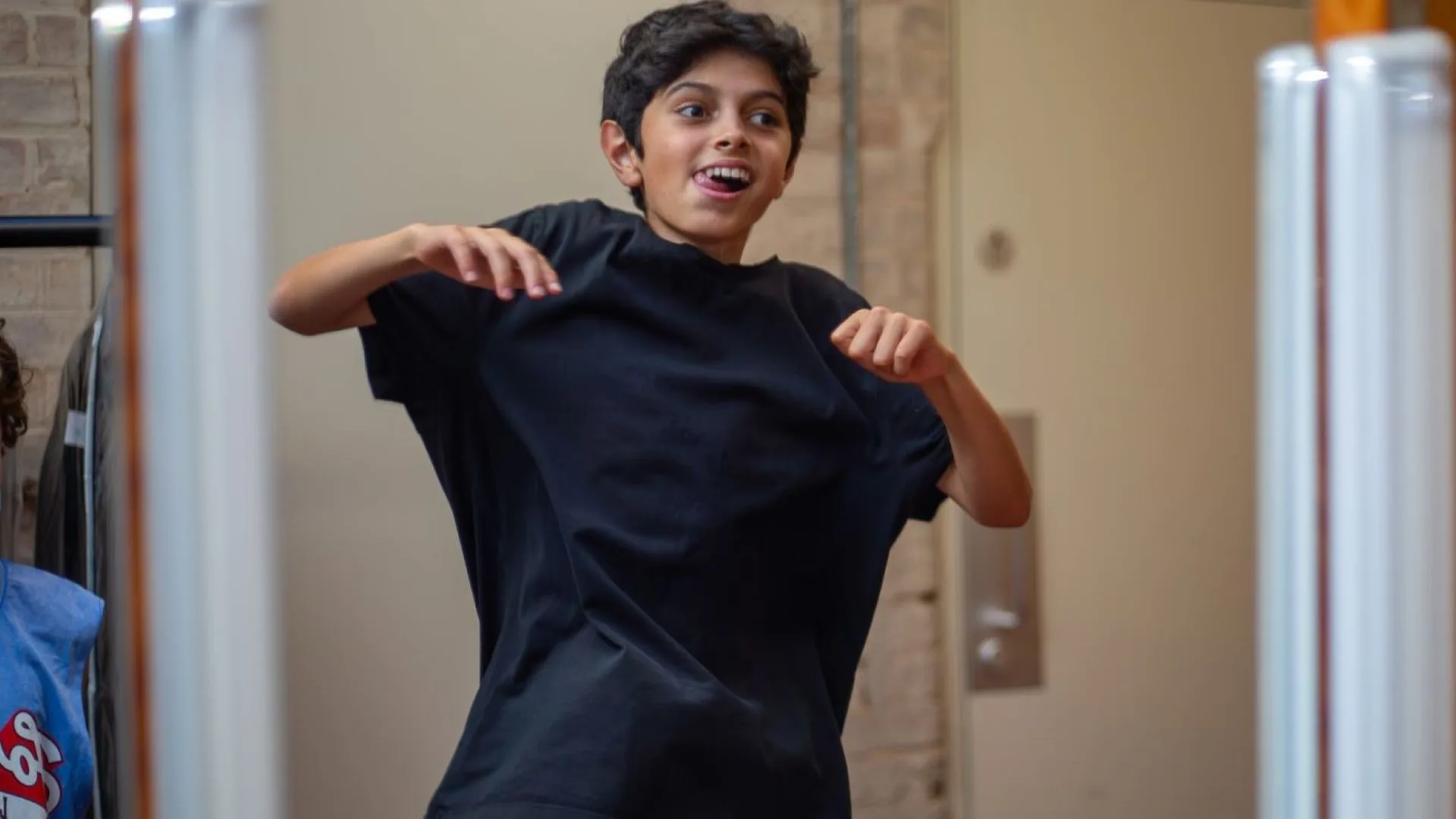
NW Inventors: Comedy Workshop invites young people to develop comedy skills through movement, facial expressions and voice. Across three fun-filled mornings, participants will build confidence, explore performance techniques and showcase their talents to a supportive audience in a lively environment.

Join this actor focused workshop where your acting skills will be refined through voice, movement and script exploration, featuring classical, contemporary and self-written monologues with an opportunity to present a mock audition.

Discover the fascinating history of make-up, from the Egyptians, Ancient Greeks and Romans, to the glamour of the Roaring Twenties, the bold looks of the Swinging Sixties, and everything in between! Join us in one of our traditional dressing rooms and get creative with your own theatrical designs.

Get ready for some dramatic fun! In this workshop, children will uncover the secrets behind creating realistic bruises, cuts and wounds for the stage. (You might want to double-check those injuries before reaching for the first aid kit!)

Temple Island Meadows, Henley-on-Thames
Rewind Festival South is probably the biggest 80’s music festival in the world. It is a spectacular event, packed full of fun, laughter, great (and terrible!) costumes and friends. Celebrate the best decade around with all your favourite 80s icons. Get your tickets and join the biggest party of the summer. This really is going to be one of the 2025 festivals in Oxfordshire you can’t afford to miss.
Festival lineup includes: TBC
Get ready for some dramatic fun! In this workshop, children will uncover the secrets behind creating realistic bruises, cuts and wounds for the stage. (You might want to double-check those injuries before reaching for the first aid kit!)

Discover the fascinating history of make-up, from the Egyptians, Ancient Greeks and Romans, to the glamour of the Roaring Twenties, the bold looks of the Swinging Sixties, and everything in between! Join us in one of our traditional dressing rooms and get creative with your own theatrical designs.

Legendary 2 Tone pioneers The Selecter bring their unmistakable blend of ska, punk and social commentary to the stage. Expect a high-tempo set packed with classic hits, brass-driven hooks and dancefloor-friendly grooves, delivered with the band’s signature urgency and feel-good spirit.

Aylesbury Waterside Theatre
Our Stage Summer Drama is an exciting week-long project offering the chance to young people with disabilities, neurodivergence and additional needs to develop skills in Drama, Dance, and Design, ending with a celebratory showcase for friends and family in the Norman Bragg Studio.

For those curious about what happens behind the curtain, this workshop is a brilliant introduction to the technical side of theatre. Children will work alongside the technical team, learning the basics of lighting, rigging and sound.

Richfield Avenue, Reading
Reading Festival, one of the UK’s most iconic music events, returns in 2026 with an electrifying lineup across multiple stages. Known for showcasing the best in rock, indie, hip-hop, and dance, the festival promises an unforgettable weekend of live music, vibrant energy, and festival culture. Join thousands of music lovers and make Reading Festival 2026 your highlight of the summer!
Festival lineup includes: Travis Scott / Chappell Roan / Bring Me The Horizon / Hozier / Becky Hill / AJ Tracey / Sammy Virji / Shikari / Conan Gray / Lola Young / Amyl and the Sniffers / Wunderhorse / Lancey Foux / Royel Otis / Wallows

The ICHF Henley Craft Show returns to Stonor Park over the August Bank Holiday weekend, featuring more than 200 artisan stalls, handmade gifts, food and drink, live craft demonstrations, falconry displays, family entertainment, live music and a petting zoo.

Claydon Estate, Buckingham
Found Festival is a micro festival blend live music, wellness, creativity, comedy and dance together for a weekend of pure joy. . Relax and let the music, dance, art & craft wash over you or jump in with both feet and experience a creative process through performances, workshops, informal gatherings and masterclasses.
Festival lineup includes: TBC

Alex James’ Farm, Kingham
The Big Feastival will be back on Alex James’ beautiful Cotswolds farm this August Bank Holiday. This family-friendly music and food festival promises to be one truly unforgettable weekend. Expect a top-drawer selection of live music acts, some of the country’s top chefs, and plenty of hands-on activities for both big and little ones. The Big Feastival is for everyone, big and small.
Festival line-up:
Good Music – Basement Jaxx / The Streets / Bastille / Rudimental / Perrie / Mimi Webb / Doves / White Lies / Freya Ridings / The Coral / Antony Szmierek / Meek / Red Rum Club / Ms Dynamite / Nubiyan Twist / Tors / The Ordinary Boys / + Much more!
Good Food – Simon Rogan / Anna Haugh / Emily English / Rachel Allen / Poppy O’Toole / Tom Barnes / Meera Sodha / Nokx Majozi / Sally Abé / + Much more!
Good Times – Harriet Kemsley / Joel Dommett / Suzi Ruffell / Suzi Ruffell / Shappi Khorsandi / Joe and James Fact Up / Scott Bennett / The Scummy Mummies / Daniel Foxx / Justin Fletcher / Mc Grammar / Nick Cope / + Much more!

Sick of the summer holidays? Pop along to New Theatre Oxford’s piano bar for a light hearted escape, enjoy the best comedians from around the country and a big drink.

Come and join Nick Cope for a brand new, delightful family concert, featuring all your favourite hits and more. Nick has a magical way of reaching into people’s hearts, igniting children’s imagination in an organic, unpatronizing, educational and fun way.

Foodies Festival Oxford is a celebration of food, drink, and live entertainment. Across the festival, visitors can watch top chefs and bakers create mouth-watering dishes, sample fine wines, cocktails, and craft beers, and enjoy immersive cookery workshops.
Complementing the culinary delights, live music fills the festival, creating a vibrant, energetic atmosphere. Whether tasting new flavours, learning kitchen skills, or dancing to the music, the festival offers a full sensory experience for all ages.
Music lineup includes: Boyzlife / Gareth Gates / B*Witched
Chef lineup includes: Radhika Howarth / Joe Wadsack / Andrew Carr / Mark Peregrine / Tom Surgey / Gary & Jay

Michael Ball is Britain’s leading musical theatre star, a double Olivier Award-winning, Grammy nominated, multi-platinum recording artist and a hugely popular radio and TV presenter. Join him as he hits the road in 2026 with his Glow UK headline tour, coinciding with the release of his brand new solo album, Glow.
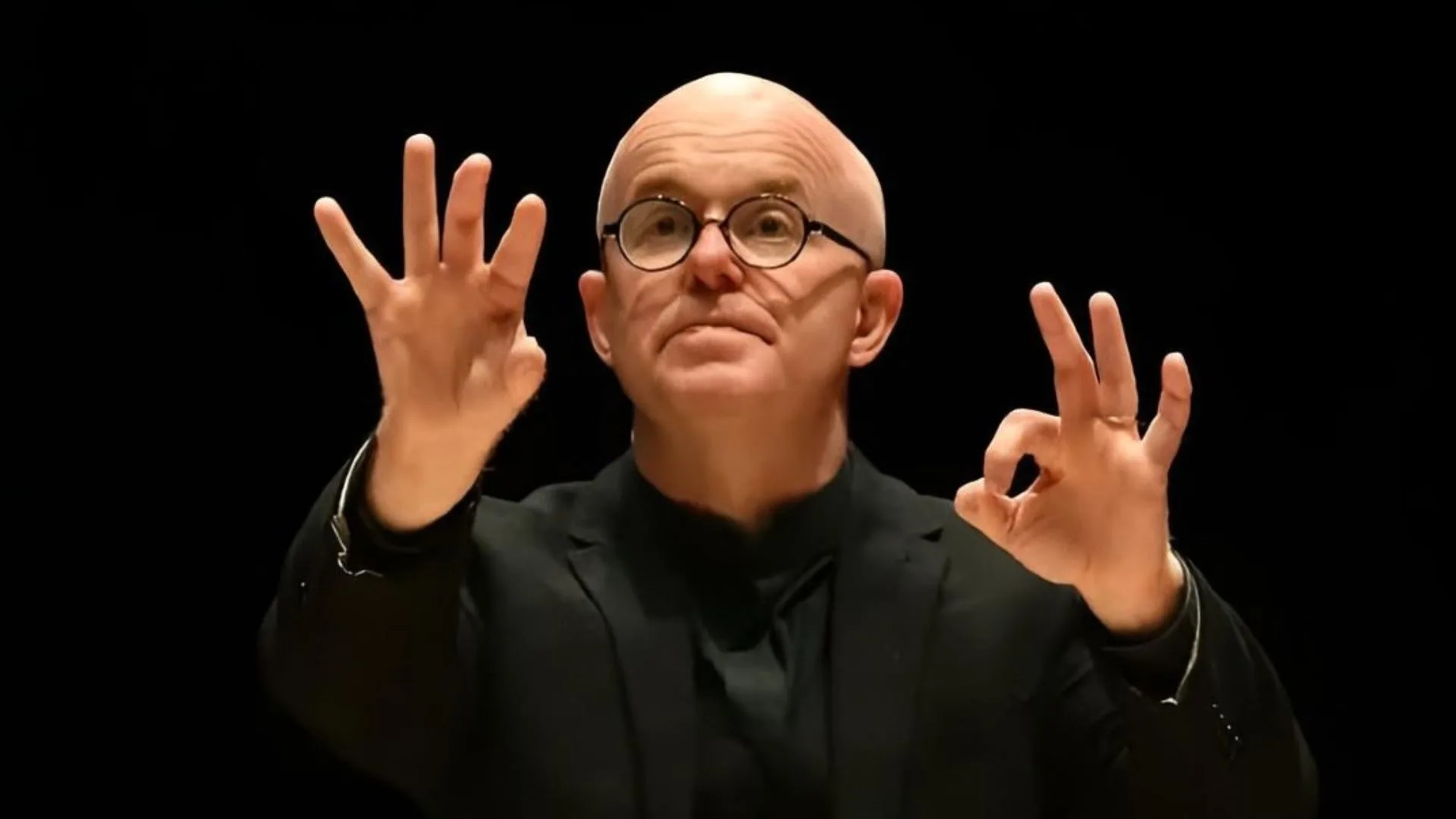
Enjoy Oxford Coffee Concerts with the Adderbury Ensemble and Lawrence Cummings performing Bach’s Brandenburg Concerto No. 5 and the delightful Coffee Cantata.

Every Saturday (Except 26 December)
Out of the Deep is a family-friendly specimen handling and exploration of the underwater world of marine reptiles.

Step back into the golden age of the Great Western Railway at this 21-acre living museum, where trains from Victorian times to the 1960s bring railway history to life. Explore historic engine sheds, restored locomotives, interactive signalling displays and wartime exhibits, with the rare chance to see steam-era engineering up close in a quieter, immersive setting.

Modern Art Oxford is delighted to present Little Fennel’s Complaint, a major solo exhibition by Olivia Plender (b. 1977, London), exploring historic and ongoing inequalities in women’s healthcare, from early modern witchcraft to contemporary debates on reproductive rights and medical authority. Plender developed the exhibition through research with leading Oxford institutions, including the Bodleian Library, Oxford Botanic Garden and John Radcliffe Hospital.
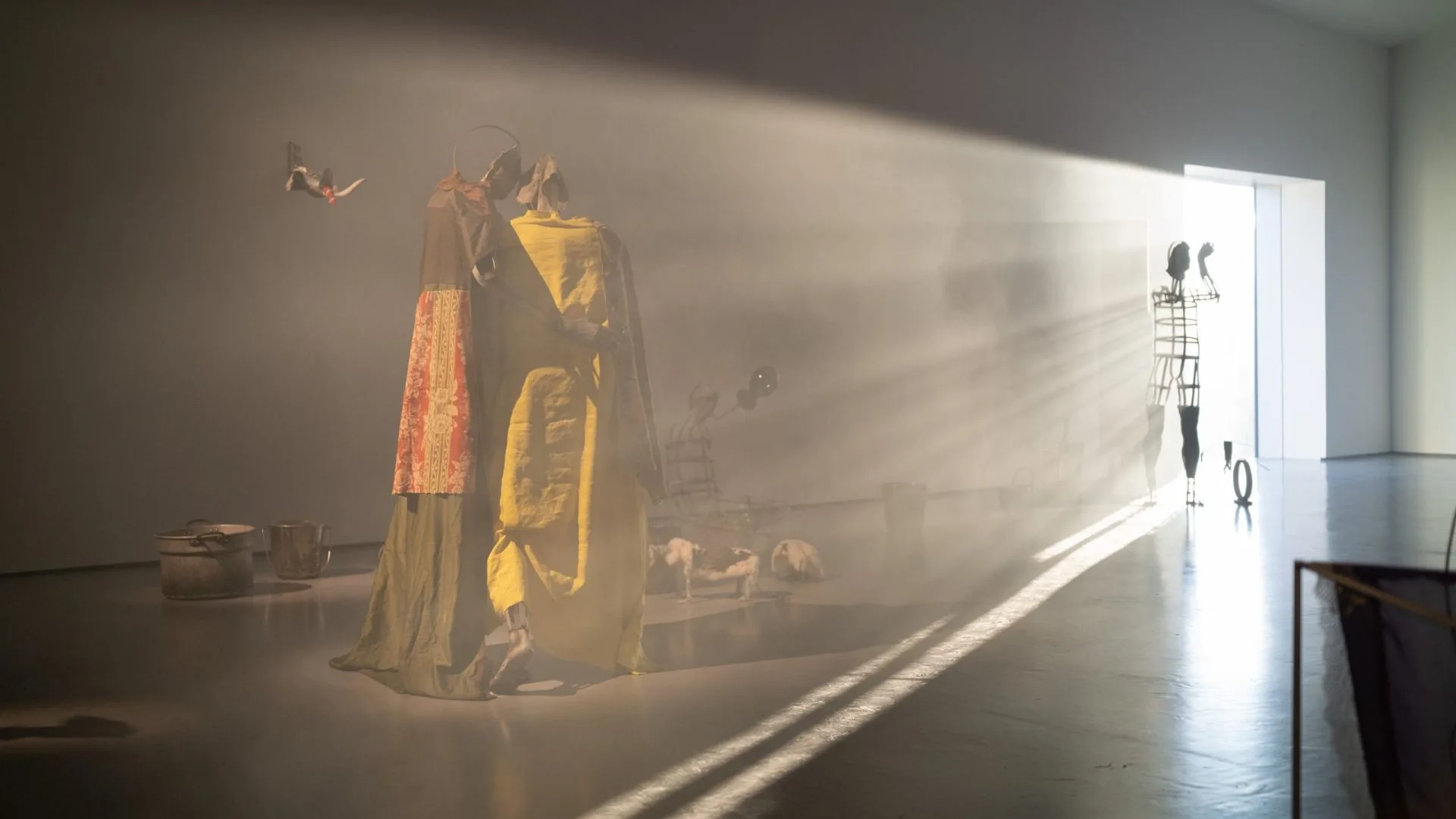
The exhibition displays a collection of work created using foraged plants, transformed through ancient techniques such as cordage and weaving, to reflect the raw beauty and cyclical nature of the natural world, that is both ephemeral and enduring.

In Bloom: How Plants Changed Our World at the Ashmolean Museum uncovers the hidden histories behind Britain’s most beloved blooms. Explore over 100 artworks and objects that reveal how plant exploration and trade shaped landscapes, cultures, and economies – from roses and tulips to camellias and peonies.

The Oxford Shakespeare Festival is back for its 16th year! This outdoor theatre experience that takes place in the castle yard of Oxford Castle & Prison will see Wild Goose Theatre, BMH Productions, Siege Theatre, and Greensleeved will be putting on marvellous performances of Shakespeare’s finest classics.

Anna Ridler’s A Perfect Language of Images is a digital artwork created with Oxford’s Dr William Poole, exploring systems of classification through AI. Inspired by John Wilkins and Jorge Luis Borges, it reflects on how machine learning both organises and destabilises knowledge.

Meet the four-legged and feathered summer guests this summer as the Walled Garden comes alive with the sights, sounds and snuffles of the Marlborough Mini Farm.

Camp Tumblestone arrives at Tumblestone Hollow with a brand-new outdoor adventure included in every summer holiday ticket. Families can enjoy giant garden games, an agility trail, imaginative play in the teepee camp area and even more exciting activities alongside the popular adventure playground.

Developed through research into the Bate Collection of Musical Instruments at the University of Oxford, the exhibition brings together sound, video and photography to consider what is revealed and concealed through the collection, preservation and display of musical instruments. At its centre is a new sound work created using recordings of historic instruments from the collection.

Blenheim Palace presents Life Through a Royal Lens, a major photography exhibition tracing the Royals’ enduring relationship with the camera, from the reign of Queen Victoria to the present day.

The Bodleian Libraries’ Wonder of Birds exhibition explores art, science and culture through the lens of avian life. Featuring rare archives, manuscripts and immersive sound, it invites visitors to reflect on both the beauty of birds and their decline.

Join Pip & Posy’s Treehouse Trail in Adventure Play on an adventure to solve the mystery of the missing toy Piggy!
#pt-cv-view-0422846aq7 .pt-cv-meta-fields,
#pt-cv-view-e0d121cgv4 .pt-cv-meta-fields,
#pt-cv-view-a7ff8bcoe3 .pt-cv-meta-fields,
#pt-cv-view-0422846aq7 .pt-cv-content,
#pt-cv-view-e0d121cgv4 .pt-cv-content,
#pt-cv-view-a7ff8bcoe3 .pt-cv-content {
border-bottom: 1px solid #d8d8d8;
padding-bottom: 1rem !important;
margin-bottom: 1rem !important;
}
a.pt-cv-readmore:hover {
text-decoration: underline !important;
text-decoration-thickness: 4px !important;
text-decoration-style: solid;
text-underline-offset: 0.6ch;
transition: .1s ease;
outline: none;
}
What we’re covering
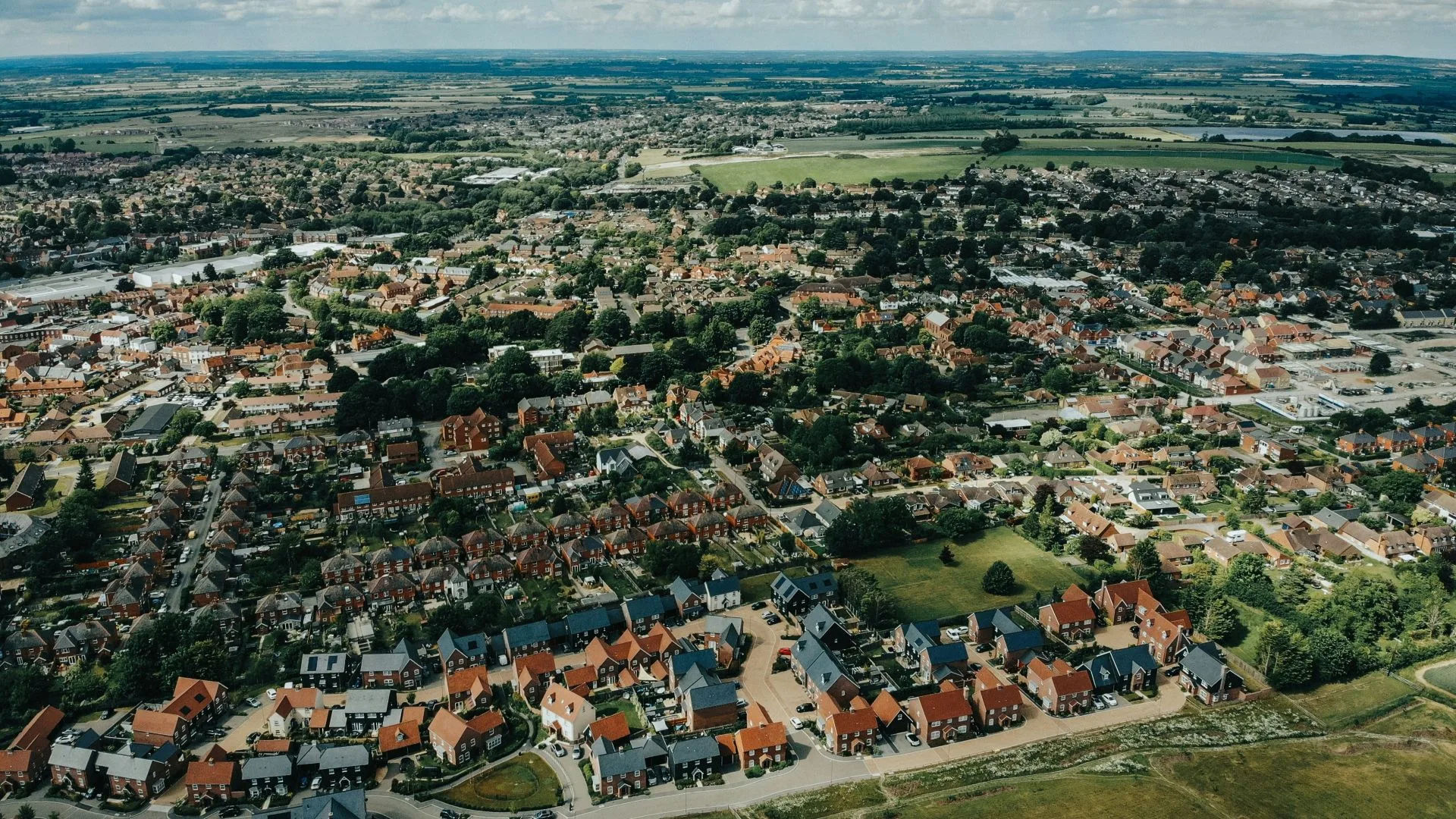
Welcome to our ongoing coverage of the latest developments surrounding the government’s proposed local government devolution plans and their potential impact on Oxfordshire.
In December 2024, the government published an English Devolution White Paper that proposed abolishing district councils and replacing them with new unitary authorities, and creating larger mayoral combined authorities to enable a shift of power away from Westminster.
Stay tuned as we bring you updates from key discussions, reactions from local leaders, and what these changes could mean for residents. Whether it’s concerns about democracy or the potential for streamlined services, we’ll cover all angles and keep you informed here.
Reporting by Ay Adeduro, Esme Keeney, Aled Thomas, James Aldridge and Olivia Churchill.
West Oxfordshire leader disappointed by Government decision on three-unitary model
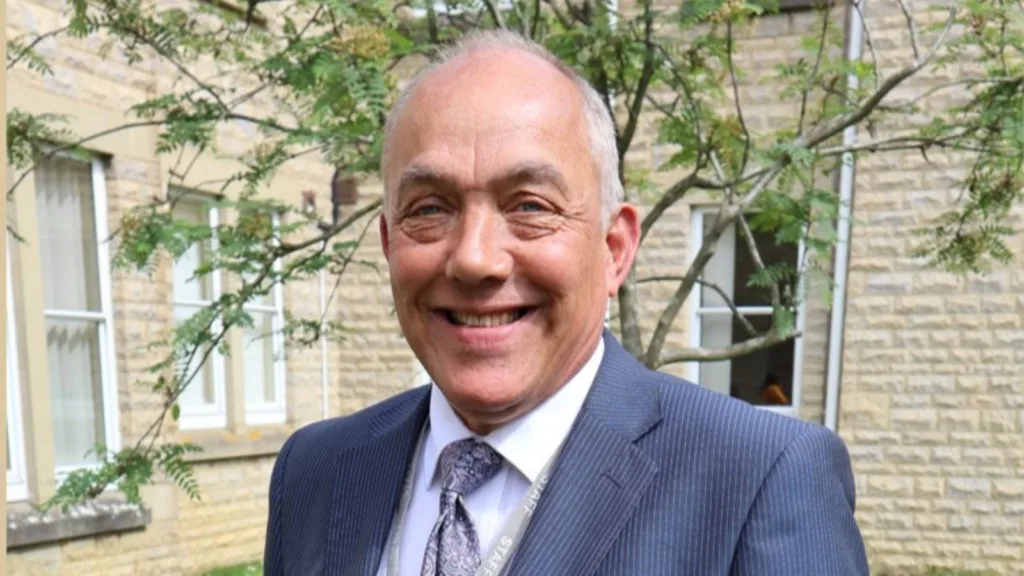
West Oxfordshire District Council leader Councillor Andy Graham has expressed disappointment after the Government confirmed plans to create three new unitary councils for Oxfordshire and West Berkshire from 01 April 2028.
The council had supported a two-unitary model, arguing it would provide simpler structures, reduce duplication and improve financial resilience. Councillor Graham said concerns remain over additional costs and complexity, but pledged to work constructively with partner councils to protect services and ensure West Oxfordshire communities remain represented during the transition.
Oxford City Council leader welcomes “historic” decision to create Greater Oxford authority

Oxford City Council leader Councillor Susan Brown has welcomed the Government’s decision to create three new unitary councils for Oxfordshire and West Berkshire, describing it as a “historic day”.
She said the new structure would simplify local government, keep decision-making local and help address Oxfordshire’s housing challenges. The approved model, led by Oxford City Council, will create Greater Oxford, Northern Oxfordshire and Ridgeway councils from April 2028, replacing the county, city and district council system.
Vale leader calls for rural communities to remain at heart of council reorganisation
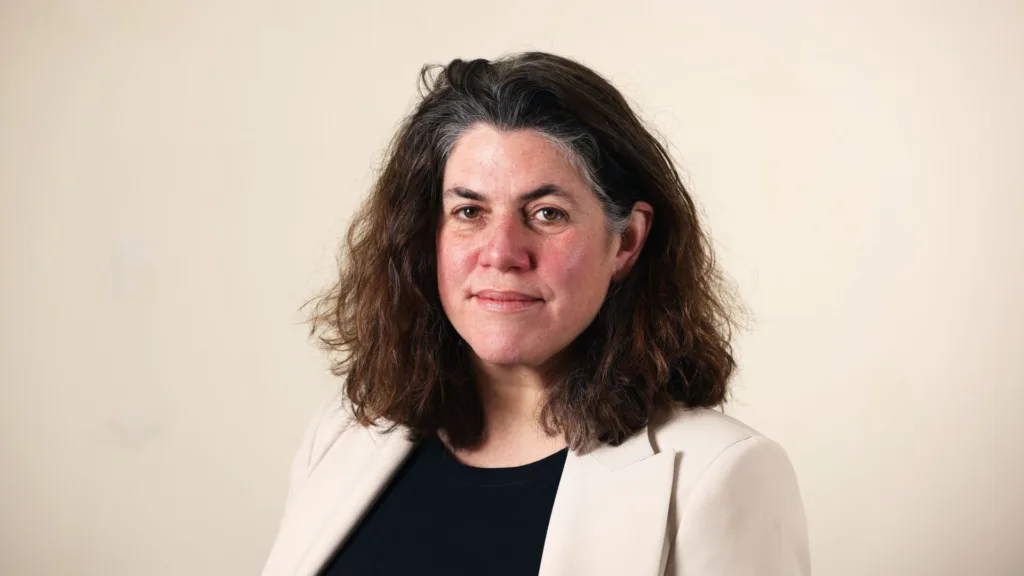
Vale of White Horse District Council leader Councillor Bethia Thomas has responded to the Government’s decision to create three new unitary councils for Oxfordshire and West Berkshire, saying she is disappointed the preferred two-authority model was not chosen.
She called for rural communities to remain central during the transition, highlighting concerns over local identity, countryside protection and representation. The Vale will work with other councils to support a smooth transition ahead of the new Ridgeway and Greater Oxford authorities launching in 2028.
South Oxfordshire leader voices disappointment over three-council reorganisation decision
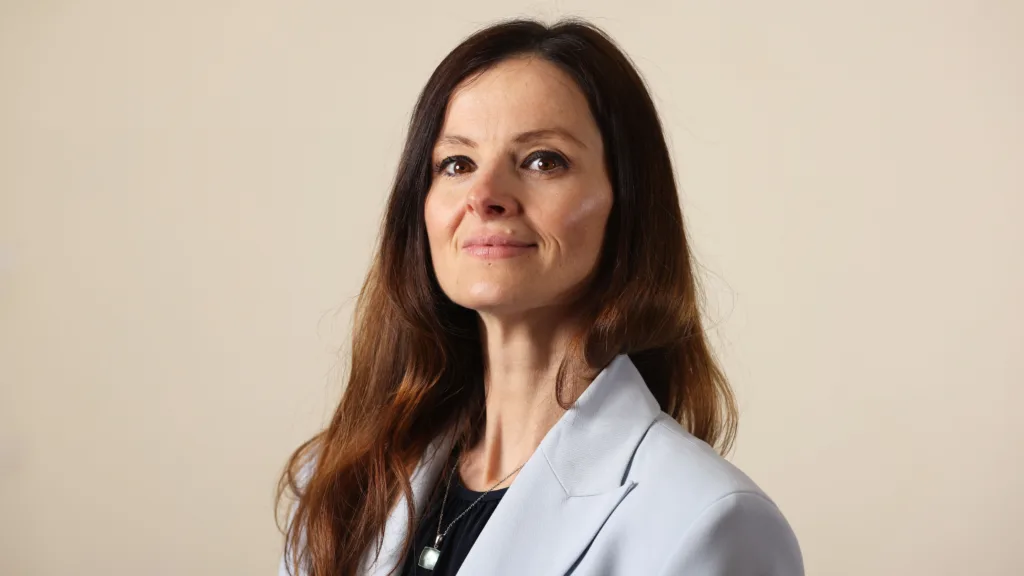
South Oxfordshire District Council leader Cllr Maggie Filipova-Rivers has criticised the Government’s decision to create three new unitary councils for Oxfordshire and West Berkshire, saying the chosen model is “deeply disappointing”.
She warned that the structure could increase complexity, duplicate costs and weaken rural representation. South Oxfordshire had backed a two-unitary model instead. The council said it will continue working with other authorities to support the transition ahead of the new councils launching in April 2028.
Local government devolution proposals: What is it and what will it mean for Oxfordshire?

Oxfordshire councils to be abolished as Government approves three new authorities
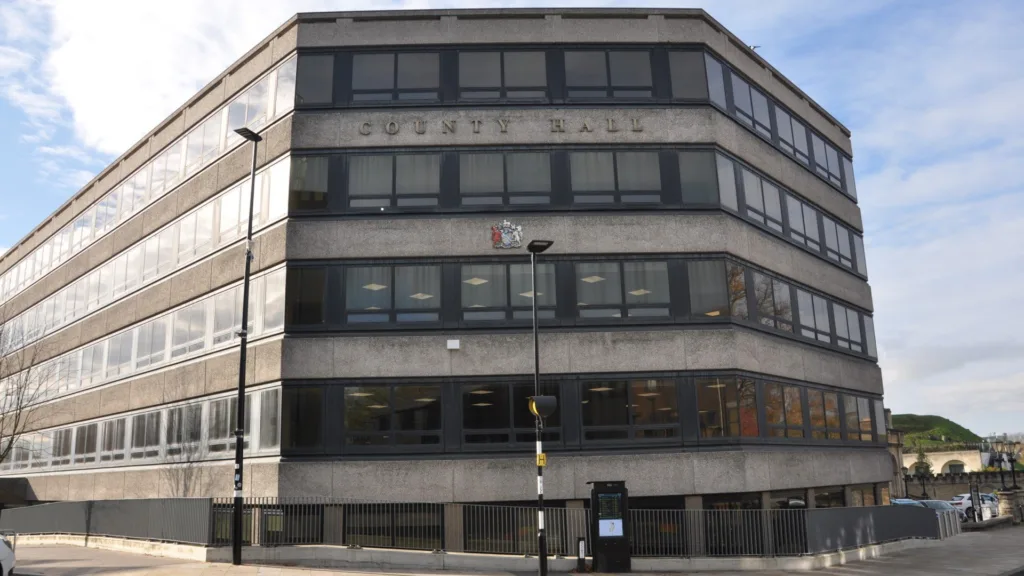
The Government has confirmed plans to abolish Oxfordshire County Council, Oxford City Council and the county’s district councils, replacing them with three new unitary authorities from April 2028.
The approved model will create Greater Oxford Council, North Oxfordshire Council and Ridgeway Council, following the proposal submitted by Oxford City Council.
The decision ends months of debate over the future governance of the county, with supporters highlighting housing and strategic planning benefits while critics raise concerns over boundaries and financial pressures.
Oxfordshire leaders seek fresh devolution deal after Thames Valley plan collapses
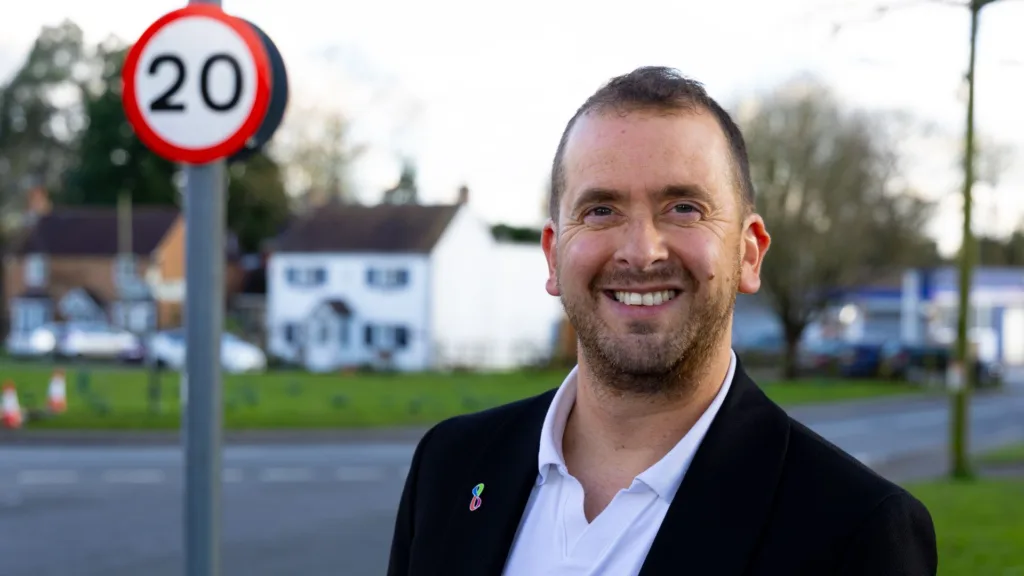
Oxfordshire leaders have renewed calls for a stronger devolution settlement after writing to Labour leadership contender Andy Burnham, following the collapse of plans for a Thames Valley Foundation Strategic Authority.
The proposed arrangement, covering Oxfordshire, Berkshire and Swindon, was rejected last month after Oxfordshire County Council raised concerns over its powers, funding and geography.
The decision has prompted criticism from regional leaders and business groups, while Oxford City Council is expected to reaffirm its support for a future devolution deal.
Thames Valley leaders furious after plans to create powerful regional Strategic Authority collapse

Thames Valley leaders are furious after plans to create a powerful regional Strategic Mayoral Authority collapsed, accusing Oxfordshire’s Liberal Democrat leadership of derailing a once-in-a-generation devolution deal after it withdrew support at a crucial stage.
Business leaders described the collapse as a serious setback for investment, skills and infrastructure planning across the region. However, the Council’s Liberal Democrat leadership defended its position, arguing that the Government had altered the terms of the deal during negotiations.
Thames Valley mayoral authority plans unravel as Oxfordshire’s Lib Dem leadership withdraws support
Plans to establish a powerful new Thames Valley-wide strategic authority have been thrown into disarray after political leaders from Oxfordshire abruptly withdrew support at a crucial meeting in Reading.
The gathering, which brought together representatives from across Berkshire, Swindon and neighbouring areas, was expected to sign off a shadow “Foundation Strategic Authority” (FSA) — the essential precursor to a future Thames Valley Mayoral Strategic Authority with elections pencilled in for May 2028.
Oxfordshire councils prepare for July decision on local government reorganisation
Oxfordshire and West Berkshire councils are preparing for a government ‘minded-to’ decision expected in July on local government reorganisation, which could reshape the area into one, two or three unitary authorities.
The statutory consultation closed in March and set out options for a single authority, two councils or three, with leaders working jointly to prepare for any outcome.
A structural changes order follows later in 2026, with shadow authorities in May 2027 and vesting in April 2028 ensuring continuity services.
Oxfordshire County Council urges residents to support One Oxfordshire proposal

Oxfordshire County Council is encouraging residents to support the One Oxfordshire proposal after the government announced local government reorganisation decisions for several English counties.
While Oxfordshire awaits its own decision in July, council leader Liz Leffman said a single unitary authority offers stronger financial resilience, simplified services and better long-term planning with potential to save £63m annually.
Oxfordshire local government shake-up risks being a “great distraction,” thinktank warns
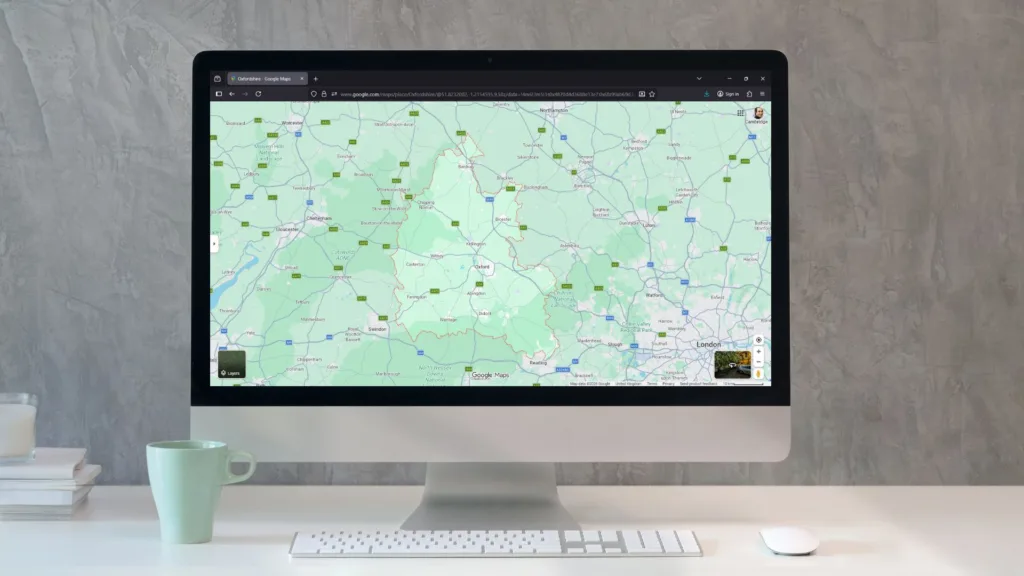
Plans to shake-up local government in Oxfordshire risk becoming a “great distraction” from the real issues facing councils if not handled properly, accprding to a local thinktank.
Chris Cousins, a member of POETS (Planning Oxfordshire’s Environment and Transport Sustainably), argued the Government risked replacing “one two-tier system with another”, despite its stated aim of simplification.
#pt-cv-view-0422846aq7 .pt-cv-ifield { padding-top: 16px !important; padding-right: 16px !important; padding-bottom: 16px !important; padding-left: 16px !important; }
#pt-cv-view-0422846aq7 .pt-cv-ifield { border-width: 1px 1px 1px 1px !important; border-style: solid !important; border-color: #d8d8d8 !important; border-radius: 8px 8px 8px 8px !important; }
#pt-cv-view-0422846aq7[class*=’cveffect’] .pt-cv-thumb-wrapper, #pt-cv-view-0422846aq7:not([class*=’cveffect’]) .pt-cv-thumbnail, #pt-cv-view-0422846aq7 .cvp-responsive-image[style*=background-image] { border-radius: 8px 8px 8px 8px }
#pt-cv-view-0422846aq7 .add_to_cart_inline .button { color: #ffffff !important; background-color: #00aeef !important; }
#pt-cv-view-0422846aq7 .woocommerce-onsale { color: #ffffff !important; background-color: #ff5a5f !important; }
#pt-cv-view-0422846aq7 .pt-cv-readmore { color: #00aded !important; border-style: none !important; border-color: #00aded !important; }
#pt-cv-view-0422846aq7 .pt-cv-readmore:hover { color: #00aded !important; border-style: none !important; border-color: #00aded !important; }
#pt-cv-view-0422846aq7 + .pt-cv-pagination-wrapper .pt-cv-more , #pt-cv-view-0422846aq7 + .pt-cv-pagination-wrapper .pagination .active a, .pt-cv-pagination[data-sid=’0422846aq7′] .active a { font-family: ‘Source Sans Pro’, Arial, serif !important; text-transform: uppercase !important; border-width: 1px 1px 1px 1px !important; border-style: solid !important; padding: 16px 36px 16px 36px !important; border-radius: 8px 8px 8px 8px !important; }
Got something to add to this story?
Share your thoughts, comments, or any additional insights with us using the form below – we’d love to hear from you!
Use this form
var gform;gform||(document.addEventListener(“gform_main_scripts_loaded”,function(){gform.scriptsLoaded=!0}),document.addEventListener(“gform/theme/scripts_loaded”,function(){gform.themeScriptsLoaded=!0}),window.addEventListener(“DOMContentLoaded”,function(){gform.domLoaded=!0}),gform={domLoaded:!1,scriptsLoaded:!1,themeScriptsLoaded:!1,isFormEditor:()=>”function”==typeof InitializeEditor,callIfLoaded:function(o){return!(!gform.domLoaded||!gform.scriptsLoaded||!gform.themeScriptsLoaded&&!gform.isFormEditor()||(gform.isFormEditor()&&console.warn(“The use of gform.initializeOnLoaded() is deprecated in the form editor context and will be removed in Gravity Forms 3.1.”),o(),0))},initializeOnLoaded:function(o){gform.callIfLoaded(o)||(document.addEventListener(“gform_main_scripts_loaded”,()=>{gform.scriptsLoaded=!0,gform.callIfLoaded(o)}),document.addEventListener(“gform/theme/scripts_loaded”,()=>{gform.themeScriptsLoaded=!0,gform.callIfLoaded(o)}),window.addEventListener(“DOMContentLoaded”,()=>{gform.domLoaded=!0,gform.callIfLoaded(o)}))},hooks:{action:{},filter:{}},addAction:function(o,r,e,t){gform.addHook(“action”,o,r,e,t)},addFilter:function(o,r,e,t){gform.addHook(“filter”,o,r,e,t)},doAction:function(o){gform.doHook(“action”,o,arguments)},applyFilters:function(o){return gform.doHook(“filter”,o,arguments)},removeAction:function(o,r){gform.removeHook(“action”,o,r)},removeFilter:function(o,r,e){gform.removeHook(“filter”,o,r,e)},addHook:function(o,r,e,t,n){null==gform.hooks[o][r]&&(gform.hooks[o][r]=[]);var d=gform.hooks[o][r];null==n&&(n=r+”_”+d.length),gform.hooks[o][r].push({tag:n,callable:e,priority:t=null==t?10:t})},doHook:function(r,o,e){var t;if(e=Array.prototype.slice.call(e,1),null!=gform.hooks[r][o]&&((o=gform.hooks[r][o]).sort(function(o,r){return o.priority-r.priority}),o.forEach(function(o){“function”!=typeof(t=o.callable)&&(t=window[t]),”action”==r?t.apply(null,e):e[0]=t.apply(null,e)})),”filter”==r)return e[0]},removeHook:function(o,r,t,n){var e;null!=gform.hooks[o][r]&&(e=(e=gform.hooks[o][r]).filter(function(o,r,e){return!!(null!=n&&n!=o.tag||null!=t&&t!=o.priority)}),gform.hooks[o][r]=e)}});
About you
Your message
Contact preference
gform.initializeOnLoaded( function() {gformInitSpinner( 22, ‘https://theoxfordmagazine.com/wp-content/plugins/gravityforms/images/spinner.svg’, true );jQuery(‘#gform_ajax_frame_22’).on(‘load’,function(){var contents = jQuery(this).contents().find(‘*’).html();var is_postback = contents.indexOf(‘GF_AJAX_POSTBACK’) >= 0;if(!is_postback){return;}var form_content = jQuery(this).contents().find(‘#gform_wrapper_22’);var is_confirmation = jQuery(this).contents().find(‘#gform_confirmation_wrapper_22’).length > 0;var is_redirect = contents.indexOf(‘gformRedirect(){‘) >= 0;var is_form = form_content.length > 0 && ! is_redirect && ! is_confirmation;var mt = parseInt(jQuery(‘html’).css(‘margin-top’), 10) + parseInt(jQuery(‘body’).css(‘margin-top’), 10) + 100;if(is_form){form_content.find(‘form’).css(‘opacity’, 0);jQuery(‘#gform_wrapper_22’).html(form_content.html());if(form_content.hasClass(‘gform_validation_error’)){jQuery(‘#gform_wrapper_22’).addClass(‘gform_validation_error’);} else {jQuery(‘#gform_wrapper_22’).removeClass(‘gform_validation_error’);}setTimeout( function() { /* delay the scroll by 50 milliseconds to fix a bug in chrome */ }, 50 );if(window[‘gformInitDatepicker’]) {gformInitDatepicker();}if(window[‘gformInitPriceFields’]) {gformInitPriceFields();}var current_page = jQuery(‘#gform_source_page_number_22’).val();gformInitSpinner( 22, ‘https://theoxfordmagazine.com/wp-content/plugins/gravityforms/images/spinner.svg’, true );jQuery(document).trigger(‘gform_page_loaded’, [22, current_page]);window[‘gf_submitting_22’] = false;}else if(!is_redirect){var confirmation_content = jQuery(this).contents().find(‘.GF_AJAX_POSTBACK’).html();if(!confirmation_content){confirmation_content = contents;}jQuery(‘#gform_wrapper_22’).replaceWith(confirmation_content);jQuery(document).trigger(‘gform_confirmation_loaded’, [22]);window[‘gf_submitting_22’] = false;wp.a11y.speak(jQuery(‘#gform_confirmation_message_22’).text());}else{jQuery(‘#gform_22’).append(contents);if(window[‘gformRedirect’]) {gformRedirect();}}jQuery(document).trigger(“gform_pre_post_render”, [{ formId: “22”, currentPage: “current_page”, abort: function() { this.preventDefault(); } }]); if (event && event.defaultPrevented) { return; } const gformWrapperDiv = document.getElementById( “gform_wrapper_22” ); if ( gformWrapperDiv ) { const visibilitySpan = document.createElement( “span” ); visibilitySpan.id = “gform_visibility_test_22”; gformWrapperDiv.insertAdjacentElement( “afterend”, visibilitySpan ); } const visibilityTestDiv = document.getElementById( “gform_visibility_test_22” ); let postRenderFired = false; function triggerPostRender() { if ( postRenderFired ) { return; } postRenderFired = true; gform.core.triggerPostRenderEvents( 22, current_page ); if ( visibilityTestDiv ) { visibilityTestDiv.parentNode.removeChild( visibilityTestDiv ); } } function debounce( func, wait, immediate ) { var timeout; return function() { var context = this, args = arguments; var later = function() { timeout = null; if ( !immediate ) func.apply( context, args ); }; var callNow = immediate && !timeout; clearTimeout( timeout ); timeout = setTimeout( later, wait ); if ( callNow ) func.apply( context, args ); }; } const debouncedTriggerPostRender = debounce( function() { triggerPostRender(); }, 200 ); if ( visibilityTestDiv && visibilityTestDiv.offsetParent === null ) { const observer = new MutationObserver( ( mutations ) => { mutations.forEach( ( mutation ) => { if ( mutation.type === ‘attributes’ && visibilityTestDiv.offsetParent !== null ) { debouncedTriggerPostRender(); observer.disconnect(); } }); }); observer.observe( document.body, { attributes: true, childList: false, subtree: true, attributeFilter: [ ‘style’, ‘class’ ], }); } else { triggerPostRender(); } } );} );
The post Ongoing coverage of the local government devolution proposals appeared first on The Oxford Magazine.



-

 Business & Technology3 weeks ago
HSBC UK & Visa test AI shopping with live payments
-

 Business & Technology3 weeks ago
Valarian lands USD $50 million backing for sovereign AI
-

 Business & Technology4 weeks ago
Mouser warns against viral hacks to cool overheating phones
-
 Oxford News4 weeks ago
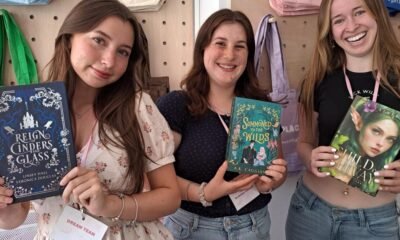
New romantasy bookshop attracts queues of customers
-
 Business & Technology4 weeks ago
SNP & Palantir launch AI tools for SAP transformations
-

 Business & Technology4 weeks ago
Kane tops England influencer rankings after Mexico win
-

 Traffic & Transport4 weeks ago
‘I felt my spine and body split’: the woman who was hit by a child on a Lime bike – and denied compensation | Ebikes
-

 Oxford News4 weeks ago
DWP now checking bank accounts for Universal Credit and Pension Credit