
Traffic & Transport
New Bradford railway station will ‘transform travel across the north’ | Business

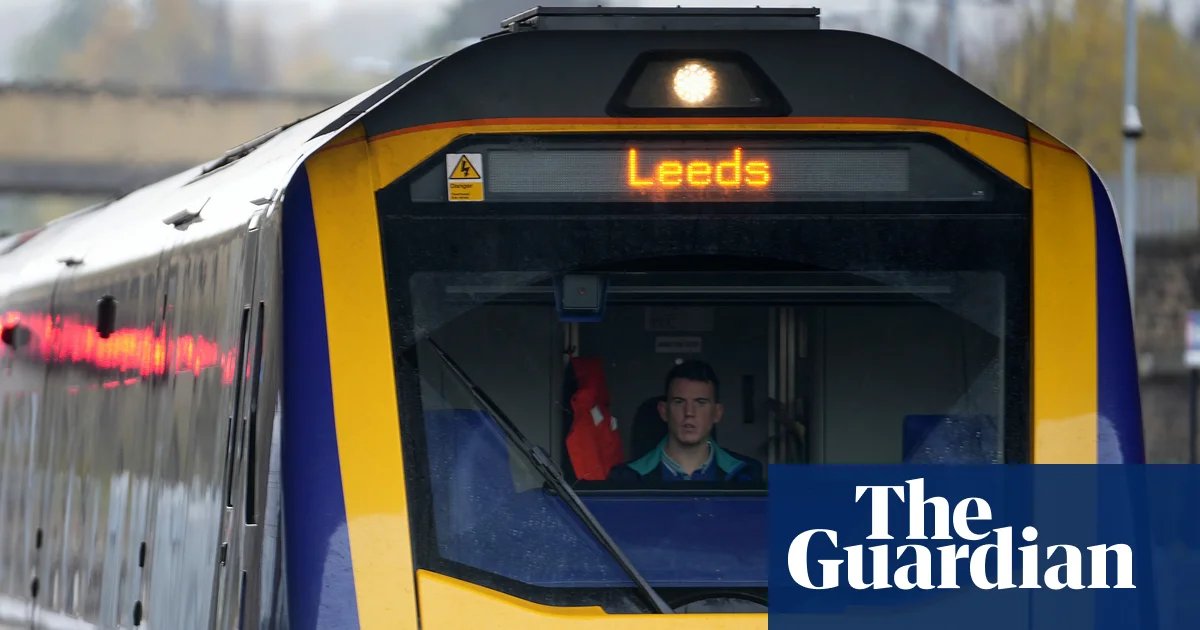
A new railway station will be built in Bradford to “transform how people travel across the north”, the government has announced.
The station will be at the heart of the Northern Powerhouse Rail (NPR) scheme, built on the current Bradford Interchange site but allowing through trains between Leeds and Manchester.
With the promise of more frequent and faster services, it is expected to support new homes and jobs for the West Yorkshire city, located alongside its Southern Gateway regeneration project and connecting to the proposed tram to Leeds.
Approval of the station, which is expected to be built by the mid-2030s, has been regarded by northern leaders as a critical sign of political commitment to improving rail links across the north, after long delays in delivering pledged upgrades.
The Department for Transport said that NPR would allow a “turn-up-and-go railway” for passengers from Bradford, with sufficiently frequent trains running across the north for people not to need to check timetables.
The transport secretary, Heidi Alexander, said: “Today marks an important milestone for Bradford with a brand-new station that will transform how people travel across the north.”
The new station, along with the proposed West Yorkshire mass transit network – better known as the Leeds tram – will bring more than £1bn in economic benefits, according to Bradford council.
The mayor of West Yorkshire, Tracy Brabin, said: “Bradford has so much untapped potential, and faster, more frequent trains to Leeds and Manchester, and the transformation of the city centre will help to finally unleash it.”
Henri Murison, the chief executive of the Northern Powerhouse Partnership, said the decision to build a new station at Bradford Interchange represented “a long-term commitment to the city and the wider north”. He added: “Confidence is already building here, and this will help build it further.”
NPR was first promised by the Conservatives in 2014 but no firm funded plans emerged for the proposed railway linking cities from Liverpool to Hull.
The government under Keir Starmer announced in January that NPR would be delivered in three stages, with a funding cap of £45bn, which could be topped up by local contributions.
The scheme will start by improving connections on existing lines around Yorkshire. It also includes plans for a new line between Liverpool and Manchester.
As mayor of Greater Manchester at the time, Andy Burnham had championed a new underground station for Manchester Piccadilly as part of the project, which the Treasury did not approve.
after newsletter promotion
The rail industry is also anticipating more work on improving Manchester-Birmingham links to replace the scrapped HS2 northern leg, another transport issue long pushed by Burnham.
Northern transport links could be improved further after the mayor of South Yorkshire and other leaders announced plans to bring Doncaster Sheffield airport into public ownership.
The combined authority and Doncaster city council are set to buy the airport from Peel Land, hoping to restart freight next year and passenger flights by spring 2028.
The airport’s owners shut down operations in November 2022, regarding it as commercially unviable.
However, South Yorkshire’s mayor, Oliver Coppard, said that, subject to formal approval, a deal was now going through that “puts the future of DSA back in our hands and finally gives one of the biggest and best growth opportunities in South Yorkshire the platform for long-term success that it needs and deserves”.
He said the government’s devolution agenda had allowed them to now act to resume flights to the city, adding: “When the airport closed, almost everything was against us; the owners did not want to sell, we had no legal powers to intervene or stop the airport from closing, and no backing from the government at the time. Today, the sky’s the limit.”
Traffic & Transport
UK government promises disabled air passengers better safeguards | Airline industry
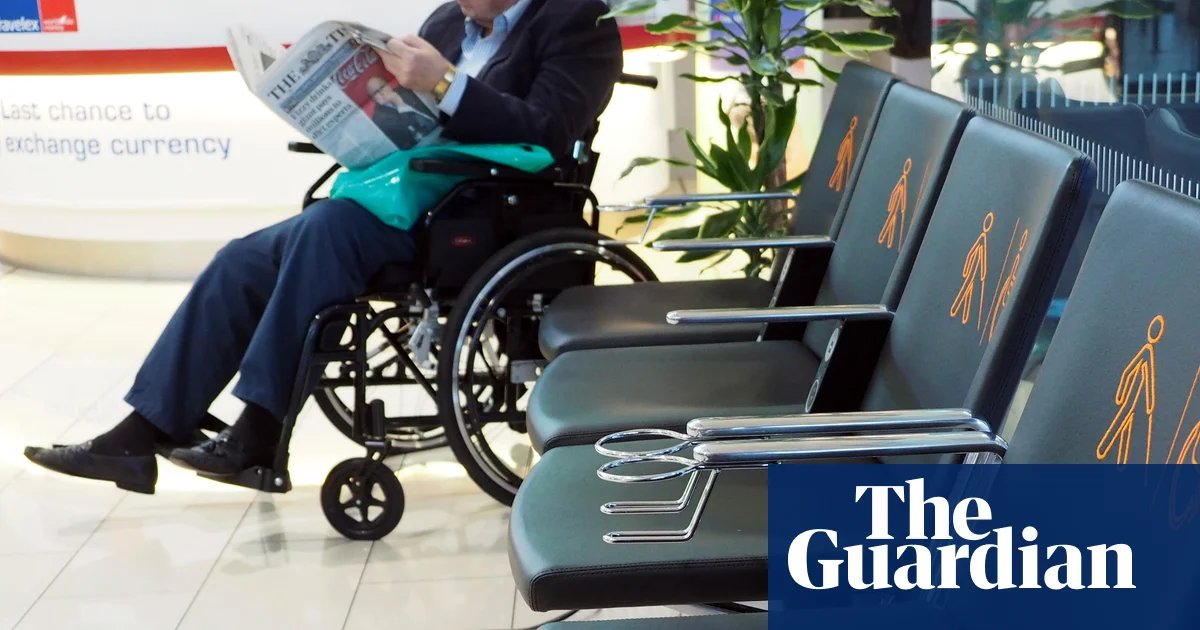
Disabled passengers will have better safeguards when flying, the government has pledged, including protection from damaged wheelchairs and support from trained staff.
A report from an industry-led accessibility group said there was “much more to be done” but progress was being made, a year after a review led by Tanni Grey-Thompson demanded action to improve air travel in response to numerous incidents in which passengers had been left stranded without assistance.
The Department for Transport said airports had added more staff training and a new standardised system has been set up to prepare airlines for handling mobility aids, after more than 1,000 wheelchairs were damaged in transit in 2024, equivalent to more than 80 a month.
Almost one in five disabled passengers are still dissatisfied with their air travel experience though, according to an industry body, and requests for assistance are continuing to rise.
The government is planning to remove the maximum payout in compensation for lost and damaged wheelchairs, and to give the aviation regulator new powers to fine airlines and airports when passengers are not given the assistance they need to travel.
The changes are expected to be in the civil aviation bill which is progressing through parliament and which the government said would give air passengers stronger protection and consumer rights.
The transport secretary, Heidi Alexander, said: “People must be able to fly with dignity and peace of mind. For disabled passengers this means not worrying about their wheelchair coming back in one piece, or whether staff will be there to support them around the airport.
“We’ve backed industry to overhaul staff training, prevent damage to mobility aids and create easy, simple ways for passengers to share key information before they fly.”
The co-chairs of the aviation accessibility implementation group, which is assessing progress on the 19 recommendations in Grey-Thompson’s report, said: “There is much more to be done, but we have made a positive start. We will be focusing now on embedding more of the changes that are needed to enable disabled people to fly with confidence and dignity.”
after newsletter promotion
The chief executive of lobby group Airlines UK, Tim Alderslade, said the number of passengers requiring assistance was up nearly 10% year on year.
“82% report that they are satisfied with their air travel experience which demonstrates the efforts and progress airlines are making for those who require additional support when they fly,” he said.
Traffic & Transport
Andy Burnham launches campaign against ‘headphone dodgers’ on public transport | Transport policy
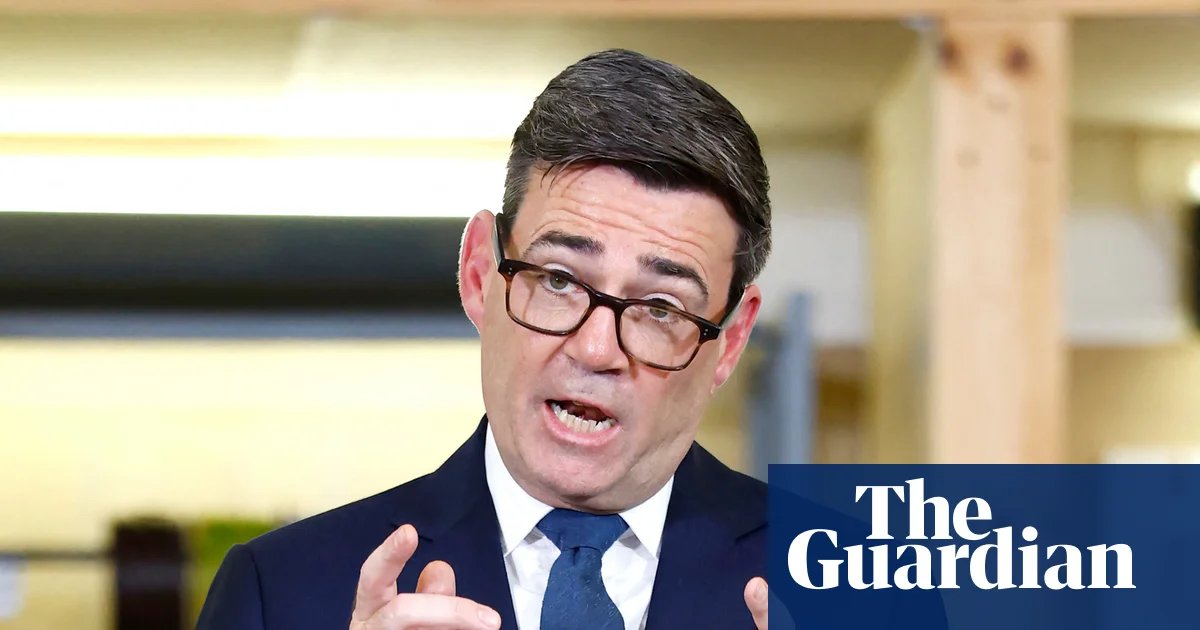
Andy Burnham has announced a crackdown on “headphone dodgers” who play loud music on public transport, as he extends his promise to give voters “breathing space” in the confines of a train carriage.
The prime minister will unveil a campaign against nuisance behaviour on public transport on Monday, alongside guidance allowing local transport authorities to levy fines of up to £100 for non-compliance.
The move makes him the latest senior politician to promise action against people who play videos or music out loud in public spaces, something that about 60% of voters back.
Burnham said in a statement: “We’ve all been on the train when someone starts blasting music or videos from their phone. It gets on your nerves and can quickly spoil the journey.
“So, we’re launching a nationwide campaign reminding passengers to use headphones on trains. On top of that, we’re giving local leaders new powers to tackle loud music, vaping and littering on buses.
“It’s a simple thing, but one that will make journeys that little bit better for all of us.”
Under the plan, ministers will issue guidance to local transport authorities advising them on how they should use new powers granted under the Bus Services Act, which allows them to set and enforce their own rules on board.
The guidance will say authorities should issue fines of up to £100 if bus passengers refuse to comply with a request to stop certain nuisance behaviour.
Officials said drivers would not be expected to enforce such rules. That job would be left to transport safety officers or police officers. Train operating companies already have the power to issue fines of up to £1,000 for similar behaviour.
Alongside the new powers, the government is launching a poster campaign to discourage people from playing videos or music on their phones out loud on public transport.
Under the slogan “share the carriage, not the noise”, passengers will be encouraged to use headphones, avoid making calls on speakerphone and watch videos quietly.
The campaign makes Burnham the latest in a series of politicians to promise to tackle headphone dodgers.
after newsletter promotion
The London mayor, Sadiq Khan, unveiled a campaign in the summer urging passengers to “travel kind”, including by wearing headphones. The Liberal Democrats have called for bus travellers to face £1,000 fines as well as those on trains.
The scramble for politicians to react comes as polls show noise on public transport is a major annoyance for British people.
A recent poll by YouGov found voters would back £1,000 fines for people playing music out loud on buses and trains. A separate survey by the same company found that voters listed people talking on speakerphones as one of their top three irritants.
Unions, however, said the new enforcement regime would do little to protect transport workers.
The general secretary of Unite, Sharon Graham, said: “The government’s proposals are well-meaning but wholly inadequate to tackle the challenges and violence bus workers are facing on a daily basis. The proposed penalties are not going to deal with the issues facing workers.”
Traffic & Transport
Healey backs pro-growth case for Heathrow third runway after Burnham ducks issue | Heathrow third runway

John Healey has said there is a pro-growth case for going ahead with a third runway at Heathrow despite the prime minister declining to back it.
Healey’s predecessor as chancellor, Rachel Reeves, put approval of the long-planned runway at the heart of her “growth speech” last year, saying it would “make Britain the world’s best-connected place to do business”.
However, since arriving in No 10 in July, Andy Burnham has ducked the issue of whether the runway should go ahead, suggesting it should be “a matter for London and Londoners”.
A recent Sunday Times report suggested the prime minister had told the transport secretary, Heidi Alexander, that he was “unconvinced” by arguments for the megaproject.
Asked for his views in Bangkok this week, Healey said the government would study responses to a public consultation, which recently closed. He appeared to strike a markedly more positive note than Burnham, however.
“I think in recent decades, and this is true in Heathrow and airports right across the UK, that they have been a big part of jobs and growth. And the case for a third runway at Heathrow has always been a case for growth,” he said.
Healey has insisted economic growth is his and Burnham’s “number one mission” in government.
Heathrow’s chief executive, Thomas Woldbye, has warned that investors could reassess their backing for the £33bn infrastructure project if it does not receive the prime minister’s support.
“Our shareholders would like to do this,” he said earlier this week. “They do think that things are taking a long time, and so far they have decided to be OK with that … But of course we cannot wait for ever.”
The airport’s owners include Qatar’s investment authority; the French private equity firm Ardian; Saudi Arabia’s Public Investment Fund and Singapore’s sovereign wealth fund, GIC. They are expected to decide in the coming months whether to apply for formal planning permission.
Healey voted in favour of the third runway when the question was put to the House of Commons in 2018.
after newsletter promotion
The chancellor was in Bangkok to attend the International Monetary Fund annual meetings but has returned to London to put the finishing touches to his 28 October budget.
The UK was praised by the IMF this week for taking action to cut its deficit, while other large economies have opted not to do so. The IMF’s managing director, Kristalina Georgieva, urged Healey to “stay the course” in his budget.
On Thursday, official figures showed the UK economy unexpectedly continued to grow in August.



-

 Oxford University4 weeks ago
New to the Oxford English Dictionary this September
-

 Oxford united FC4 weeks ago
Chris Gunter steps away Wales role to focus on Oxford United
-

 Oxford united FC2 weeks ago
LIVE: Exeter City vs Oxford United – Jersey Mike's Trophy group stage
-
 Traffic & Transport3 weeks ago
Why should I have to pay more for buses if I don’t use a smartphone? | Bus fares
-
 Traffic & Transport3 weeks ago
How poor public transport policy is putting the brake on cities | Road transport
-

 Student Life3 weeks ago
Oxford partnership allows OpenAI to use rare Bodleian texts to train ChatGPT
-

 Oxford united FC2 weeks ago
Oxford United lose to Exeter City on penalties in Jersey Mike’s Trophy
-

 Oxford united FC3 weeks ago
Northern Ireland fans laud Oxford United defender Ciaron Brown